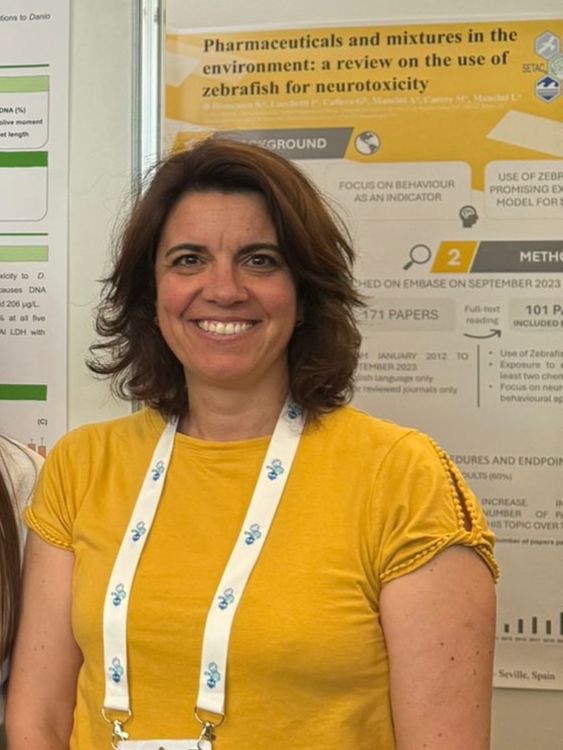
Susana Loureiro’s nomination (CESAM/DBIO) was made at the 34th Annual Meeting of SETAC Europe, which took place from 5th to 9th May 2024 in Seville, Spain, with the presence of more than three thousand participants. The election took place at the beginning of the year in the SETAC Europe Council and was ratified at the Annual General Assembly held in Seville.

SETAC is dedicated to advancing environmental science and evidence-based decision-making through collaboration, communication, education, and leadership. This purpose is achieved through events, publications, awards, educational programs, and collaboration with regulatory and legislative agencies.

This year’s meeting has the overarching theme of “Science-Based Solutions in Times of Crisis: Integrating Science and Policy for Environmental Challenges”.

SETAC Europe 2024 brings together scientists from various fields of knowledge, businesses/industry, and government to share, debate, discuss, disseminate, and facilitate the use and reuse of their latest scientific knowledge to support adaptive and responsive environmental management and protection.

Learn more here.

(Text by: Joaquim Pedro Ferreira and Tânia Barros)
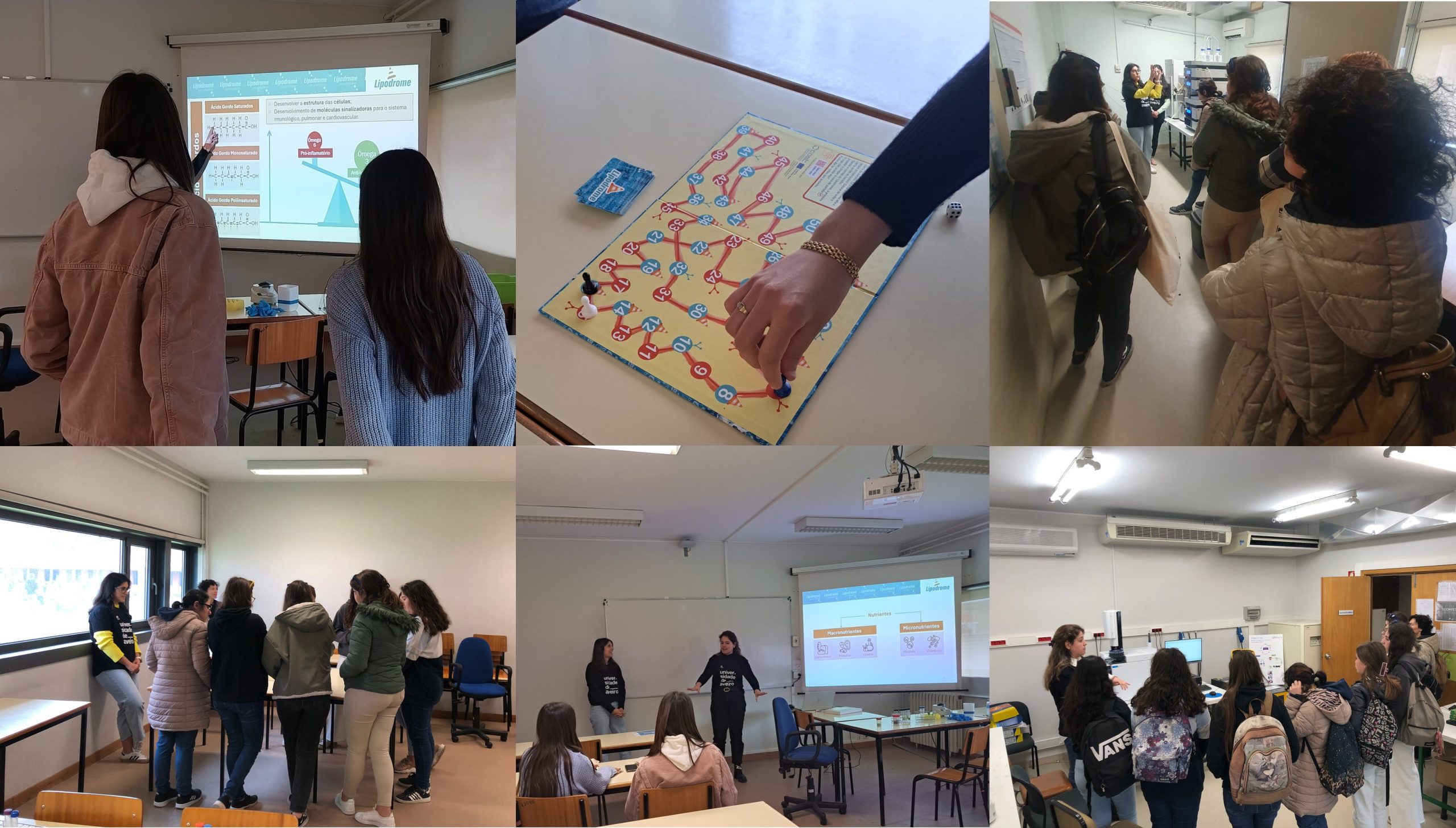
On April 30th, May 2nd, and May 3rd, a group of doctoral students from CESAM and the Lipidomics Laboratory of the Mass Spectrometry Center at the University of Aveiro (CEM-UA) (Helena Ferreira, Inês Guerra, Marisa Pinho, and Tatiana Maurício) presented the activity “Discovering Lipids – the Lipodrome in Action” at the Xperimenta 2024 event. In this activity, the Lipodrome board game developed by the COST Action CA19105 EpiLipidNET, coordinated by the researcher Rosário Domingues (CESAM/QUI), was presented. This game provided a didactic and playful way to demonstrate how different types of foods transport lipids that are essential or harmful to our health. Thus, this activity, which involved a diverse group of participants, provided an opportunity to explore the relationship between dietary choices and health.

The realization of this event allowed the Lipidomics Laboratory (CEM-UA), CESAM, and CA EpiLipidNET to contribute to the education and engagement of the general public in the complex world of lipids.  The Lipodrome is included as a permanent activity at the Centro Ciência Viva de Aveiro.

(Text adaptation by: Tânia Barros; Original text by: Inês Guerra)

This year, Navy Day celebrates its 526th anniversary, and the city of Aveiro will be the stage for the celebrations of this event. An event that sees increased involvement from the University of Aveiro, reflected in the relationship UA has with the Portuguese Navy and the sea. Several members of UA are part of the organizing committee for the celebrations, including 6 members from CESAM.

As part of the Navy Day celebrations, the University of Aveiro will organize the Colloquium “The Sea: Traditions and Challenges.” The central idea of this colloquium is to expand knowledge about the sea, disseminate the importance of various Navies over time, and also discuss traditions and challenges. Through an interdisciplinary approach, this event aims to understand the past as a basis for building the present and projecting a common future.

Additionally, a series of activities related to maritime themes, free and open to all, will be organized.

The sea is a meeting point of convergence between communities that, throughout history, have explored its natural resources in various ways. Thus, the need to study and understand the sea in different aspects is crucial, exploring it in a sustainable manner supported by scientific foundations.

The entry to the “The Sea: Traditions and Challenges” Colloquium is free and subject to registration through this link, until May 10th.

(Text by: Joaquim Pedro Ferreira e Tânia Barros)

Climate change is affecting forests in the Mediterranean region, particularly in southern Europe, where these ecosystems, increasingly subject to high temperatures and low rainfall due to climate change, are degraded by large and intense fires, which are occurring more and more frequently.

Preparing the forest and planning its management taking future climate scenarios into account has become imperative, an idea incorporated into the “FoRES – Developing Forest Resilience to Fire in a Climate Change Scenario” project, which held its final meeting on 30 April, entitled “Forest Management Challenges and Fire Risk. Capitalising on the results of the FoRES project”.

The Physics department of the University of Aveiro hosted the initiative, which was attended by representatives of the ICNF, Ovar Municipal Council, Forestwise, AGIF (Agency for Integrated Rural Fire Management), UTAD, CIRA (Intermunicipal Community of the Aveiro Region) and AFBV (Lower Vouga Forestry Association).

Coordinated by CESAM, the FoRES project has as partners the Norwegian Institute for Bioeconomics Research (NIBIO), the Collaborative Laboratory for Integrated Forest and Fire Management – Forestwise and the Association of Traditional and Environmental Agricultural Producers – APATA.

At the meeting, forest management scenarios subject to modelling were presented.

The meeting presented forest management scenarios subject to modelling of the spread of forest fires in future climate scenarios, which also analysed which management strategies or landscape transformation could result in a smaller area being burnt.

The forest management scenarios, which were created in collaboration with stakeholders and analysed in relation to fire and climate, proved to be a useful tool for assessing the landscape’s resistance to the spread of fire, which is highly dependent on the forest management strategies implemented.

The methodology developed by the FoRES project, which is potentially applicable to any forest area in the territory and takes into account future climate projections, combines several key aspects for the conservation of ecosystems, rural fire risk management and landscape management, from a perspective that is integrated with the interests of managers and owners.

Watch the project video here.

(Text by: Joaquim Pedro Ferreira)

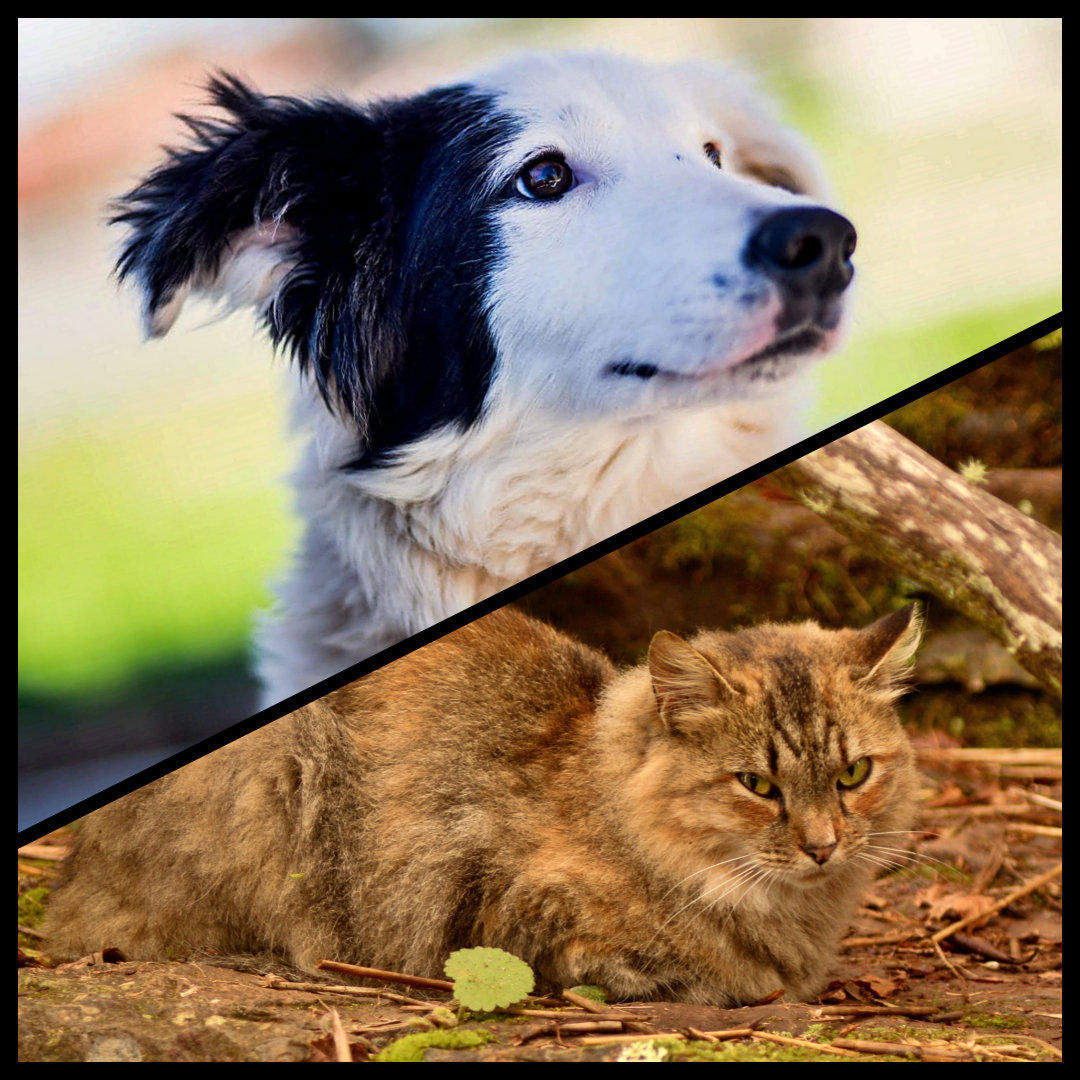
A recent study conducted by DBio/CESAM in collaboration with the Institute for Nature Conservation and Forests (ICNF) presented relevant findings regarding the population of stray animals in Continental Portugal. The first National Census of Stray Animals reveals that there are over 930 thousand animals without homes, of which 830,541 are cats and 101,015 are dogs. The census, funded by the Environmental Fund, not only quantified the population of stray animals but also investigated the attitudes and perceptions of the Portuguese population towards these animals, as well as strategies to control and reduce their populations.

The results highlight significant disparities between cats and dogs in terms of owner responsibility. While the majority of dog owners demonstrate high levels of responsible ownership, including identification and registration of animals, as well as adequate supervision of outdoor access, cat owners show lower levels of responsibility, with a considerable proportion allowing their cats outdoor access unsupervised. Sterilization emerged as the predominant method of population control for cats, while a significant portion of dog owners do not utilize contraceptive methods for their animals.

The study also reveals a correlation between lower family incomes and a more pronounced presence of stray animals, suggesting that economic difficulties may be a limiting factor for responsible ownership practices.

Additionally, 334 vulnerable wild species susceptible to predation by cats and dogs were identified, highlighting the impact of these stray animals on wildlife. The study emphasizes the importance of raising awareness among civil society about the issue of stray animals and underscores the need for effective strategies for their management.

In response to the census results, ICNF adjusted the National Strategy for Stray Animals, emphasizing the importance of responsible ownership and professional training in the areas of animal welfare assessment.

This study represents a significant milestone in understanding and addressing the challenges associated with stray animals in Continental Portugal and highlights the urgent need for coordinated actions to mitigate this complex problem.

For further details, please click here.

(Text by: Tânia Barros)

From the 23rd to the 25th of April, the inaugural RethinkBlue international conference convened, facilitated by EU COST Action CA22122 – Rethinking the Blue Economy: Socio-Ecological Impacts and Opportunities. The event, supported by COST – European Cooperation in Science and Technology, the University of Zadar, and the Croatian Science Foundation, served as a forum for scholars and experts to delve into the multifaceted dimensions of the Blue Economy.

Throughout the conference, attendees engaged in discussions and presentations centered on research concerning the social, environmental, and economic facets of the Blue Economy. Topics of discourse encompassed maritime occupations, food security, sustainable blue consumption, port cities, coastal communities, fisheries governance, marine tourism, emergent activities, climate change, and natural hazards.

Cristina Pita (CESAM/DAO) plays a pivotal role in this COST Action as a member of the Management Committee and as the leader of the Working Group “Food Security & Sustainable Blue Consumption”.

For further insights into this COST Action, additional information can be accessed here and here.

(Text by: Tânia Barros)

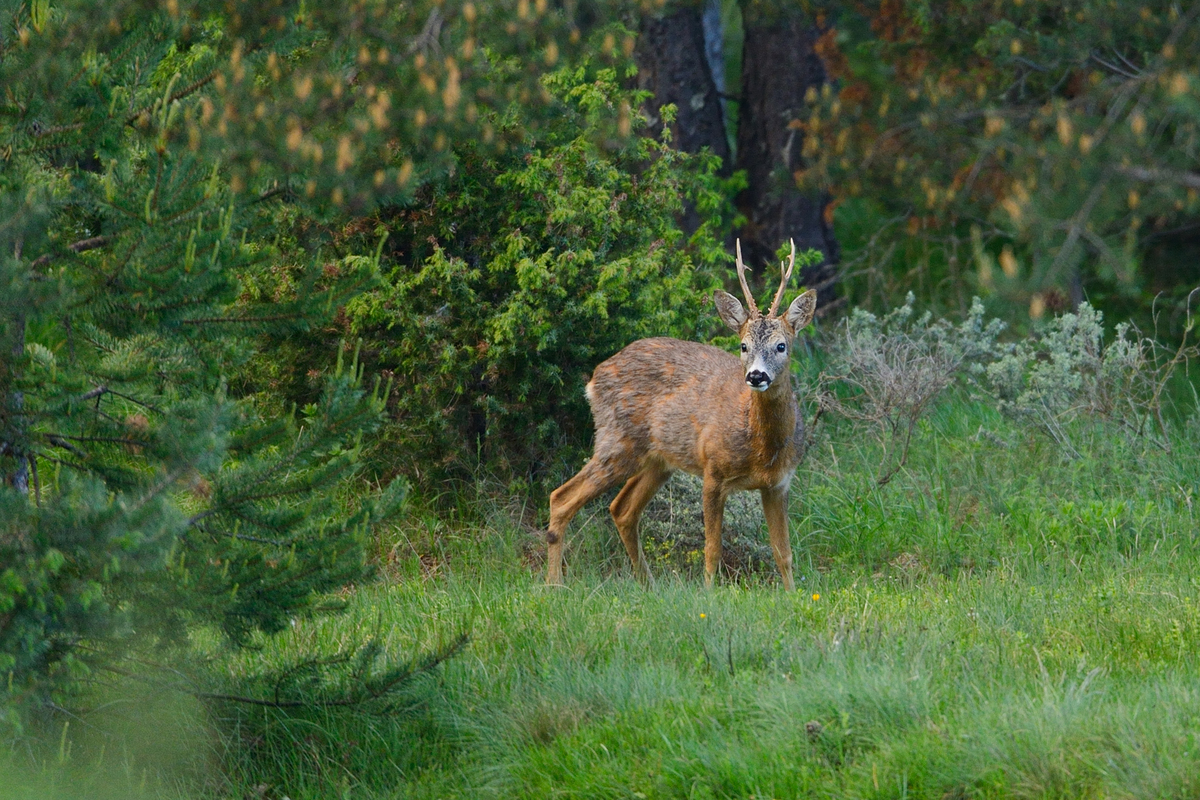
A study conducted by researchers from CESAM has revealed that rewilding efforts in the Greater Côa Valley, Portugal, are facilitating the return of roe deer (Capreolus capreolus) to the region, beneficial for the Iberian wolf and local producers. The Rewilding Portugal team has been working to support the recovery of the Iberian wolf (Canis lupus signatus) population south of the Douro River, where the lack of natural prey has caused conflicts with local producers. The program includes measures to promote the return of roe deer, which can help reduce wolf predation on livestock. Research shows an increase in the roe deer population in areas where rewilding measures have been implemented. Creating ponds, recovering burned areas, and clearing bushes are some of the measures taken to restore roe deer habitat.

The study indicates that roe deer are migrating to the north and west of the Greater Côa Valley, and future efforts should focus on expanding the species to the west. The reintroduction of other species of wild prey, such as deer and wild goats, is also being considered to reduce wolf predation on livestock.

In the future, the teams from CESAM and Rewilding Portugal will continue to monitor the roe deer in the rewilding areas distributed throughout the landscape of the Greater Côa Valley. This monitoring will also be an integral part of the LIFE LUPI LYNX project, coordinated by researcher Rita Torres from CESAM/DBIO, which will be launched to support the recovery of Iberian lynx and wolf populations south of the Douro River in Portugal and Spain.

For more details, read the original article here.

(Text by: Tânia Barros; Image: Staffan Widstrand, Rewilding Europe)

Two of the three University of Aveiro (UA) projects selected for the 2nd edition of the Institutional Pact for the Enhancement of the Circular Economy in the Centre region are from CESAM.

InsectERA was highlighted for contributing to various circular economy strategies, for having a very significant number of partners from the industry sector, for still being in progress in June 2025 (the end of the 2nd edition of the Pact) and for having very clearly identified the identifiers and targets to be achieved at the end of this edition.

A-AAGORA project will identify synergies in line with the Atlantic-Arctic ‘lighthouse’ context, promoting a process of deliberative democracy and complementing other priority areas within the EC Mission by establishing a Community of Practice and developing a digital knowledge system, emphasizing nature-based solutions.

The CCDRC is launching the second edition of the Institutional Pact for the Valorisation of the Circular Economy (Pact) following the strong support obtained during the first edition of this initiative. Part of the Centre’s Regional Circular Economy Agenda, the Pact is aimed at all public and private entities operating in the Centre Region.

The 2nd edition of the Pact came into force on 15 July 2023 and ends on 30 June 2025.

Read more about InsectERA here and A-AAGORA here.

More about the Institutional Pact for the Valorization of the Circular Economy in the Central region here.

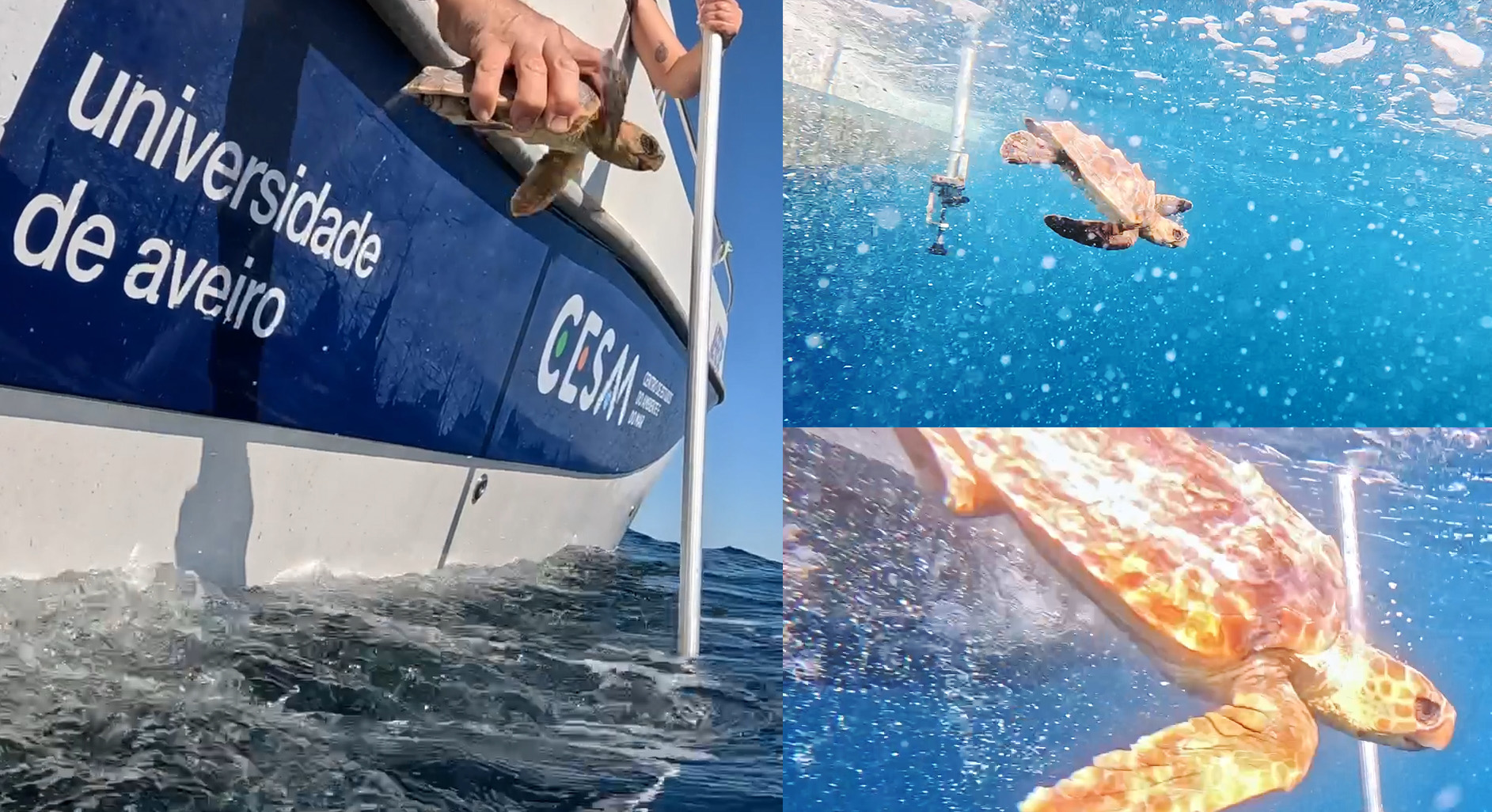
The journey took less than an hour, when almost 6 miles, the precious cargo that the Nereide, a CESAM vessel, was carrying was returned to the ocean. After months of recovery, five common turtles (Caretta caretta) returned to smell the sea and continued their journey in the blue vastness, which had been interrupted months before.

The five loggerhead turtles were admitted to the animal rehabilitation center at Ecomare (CRAM-ECOMARE) between September 2023 and March this year.

Some were found on the coast, others delivered by fishermen between the areas of Aveiro and Peniche. Storms, sea disturbances and accidental capture in fishing gear were the causes that made it impossible for these reptiles to continue their oceanic journey. Some required longer recovery periods due to pneumonia and flipper injuries, but the dedication and experience of CRAM biologists, veterinarians and technicians allowed these extraordinary animals to have a second opportunity to venture into the great ocean.

Visit CRAM-Ecomare here.

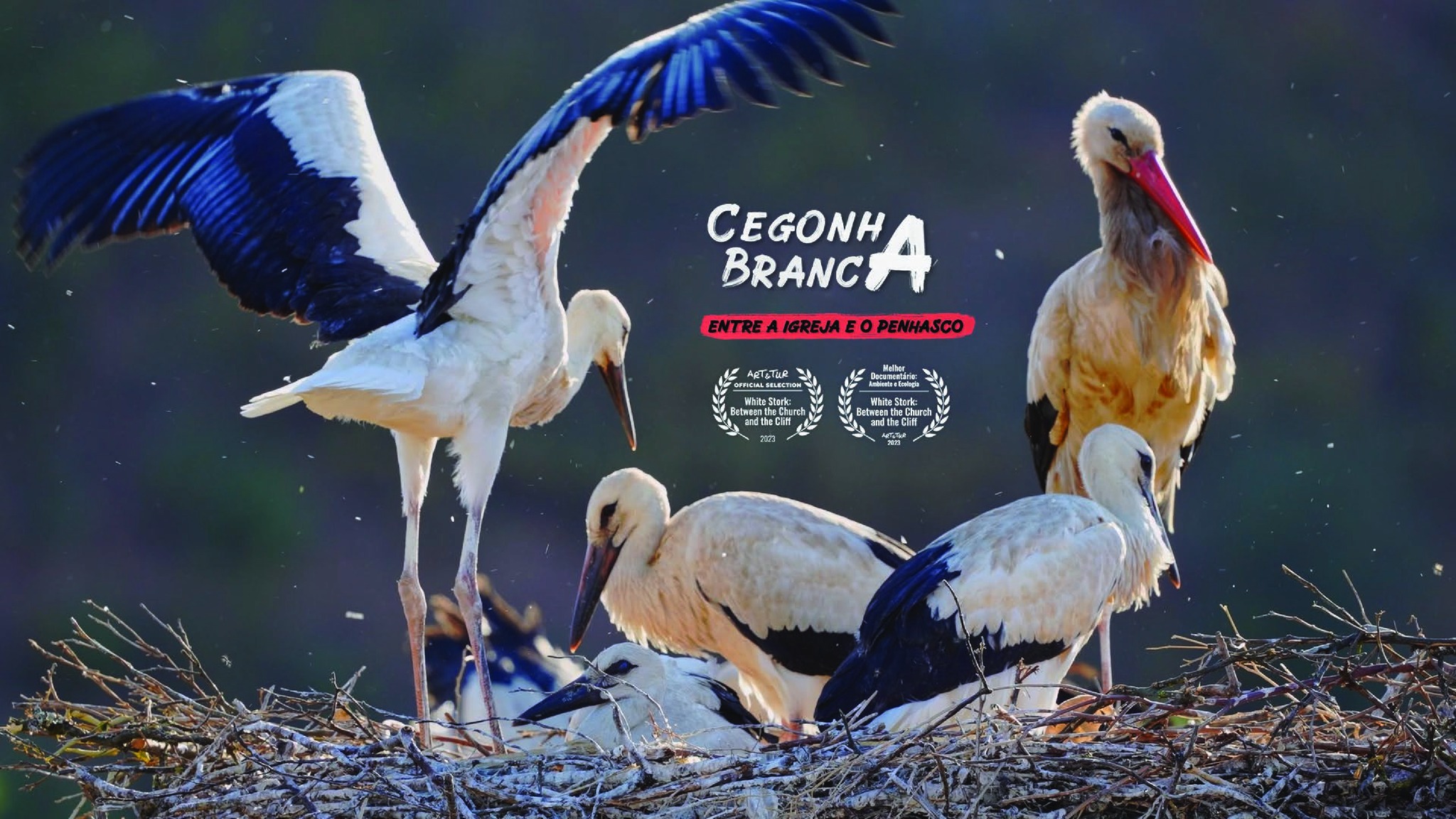
From June onwards, passengers traveling to and from the Americas (Brazil, United States, Canada and Venezuela) and Africa (Luanda, Maputo and São Tomé) will have at their disposal a choice of the best national films, selected from the award-winning 2023 edition of the ART&TUR Festival, held in October in Caldas da Rainha. Among the films selected to be shown on TAP long-haul flights is the documentary “Cegonha Branca – Between the church and the cliff”, which is in partnership with CESAM and was produced by PlaySolutions Audiovisuais.

See the news here.

You can watch the documentary here.

(Text by: Joaquim Pedro Ferreira)