
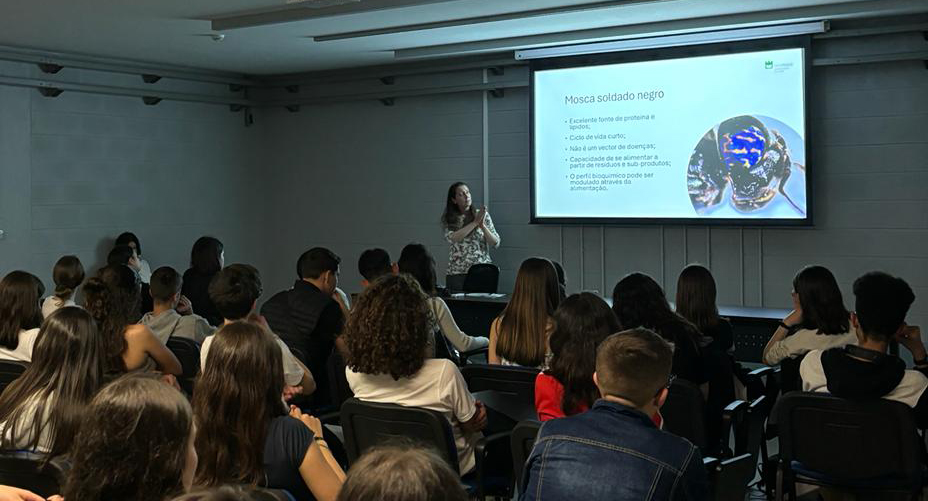
On April 11th, the group of CESAM doctoral students (GED-CESAM) organized a visit to ECOMARE, with the participation of the Ovar Sul School Group, coordinated by Professors Vítor Ferreira and Rui Polónia. Led by members of GED-CESAM and PhD students from Dbio, Davide Silva and Ruben Silva, the initiative also included a presentation of work carried out at ECOMARE by 5 PhD students from CESAM (Daniela Rodrigues, Diana Lopes, Joana Fernandes, Lamara Cavalcante and Madalena Missionário).
The visit was attended by 105 students from the 9th, aged between 14 and 15 years old.
Category: Sem categoria
Are you a passionate PhD researcher in the area of environmental and marine sciences? Are you looking for an exceptional opportunity to advance your research career? Consider applying for the Marie Skłodowska-Curie Actions Postdoctoral Fellowships (MSCA-PF) and unlock the door to a world of research excellence in CESAM at the University of Aveiro, Portugal!
Deadline: 11 September 2024
By applying for an MSCA-PF in CESAM you are applying for two funding opportunities:
1. The first opportunity is to receive funding from the MSCA Postdoctoral mechanism. The MSCA is a prestigious and well-funded grant that has a high positive impact on a researcher’s CV.
2. If an application exceeds the quality threshold, but is not funded in the MSCA selection process, it will be eligible for the ERA Fellowship call (without further application, just a tick in the application form). The ERA fellowships support the widening countries (that includes Portugal) to balance the mobility flows of researchers.
The MSCA-PF call is open to researchers of any nationality who wish to engage in R&I projects by either coming to Europe from any country in the world or moving within Europe. The applicant should have a maximum of 8 years full-time equivalent experience in research, measured from the date of award of the first doctoral degree. Moreover, you have to comply with mobility rule, meaning that you must not have resided or carried out your main activity in Portugal for more than 12 months in the 36 months immediately before the call deadline.
Why CESAM?
CESAM’s mission is to promote transdisciplinary and transformative R&I and knowledge exchange to address societal needs, namely environmental and marine challenges, global change processes, and sustainable solutions for the management and conservation of natural resources and the well-being of ecosystems and humanity, building upon a One-Health Approach.
The main objective of CESAM is to promote a more efficient use of terrestrial and aquatic (from catchment to the deep sea) environmental resources and a more competitive, resilient and sustainable economy. CESAM is committed to policy challenges related to the adaptation and mitigation of climate change; and regional, national and EU policies on water (freshwater and marine) and natural resources (including biodiversity, environmental health and sustainable development). CESAM stands out due to its transdisciplinary research character and the promotion of international collaboration, gathering ca. 500 active members (ca. 240 PhD) with knowledge and expertise on fundamental and applied research in the natural and social sciences, which is a unique asset in an Associated Laboratory in Portugal. CESAM’s research is transversal, covering the biosphere, atmosphere, hydrosphere, lithosphere and anthroposphere. The team holds expertise in:
- Development and validation of environmentally friendly technologies (e.g. LCA), analytical chemistry, marine geophysics, and ecotoxicological methods considering multiple stressors;
- ‘Omics’ technologies and bioinformatics;
- Terrestrial and aquatic (including deep sea) biodiversity, mineral and energy resources, ecosystems structure, functions and services, and risk assessment from sub-cellular to ecosystem levels;
- Environmental Economics and Ecosystems valorisation;
- Modelling and forecasting of atmospheric and hydrodynamic (freshwater, coastal & oceanic) processes;
- Stakeholder engagement.
By choosing CESAM, you’ll join a thriving and supportive community of international experts, all dedicated to fostering scientific discovery and innovation in environmental and marine areas.
How to apply?
Find a supervisor at CESAM community by visiting CESAM´s website or send an email to [email protected] with your narrative CV and project proposal by June 30 and we can help you find a suitable supervisor. After that, the CESAM and the University of Aveiro’s research support offices will provide you with support in your application.
Testimonies from an MSCA PF at CESAM
If you have any questions on how is to work as an MSCA postdoctoral researcher at CESAM, you can talk with Himanshi Rohra and Seila Díaz, who are the present researchers funded by this mechanism.
Supporting documents:
HE MSCA Work Programme 2023-2024
Get ready to join our community!
(Text by: Inês Rosa)
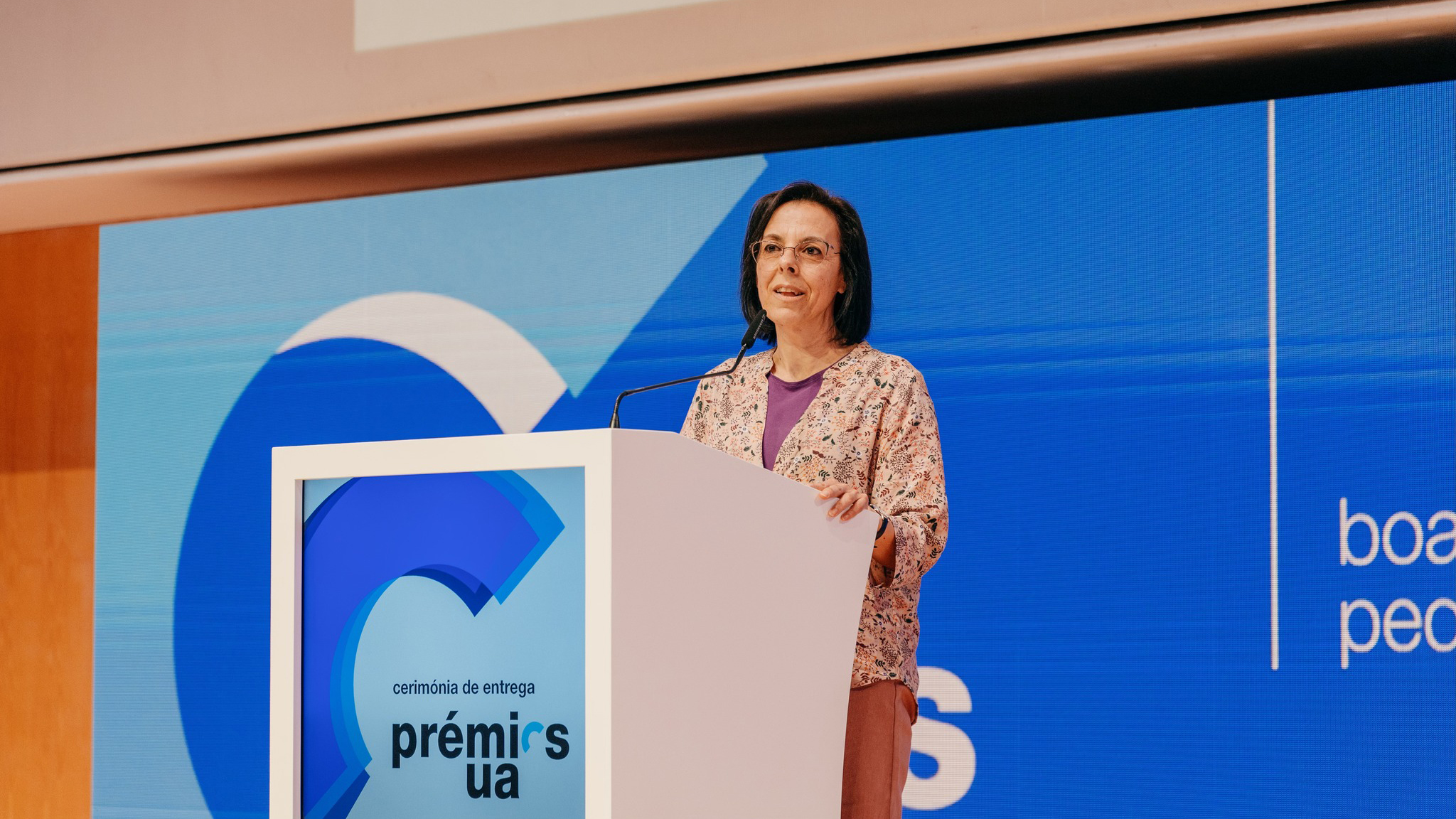
Yesterday, at the Renato Araújo Auditorium in the University of Aveiro, the UA Awards Ceremony took place. There were 37 works in competition, of which 13 were awarded prizes. Célia Alves, researcher at the Department of Environment and Planning (DAO) and CESAM, was distinguished in the category – Researcher with Honorable Mention in Science. In this category, candidates were evaluated by a renowned jury from other institutions outside the UA, which analyzed the publications, projects and funding obtained, in the last 5 years, by the researchers in the competition. The Researcher Award aims to highlight the work carried out in the area of research carried out at the University and recognize, annually, the merit of the Researcher or Research Team whose work has stood out, at national and/or international level”.
See more here.
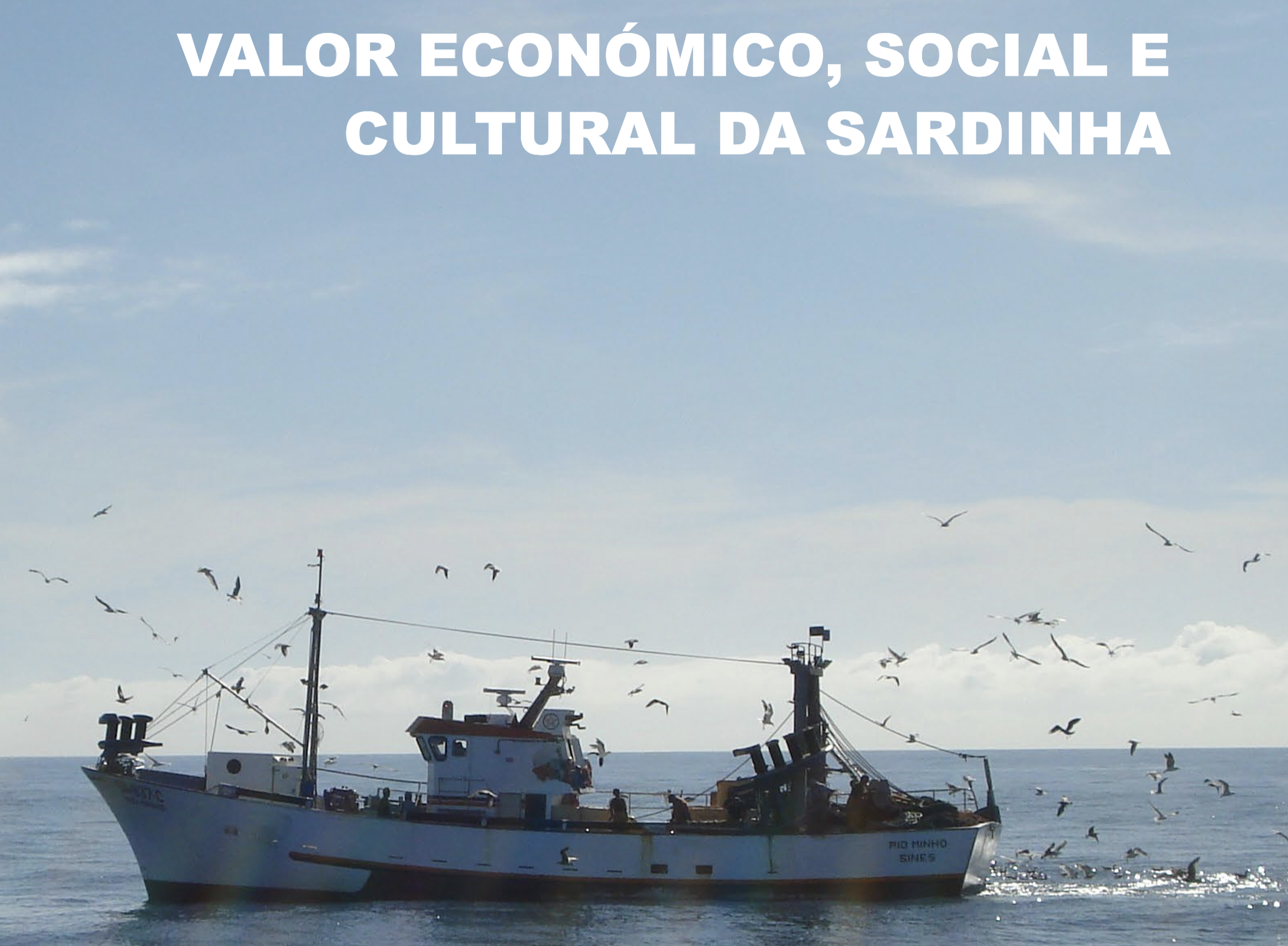
The booklet “Economic, social and cultural value of sardines”, a collaboration between IPMA and CESAM, was published. The booklet, a separate publication from IPMA, succinctly describes the state of the Iberian sardine stock, its production, the fleet and number of fishermen involved, the evolution of the associated canning industry as well as its social and economic importance for Portugal. This booklet was created within the scope of the SARDINHA2020 project (https://sardinha2020.ipma.pt/) and is available here.
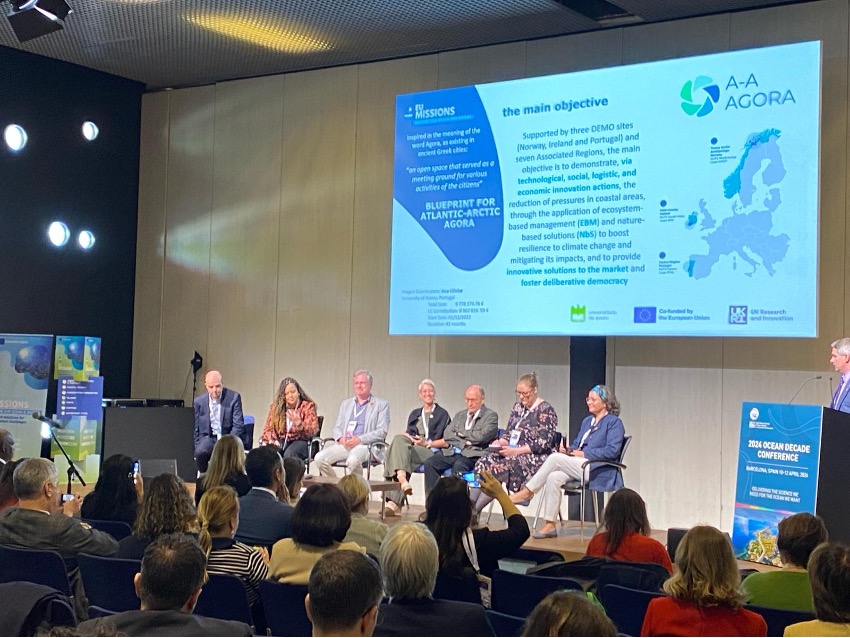
Ana Lillebø, researcher of CESAM and scientific coordinator of A-AAGORA, presented this Atlantic-Arctic EU Mission project at the 2024 UN Ocean Decade Conference, in the session “Building a Strong Scientific Community in Support of a Sustainable Atlantic Ocean.”.
This event, held on 11 April (13:15 – 14:45) at the Barcelona International Convention Centre (CCIB), focused on the All-Atlantic Ocean Research and Innovation Alliance (AAORIA) and its mission to improve marine research and cooperation across the Atlantic-Arctic ocean basin, in line with global initiatives such as the UN Ocean Decade.
The presentation highlighted A-AAGORA’s contribution to cooperative, solution-based ocean science, which aims to ensure a healthy and sustainable ocean for future generations.
The 2024 UN Ocean Decade Conference took place on 10-12 April 2024, in Barcelona. Hosted by Spain and co-organized with UNESCO’s Intergovernmental Oceanographic Commission (IOC/UNESCO) in its role as the coordinating agency of the UN Decade of Ocean Science for Sustainable Development (2021-2030), the conference brought together the Ocean Decade community and partners to celebrate achievements and set joint priorities for the future of the Decade.
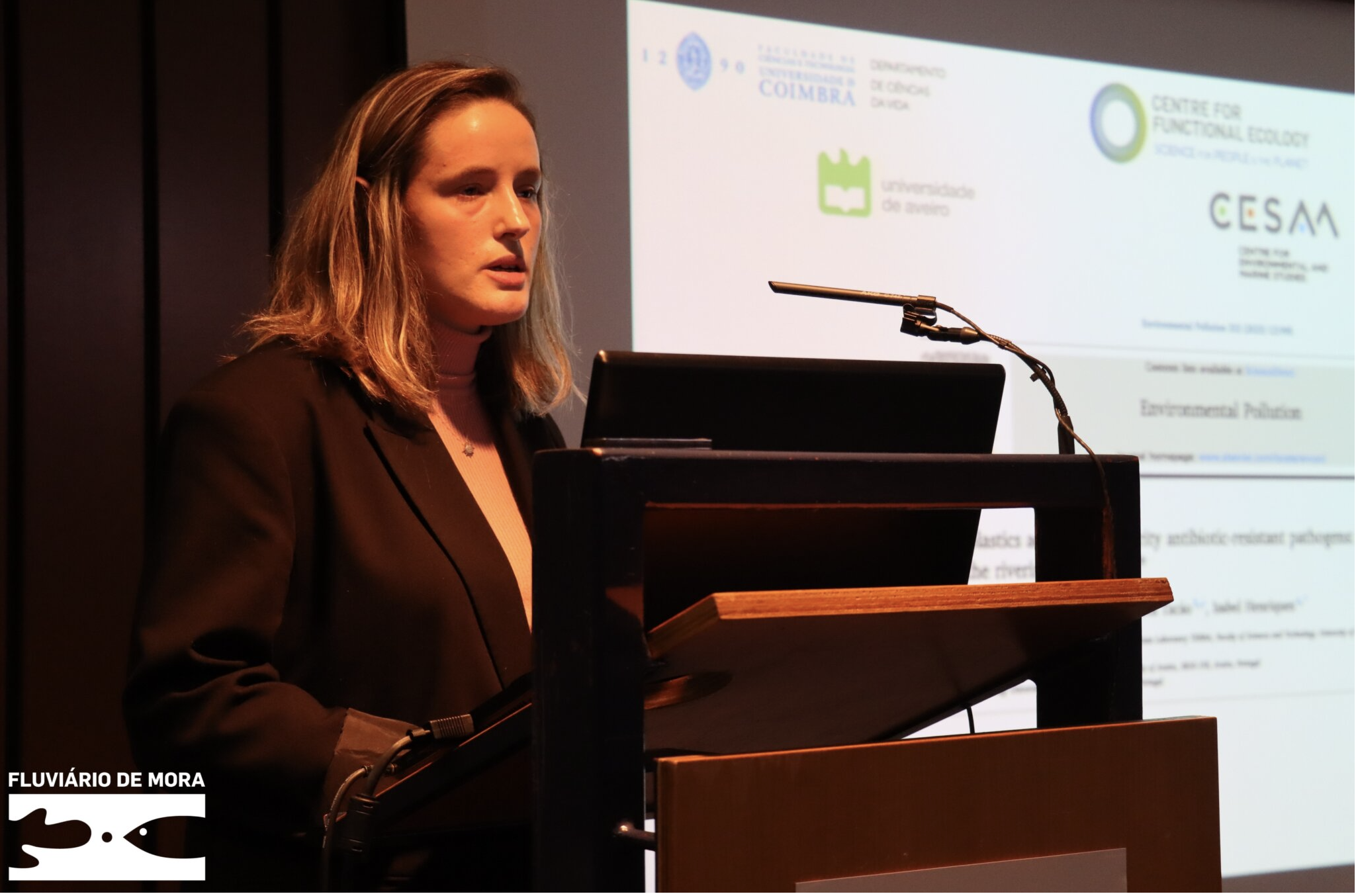
The “Prize Fluviário 2023 – Young Scientist of the Year” promoted by the municipality and Fluviário of Mora, which distinguishes the best article published by a student, was awarded to Isabel Silva, a doctoral student at CESAM. This award aims to distinguish a student (PhD, MSc, Lic.) who has published as first author an article (SCI magazine) in 2023 on the topic of conservation and biodiversity of continental aquatic resources (Estuaries and Rivers). The award-winning article, published in the magazine Environmental Pollution, is also co-authored by Marta Tacão, researcher at CESAM.
See the article here and the news on the Mora Fluviarium website here
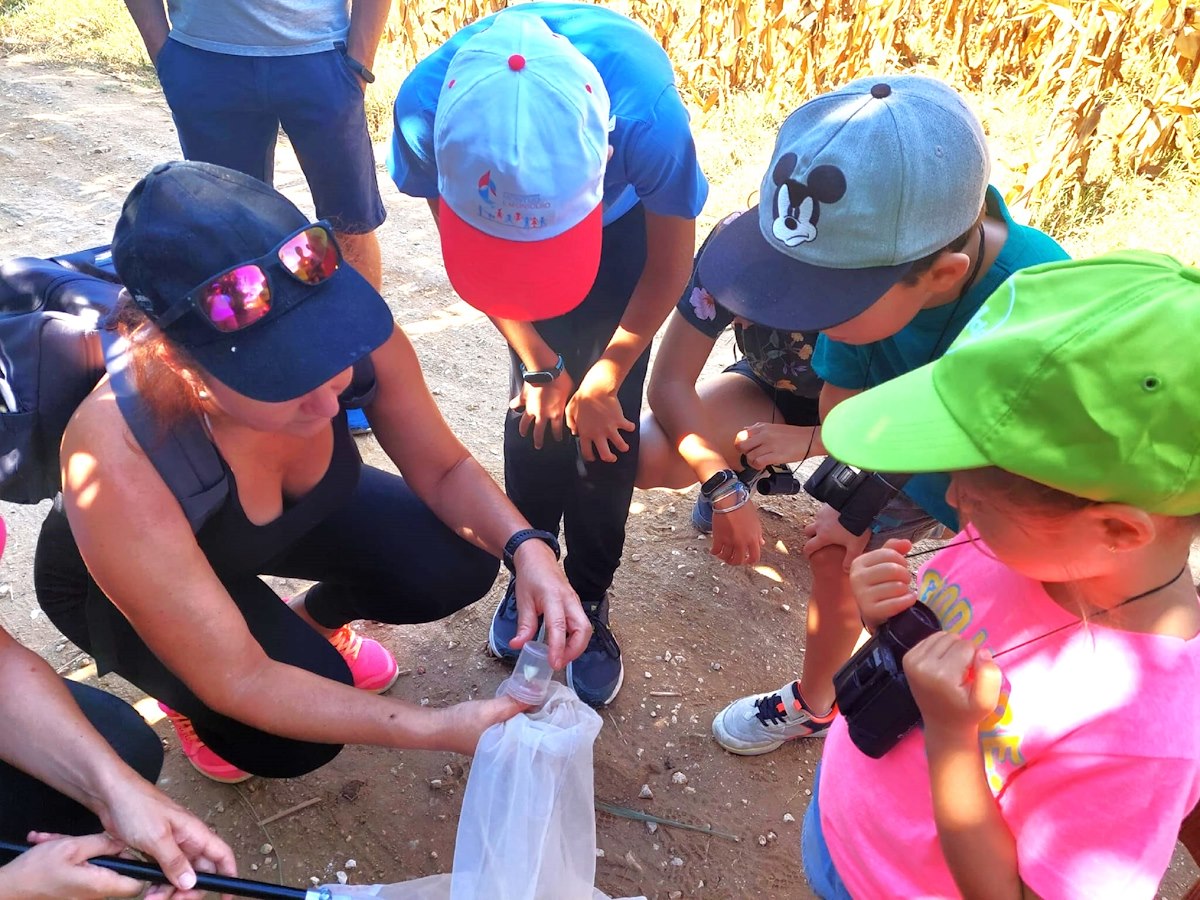
Sensibilizar os jovens para a necessidade de proteger a biodiversidade de insetos polinizadores. Este é o grande objetivo do projeto de ciência-cidadã “Be Butterfly Friendly” que está a arrancar em 15 escolas do 1º e 2º ciclos do concelho de Oeiras. O projeto é coordenado por Clarisse Ferreira, estudante de Doutoramento em Biologia da Universidade de Aveiro (UA).
O objetivo central deste projeto, que se pretende que possa ser alargado ao resto do país, é, assim, a sensibilização para a proteção e conservação das borboletas e de outros polinizadores, reconhecendo a sua importância, causas e consequências do seu declínio, recorrendo a recursos como saídas de campo, visitas exploratórias e atividades de sementeira e plantação nas hortas pedagógicas e biológicas, como estratégias na promoção de Educação e Sensibilização Ambiental.
Até agora, são 15 as escolas aderentes que possuem hortas biológicas escolares integradas no projeto “Aqui há Horta” da Câmara Municipal de Oeiras, Divisão do Ambiente e às quais estão a ser atribuídas sementes de espécies de plantas para a criação de Jardins de Borboletas. O projeto, que arrancou já com o início do 2º semestre deste ano letivo e que decorrerá até ao final deste ano letivo de 2023/2024 no município piloto, Oeiras, pretendendo-se que possa ser depois alargado a outras escolas do país.
O “Be Butterfly Friendly” surge no âmbito da tese de doutoramento de Clarisse Ferreira, orientada na UA pela investigadora Olga Ameixa e pelo professor Paulo Silveira, ambos do Departamento de Biologia e do Centro de Estudos do Ambiente e do Mar, uma das unidades de investigação da UA.
Em declínio preocupante
“As borboletas, são insetos bastante populares, relativamente fáceis de identificar, sendo, por isso, muito estudados”, aponta Clarisse Ferreira. “À semelhança de outros grupos, as suas populações têm vindo a diminuir, devido sobretudo à perda e fragmentação dos seus habitats, ao uso de pesticidas e às alterações climáticas. Um declínio que pode ter consequências nos serviços de polinização e logo na manutenção dos ecossistemas naturais e na produção de alimentos”, aponta.
A borboleta Melitaea aetherie, ou fritilária-do-Sul, é a espécie bandeira deste projeto. Esta espécie está considerada localmente extinta no município de Oeiras e está classificada como “vulnerável” pela “Lista Vermelha de Grupos de Invertebrados Terrestres e de Água Doce de Portugal Continental”, publicada em 2023. A borboleta alimenta-se do cardo, Cynara cardunculus, também conhecido por cardo leiteiro. Na primeira visita às escolas já foram entregues cardos, Cynara cardunculus, recolhidos no vale de Beijames e cedidos pela ASE – Associação Cultural dos amigos da serra da Estrela.
“Esta primavera, irão ser realizadas, pelo menos, sete saídas de campo para dar a conhecer os insetos em geral e os lepidópteros em particular da Quinta de Recreio do Marquês de Pombal”, aponta Clarisse Ferreira. Esta ação conta com o apoio da Divisão de Educação e Ambiente da Câmara Municipal de Oeiras, através da plataforma “OeirasEduca”, para transportar os alunos das escolas até à Quinta de Cima, à Quinta de Recreio do Marquês de Pombal e à Ribeira da Lage, bem como na disponibilização de um espaço do município para a realização da Exposição dos trabalhos dos alunos a concurso.
O projeto é partilhado pelo Clube de Ciência Viva na Escola Secundária Quinta do Marquês, e pela Associação Portuguesa de Educação Ambiental (ASPEA) e ganhou uma bolsa no valor de 1379 euros, atribuída pela “Forestry and Nature Conservation Agency de Taiwan”, uma organização do Ministério da Agricultura de Taiwan dedicado à gestão florestal sustentável e à conservação da natureza.
Este apoio, foi formalizado no dia 11 de outubro de 2023 na presença do Embaixador Chang, Tsung-Che e do Vice-presidente e Presidente da ASPEA – Joaquim Ramos Pinto, no Centro Económico e Cultural de Taipei, em Lisboa.
[Texto da notícia no site da UA, em https://www.ua.pt/pt/noticias/9/86173]
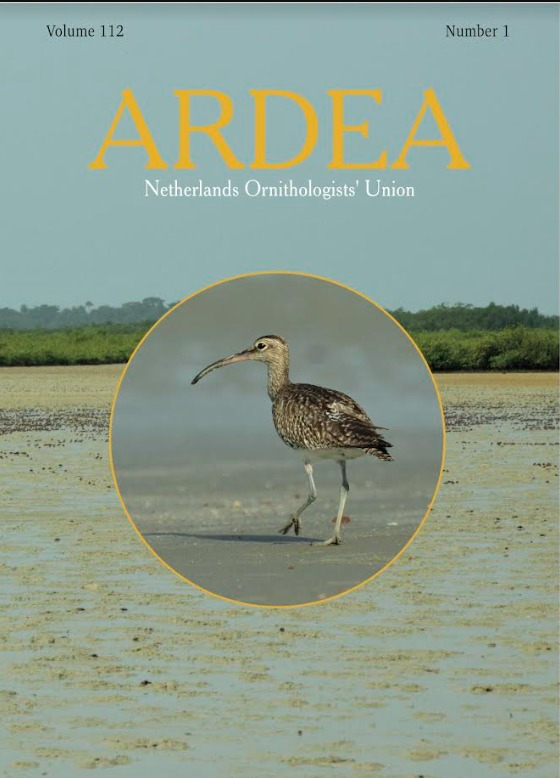
The magazine ARDEA, published by the association of Dutch ornithologists (NOU) since 1912, highlights on the cover of its most recent issue the article led by Ana Coelho , CESAM PhD student who recently defended her thesis (December 2023).
This article is one of the results of the Waders of the Bijagós project and reveals the seasonal variation in the diet of 8 species of waders that migrate to and pass through the Bijagos archipelago its non-breeding season. Research shows that during preparation for return migrations to breeding areas, in northern Europe and the Arctic, these species change their diet in a more noticeable way. This may reflect changes in the abundance of their prey or in their selectivity on the part of the birds, which at this stage must acquire substantial energy reserves for migratory flights.
Link to article: https://ardea.nou.nu/ardea_show_abstract.php?lang=uk&nr=4455
The cover of the magazine highlights one of the most abundant species of waders in this archipelago, the Galician sandpiper (Numenius phaeopus), a bird that holds the record for non-stop migratory flights on the East Atlantic migratory route, continuously flying thousands of kilometers between the Iceland (where it breeds) and West Africa where it spends the non-breeding season. Interestingly, the same team of CESAM researchers recently discovered that juveniles of this species also make these long migrations without any stops when they are only around 60 days old. By leaving Iceland significantly later than adults, they embark, in most cases, at their own risk on an ocean crossing that they do not know when it will end.
Link to this other article:https://onlinelibrary.wiley.com/doi/10.1111/ibi.13282
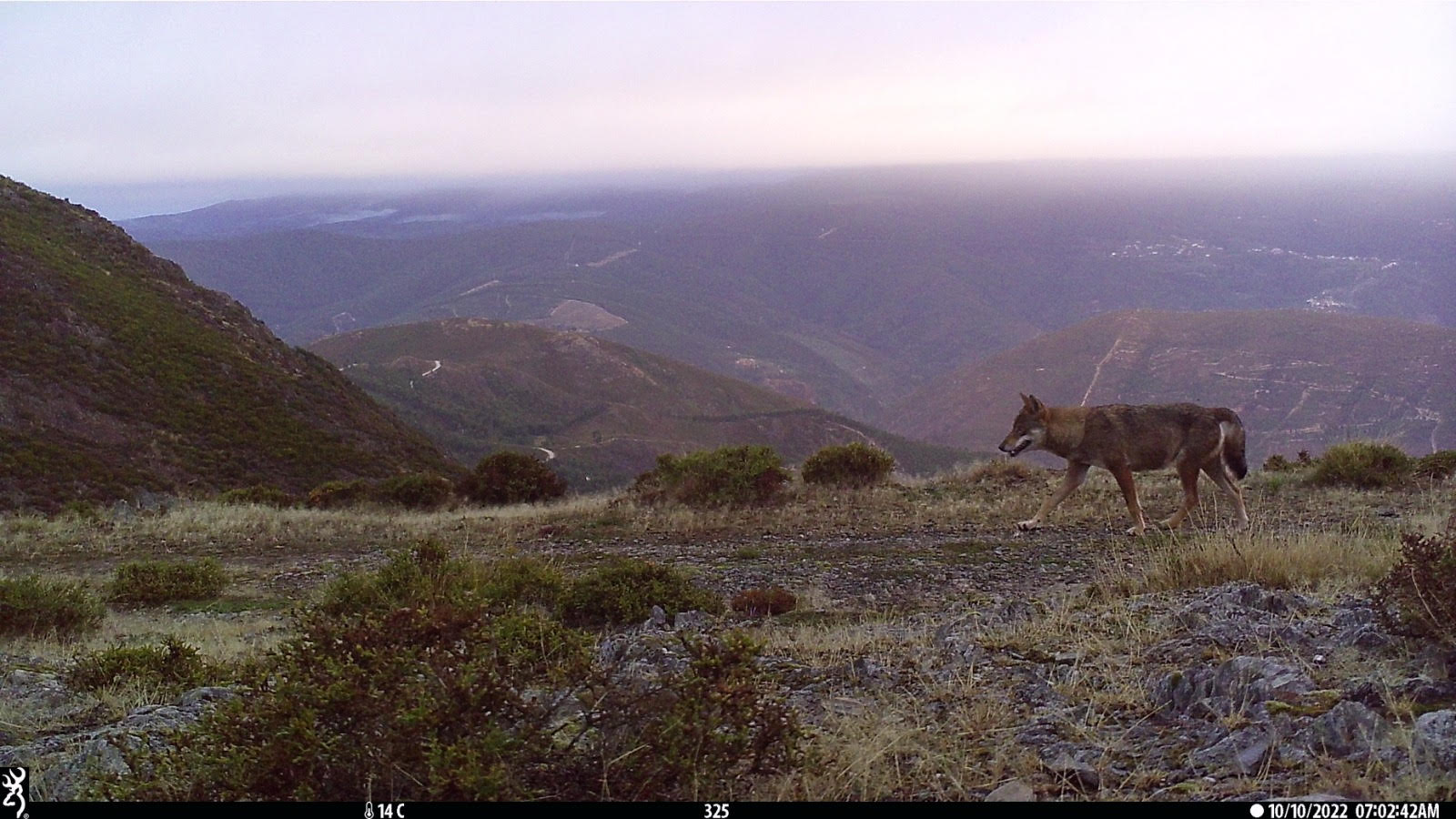
The question is the article’s title published in the journal Biodiversidade e Conservação, which includes the participation of researchers from CESAM and the University of Aveiro. This work was carried out as part of the master’s thesis of former UA student Raquel Martins.
As mentioned in the publication, Iberian wolf populations have been decreasing in Portugal due to a combination of factors such as habitat destruction and human persecution. It is particularly worrying in Central Portugal, where wolf packs are highly fragmented, isolated, and have few individuals. Conflicts between humans and wolves are constant in this area due to high levels of livestock predation and the low diversity and abundance of wild prey, such as wild boar and roe deer. That is why human persecution is considered the main threat to the survival of wolves.
By studying public attitudes toward these wolf populations and discerning prevailing patterns, knowledge can be gained to guide management strategies in mitigating these factors.
In this study, 222 questionnaires were carried out among human populations living in Central Portugal, divided into three interest groups (general public, livestock owners, and hunters), to obtain information on aspects such as Attitude, Fear, and Knowledge regarding the wolf.
When analysing the information, the researchers found that attitudes tend to be more positive towards the wolf, with an increase in fear and an increase in knowledge. Factors that influenced fear included gender, knowledge, and personal experience with wolves.
These sections will be used to target specific groups with environmental awareness initiatives, aiming to increase knowledge and reduce sources of fear.
The researchers warn that specific conservation measures, considering the views of interested parties, are needed to effectively protect the Iberian wolf.
See the article here
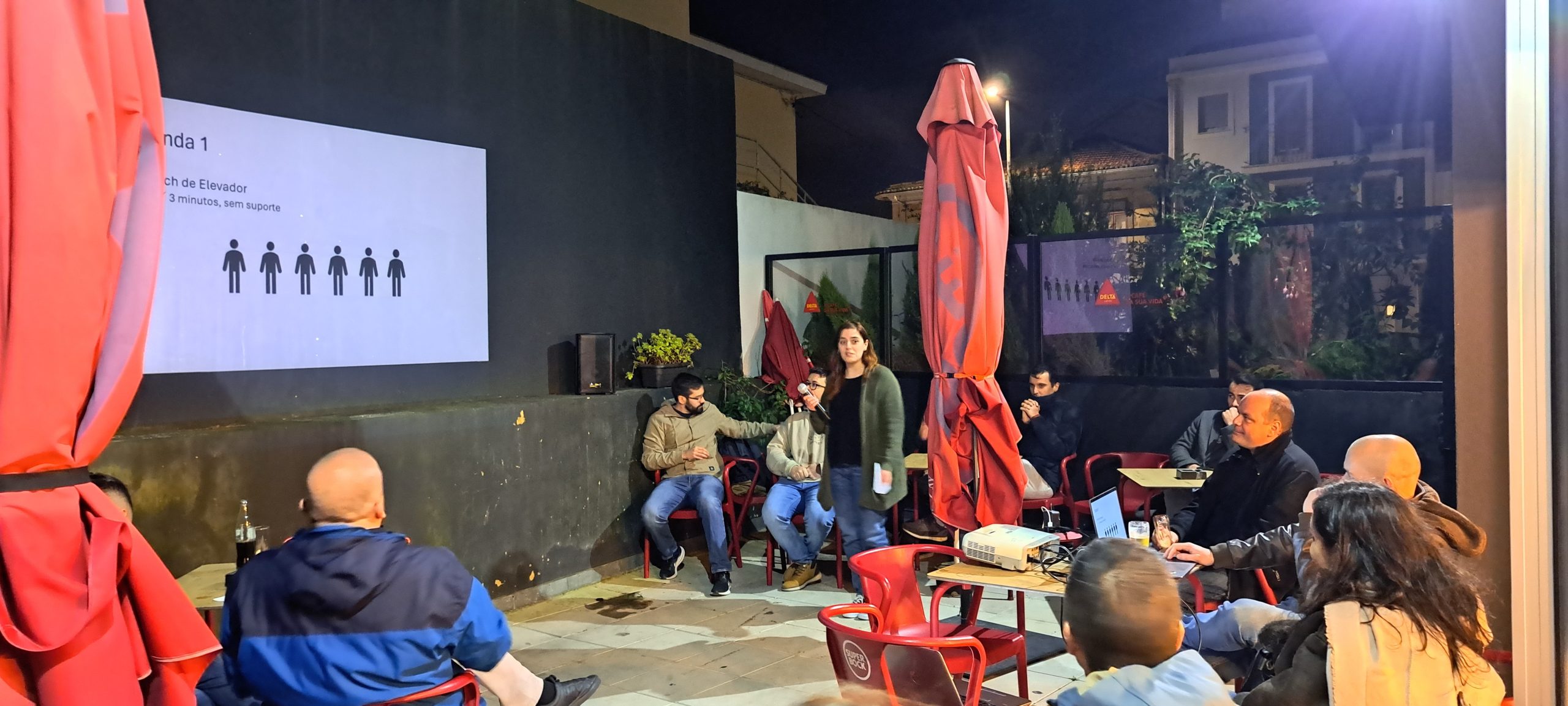
The Group of PhD Students from the Center for Environmental and Marine Studies at the University of Aveiro, GED-CESAM, in an initiative to connect the non-academic community, organized the first “Pitch or Perish” competition.
In an allusion to a 2014 scientific article, which discussed the importance of publishing scientific work, the organization intended to draw attention to the need for researchers to communicate their work in simple language that is accessible to the non-academic public.
According to the organization, the competition, which took place with the support of CESAM last Wednesday, March 20th, at Café-Restaurante Convívio, aimed to bring together the academic community and the non-academic community of Aveiro, where CESAM-UA is inserted. The doctoral students presented their research work in 3 and 5 minutes in several stages that culminated in the selection of the best presentations by the jury, which included, among others, the vice-coordinators of CESAM Ana Cristina Esteves and Fátima Alves, who is also Director of the UA Department of Environment and Planning, and Ruben Silva, representative of GED-CESAM.
According to Ruben Silva, represented by the organization, “this event is intended to be the first of many. The reception was excellent and the fact that it was held in a public space, a reference for Aveirenses, makes this occasion a unique opportunity to share between two worlds that are sometimes not as connected as they should be”.
GED-CESAM, recently created to represent CESAM-UA PhD students, has as a pillar of its action the strengthening of ties between students and the academic and non-academic community. In this sense, there are already several events planned for the year 2024.