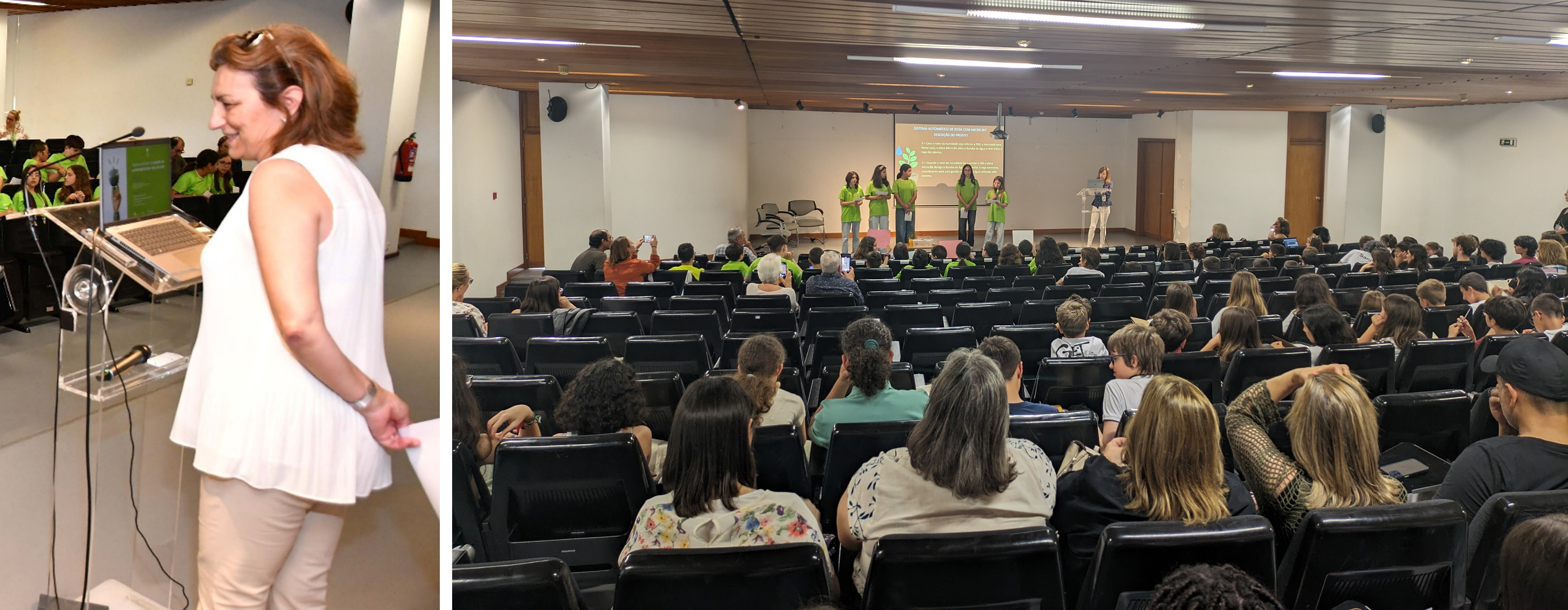
On June 5th, at the Carlos Borrego Auditorium, the 3rd Edition of the Schools Project – World Environment Day took place, a joint initiative between DAO, CESAM, and IDAD. The event began with a welcome address from Professor Fátima Alves, Director of DAO. This initiative involved primary and secondary school students from the Aveiro region, specifically from the municipalities of Ovar, Ílhavo, Aveiro, and Vagos. During the event, students presented initiatives they developed in the field of Environment. Seven environmental sustainability projects completed during the school year as part of their school projects were showcased.

At the end, awards were given to the best projects presented:
1st Prize – Automatic irrigation system with Micro:Bit by the Esmoriz – Ovar Norte School Group
2nd Prize – Eco“Site” by the Vagos School Group
3rd Prize – Think green, live better by the Dr. Jaime Magalhães Lima Secondary School in Esgueira
Honourable Mention – Guardians of the Environment by the Maceda Primary School – Esmoriz – Ovar Norte School Group

(Text by: CESAM’s Communication, Promotion and Dissemination Office)
The Horizon Europe (HE) Work Programme has introduced the Hop On Facility mechanism, designed to facilitate the inclusion of entities from low performing research and innovation (R&I) countries, including Portugal, into already selected collaborative R&I actions. This initiative aims to bridge the gap between R&I actors from more advanced countries and those from developing countries, promoting collaboration and knowledge sharing.

Success Stories at CESAM
CESAM recently had three projects approved under the Hop On Facility, demonstrating the commitment of our integrated members to R&I and their ability to leverage this initiative to advance their research objectives, as well as to expand their international collaboration network.

Bio-Uptake: A Sustainable Transformation
The Bio-Uptake project, funded under the topic HORIZON-CL4-2021-TWIN-TRANSITION-01-05, aims to ensure the sustainable adoption of bioplastic composites, driving a twin green and digital transformation in the European manufacturing industry. In this context, the project will develop flexible manufacturing processes, using a circular-by-design approach, to produce bio-based products for the construction, medical, and packaging sectors. The CESAM team, coordinated by Isabel Lopes (CESAM/DBIO), contributes to Bio-Uptake with the safe-by-design paradigm, characterising the safety of bio-based materials, intermediate and final products for Environmental and Human Health, allowing Bio-Uptake to comply with sustainability principles.

BMREx: A Biocatalytic Solution for Micro/Nanoplastic Degradation
The BMREx project, funded by the EIC Pathfinder Open 2022, aims to develop a biocatalyst-based membrane reactor technology to remove micro/nanoplastics from domestic and industrial wastewater effluents. The CESAM team, under the scientific coordination of Helena Oliveira (CESAM/DBIO), will contribute to assessing the human health risks associated with exposure to micro and nanoplastics and their degradation products, expanding the project’s focus to encompass human health implications.

Re-MEND: Enhancing Mental Health Resilience
Additionally, the Re-MEND project, funded under the topic HORIZON-HLTH-2021-STAYHLTH-01-02, focuses on building resilience against mental illness during endocrine-sensitive life stages. The CESAM team, led by Rosário Domingues (CESAM/DQUI), will play a crucial role in assessing the plasticity of the lipidome and the contribution of lipid oxidation and nitration in the pathophysiology of mental illness throughout the life course, identifying relevant biomarkers for accurate and early diagnosis, monitoring disease state and progression, predicting disease severity, as well as relapsing-remitting episodes. This will be instrumental in opening new avenues for personalised medicine.

The Hop On Facility is currently open, with the next cut-off date scheduled for 26 September 2024. For more information, please visit this link.

(Text by: CESAM’s Science Management and Knowledge Transfer, and Communication, Promotion, and Dissemination Offices)

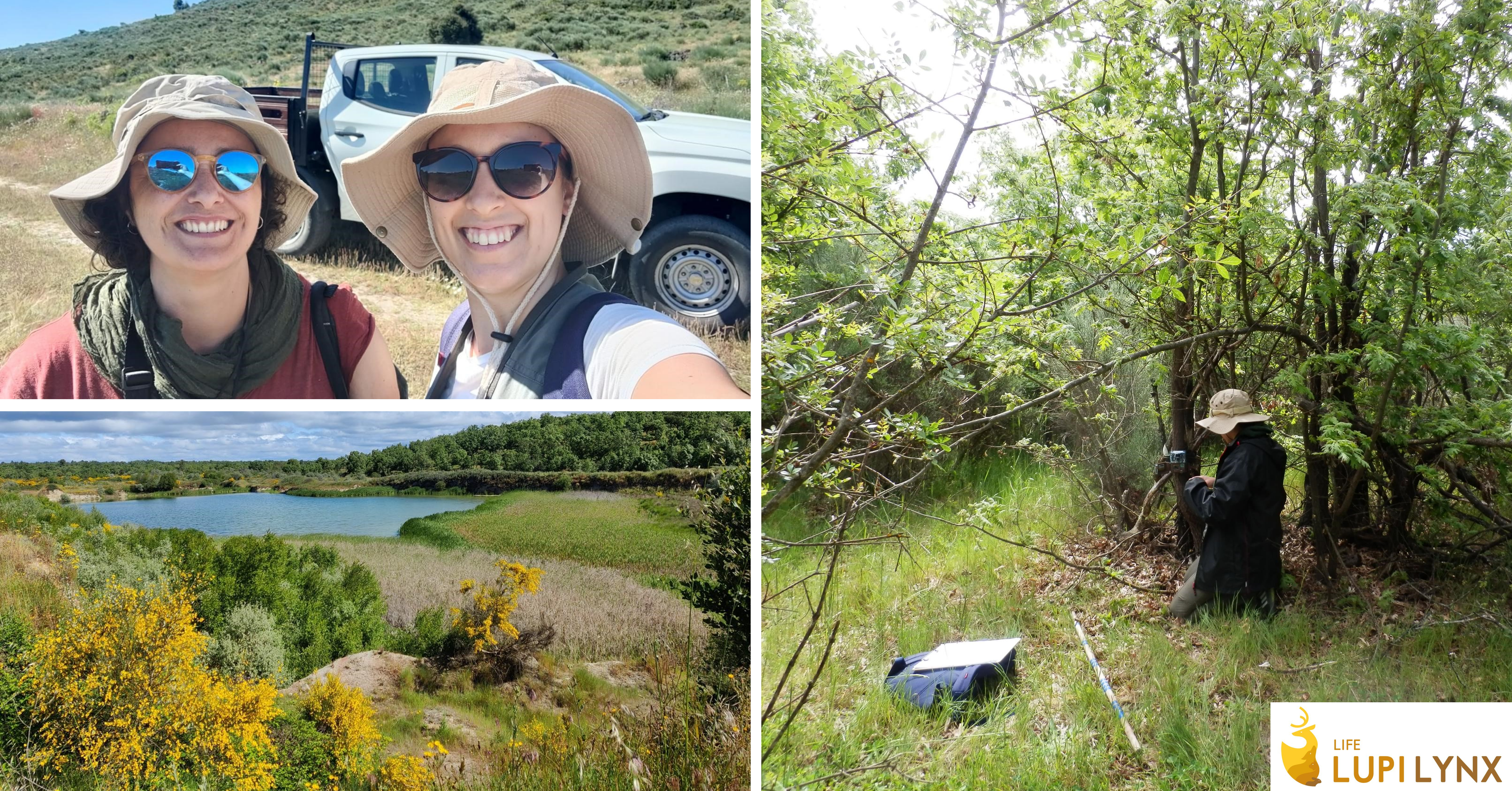
The LIFE LUPI-LYNX project is coordinated by Rewilding Portugal, with CESAM as a partner. The CESAM team includes researchers Rita Torres, the project leader at UA, Eduardo Ferreira, and João Carvalho (CESAM/DBIO). The main objective of the project is to create the socio-ecological conditions necessary for the recolonisation of the Iberian wolf (Canis lupus signatus) and the Iberian lynx (Lynx pardinus) in a cross-border area south of the Douro River, enhancing the capacity for knowledge exchange in the assessment of damage prevention and detection of environmental crimes.

The fieldwork for this project began on May 20th and will continue until September, in the districts of Guarda and Castelo Branco. The CESAM team is responsible for monitoring wild ungulates, using camera trapping in the study areas. Project grant holders Filipa Peste and Ana Luísa Barros will install 36 cameras in each sampling area, where they will remain for at least a month. The data collected by the cameras will be subjected to various analytical approaches to determine the abundance and density of the ungulates.

(Text by: CESAM’s Communication, Promotion, and Dissemination Service)

A total of 28 members from the Centre for Environmental and Marine Studies (CESAM) are included in the 3rd edition of the Research.com ranking across various research fields. Research.com publishes rankings of scientists in different areas based on the D-index (Discipline H-index), which considers the number of articles and citations in each area, using bibliometric data from sources such as OpenAlex and CrossRef. For this ranking, the careers of 166,880 researchers worldwide were analysed in detail, highlighting CESAM faculty and researchers:

Amadeu Soares, Fernando Gonçalves, Adelaide Almeida, and Newton Gomes, from CESAM/DBIO, in the field of Biology and Biochemistry.

Glória Pinto and Artur Alves, both from CESAM/DBIO, in the field of Plant Science and Agronomy.

Casimiro Pio, Célia Alves, Carlos Borrego, Ana Miranda, Teresa Nunes, and Luís Tarelho from CESAM/DAO; Armando Duarte e Teresa Rocha-Santos from CESAM/DQUI; Mário Pacheco, Ricardo Calado, Rosa Freitas, Etelvina Figueira, António Nogueira, Susana Loureiro, and Isabel Lopes from CESAM/DBIO, in the field of Environmental Science.

João Miguel Dias (CESAM/DFIS) and Victor Quintino (CESAM/DBIO) in the field of Earth Sciences.

Ana Lillebø, Daniel Cleary, João Serôdio, Ulisses Azeiteiro, and Heliana Teixeira, from CESAM/DBIO, in the field of Ecology and Evolution.

Armando Duarte (CESAM/DQUI), in the field of Chemistry.

(Text by: CESAM’s Communication, Promotion, and Dissemination Service)

Researcher Rosário Domingues (CESAM/QUI) has been invited to participate in a podcast by LIPIDMAPS, the international consortium renowned for excellence in the field of lipidomics.

In this podcast, the researcher was invited to share her extensive experience in lipid analysis using mass spectrometry approaches and how this lipidomic approach has been applied in various fields. In conversation with Matthew Conroy from LIPIDMAPS, the work carried out at CESAM/University of Aveiro in the lipidomics laboratory led by the researcher was highlighted. This includes the application of lipidomics in the discovery of biomarkers for chronic diseases and metabolic changes to identify new therapeutic targets, the study of marine organisms and algae to enhance these natural resources, bioprospecting for the identification of active compounds and their biotechnological applications, among others.

Listen to the podcast here.

(Adapted text by: Tânia Barros; Original text by: Rosário Domingues)

This year, the city of Aveiro hosted the Navy Day Programme, which featured significant participation from CESAM and the University of Aveiro. Navy Day was marked by the colloquium “The Sea: Traditions and Challenges” held on 17th May at the University’s Rectorate, with the following CESAM members participating:

Amadeu Soares, Professor and Scientific Coordinator of CESAM, served as a member of the Scientific Committee;

Ana Hilário, Researcher (CESAM/DBIO), served as a member of the Organising Committee, moderated the 2nd panel “The Sea: Current Challenges I – Practice Directed Towards Sustainability,” and gave the oral presentation “Exploration and Monitoring of Deep Sea Ecosystems”;

Ana Lillebø, Researcher (CESAM/DBIO), served as a member of the Scientific Committee and gave the oral presentation “Mission Recover Our Ocean and Waters by 2030, Focusing on the Atlantic-Arctic Basin”;

Fátima Alves, Professor, Deputy Coordinator of CESAM, and Director of DAO, served as a member of the Organising Committee;

Luís Menezes Pinheiro, Professor (CESAM/DGEO), President of the Scientific Committee, gave the oral presentation “Challenges of the United Nations Decade of Ocean Science for Sustainable Development”;

Ricardo Calado, Researcher (CESAM/DBIO), gave the oral presentation “Blue Biotechnology and Sustainability”.

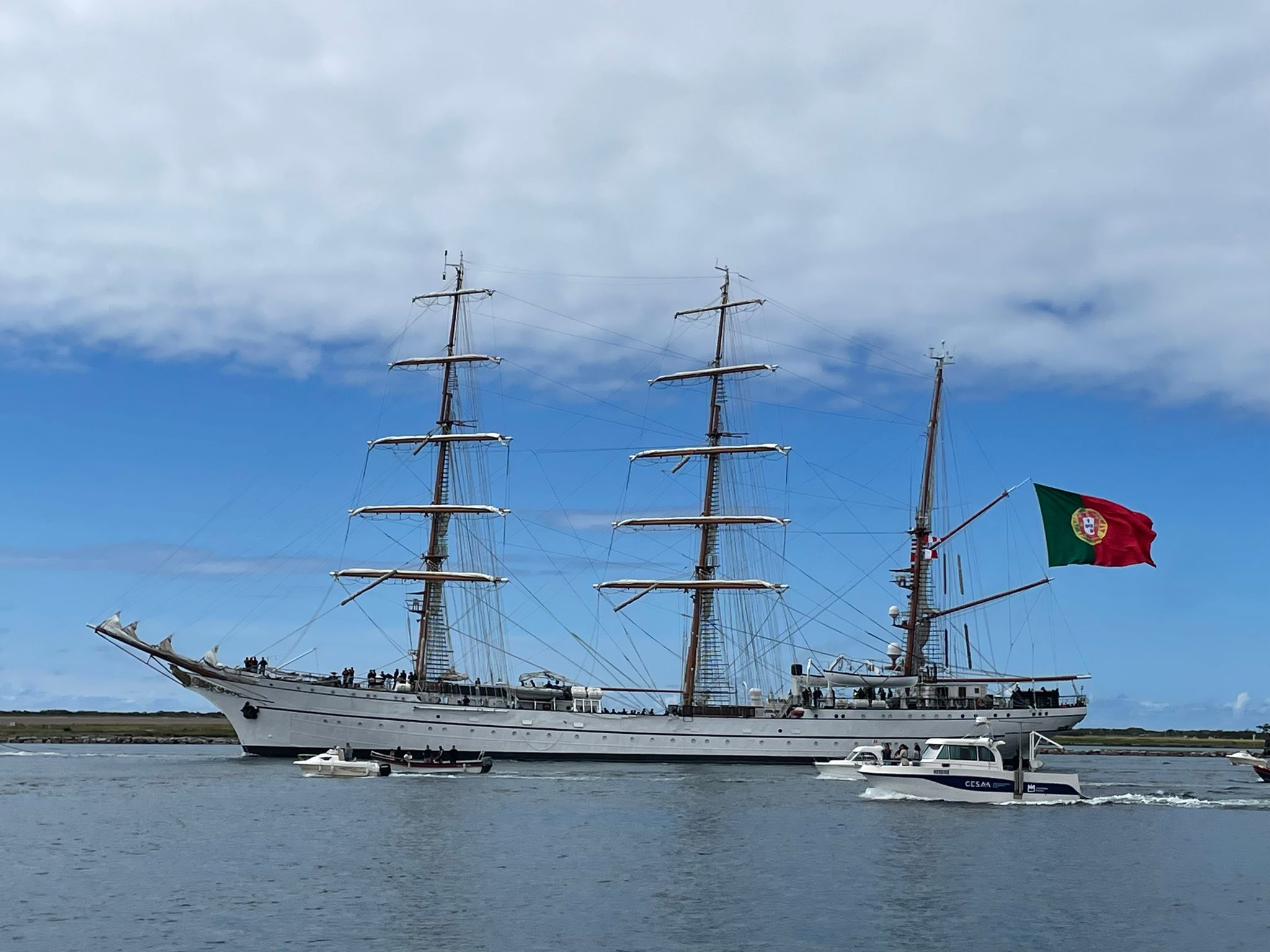
To conclude the celebrations, on 21st May, CESAM’s vessel Nereide accompanied the training ship Sagres from the port of Aveiro, where it was docked as part of the Navy Day celebrations, to its departure to the sea. Onboard were several professors and researchers associated with marine studies, including Luís Menezes Pinheiro, Nuno Vaz (CESAM/DFIS), Clara Rodrigues (CESAM/BIO), Shi Quan Ooi, Catarina Eira (CESAM/DBIO), and Henrique Queiroga (CESAM/DBIO), who joined this event.

Watch the video of the voyage here.

(Text by: CESAM’s Communication, Promotion, and Dissemination Service)

Joaquim Pedro Ferreira, Researcher supporting Science Communication at CESAM (CESAM/UA), was on the Sociedade Civil programme on RTP2 this Wednesday, 22nd May, where the topic discussed was “Sardines.”

The documentary “Sardinha. Uma riqueza natural”, broadcast on RTP1 in 2022, and authored and directed by Joaquim Pedro Ferreira, served as the starting point for the conversation. The programme also discussed the contribution of scientific knowledge to the management of sardine stocks in Iberian waters.

Watch the programme on RTP Play here.

(Texto by: Tânia Barros)

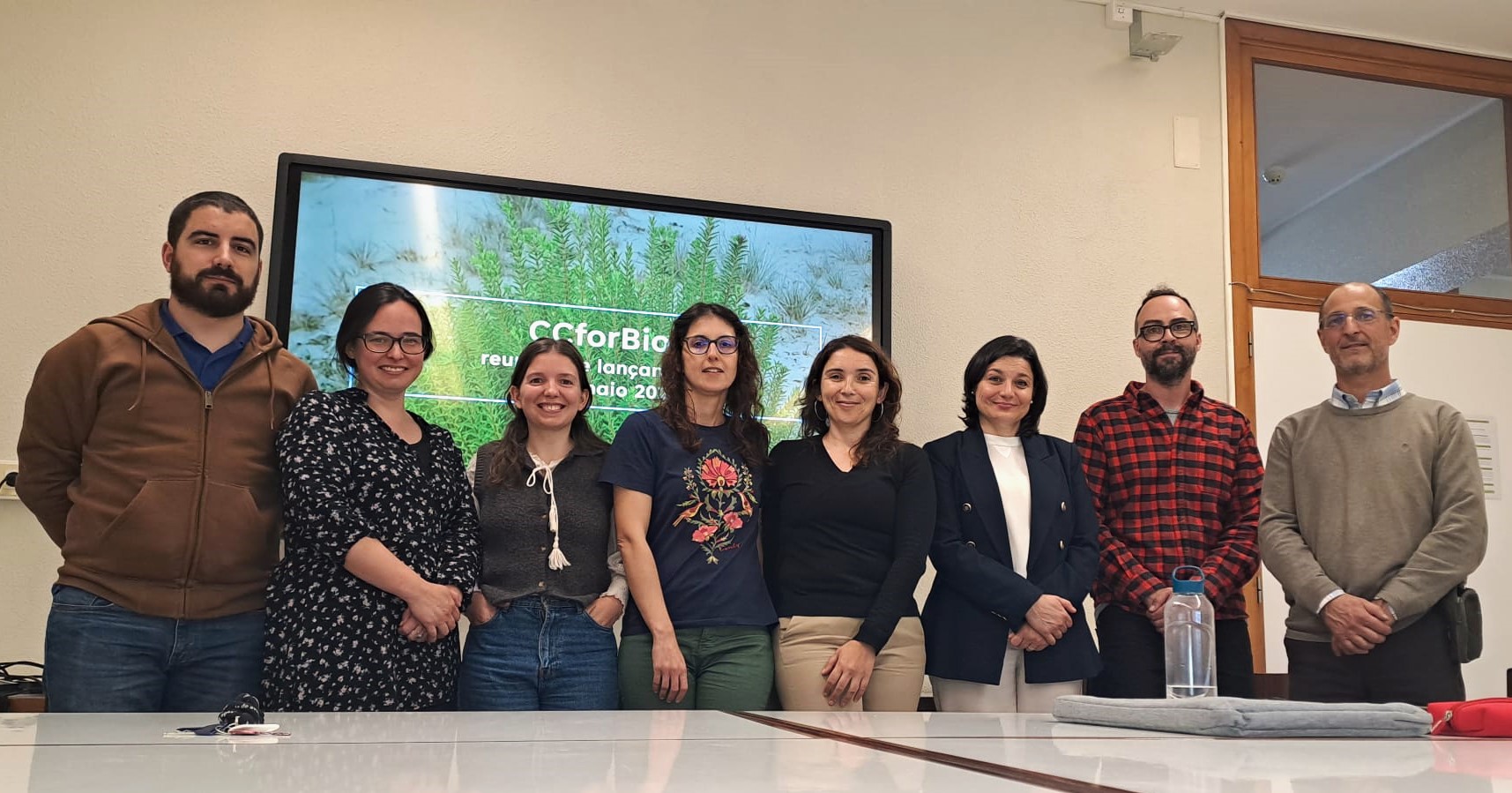
On 21 May, between 1pm and 5pm, the first meeting of the CCFORBIO project – “Conservation corridors in woodlands: A win-win for biodiversity, wood production, and carbon sequestration”, coordinated by researcher Bruna Oliveira (CESAM/DAO), took place. This meeting was attended by the project members (Tiago Silva, Paula Maia, Diana Rodrigues, Bruna Oliveira, Sofia Corticeiro, João Puga and Luís Tarelho – CESAM/DBIO; CESAM/DAO), DAO director Fátima Alves (CESAM/DAO) and Mónica Almeida, Head of the Forest Management Division of the ICNF (Institute for Nature Conservation and Forests) Litoral Centre.

CCFORBIO was honoured with the Belmiro de Azevedo Award 2023, a prize dedicated to the conservation, restoration and monitoring of biodiversity in Portugal. The project aims to support the creation and maintenance of conservation corridors in wood production areas. CCFORBIO seeks to change the perception of forests, highlighting not only their value as a source of wood, but also as places that provide other important ecosystem services, such as providing habitat for native plant and animal species, carbon sequestration and leisure opportunities.

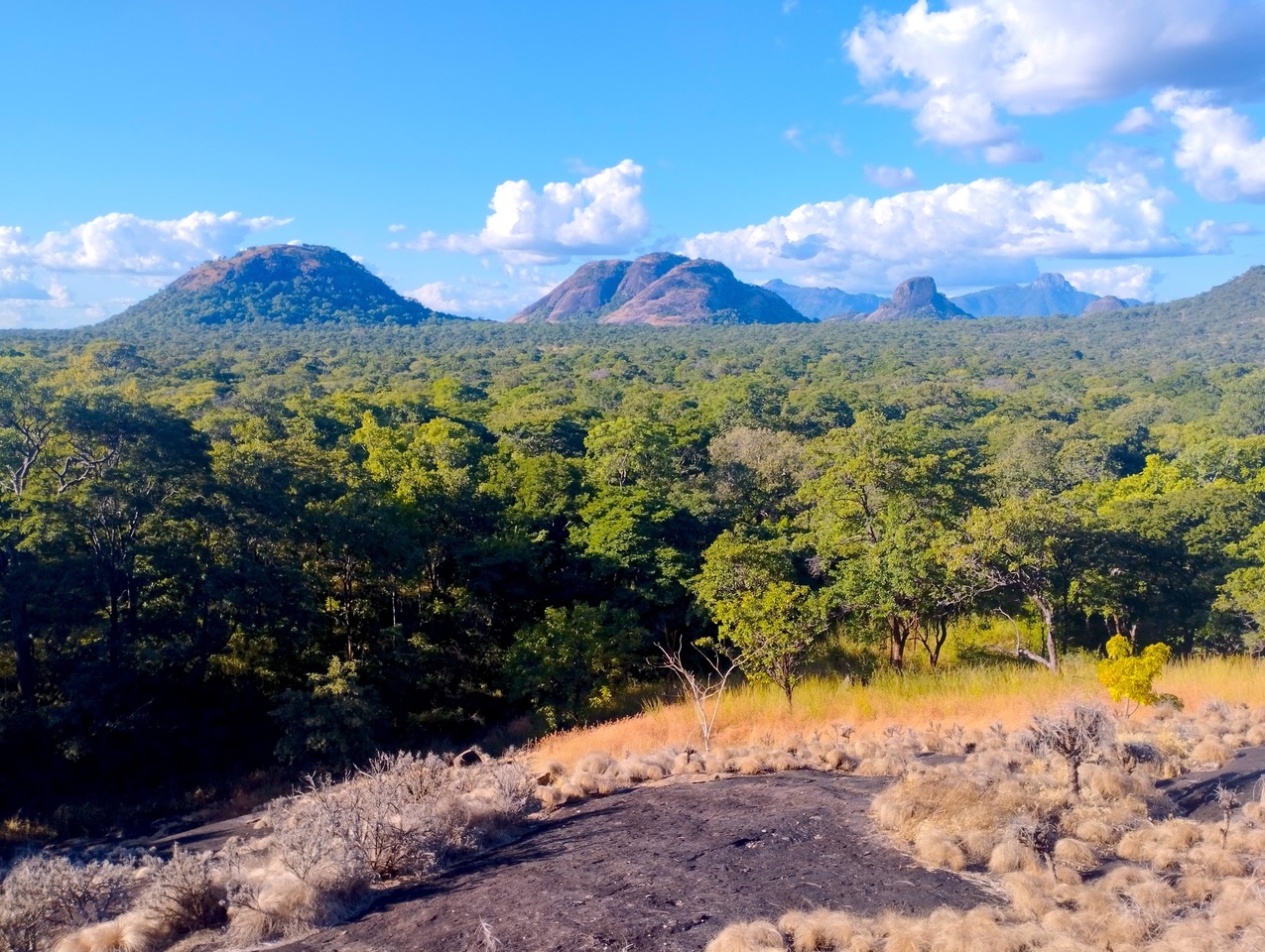
Within the scope of the CAPMOZ project (Capacity building towards the implementation of an EcoHealth framework in Northern Mozambique), funded by the FCT-AKDN programme, researchers Eduardo Ferreira and João Carvalho, from the Wildlife Unit, CESAM / DBIO at the University of Aveiro are on the first mission of the project in Mozambique.

Between the 9th and 13th of May, they visited the Niassa Special Reserve (REN) where they met with the team from REN, the National Administration of Conservation Areas (ANAC) and the Wildlife Conservation Society (WCS) Mozambique (project partner) .

Accompanied by colleagues from REN, they visited the areas of the reserve where research and training tasks will be implemented, together with the other project partners, namely the Pedagogical University of Maputo and the Faculty of Sciences of the University of Lisbon.

During this period, CESAM researchers carried out a survey of the logistical and scientific challenges relating to the implementation of research and training actions, which will involve researchers from different entities and students from Mozambican partners, in what is still one of the most remote and pristine mountains of Mozambique.

During this year, training and research activities will take place in Southern Mozambique, although project activities in the Niassa Special Reserve are expected to take place in 2025.

The REN team also facilitated contact with some of the concessionaires in this conservation area with more than 40 thousand km², making it possible to visit the villages in the Mecula district, where activities will be carried out with the communities.

Over the next few days, researchers from CESAM and UA will be in Maputo, for a series of meetings with the team from the Pedagogical University of Maputo, visiting the facilities of this university and the natural areas where the project will be implemented.

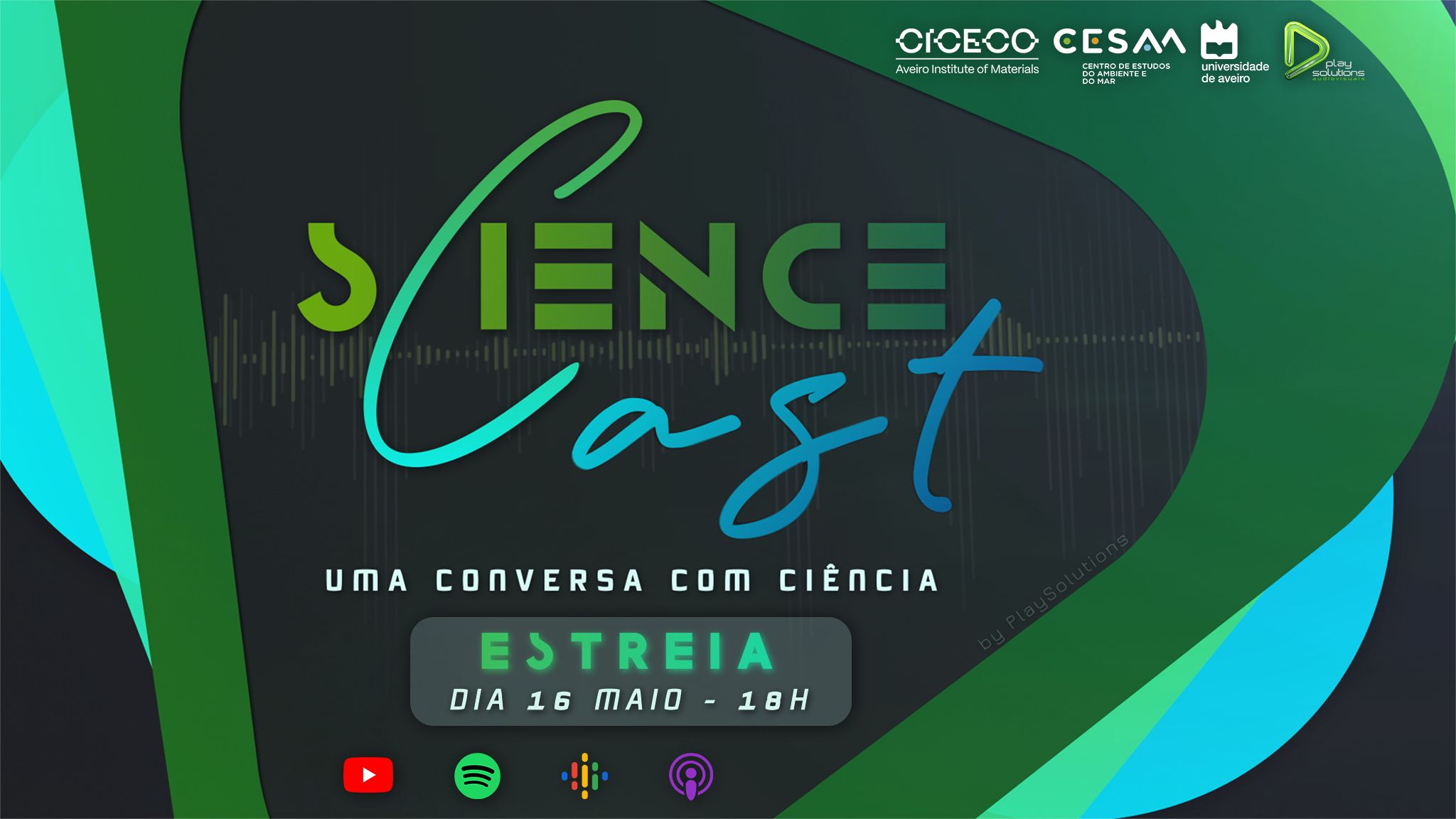
The Center for Environmental and Marine Studies (CESAM) launches a new project for scientific dissemination, called Science Cast, which aims to promote science and Portuguese scientists.

The podcast, which premieres on May 16th, National Scientists’ Day, invites you to discover scientists from various areas of knowledge in informal and in-depth conversations. Science Cast is a collaborative project between CESAM, the Aveiro Institute of Materials (CICECO), both from the University of Aveiro, and PlaySolutions Audiovisuais.

Joaquim Pedro Ferreira (CESAM, CICECO) is one of the authors of this project, together with Pedro Miguel Ferreira (PlaySolutions Audiovisuais), and which features Mónica Ribau (CICECO) as host of this podcast, receiving weekly scientists from the most varied areas of science, for a conversation about their work and discoveries, A Conversation with Science.

The Cooperation between CESAM and CICECO in ​​communication and dissemination is strategic, as both have communication skills in areas such as management and analysis of social networks, science and audiovisual journalism, characteristics, almost unique, in relation to most research units at national level. Per this, cooperation in sharing skills, in ​​communication and dissemination, is of the greatest strategic interest to both research centers, strengthening the CESAM’s communication and dissemination strategy.

The objective of Science Cast is to promote science literacy and provide a space dissemination for researchers from different areas of knowledge. Furthermore, the podcast serves as an example of cooperation between CESAM and society, contributing to the dissemination of science and the Portuguese scientists, from all areas of knowledge.

ScienceCast – A Conversation with Science is available on Spotify and Apple Podcast platforms, and also on the YouTube channel in the video version.

See promotional video here.