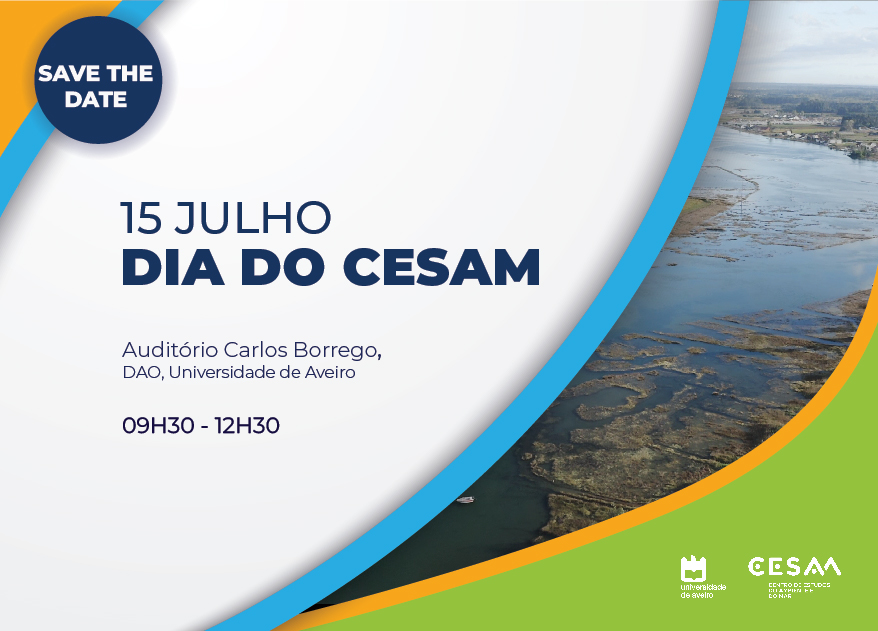
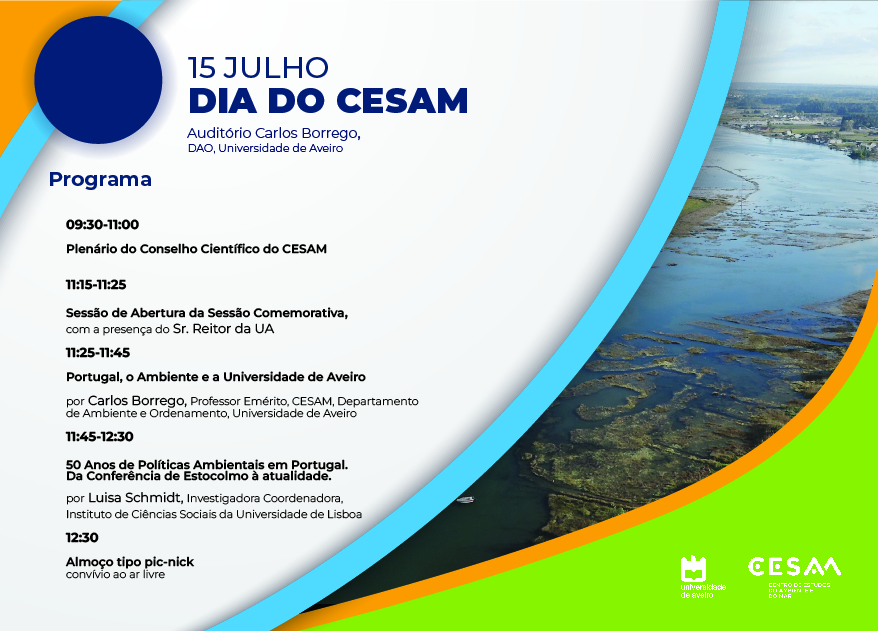
It is next Monday, July 15th, that CESAM Day will be celebrated. A day that serves to take stock of the last year, to prepare for the future and to celebrate another year of CESAM’s existence. A day of celebration and conviviality for the CESAM community. With a program that highlights lectures by Professor Carlos Borrego, Professor Emeritus at the University of Aveiro, CESAM and DAO, and by Luísa Schmidt, Coordinating Researcher at the Institute of Social Sciences at the University of Lisbon.

We also inform you that anyone wishing to purchase the Book – 50 years of Environmental Policies in Portugal by Luísa Schmidt will be able to do so on the day of the event with a discount, courtesy of Edições Afrontamento.

We count on the participation of all members of the CESAM Community to celebrate this day, which includes a friendly lunch.

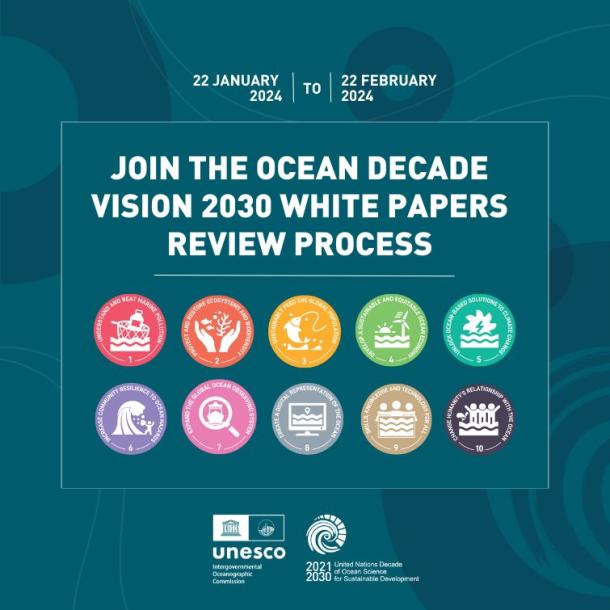
Vision 2030 is a strategic initiative by the Ocean Decade to define success for each of its 10 challenges by 2030. It aims to identify trends, gaps, and user needs, setting key targets and milestones for progress.

The process will determine user needs, essential datasets, gaps in science, and required resources for each challenge. Concrete indicators and methodologies will evaluate the impact and relevance of these challenges over time.

Coordinated by IOC/UNESCO, Vision 2030 is led by 10 expert Working Groups, each focused on a specific challenge. These groups include diverse stakeholders, such as government, NGOs, academia, and local communities, and are led by two expert Co-Chairs.

In June 2024, 10 Vision 2030 White Papers were published, outlining resources, partnerships, and technology solutions needed to achieve these goals by 2030, providing strategic recommendations for a sustainable ocean future:

The key outcome of Vision 2030 will be a series of white papers on the 10 Ocean Decade Challenges, along with a synthesis report that addresses connections between the Challenges. Draft versions will be shared for broad review and input in the coming months. Final drafts will be presented and discussed at the 2024 Ocean Decade Conference in Barcelona during thematic ‘Science Solution Forums,’ offering a global platform for stakeholders to engage, share insights, and collectively advance the implementation of the Challenges.

For more information, please click here.

(Text by: CESAM’s Communication, Promotion and Dissemination Office)

A recent study carried out as part of the European SPRINT project “Transition to more sustainable plant protection”, coordinated at national level by a team from the Centre for Environmental and Marine Studies of Universidade de Aveiro (UAveiro), with researcher Nelson Abrantes at the helm, monitored the presence of pesticide residues and their metabolites in household dust from 128 farmers’ homes in ten European countries and Argentina

Several pesticide residues were found in all the dust samples (ranging from 25 to 121 residues per sample). In Portugal, where the case study was located in the Bairrada region, maximum values of 63 pesticide residues were found in a single sample.

The pesticides most frequently found in dust samples from the 11 countries were glyphosate and its degradation product AMPA, and pyrethroid-based insecticides. It was also observed that the levels and frequency of waste were lower in the homes of farmers practicing organic farming compared to those practicing conventional farming.

It should be noted that some pesticides found in dust are already banned (29 percent). In fact, the dust acts as a deposit for pesticides, both those used today and those used in the past, representing a potential risk of exposure for the inhabitants.

These results raise serious concerns about exposure to pesticides in domestic environments located in agricultural zones and highlight the need for preventive measures and stricter regulations to protect public health.

The study can be seen at https://doi.org/10.1016/j.scitotenv.2023.167797

Original text from https://www.ua.pt/en/noticias/9/86999

The National Science Meeting – Science 24, organized by the Science and Technology Foundation, this year has the theme “+Science for One Health and global well-being” and takes place in Porto, between the 3rd and 6th of July.
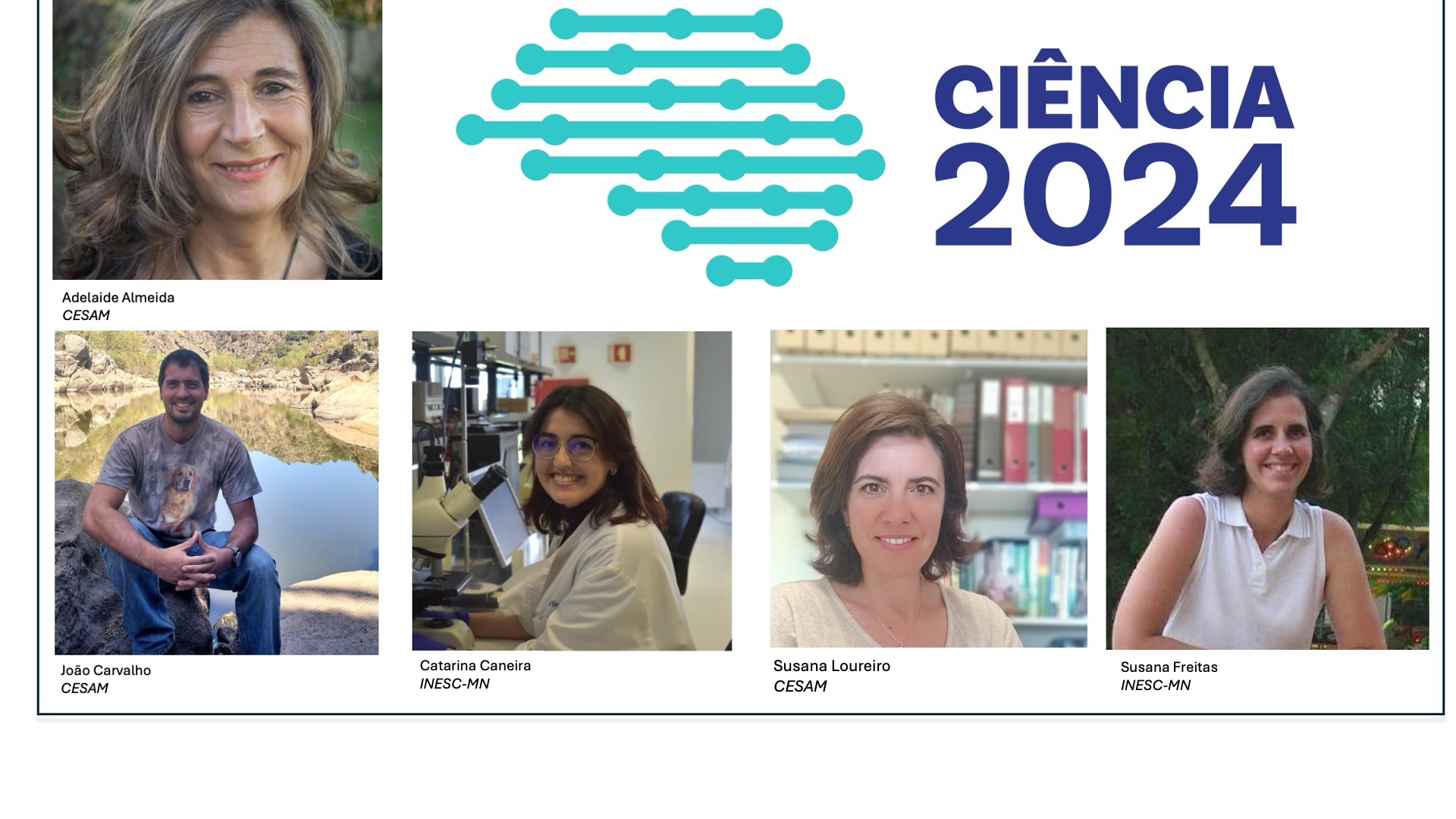
CESAM, in collaboration with the Institute of Systems and Computer Engineering – Microsystems and Nanotechnology (INESC-MN), organized a thematic session on the topic of environmental pollutants and their relationship with the One Health approach.
The session, moderated by Prof. Doctor Adelaide Almeida (CESAM) has four speakers: Catarina Caneira (INESC-MN), João Carvalho (CESAM), Susana Freitas (INESC-MN) and Susana Loureiro (CESAM).
One Health approaches mobilize multiple disciplines and communities to promote well-being and address health threats, while simultaneously addressing the need for sustainable production of safe and nutritious food, clean water and air, and to act on climate change and contributing to sustainable development.
Thus, the most recent developments in analytical methodologies that allow the adequate monitoring of environmental contaminants and pathogens are addressed; conservation and public health perspectives regarding zoonoses in wild animals in Portugal as well as approaches to developing safe and sustainable food for the future in the “Age of Insects”.


(Text by: CESAM’s Communication, Promotion and Dissemination Office)

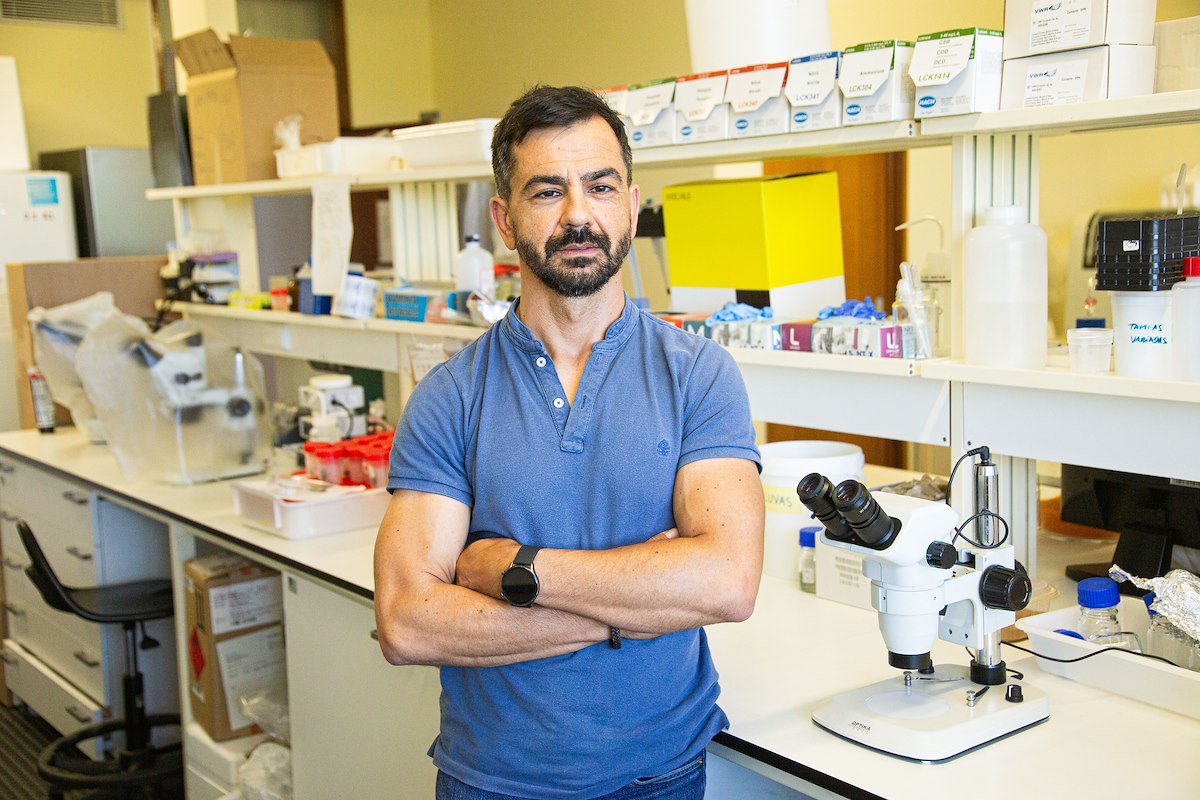
Researchers Bruno Nunes, Principal Investigator and Olga Ameixa, Assistant Researcher, both from CESAM/DBIO and Teresa Rocha-Santos, Principal Investigator from CESAM/DQUI, have been appointed to the management committees of three COST actions: ENVIRANT – Environmental impact of anthelmintics in livestock and alternatives to minimize their use; GIN-TONIC – Group on Insect Nutrition: To Open Nutritional Innovative Challenges; and ICPLASTIC – ISO compatible, efficient and reproducible protocols/equipment for mICro-nanoPLASTIC detection through machine learning, respectively.

These researchers have been involved in the proposals since the application phase and will now take on a more active role: the Management Committee is responsible for the coordination, execution, and management of a COST Action.

The ENVIRANT action aims to advance, consolidate, and disseminate research and knowledge on the environmental occurrence and ecological impact of anthelmintics administered to livestock and propose more sustainable practices and methods to minimize their use in controlling helminth infections. Researcher Bruno Nunes was invited to participate in this action due to his work in the environmental assessment of pharmaceuticals, both human and veterinary, including some antiparasitics like ivermectin. This drug is used as an antiparasitic in animals and has been studied by Bruno Nunes through the supervision of theses and publication of studies.

The GIN-TONIC action seeks to address a current gap in the insect production industry: although the number of studies on insect nutrition has grown exponentially, the fundamental knowledge required about nutritional requirements remains deficient and, more importantly, fragmented. This project aims to create a platform where this knowledge from academic and industrial partners is grouped, synthesized, and made available. The action aims to act as a link between applied and fundamental research, promoting collective knowledge and fostering business opportunities. Researcher Olga Ameixa was invited to participate in this action due to her experience and publications in the fields of insect nutrition, physiology, feeding behavior, and the utilization of by-products from various agri-food industries for insect feeding.

The ICPLASTIC action aims to develop methodologies and equipment for sampling, sample preparation, and analysis of micro(nano)plastics to support ISO methods and water quality legislation, also contributing to toxicological/environmental studies to fill knowledge gaps in risk analysis/occurrence. Researcher Teresa Rocha-Santos was invited to participate in this action due to her experience and publications in the field of environmental analytical chemistry.

A COST Action funds transnational collaboration activities in a bottom-up, open-access network system for researchers in all scientific and technological domains for four years. COST Actions typically include researchers (with an emphasis on young researchers) from academia, SMEs, public institutions, and other relevant organizations and/or stakeholders. COST Actions provide an inclusive, pan-European environment where individuals at all levels of experience can develop their professional research network, boost their careers, and increase the impact of their research.

(Text by: CESAM’s Communication, Promotion and Dissemination Office)
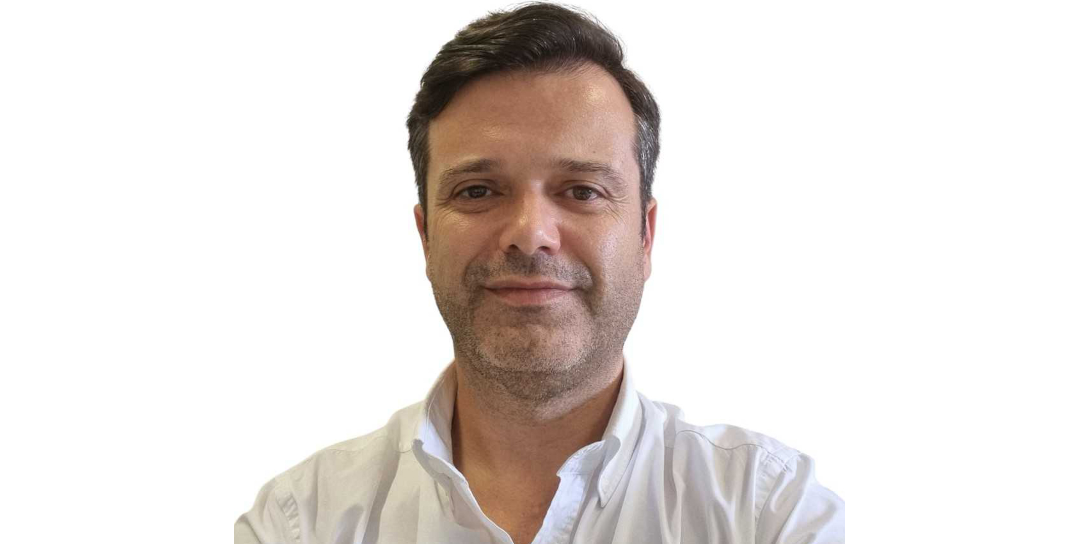
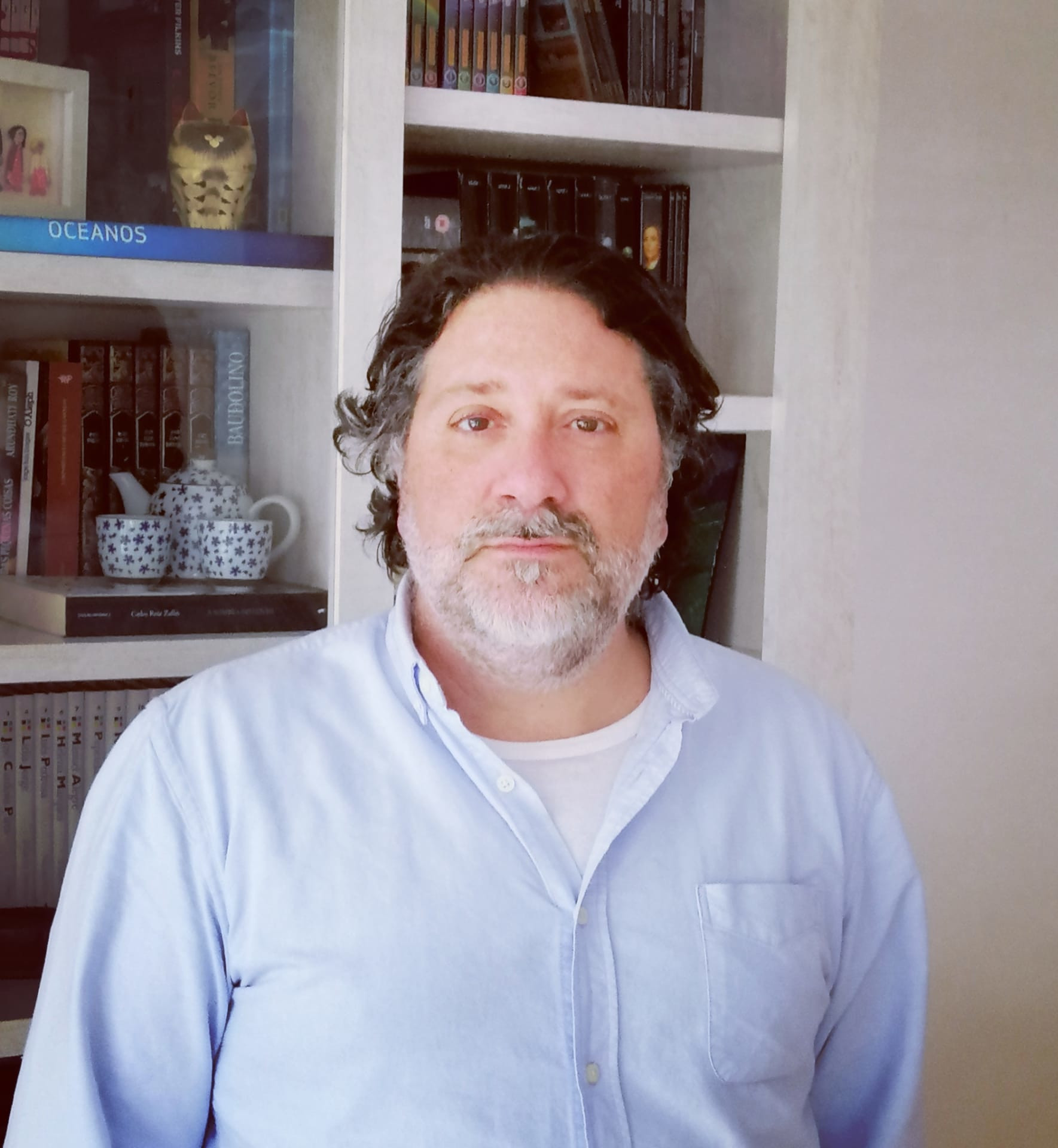
Ricardo Calado, coordinating researcher at CESAM/DBio, has been elected President of the Supervisory Board of the Order of Biologists. The researcher from the University of Aveiro joins this body as a non-member of this professional association, affiliated with a higher education institution that academically qualifies for access to the profession organised by the Order of Biologists. This body is independent in the exercise of its functions, ensures the legality of the activities carried out by the association’s bodies, and exercises control powers, particularly in matters of regulating the practice of the profession. Without prejudice to other competencies established by law, this body is responsible for regularly monitoring the training activities of the Order of Biologists and supervising the legality and statutory and regulatory compliance of the activities carried out by the bodies of this same Order. The Supervisory Board of the Order of Biologists is also responsible for proposing the appointment of the Ombudsman for Service Recipients. Ricardo Calado states that “it is an honour and a great responsibility to preside over such a relevant body in the functioning of the Order of Biologists.” This will be the first time that the Supervisory Board of the Order of Biologists will take office, thus complying with Law no. 12/2023 of 28 March 2023, which amended the legal regime for the constitution and functioning of professional societies subject to public professional associations.


(Text by: CESAM’s Communication, Promotion and Dissemination Office)
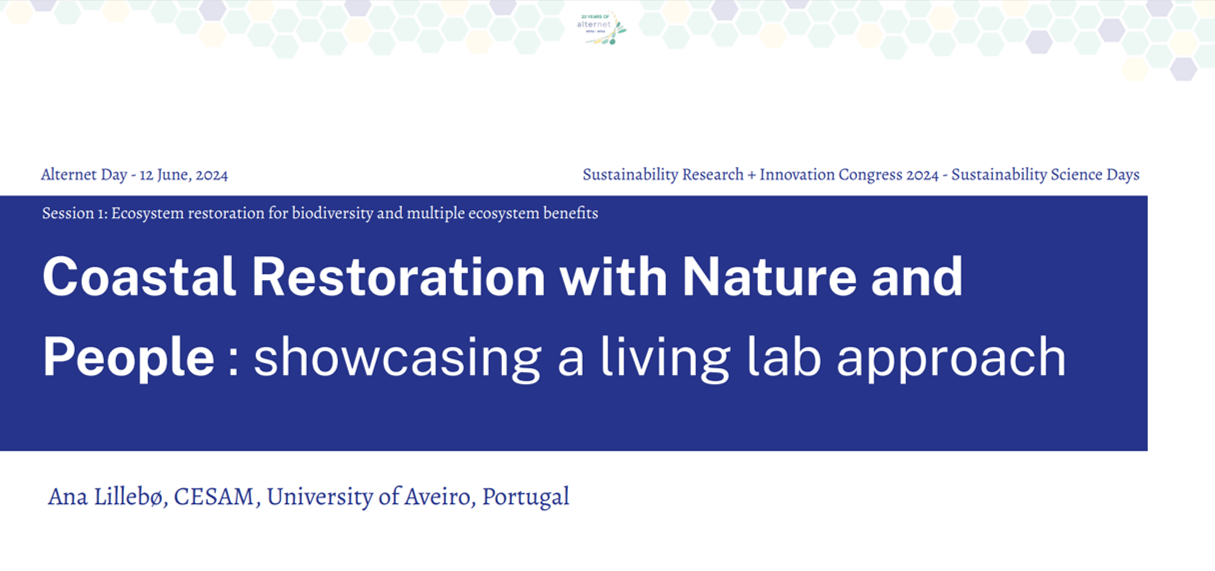
On June 12, as an integral part of the Sustainability Research & Innovation Congress (SRI), Alternet Day took place in Helsinki, Finland. The SRI congress brought together global leaders in research, policymakers, and stakeholders, fostering collaboration among various entities to drive advancements towards sustainability. Alternet, which connects researchers from 21 European countries, promoted the science-policy interface on biodiversity and ecosystem services.

The central theme of this event was nature restoration, featuring three distinct sessions: Science-policy interface to support nature restoration (Session 1), Ecosystem restoration for biodiversity and multiple ecosystem benefits (Session 2), and Governance of nature restoration (Session 3). Session 2 included a keynote by the researcher Doctor Ana Lillebø (CESAM/DBIO), Vice-Chair of Alternet, titled “Coastal Restoration with Nature and People: showcasing a living lab approach”.

To access Ana Lillebø’s presentation and others, please click here.

(Text by: CESAM’s Communication, Promotion and Dissemination Office)
The Marie Skłodowska-Curie Actions – Staff Exchanges aim to promote the transfer of knowledge, advanced training and capacity building of human resources from universities and companies, through intersectoral, interdisciplinary and international secondments of staff involved in research activities to test new ideas and develop new products.
In the last competition, Portuguese institutions raised 3.3 million euros, which corresponds to a total of 5 projects and 4.16% of the funding to be allocated. 79 projects were selected for financing, one of which was coordinated by researcher Roberto Martins (CESAM/DBIO). The project is entitled “SAFERCOAT – A multidisciplinary and circular approach for the development of innovative, safe and (bio)degradable multifunctional coatings” and has a strong component of research, exchange and knowledge transfer. At the University of Aveiro (UA), the multidisciplinary team is made up of researchers from CESAM, CICECO, I3N, and TEMA and five departments, namely DBio, DEMAC, DFis, DAO and DEM. SAFERCOAT aims to promote personnel mobility and knowledge sharing to develop ecological polymer coating formulations with improved biodegradability for aeronautical, maritime and cultural applications, and to revalue waste at the end of the paint life cycle to develop new ecological and high added value.
This scientific effort will rely on the synergy of specialized training and intersectoral and interdisciplinary mobility between 6 universities (UA, Universidad de Santiago de Compostela, Univerzita Pardubice, Politécnico de Torino, Dublin City University and Universidad Nacional de la Plata) and 4 industrial partners (Smallmatek , Synpo, Colorlak and Leda Polymer) to promote the growth, transfer, dissemination and exploitation of knowledge in the field of biodegradable coatings.
The SAFERCOAT project had an overall evaluation of 96.2% out of 100%, registering the second best evaluation in the Chemistry panel and being, globally, among the top 10 out of a total of 233 proposals submitted.

(Text by: CESAM Communication, Promotion and Dissemination Office)
This month, the first issue of the InsectERA Mobilizing Agenda magazine was launched. Issue No. 1 of the magazine includes details about InsectERA, news, events, articles, products, projects, and services within the scope of the project. InsectERA is a Mobilizing Agenda coordinated by Ingredient Odissey, S.A., in which the University of Aveiro is a partner, with researchers from CESAM, CICECO, and GOVCOPP. It aims to foster the circular economy and leverage the development of new products, processes, and services based on R&D and innovation, enabling the challenge of the green transition for environmental sustainability. It is based on four vertical pillars: InFood: use of insects in food products; InFeed: use of insects in sustainable animal feed; InIndustry: use of insect-derived products for industry; InBioremediation: use of insects as a bioremediation tool.

You can download the first issue of the magazine here.

(Text by: CESAM’s Communication, Promotion and Dissemination Office)
The Order of Pharmacists (OF) created a new Working Group dedicated to the impact of medicines on the environment. The Order intends to lead the discussion on the contribution of pharmacists to environmental management, to promote good practices and sustainable pharmaceutical services.

Having been in existence for a year, this working group includes researcher Bruno Nunes (CESAM/DBIO), in the field of Environmental Toxicology. The group includes a total of seven pharmaceutical researchers from different organizations and recognized experience in the area.  Since then, the working group has been building a new framework on the contribution of pharmacists to environmental sustainability.

(Original text: here; Adapted by: CESAM Communication, Promotion and Dissemination Office)