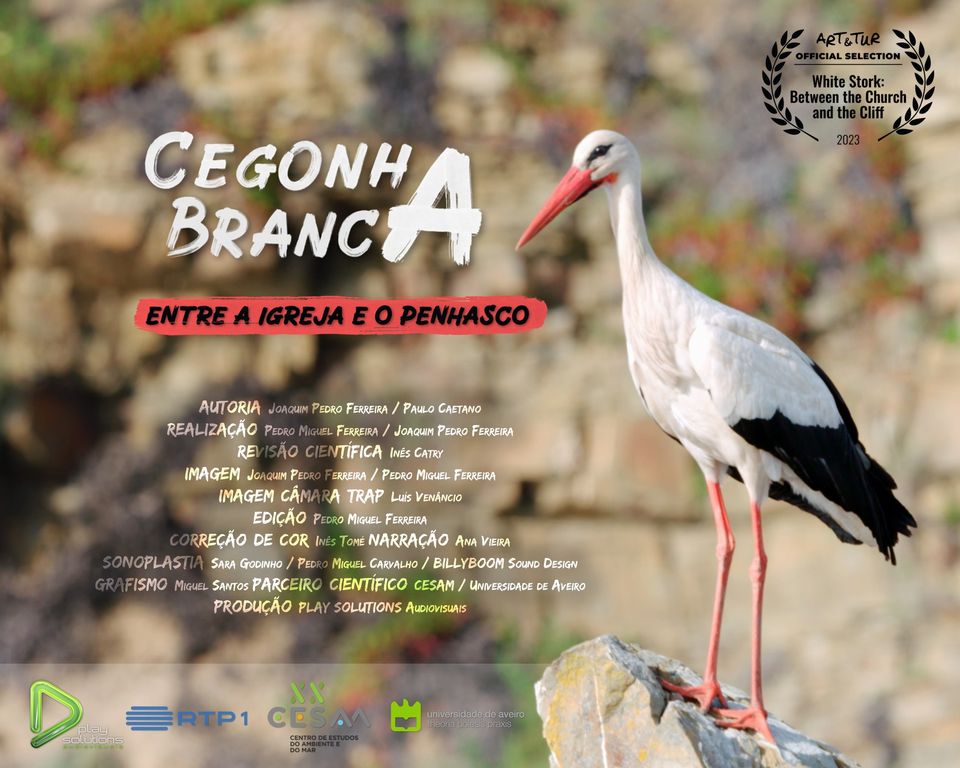
Premiering on RTP1, on November 20th at 23:00, is the documentary produced by Play Solutions – Audiovisuais in collaboration with CESAM, which reveals the life cycle of one of Portugal’s most emblematic birds: the white stork.

With a special focus on a natural rarity found only in Portugal, in the Costa Vicentina: the world’s only colony where the white stork nests on sea cliffs. The documentary follows the breeding season of storks in various locations in Portugal, with nests on highway signs, condominiums with over 50 nests on a single high-voltage power pole in the Mondego Valley region. Additionally, it captures the gatherings of thousands of storks at landfills, which serve as an endless source of food for the birds.

“White Stork: Between the Church and the Cliff” was awarded the Best Documentary in Environment & Ecology at the sixteenth edition of the ART & TUR – International Tourism Film Festival, held in the city of Caldas da Rainha from October 24th to 27th.

Don’t miss its premiere on national television!

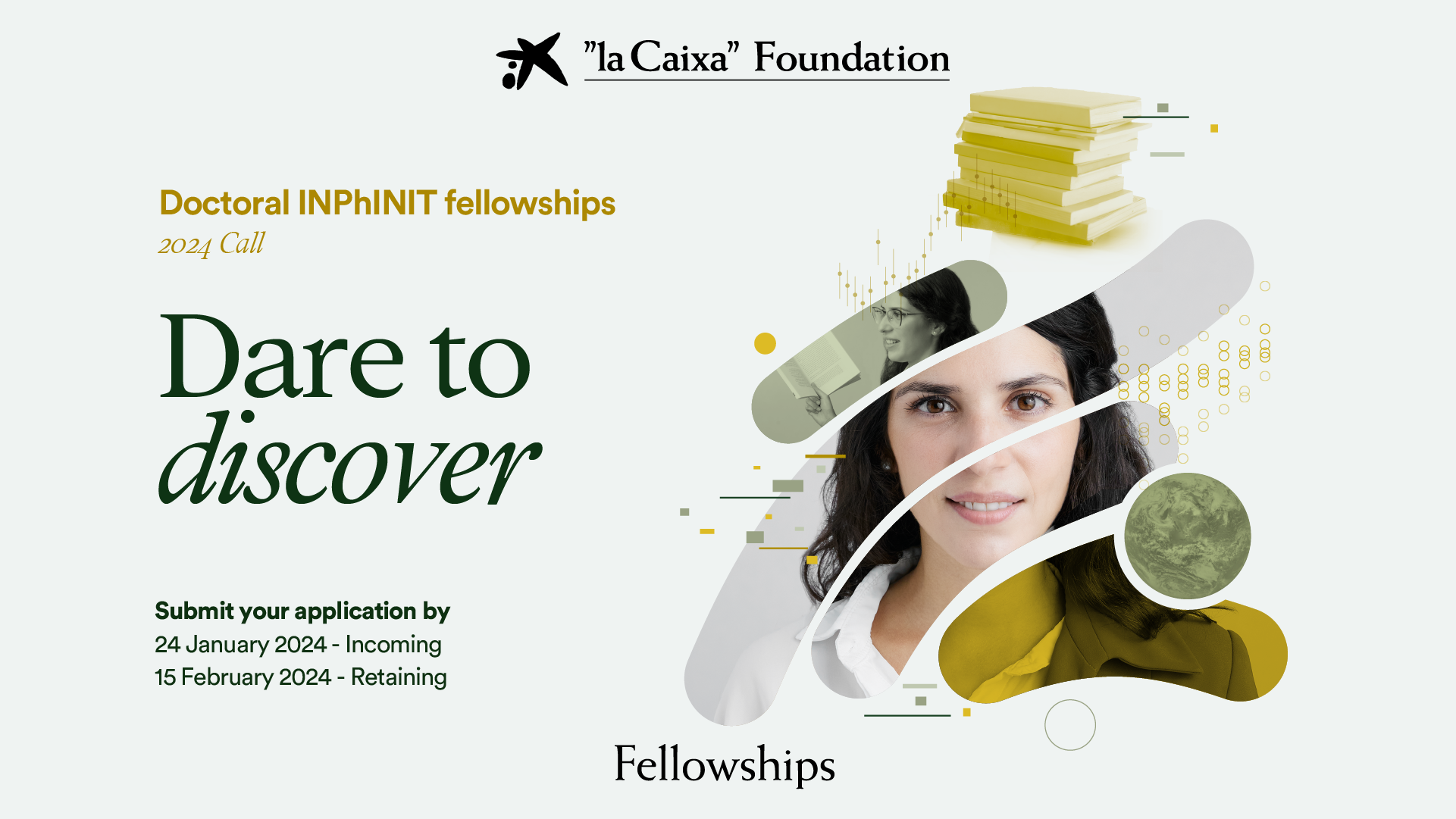
The Doctoral INPhINIT fellowships programme, funded by the “La Caixa” Foundation, supports talent and promotes research at the best universities and research centres in Spain and Portugal. CESAM, an associated laboratory of the University of Aveiro, is one of the host institutions of the INPhINIT Incoming Doctoral fellowships in Portugal.

To apply to Doctoral INPhINIT fellowships with CESAM projects, candidates must not have resided or carried out their main activity (work, studies, etc.) in Portugal for more than twelve months in the three years immediately preceding the closing date of the call. Candidates must also have an advanced level of English (B2 or higher).

The projects for CESAM doctoral projects are presented below:

In total, 30 doctoral scholarships will be awarded to early career researchers of any nationality who fulfil the above mobility requirement. The doctoral scholarships have a maximum duration of four years and include an on-site training programme in multidisciplinary skills. The call deadline is 24 January 2024, at 13:00 (Lisbon time).

All information regarding the details of this fellowship, the application and the selection process may be found here.

Access to the “la Caixa” Foundation’s scholarship application platform here.

Image credits: Ordem dos Farmacêuticos (Secção Regional do Centro)

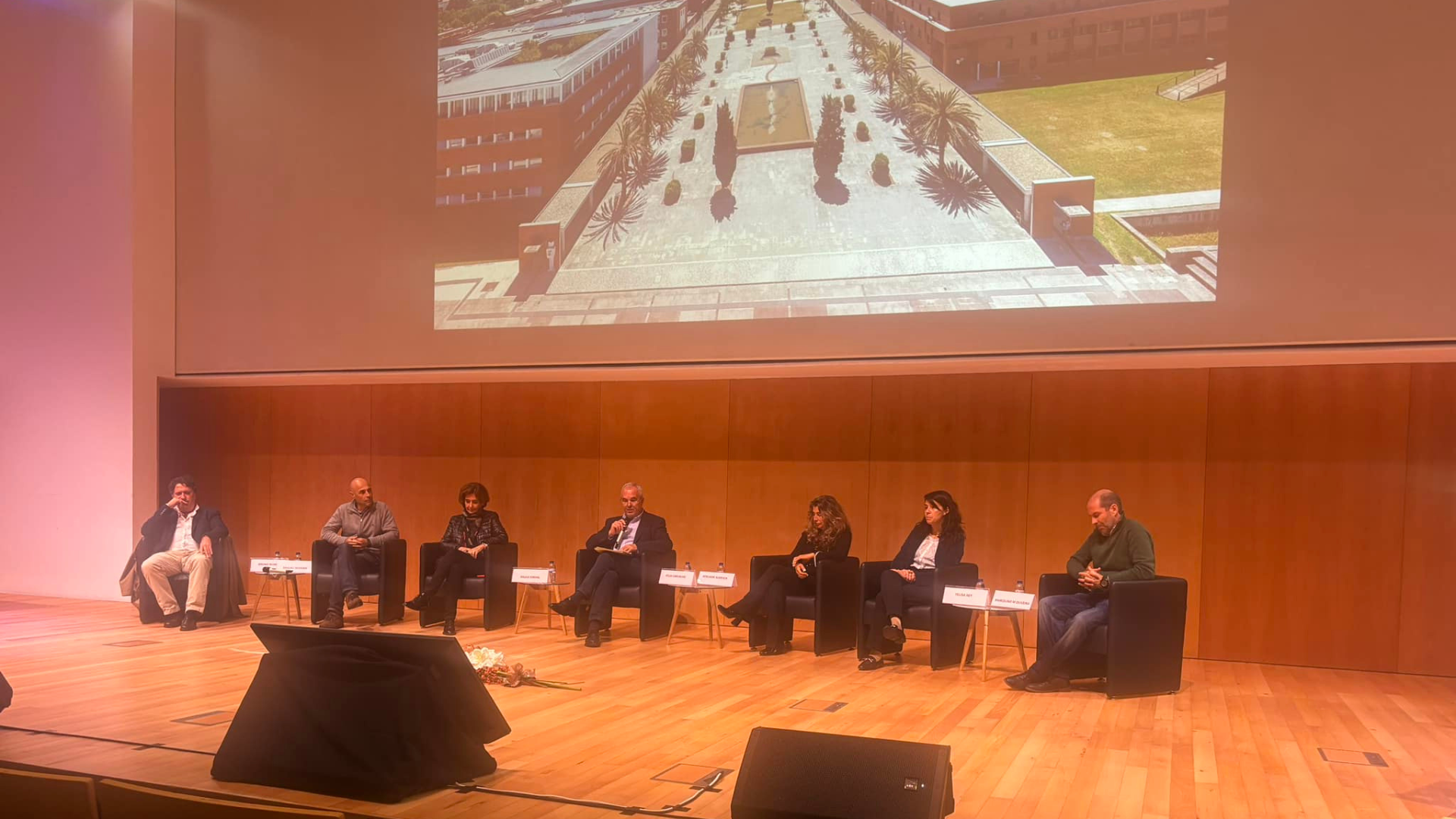
Last Friday, November 10th, the “Remédios n(d)o Mar” Conference took place, the result of a collaboration between the Order of Pharmacists (Regional Section of the Center) and CESAM. This initiative represented another contribution to disseminate the discussion around one of the United Nations Sustainable Development Goals – “Life Below Water.”

The opening session of the event had the presence of Dr. Anabela Mascarenhas, President of the Regional Board of the Order of Pharmacists in the Center, and Professor Dr. Artur Silva, Vice-Rector of the University of Aveiro. After the opening, Bruno Nunes, CESAM/DBio researcher, delivered the first afternoon lecture titled “Ecotoxicological Effects of Pharmaceutical Substances – Occurrence, Fate, and Toxicological Issues in Environmentally Exposed Organisms.” The researcher, involved in organizing this event, points out that the presence of pharmaceuticals in the environment is now an indisputable reality, and many of these substances have the ability to alter physiological, biochemical, and metabolic parameters, even at the low concentrations found in the aquatic ecosystem, in multiple species. It is therefore urgent to adopt measures for monitoring, quantifying effects, and preventing the entry of these substances into the aquatic environment, with the pharmacist’s intervention being critical to raise awareness among the population about the environmental risks arising from improper disposal of medications.

Felisa Rey, in collaboration with Rosário Domingues, both CESAM/DQua researchers, followed with the presentation on “Marine Organisms as a Source of Bioactive Lipids: Origin, Benefits, and Biotechnological Applications.”

Finally, the round table, moderated by Professor Dr. Félix Carvalho, Professor at FFUP and President of the Northern Regional Section of the Order of Pharmacists, provided the opportunity to broaden the discussion among experts investigating in various areas, all with the ocean as a common foundation. In addition to addressing various concerns related to ocean contamination, including microplastics, drug residues, or phosphates, several research lines were presented that offer hope to reverse the destruction affecting one of our most vital natural resources, the ocean.

Contributing to this debate were Adelaide Almeida, Bruno Nunes, Felisa Rey, and Marcelino Miguel Oliveira, CESAM researchers, as well as Miguel Santos from the Faculty of Sciences of UP and researcher at CIMAR, and Paula Sobral from the Faculty of Sciences and Technology of UNL and researcher at MARE.

In addition to intellectual and scientific exchange, the event marked the inauguration of a photographic exhibition by Nuno Gonçalves, a pharmacist with a profound passion for underwater photography. Gonçalves recently won the title of “Underwater Photography Champion” at the 19th World Underwater Photography Championship, held in Cuba from October 9th to 14th, 2023.

The exhibition will be in the atrium of the Renato Araújo Auditorium at the University of Aveiro until November 17th. Don’t miss it!

The Funplant Lab, from CESAM and the Department of Biology at UA, in partnership with the company Sociedade Agrícola e Pecuária Melo e Cancela, developed the UrgentPine2.0 project. The goal of this project is to find solutions for the sustainable production of forest plants.

The work under this project was initially carried out in forest nurseries in Anadia and later in the laboratories of the University of Aveiro. It lasted for 11 months and was financed by CENTRO 2020.

Our forest faces constant threats, such as increasingly frequent fires and diseases. In this context, there is growing pressure on nursery workers to increase plant production and meet ongoing reforestation projects. On the other hand, there are limitations in agrochemical products approved for nurseries that enable the required production rate. The aim of this project was to help nursery workers find alternative, scientifically based, and environmentally friendly solutions that enhance the quality and resilience of the plants produced.

Based on the knowledge gained over the past few years, the project members identified two strategies to test: firstly, biological strategies, including bacterial consortia, a current theme with promising results; secondly, commercial formulations, some containing natural extracts rarely used in nurseries.

Initially, in nurseries in Anadia, 4000 seeds of maritime pine and radiata pine were planted with different treatments (biological and commercial products). Germination, phytosanitary status, and plant development were monitored. The substrate, a crucial component in the production of quality plants, was monitored to assess the dynamics of the bacterial community. In the laboratory, the applied strategies were validated, assessing their role in essential functions for growth (chlorophyll content) and plant defense (phenol content).

In a second phase, the plants were transferred to the University of Aveiro. Under biosafety conditions, they were artificially inoculated with a fungus causing disease, Fusarium circinatum. This trial aimed to assess the plants’ resistance to agents causing pine resin canker disease, an emerging disease threatening conifers across Europe.

This proof-of-concept project allows the testing of products/concepts developed and previously tested only in the laboratory under real plant production conditions (Nurseries). This represents a significant advancement to operationalize the idea, bringing academia closer to companies.

About the project results:

The project identified a set of bacteria capable of promoting pine tree development in nurseries. Thus, this project contributed to the study of more sustainable production alternatives, environmentally friendly, using fewer agrochemicals. The UrgentPine2 project responds not only to the need to produce more plants, a requirement of ongoing national and international reforestation programs but also to the need for plants more adapted to challenges related to global changes, contributing to a more resilient forest.

About Sociedade Agrícola e Pecuária Melo & Cancela, LDA:

This company specializes in the production and commercialization of forest species, with over two decades of experience and an area of approximately 10 hectares at its headquarters and production unit and 2 hectares at its commercial unit. It is a reference company in the CENTRO region in the field of plant production, characterized by the quality of its infrastructure and technical and human resources. Sociedade Agrícola e Pecuária Melo & Cancela, LDA received the SME Excellence Award in 2019 and 2021.

Watch the project video here: URGENT PINE 2.0 on Vimeo

Text by: Frederico Leitão in collaboration with CESAM
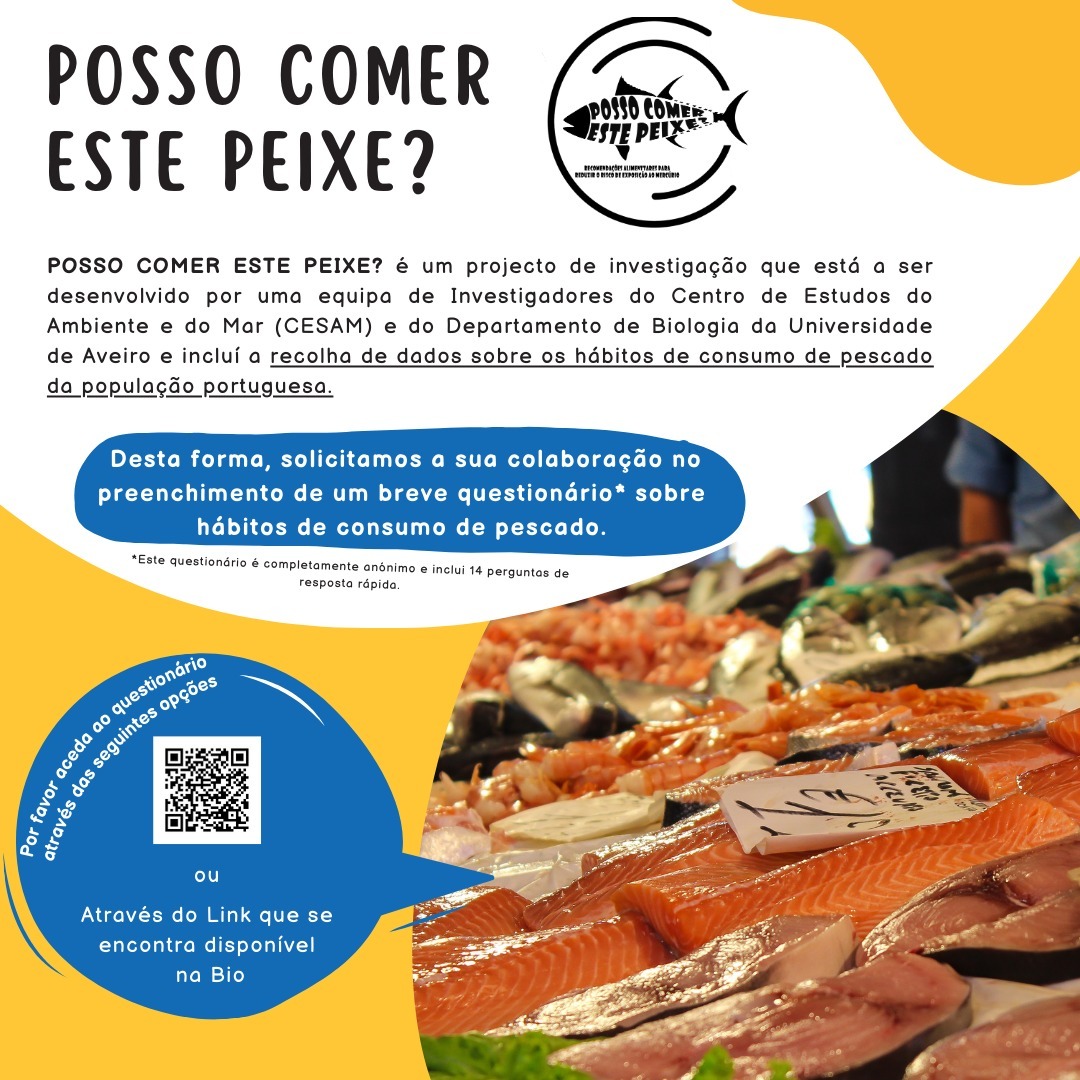
The CESAM project “Posso Comer Este Peixe” is collecting data on the fish consumption habits of the Portuguese population through an anonymous questionnaire consisting of 14 quick-response questions.

If you’d like to participate, access the survey here.

The researcher Johannes W. Gössling (CESAM/DBio) will be at the Berlin Science Week to discuss the topics “From Order to Disorder and Back – Featuring ICARUS Performance” and “Diatom Scouting.”

Every year, between November 1st and 10th, Berlin becomes a center for celebrating scientific excellence, knowledge, and discovery, promoting innovative exchange. This year, more than 500 speakers, over 150 organizations, and approximately 20,000 people gathered during the ten days of the festival.

The festival combines in-person formats in Berlin with online and hybrid events.

Learn more here: https://berlinscienceweek.com/

Susana Loureiro, a researcher from CESAM/DBio, spoke yesterday, on November 1st, on the “90 segundos com ciência” program on Antena 1. She discussed the PARC project, which aims to monitor and study the impact of different chemical substances on the environment and human health.

You can listen to the researcher’s participation and learn more here: 90 Segundos de Ciência Episódio 188 – de 01 nov 2023 – RTP Play – RTP

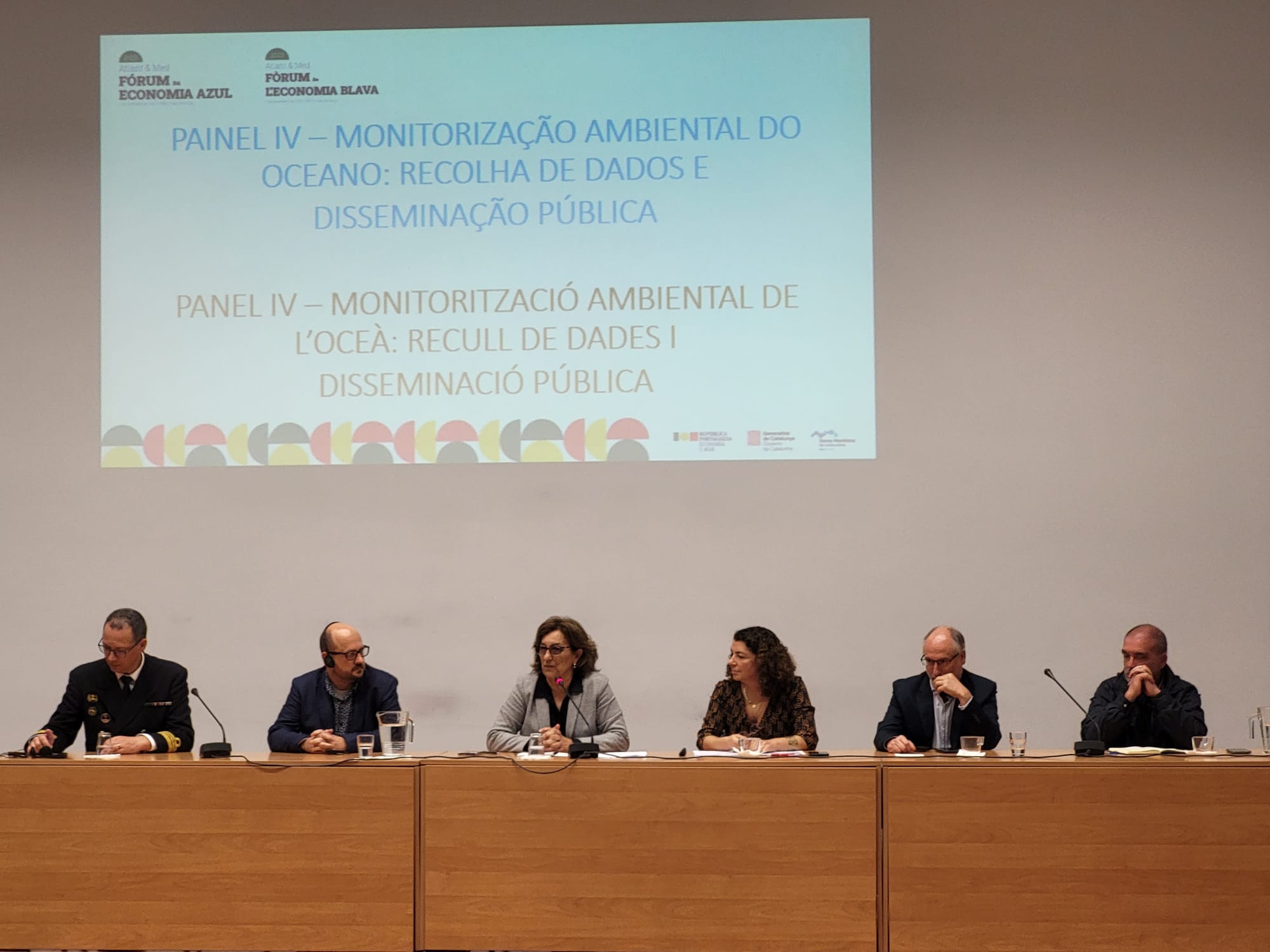
Today, on November 2nd, the Atlant & Med – Blue Economy Forum 2023 is taking place at the Escola Superior Náutica Infante D. Henrique in Oeiras. Fátima Alves, a researcher from CESAM/DAO, along with José Maria Costa, Secretary of State for the Sea, and various other distinguished guests, is attending this event as the moderator for panel IV, titled “Ocean Environmental Monitoring: Data Collection and Public Dissemination.”

The Atlant & Med – Blue Economy Forum 2023 aims to share perspectives and experiences of models at the level of public policies, ongoing programs, and projects developed by entities involved in the development of the blue economy. It also seeks to exchange experiences in the field of the blue economy, especially regarding the transfer of scientific, technological, and innovative research to businesses.

This event aims to promote dialogue among relevant partners for the development of a transformative blue economy, identifying synergies, sharing best practices, and fostering interaction between public and private entities in the sector. To achieve this goal, it will involve the participation of various entities, aiming to enhance interaction and strengthen networks between Portuguese and Catalan companies and institutions. The purpose is to promote economic and institutional relationships in the field of the blue economy.

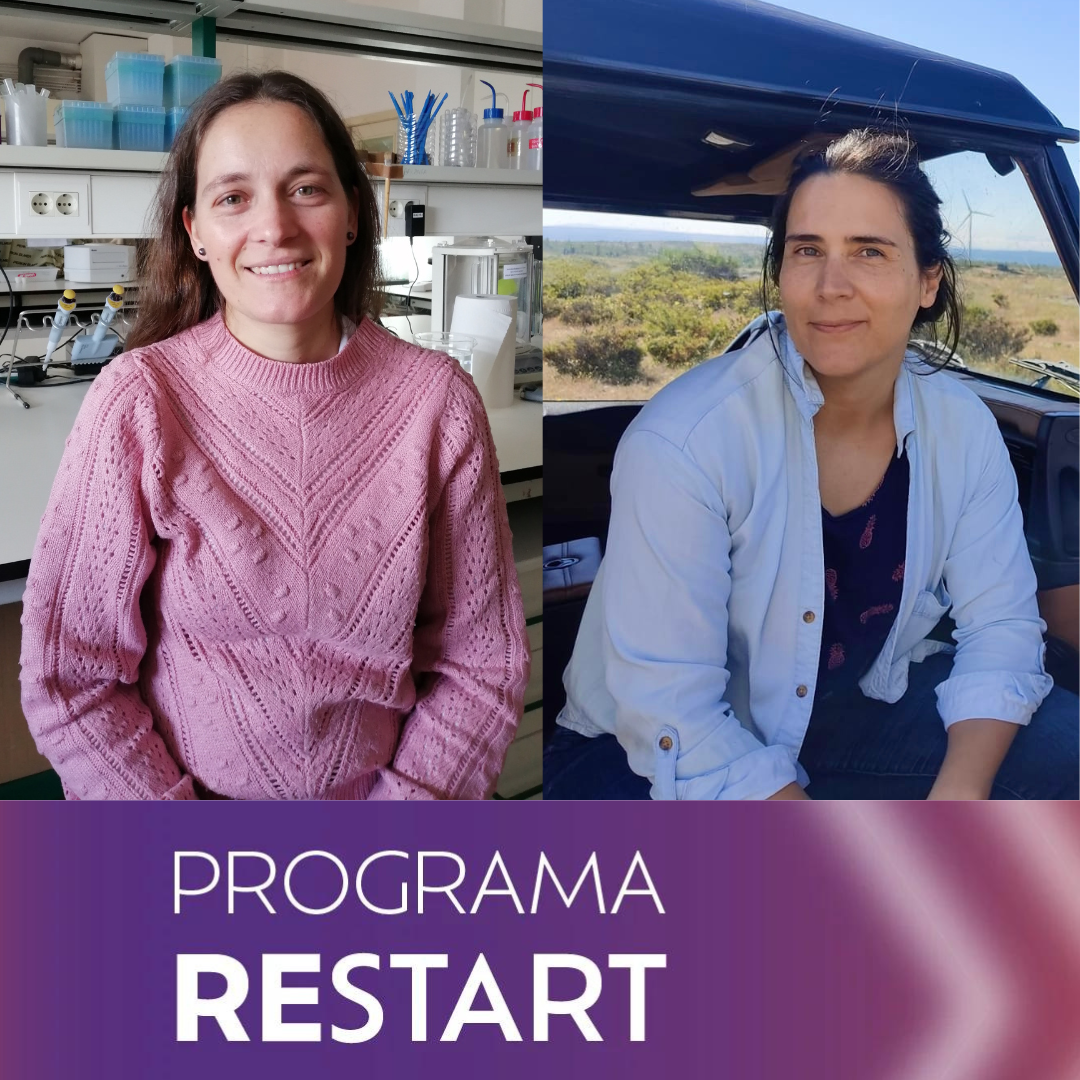
Adília Pires and Rita Torres, researchers from CESAM/DBio, secured funding from the 1st edition of the RESTART program by the Foundation for Science and Technology (FCT). The FCT announced the definitive results of the RESTART program in October of this year. In this inaugural competition, 143 applications were evaluated, and 31 projects were approved for funding, resulting in a success rate of 22%.

The program has a total funding of €1,511,708.00 allocated to R&D projects in all scientific areas. RESTART aims to empower a competitive return to research activities in new circumstances, providing support to researchers in promoting and developing original and innovative research ideas, particularly those who have recently benefited from parental leave.

Learn more about this program here: Programa RESTART – FCT

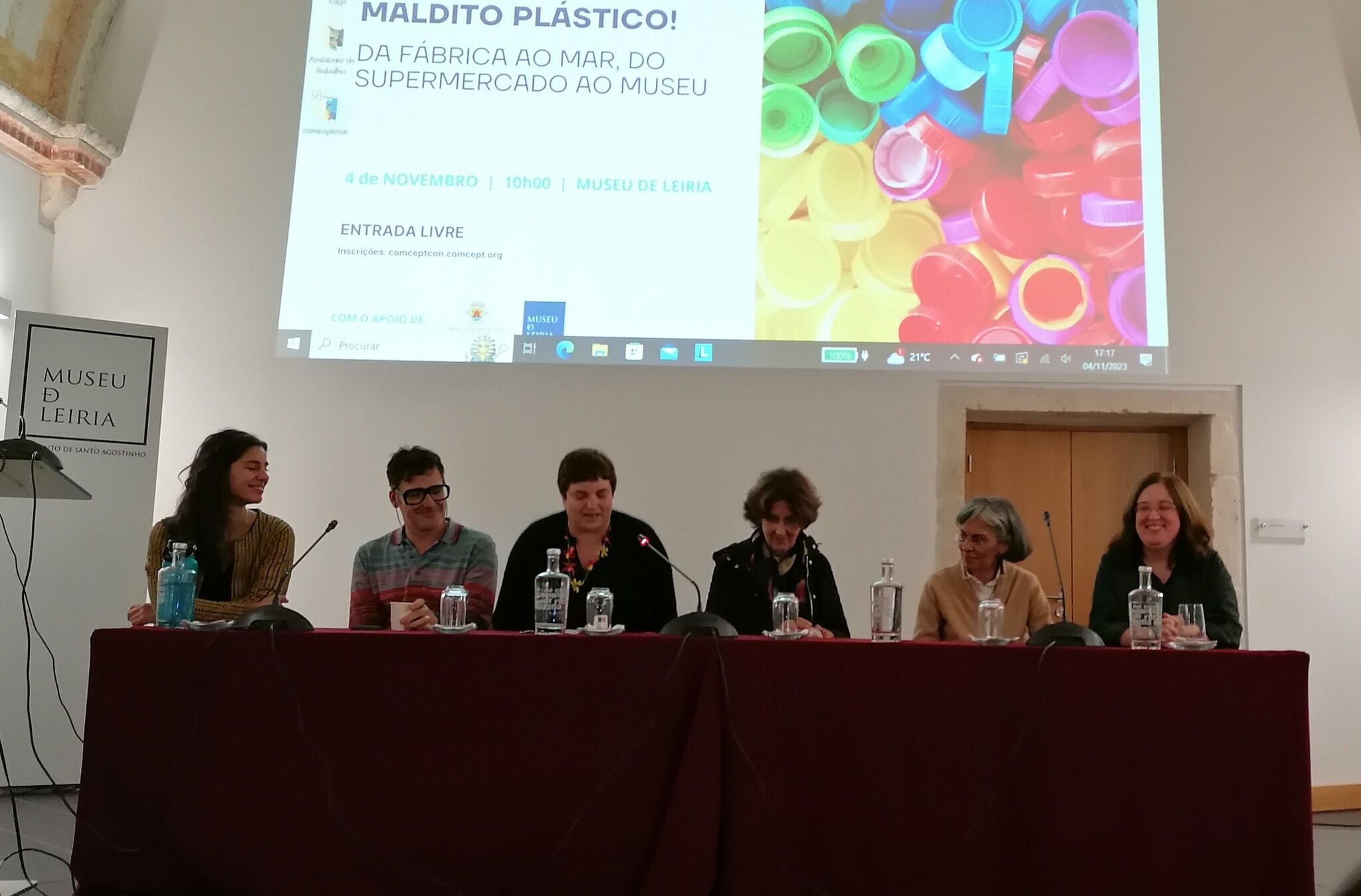
On November 4th, Paula Quinteiro (CESAM/DAO) participated in ComceptCon 2023: Damn plastic!, at the Museum of Leiria.

The annual conference of COMCEPT took place once again at the Museum of Leiria. It was a full day dedicated to science and critical thinking.

This year, COMCEPT was challenged to explore plastic in its various facets, from production to its many, more or less problematic, uses. For this purpose, individuals from the fields of chemistry, environment, biology, heritage, and arts were invited.