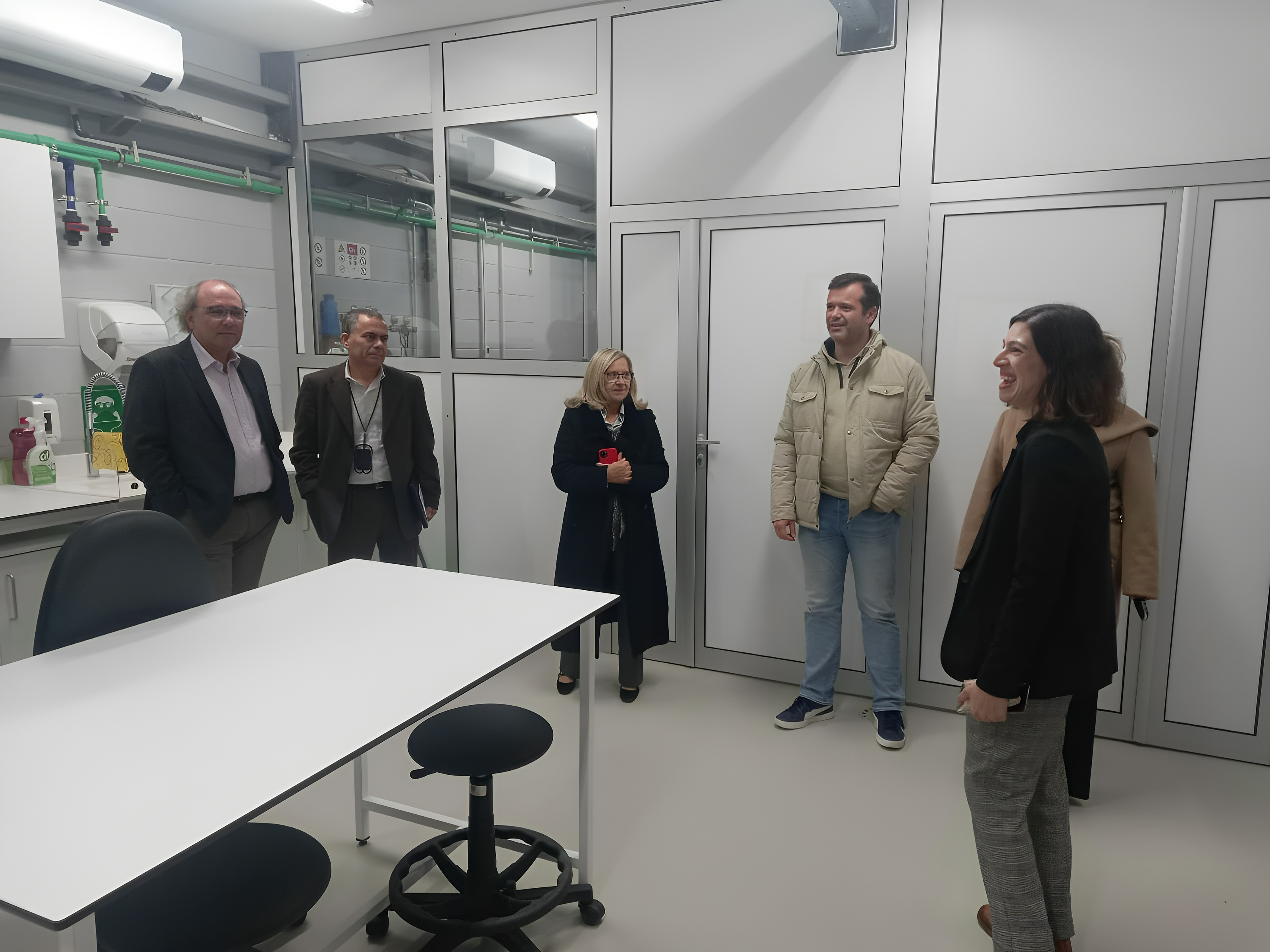
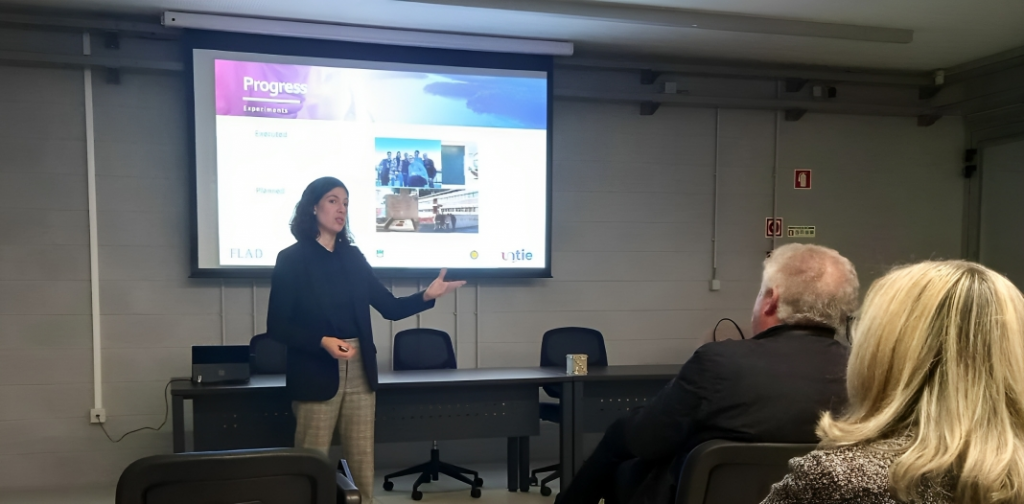
Yesterday, on November 27, the delegation from the Luso-American Foundation for Development (FLAD) visited CESAM-ECOMARE for the presentation of the progress of the activities of the UNTIE project – UNravelling the role of emerging parasitic diseases in the structure and function of coastal communiTIEs and ecosystems, coordinated by Dr. Luísa Magalhães, winner of the Science Award Atlantic 2022.

The visit had the presence of Prof. Elsa Henriques (Executive Board of FLAD) and members of the award jury, particularly Prof. Miguel Miranda. Institutional support was provided by Prof. Artur Silva (Vice-Rector of UA), Dr. Ricardo Calado (Director of CEPAM-ECOMARE), and Prof. Amadeu Soares (Coordinator of CESAM), among other members of our academic community.

Learn more about this project here: UNTIE – UNravelling the role of emerging parasitic diseases in the structure and function of coastal communiTIEs and ecosystems (ua.pt)

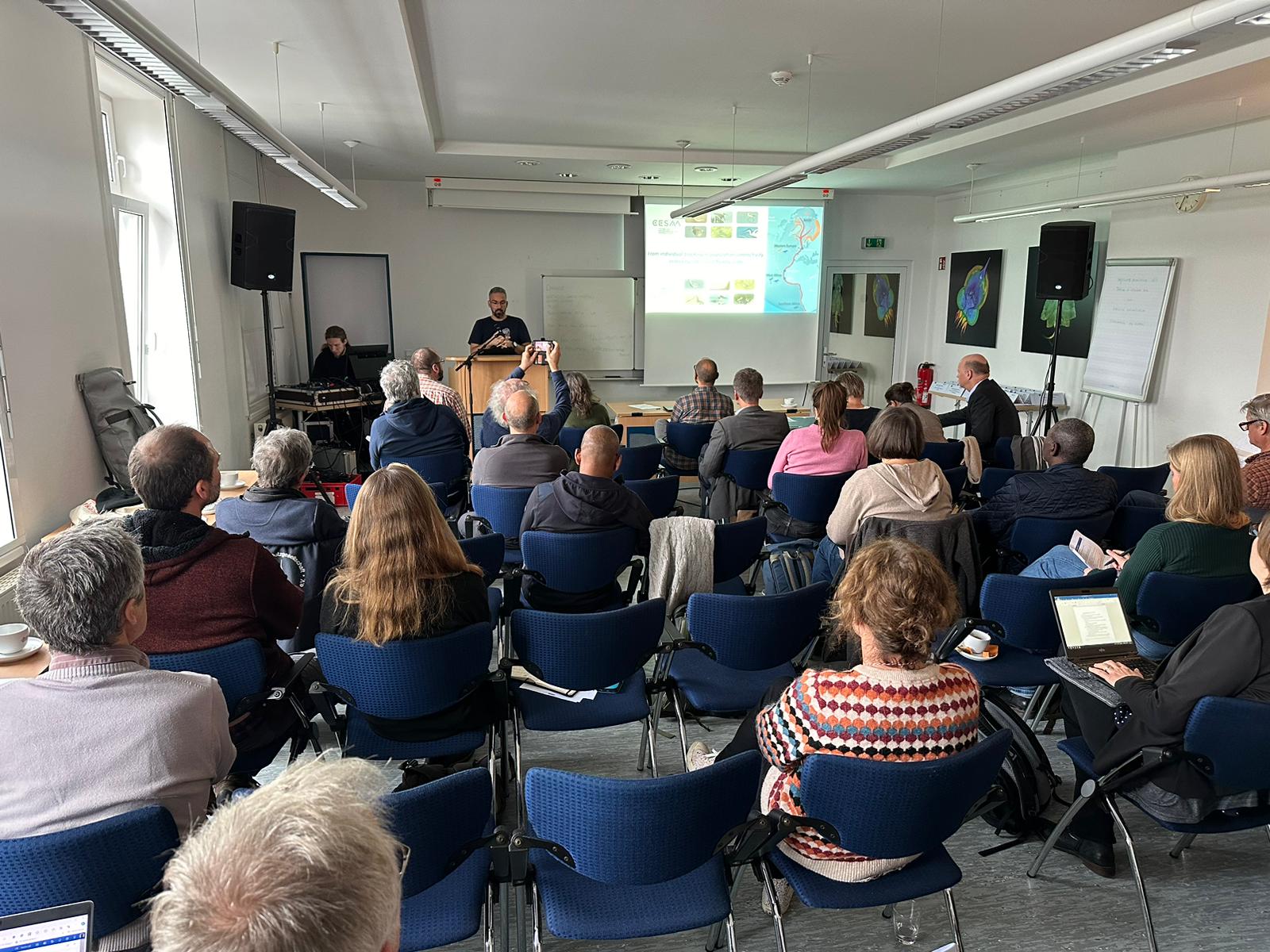
José Alves, researcher at CESAM/DBio, was invited by the European Commission to participate in the workshop titled “Digitalising monitoring of the East Atlantic Flyway.” The event was organized by the TSI (Technical Support Instrument) of the Directorate General for Structural Reform Support (DG REFORM), in collaboration with the Ministry of Agriculture, Nature, and Quality of Food of the Netherlands, as well as the partner ministries of Germany and Denmark.

On November 21, the researcher delivered a lecture on the topic “From individual tracking to population connectivity: assessing site use at flyway scale.”

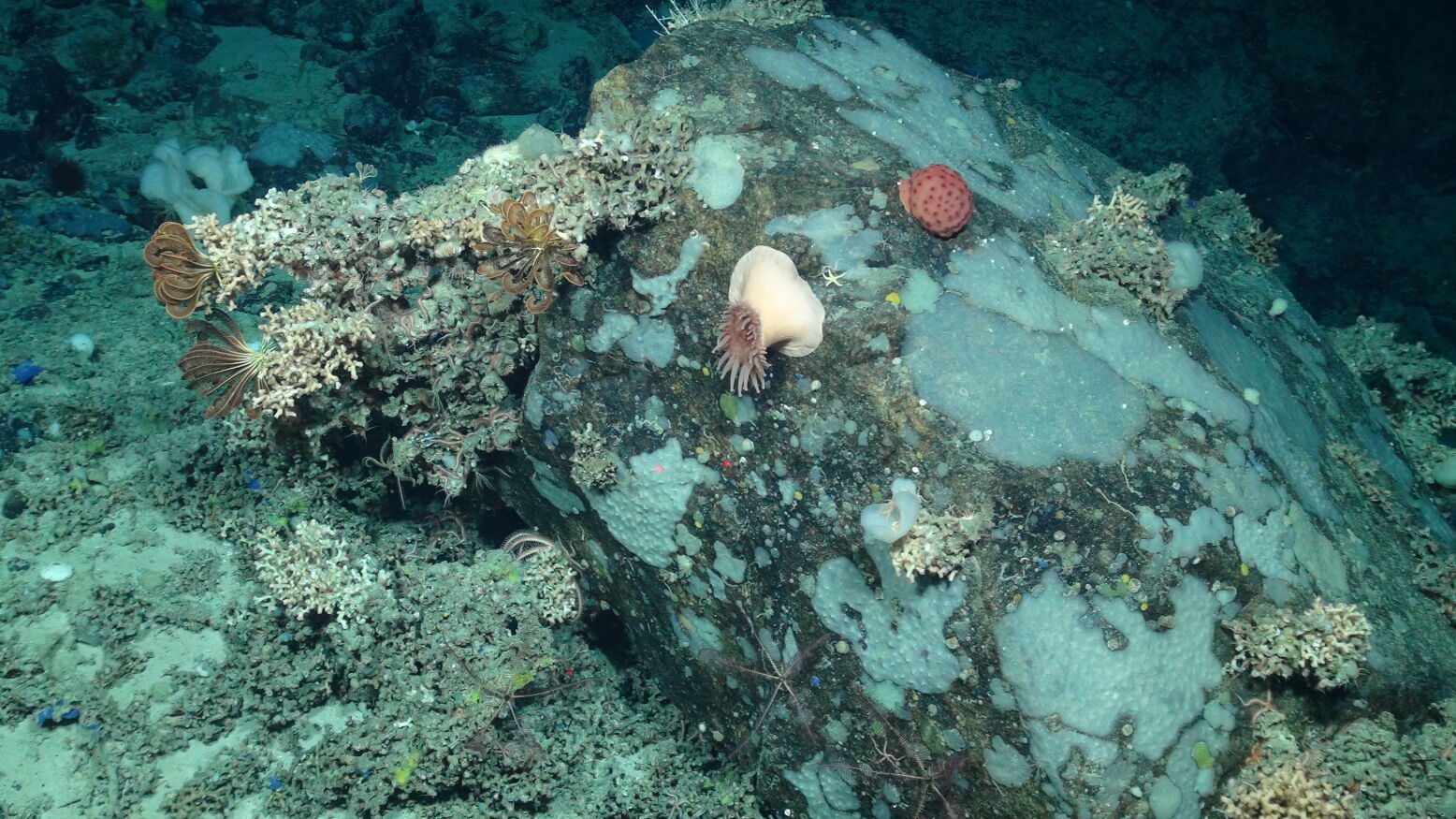
The researchers from CESAM/DBIO, Ana Hilário and Patrícia Esquete, in collaboration with members of the global expert network DOSI (Deep Ocean Stewardship Initiative), have developed a new policy brief. This document will be presented during the 2023 United Nations Climate Change Conference, COP28, which is set to begin next week in Dubai.

The document, titled “Incorporating Deep-Ocean Biodiversity into Climate Change Policy“, highlights the importance of deep-ocean biodiversity for climate stability, emphasizing the negative impacts of human interference in these ecosystems. It advocates for the importance of integrating the protection of deep-ocean biodiversity into the policies of the UNFCCC (United Nations Framework Convention on Climate Change).

DOSI is a global network that brings together experts in the fields of science, technology, policy, law, and economics, providing advice on ecosystem-based management in the deep ocean and strategies to preserve the integrity of these ecosystems within and beyond national borders.

COP28 is scheduled for November 30 to December 12 in the United Arab Emirates. These conferences primarily aim to negotiate policies among governments to limit the increase in global temperature and adapt to the impacts associated with climate change. COP28 will be a crucial moment to assess global progress under the Paris Agreement, mobilizing collective action to limit the increase in global temperature and adapt to the existing effects of climate change.

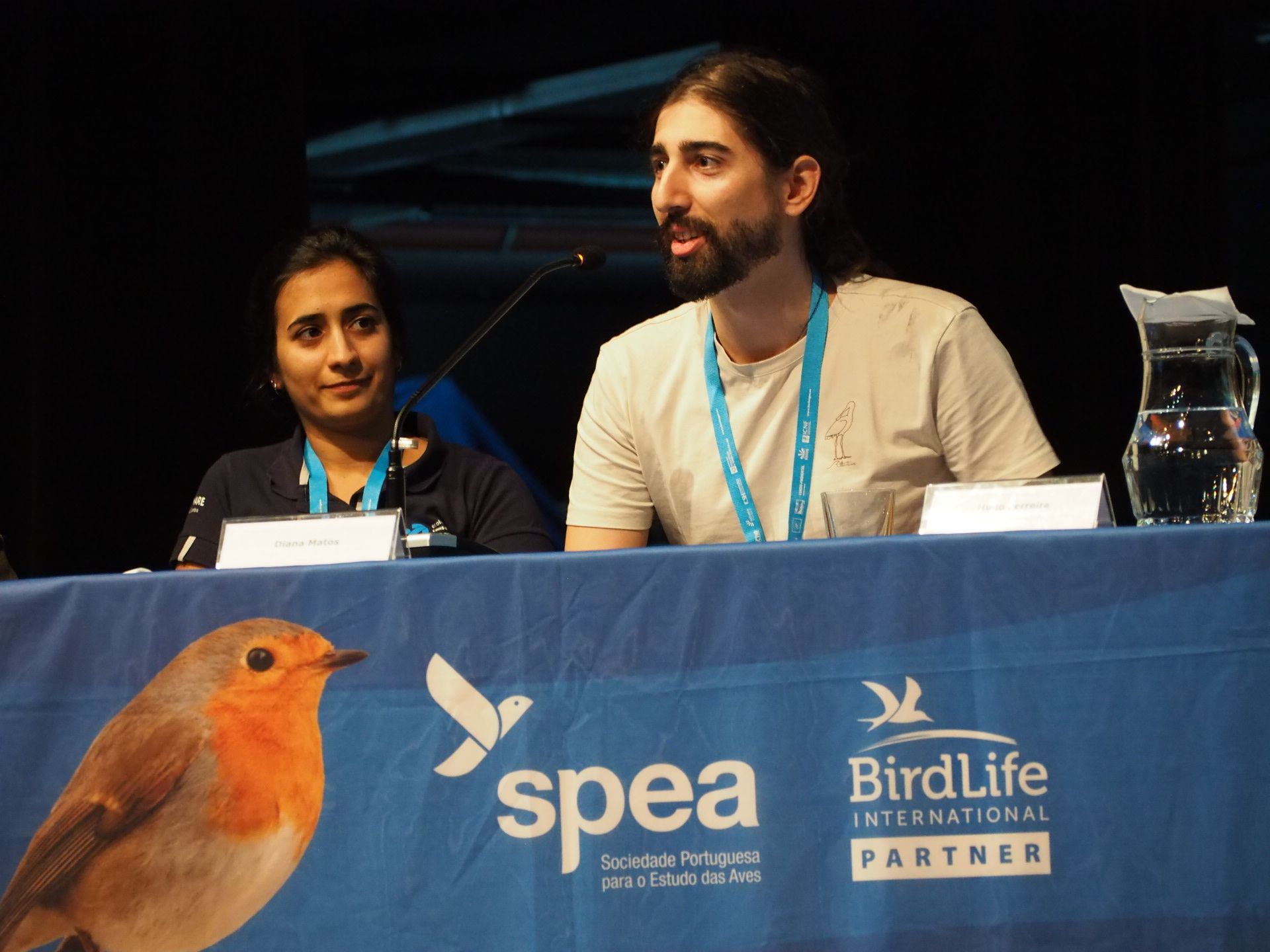
Hugo Ferreira, a PhD student at CESAM, was the winner of the “Best Student Presentation” award at the XI Congress of Ornithology and II Macaronesian Ornithology Conference organized by SPEA – Portuguese Society for the Study of Birds, which took place from November 22 to 26 in Ponta Delgada, São Miguel, Azores.

The title of the winning presentation is “Presence and Function of Artificial Items in Eurasian Spoonbills Nests,” which is part of Hugo’s doctoral thesis on the theme: “Demographic processes of a long–distant migratory waterbird facing global changes.”

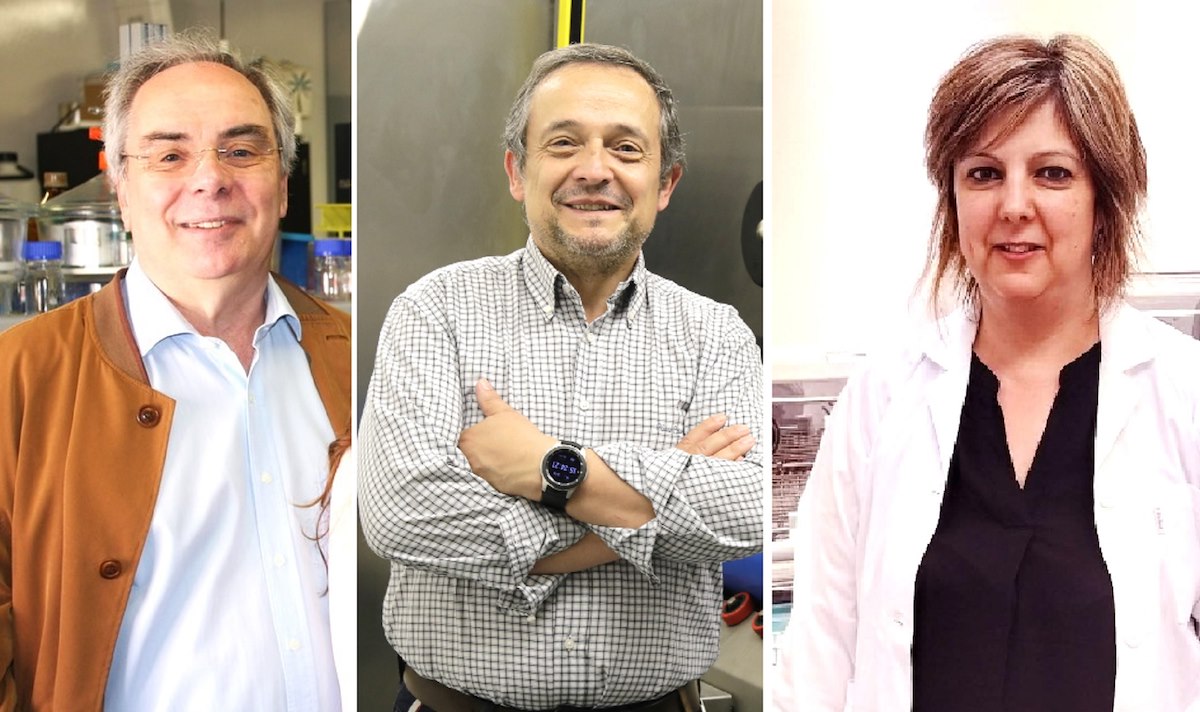
The University of Aveiro (UA) has three researchers whose scientific work is among the most cited in the world by other scientists. The guarantee comes from Clarivate’s Highly Cited Researchers 2023 list, one of the most important rankings in the academic world.


Armando da Costa Duarte and Teresa Rocha Santos, both researchers at the Centre for Environmental and Marine Studies (CESAM), and Jorge Alexandre Saraiva, from LAQV-REQUIMTE, are the three UA researchers included in Clarivate’s Highly Cited Researchers 2023, a list that analyzed the work of 7125 scientists from 69 countries.

Armando Duarte and Jorge Saraiva have been on the Clarivate list for three consecutive years. Teresa Rocha Santos repeats her presence from last year.

Created by Clarivate, a global research consultancy, the list of names comes from articles ranked in the top one percent of the most cited research articles by scientific area and year of publication in the Web of Science citation index, together with analyses carried out by bibliometric experts and data scientists from Clarivate’s Institute for Scientific Information (ISI).

This ranking aims to provide global data and segmented analyses, recognize and disseminate the impact of research, promote innovation and present a tool that allows scientists/researchers who have demonstrated influence through the publication of several highly cited articles over the last decade to be aggregated in an annual list.

Note: Text and image from the news on the UA website

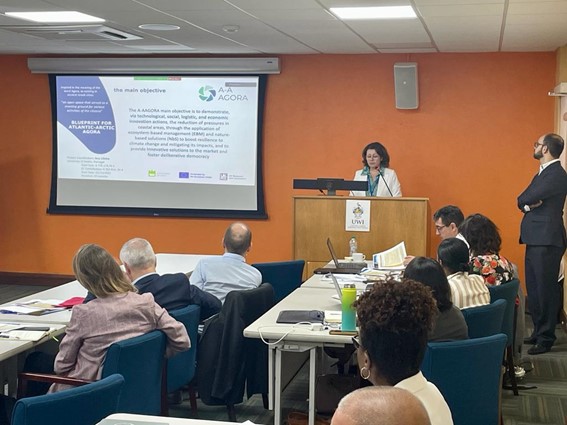
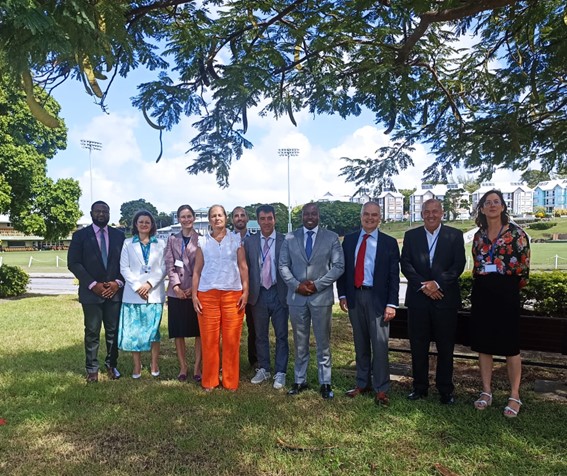
With the aim of supporting EU-Caribbean cooperation in marine research, the European Commission organised the EU-Caribbean Workshop on Marine Science Cooperation, that took place on 14-15 November at the University of the West Indies (UWI), Barbados.

Ana Lillebø, Vice-Rector of the University of Aveiro and scientific coordinator of the A-AAGORA project, was invited by the European Commission to participate in this Workshop. Her presentation, entitled “Coastal Restoration with Nature and People: The Living Lab concept of the A-AAGORA project”, focused on potential collaborations between the two regions, to cocreate roadmaps and innovative solutions for coastal restoration, in line with the objectives of the Mission “Restore our Ocean and Waters” and the United Nations Decade of Oceans.

The event was opened by the Minister of Industry, Innovation, Science and Technology, Hon. Davidson I. Ishmael, and brought together multiple stakeholders to explore the potentialities, needs and gaps in marine research and cooperation for the Caribbean and Small Island Developing States (SIDS).

Discussions focused on critical issues such as coastal resilience, fisheries management, marine protected areas, ecosystems and biodiversity, ocean observation and research infrastructures.

A key aspect of the workshop was to promote and support a long-term sustainable bi-regional multi-stakeholder dialogue. To this end, opportunities for EU-Caribbean cooperation in marine research under the Horizon Europe (HE) programme were presented as well as projects and initiatives already under development.

The “Researchers in the Spotlight” is a campaign conducted within the Euromarine Network that aims to showcase researchers’ achievements, foster a sense of community within the network and inspire others to explore new frontiers in marine sciences. Through interviews with the network’s researchers, this campaign offers a platform for to share their experiences, insights, and innovative research with a wider audience. The audience can listen to the podcast here and learn about ocean biogeography, the impact of climate change on marine biodiversity, MPAs, blue carbon opportunities, seagrass meadows photosynthetic mechanisms and more.

If you’re interested to be featured in the campaign, please here.

Today, November 16, 2023, National Sea Day, the Center for Environmental and Marine Studies (CESAM) at the University of Aveiro and the Portuguese Institute for the Sea and the Atmosphere (IPMA) establish a cooperation protocol. This new agreement reflects the institutions’ commitment to sustainable research, aiming to promote collaboration in areas of mutual interest, marking a significant step in the promotion of sustainable marine research.

According to the scientific coordinator of CESAM, Prof. Amadeu Soares, “research on the sea is naturally one of the priority areas for CESAM. The signing of this protocol, which was missing, is an important milestone with which we mark National Sea Day. With it, we intend to expand the existing collaboration between CESAM and IPMA in the field of Meteorology to the other scientific areas of interest of both IPMA and CESAM.”

The protocol, considering the assignments of IPMA and the University of Aveiro through CESAM, aims to promote collaboration in areas of mutual interest, especially in marine research and management. Among the highlighted assignments are the promotion of sustainable exploitation of marine resources, the preservation of marine biodiversity, the conduct of scientific research, and the increase in technology transfer activities.

The agreement establishes forms of bilateral collaboration, including the use of human resources, technical means, and technological infrastructures, the implementation of joint research projects, and the facilitation of access to scientific information.

The protocol is initially valid for one year, with the possibility of automatic renewal for equal periods.

This protocol marks a significant step towards promoting sustainable marine research, reflecting the commitment of CESAM, the University of Aveiro, and IPMA to the development and deepening of cooperation actions for scientific and technological knowledge in marine and environmental areas.

Text by: CESAM
As part of the European project PARC “European Partnership for the Assessment of Risks from Chemicals,” integrated into CESAM, PARCopedia emerges as a new tool for the community of professionals in chemical risk assessment.

PARCopedia is available on an online platform accessible at https://www.parcopedia.eu/, offering a wide range of resources and networking opportunities for experts in the field. Through this tool, users have access to information on how to explore updated and user-friendly web pages covering all aspects of chemical risk assessment, both within and outside the European Union. It notably highlights the coverage of innovations based on new approach methods (NAM) and next-generation risk assessment (NGRA).

In addition to facilitating connections between professionals, PARCopedia serves as a comprehensive source of information on chemicals, methods, regulations/legislation, and activities. The platform also features a dedicated section for job opportunities in the field, establishing itself as a tool that offers significant possibilities for professional advancement in chemical risk assessment.

To join this dynamic community and stay updated on chemical risk assessment, access the link https://www.parcopedia.eu/register/.

Registration is open to all interested individuals in the field.

Learn more about PARCopedia at: https://shorturl.at/fqyV9 and about the European project PARC at: https://www.eu-parc.eu/.

Join PARCopedia and contribute to the global dialogue on chemical risk assessment by sharing ideas and experiences with professionals from various disciplines.

Text by: CESAM in collaboration with Susana Loureiro

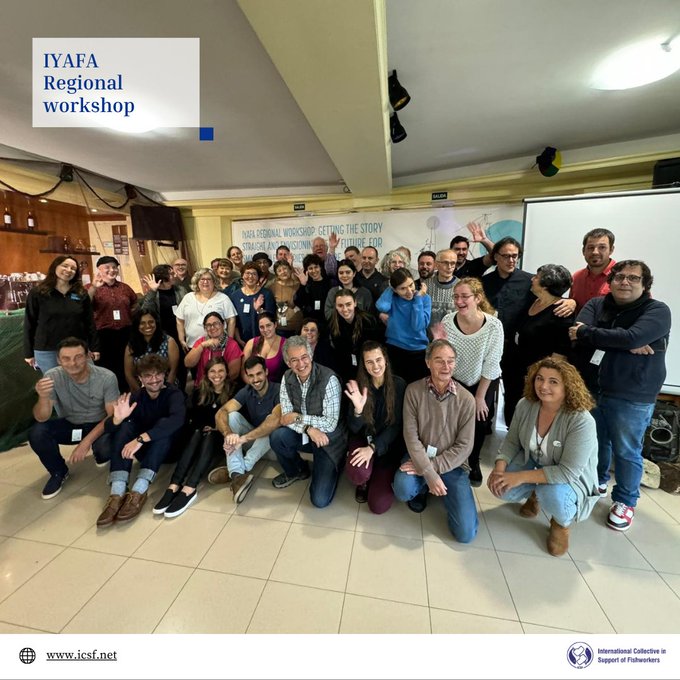
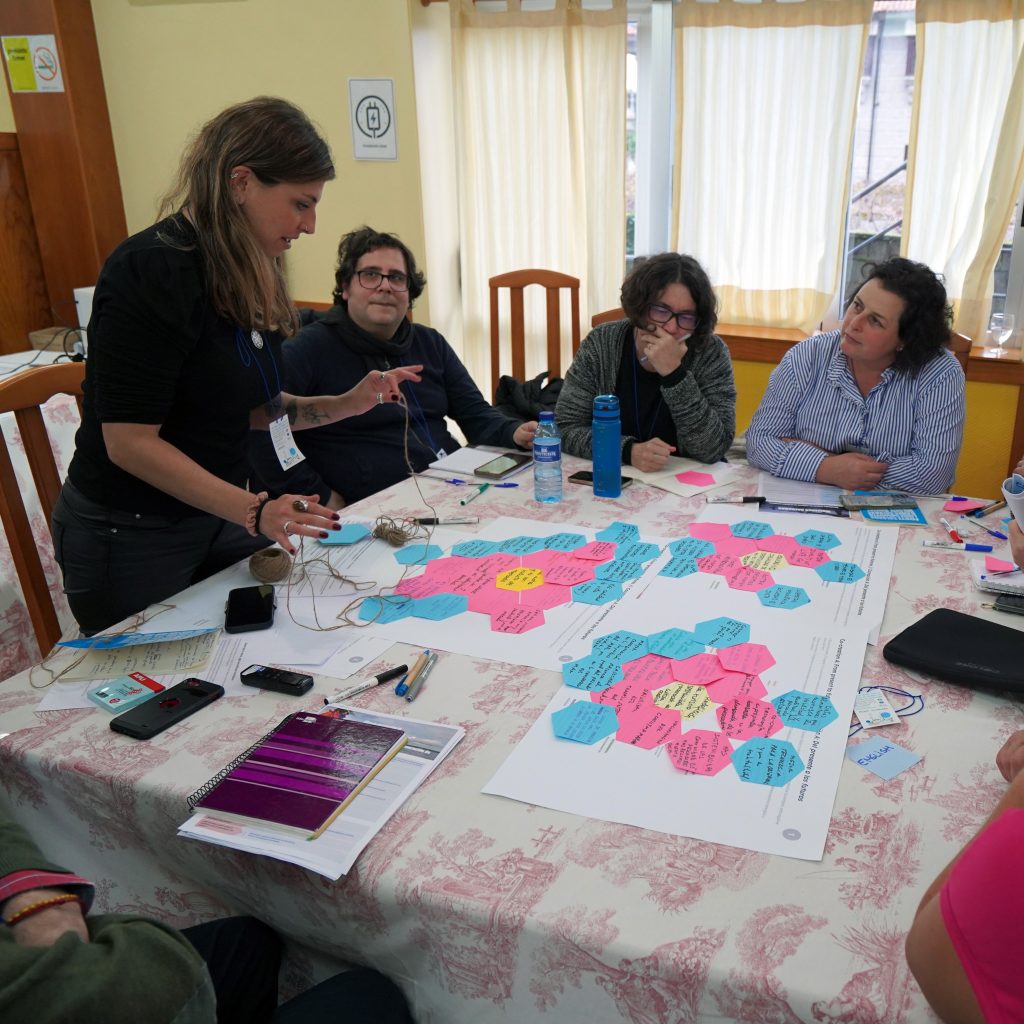
From November 13 to 16, the ‘YAFA Regional workshop: Getting the story straight and envisioning a fair future for small-scale fisheries in Europe’ is taking place in Vilanova de Arousa, Galicia, Spain. This event addresses crucial issues related to small-scale fisheries (SSF) and brings together 45 participants from national and regional SSF organizations, women’s fishing networks, NGOs, and academic institutions from eighteen European countries.

Our researcher, Cristina Pita, participated yesterday, November 15, in the panel “Towards a Participatory guarantee system for SSF in Europe.” The main topics of the workshop include creating a positive narrative for SSF in Europe, strengthening governance and related processes, enhancing the capacity of SSF and support organizations, and exploring the essential role of women in the region’s fisheries.

The event seeks to highlight the ongoing importance of attention to SSF, recognizing its vital role as food producers, as well as building alliances and developing strategies to boost the small-scale fishing sector.

For more details about the workshop, visit: https://www.icsf.net/resources/europe-workshop-iyafa-2023/

Text by: CESAM in collaboration with Cristina Pita