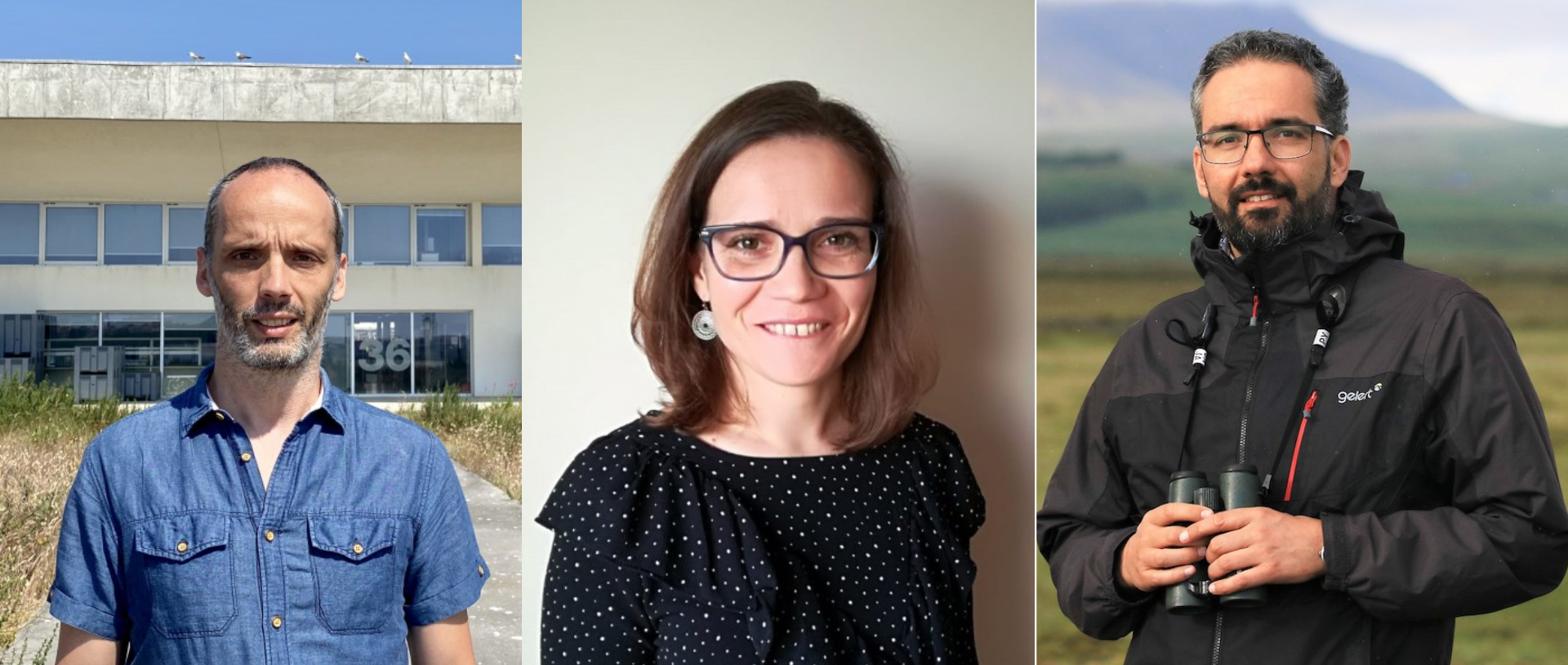
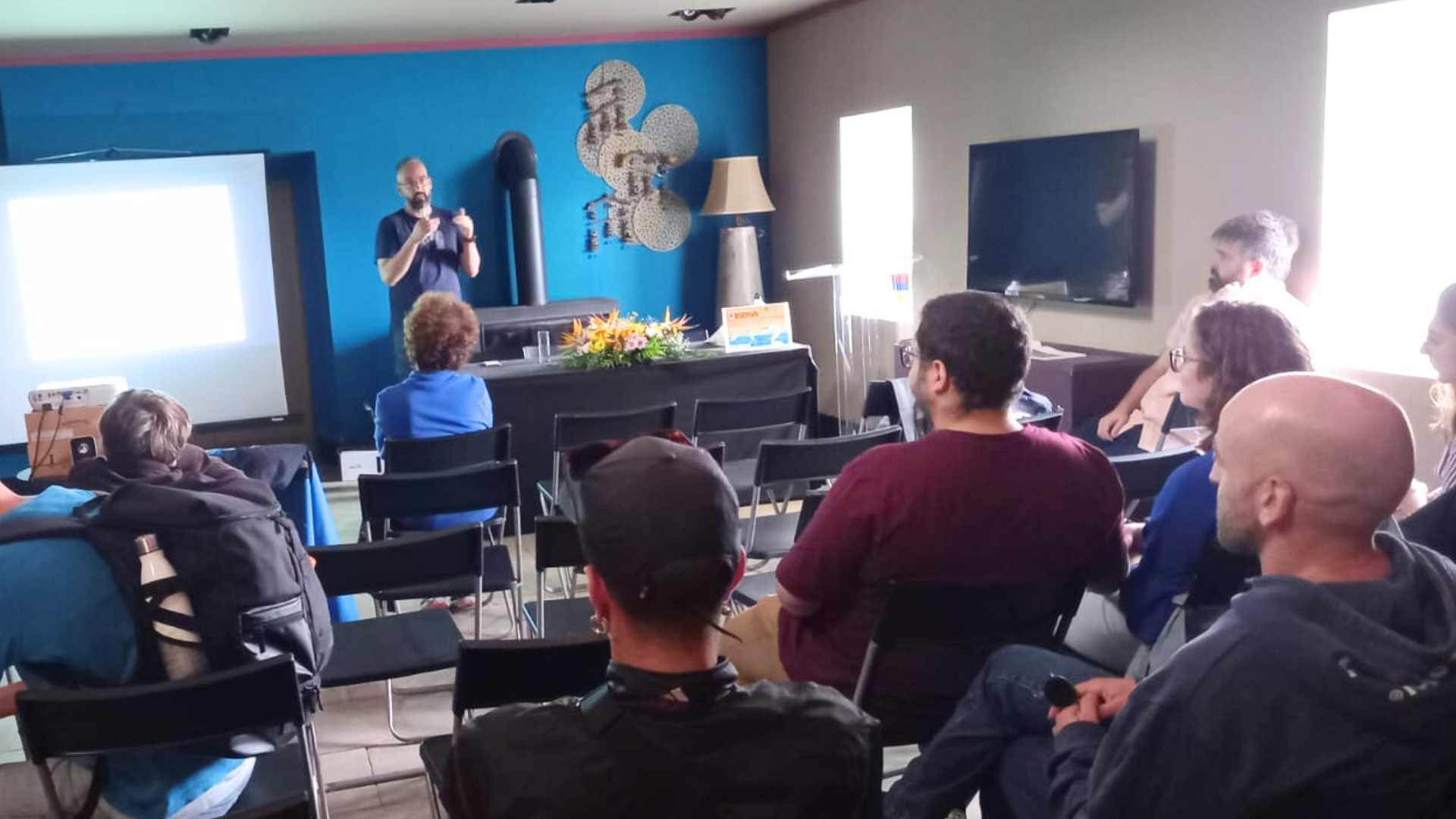
José Alves, a researcher at CESAM/DBio, participated in the 12th edition of OBSERVANATURA, held on October 28 and 29 at Herdade da Mourisca in Setúbal. This event, a fair dedicated to nature tourism, is organized in collaboration with the Institute for Nature Conservation and Forests (ICNF), TróiaNatura, and the municipalities of Setúbal, Santiago do Cacém, and Sines. Its main mission is to promote birdwatching tourism and showcase the natural heritage of the Arrábida Natural Park and the Sado Estuary Nature Reserve.

As part of this event, José Alves gave a lecture titled ‘Why Travel to the Arctic? Connectivity and Performance of Migratory Shorebirds,’ where he presented recent discoveries about the ecology of migratory shorebirds. The lecture covered both the behavior of these birds during winter in the temperate estuaries of Portugal and their reproduction in the Arctic.

Additionally, José Alves presented the RTP documentary titled ‘Long-Distance Migrants: Between the Tagus and the Arctic.’ This documentary highlighted the Tagus Estuary as an essential refuge for thousands of birds during winter, with a special focus on the migration of red knots between the Tagus Estuary and the subarctic region of Iceland, as well as the work of the researcher and his team in this area.

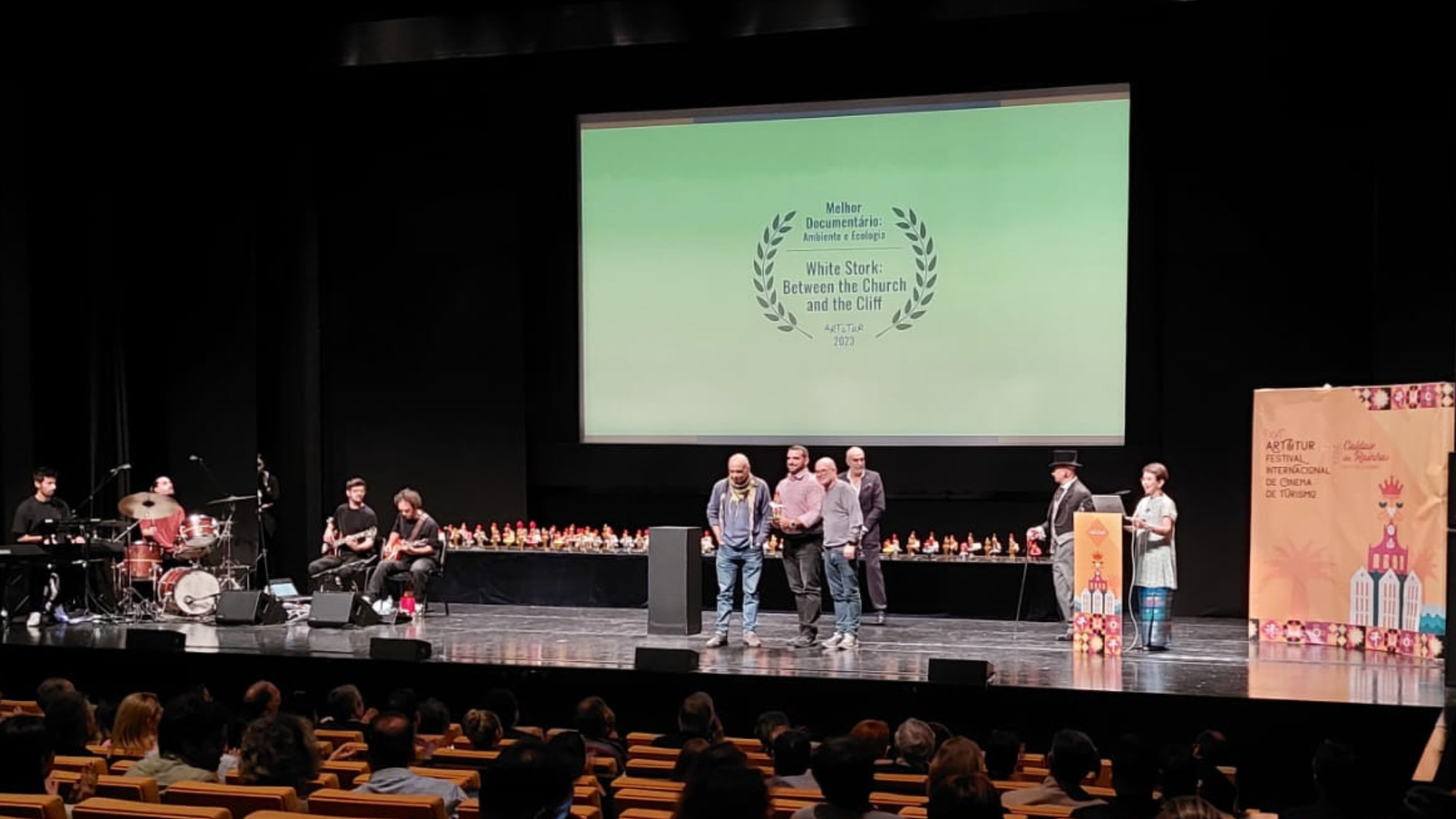
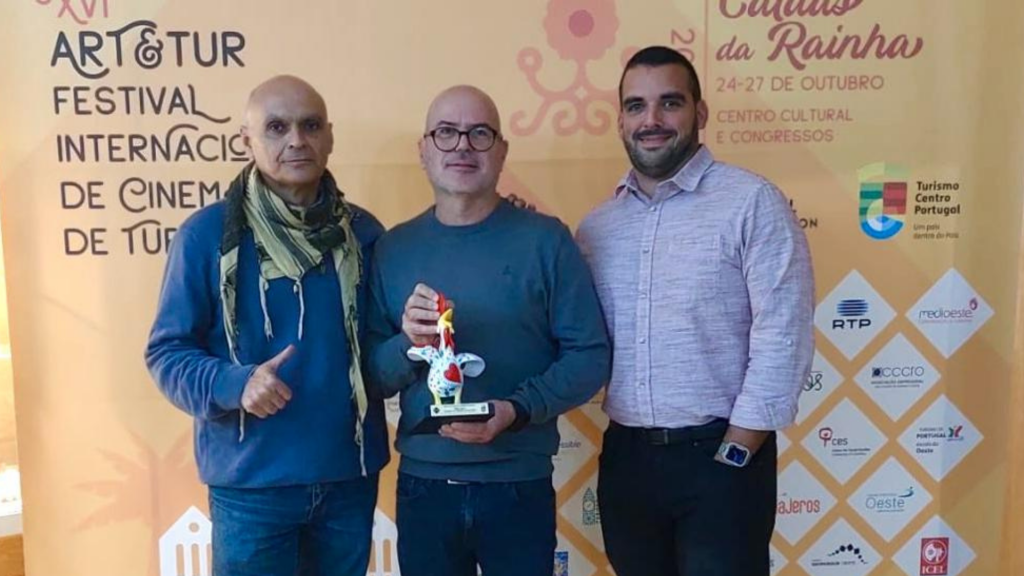
“The White Stork: Between the Church and the Cliff” was named the Best Environmental and Ecology Documentary at the sixteenth edition of the International Film and Tourism Festival – Art & TuR, held in the city of Caldas da Rainha from October 24 to 27. A total of 262 promotional films and documentaries from 47 countries participated in the competition, evaluated by an international jury.

This documentary explores the life cycle of one of Portugal’s most emblematic birds, the white stork. The journey begins on the Alentejo Coast, where the only colony of storks nesting on marine cliffs is found. The documentary is scheduled to premiere soon on RTP1. Additionally, all award-winning documentaries from the festival will be screened on TAP flights, which transport around 4 million passengers per year.

The Center for Environmental and Marine Studies of the University of Aveiro (CESAM-UA) is the scientific partner of this documentary, produced by Play Solutions Audiovisuais. Joaquim Pedro Ferreira, a researcher and science communicator at CESAM, co-authored it with Paulo Caetano and co-directed it with Pedro Miguel Ferreira.

This award, like other recent ones, is a recognition of CESAM’s successful investment in the audiovisual field. Promoting scientific knowledge and enhancing awareness of natural resources among the general public are two major goals of CESAM.

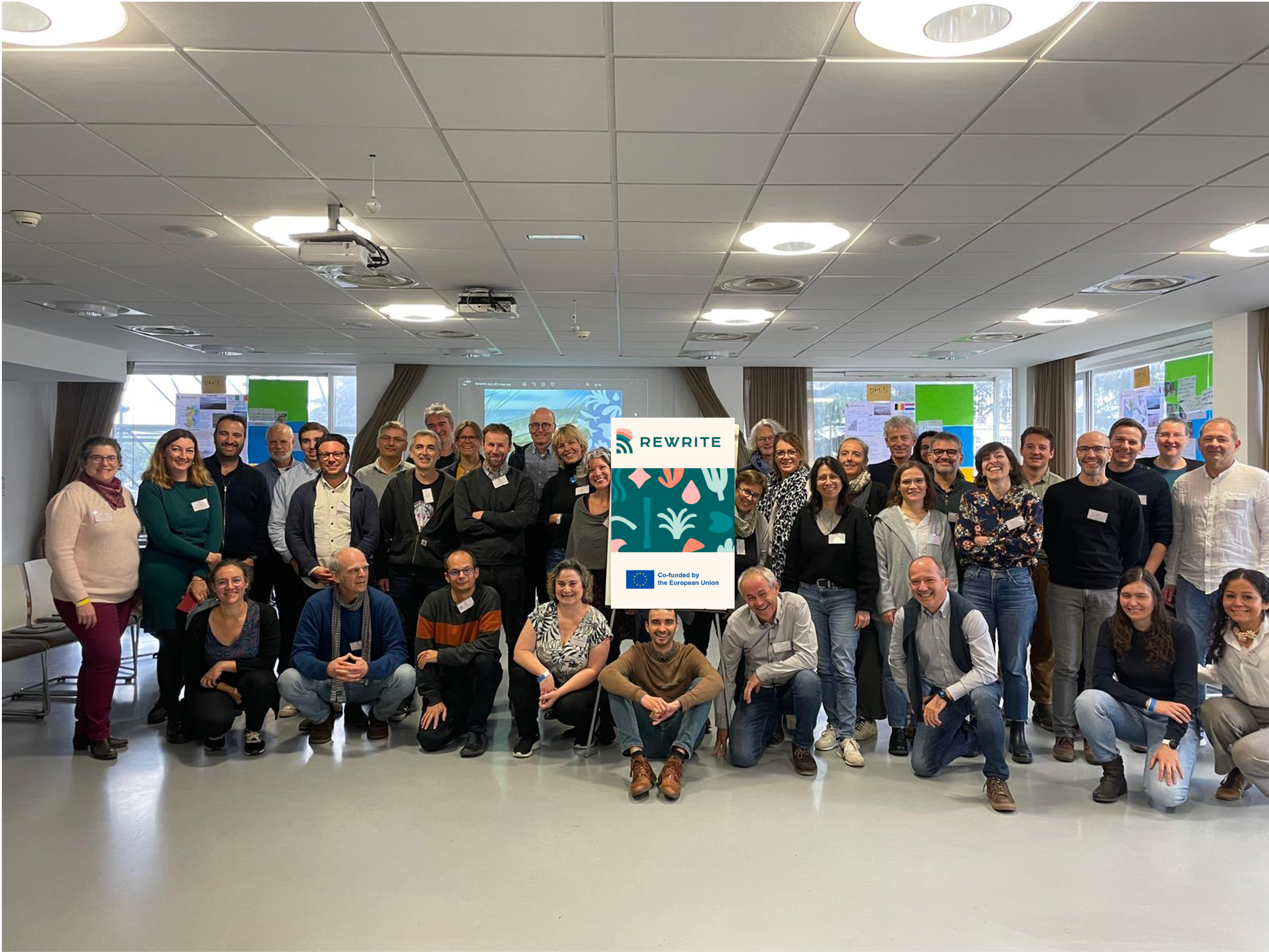
Yesterday and today, on October 25th and 26th, in Nantes, the first meeting of the “REWRITE – REWilding and Restoration of Intertidal Sediment Ecosystems for Carbon Sequestration, Climate Adaptation, and Biodiversity Support” project took place, coordinated by Vona Méleder from the University of Nantes. Ana Sousa, a researcher at CESAM/DBIo and project coordinator at the University of Aveiro, João Serôdio (CESAM/DBio), and Carina Lopes (CESAM/DFis) were present at the meeting. The consortium, with 25 partners from Europe, Canada, and the United States, gathered to discuss the next steps and initiate the co-creation of a sustainable future for coastal areas. The project, with 10 case studies, will last for 5 years and is co-financed by the European Union/Commission within the Horizon Europe program.

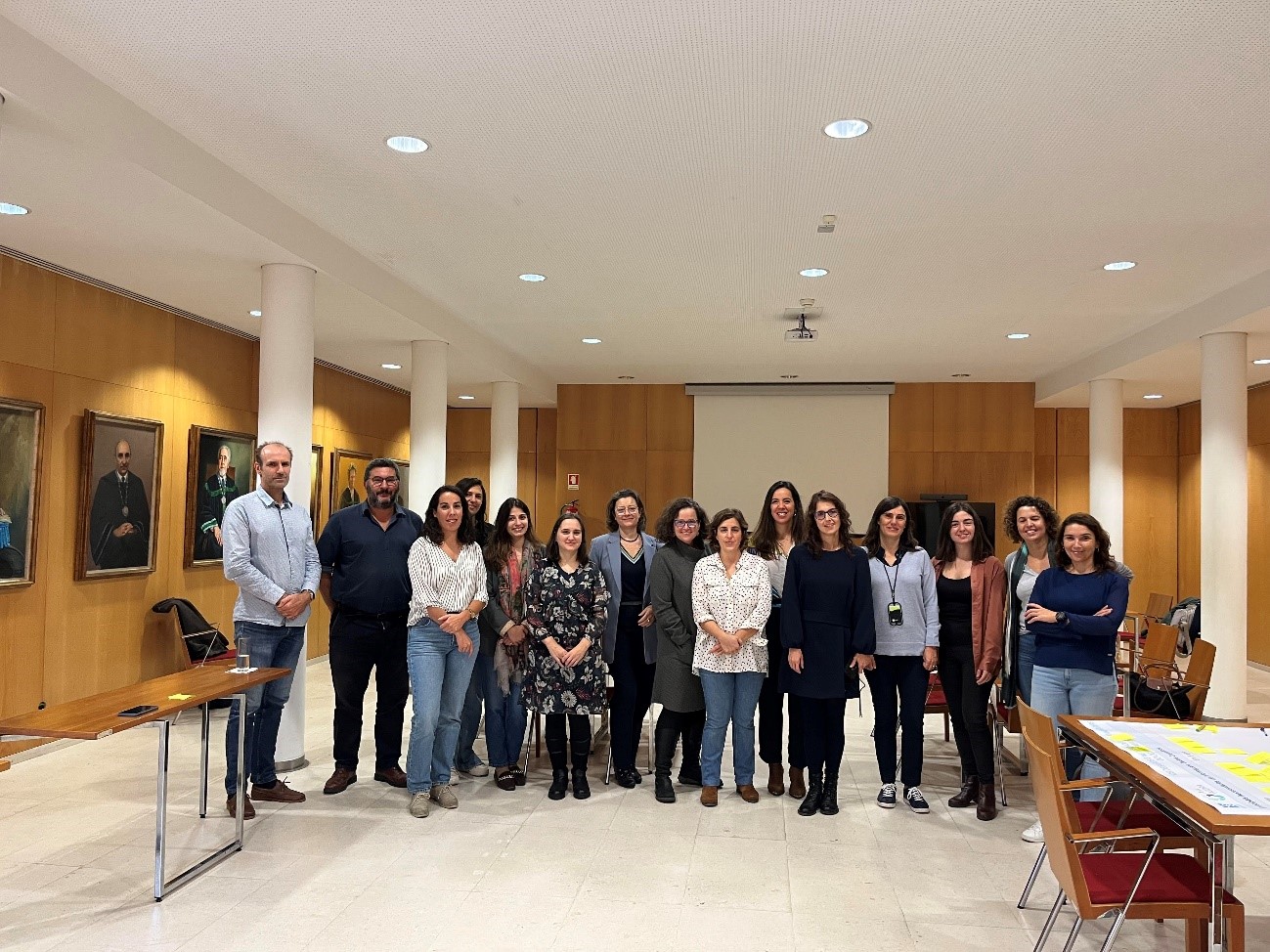
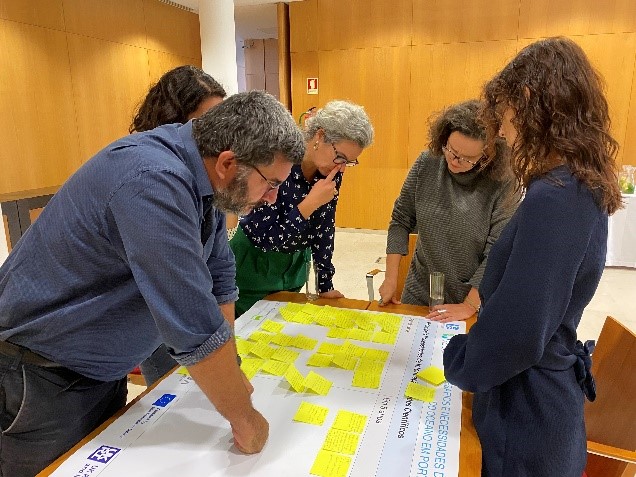
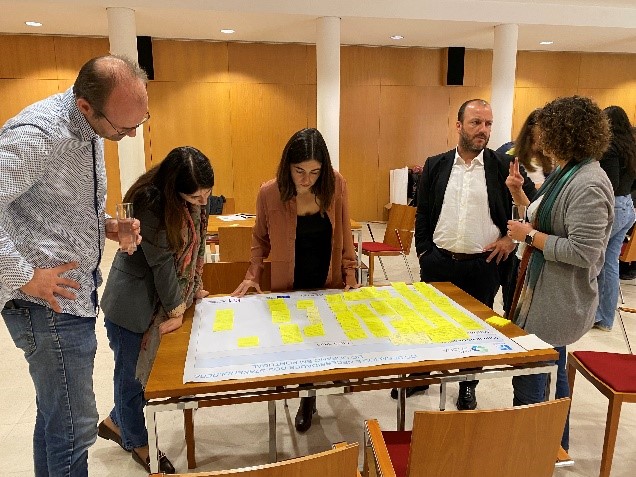
On October 20th, the workshop “Challenges and Needs of Ocean Stakeholders in Portugal” took place at the University of Aveiro. The event brought together a group of experts and professionals to discuss crucial issues for those working in and for the ocean in Portuguese territory, fostering closer collaboration between academia and entities representing the entire value chain of the sector.

Organized within the framework of the BESIDE and A-AAGORA projects, this event followed a practical working meeting format. Participants engaged in interactive group exercises that resulted in the identification of 60 challenges and 41 information and scientific data needs in the ocean sector.

The event concluded with a lunch that fostered spontaneous and informal sharing of ideas to address the identified challenges, further strengthening the personal and professional connections among participants.

The project teams, in collaboration with CESAM, will now analyze the results of this session and develop proposals for solutions and decision-making support. The information will be presented in a report and executive summary, to be shared with participants in a second session scheduled for February 22, 2024.

This event once again demonstrated the commitment of our researchers to address real societal issues, specifically the challenges of the ocean in Portugal, encouraging even more effective collaboration between academics and stakeholders in the Blue Economy.

Learn more about the BESIDE and A-AAGORA projects.

Text by: Dionísia Laranjeiro, Helena Vieira, Mariana Almeida

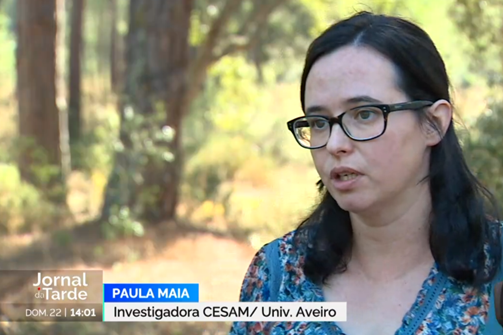
On the past Sunday, October 22nd, on RTP1’s “Telejornal da Tarde,” a segment was broadcast featuring contributions from some of the speakers of the Biodiversity panel at the ECOPINE Conference, including Paula Maia, a researcher at CESAM/DBio. In the segment, the researcher emphasized the importance of managing pine areas to promote their multifunctionality, both for biodiversity and economic purposes.

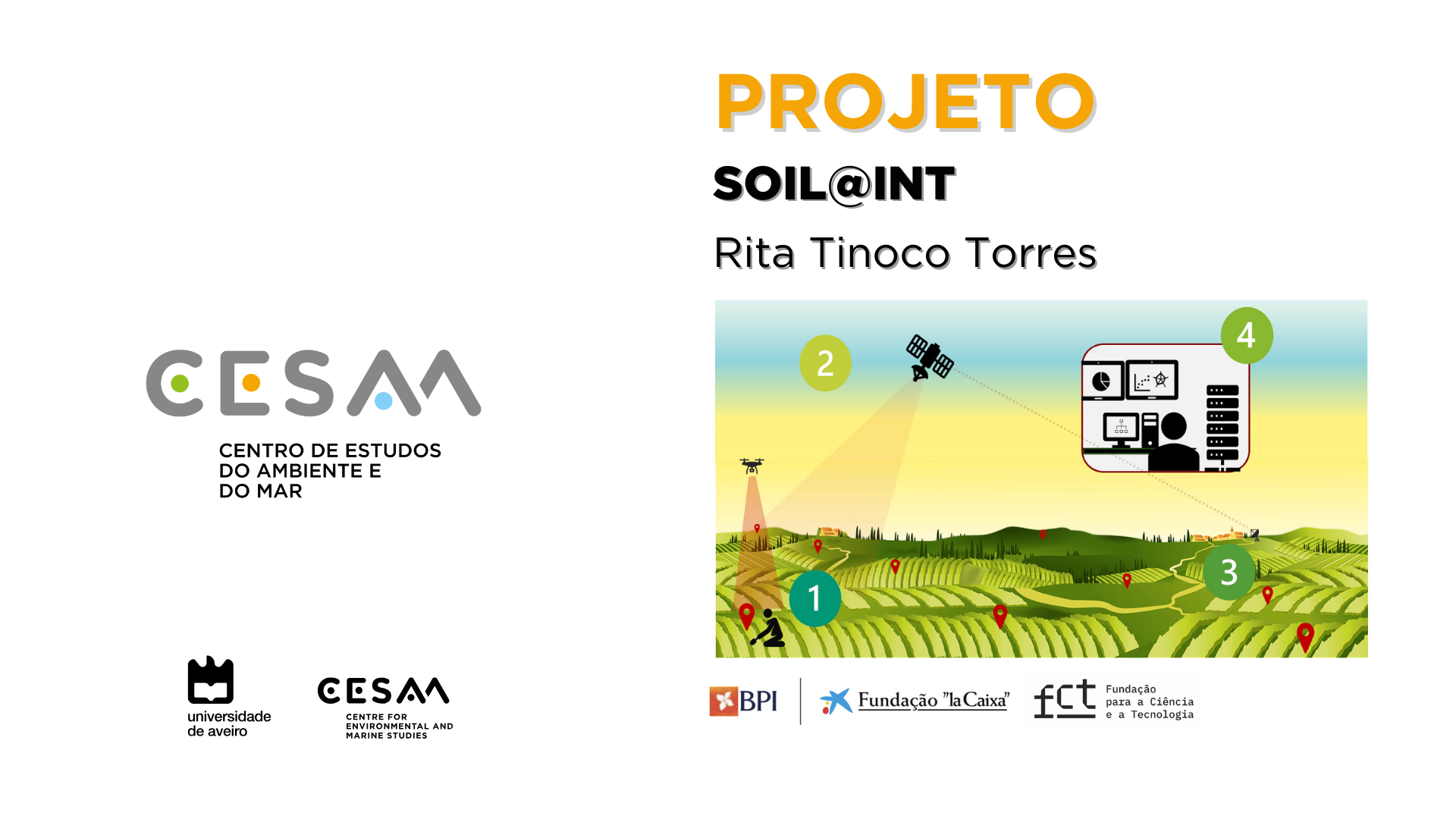
The “Soils of the Interior: Monitoring to Mitigate the Effects of Climate Change – Soil@INT” project began in October 2023 and will run for 3 years. This week, we had the opportunity to interview the project’s lead researcher, Rita Tinoco Torres, to learn more about its objectives, approaches, and expected impact.

CESAM: Thank you for sharing more information about this new project.

First of all, we would like to understand the motivations that inspired you to create this project and what led you to initiate it.

Rita T. Torres: The Soil@INT project arises from a perspective of continuity, having matured through the various projects ongoing in the Côa Valley, involving the participation and/or coordination of members from different CESAM groups. Field experience allowed the identification of one of the structural problems recognized in the territory, which could influence the main agricultural and forestry activities and the natural capital of the region: the loss of basic soil functions due to desertification and the current and future increase in aridity in the Côa Valley.

CESAM: Can you explain this loss of basic soil functions further…

Rita T. Torres: Soils are a vital resource, providing and regulating numerous ecosystem services (ES); however, they are highly vulnerable to degradation. The interior region of the Iberian Peninsula is one of the most threatened by desertification, with high levels of aridity, erosion risk, and declining soil productivity. Paradoxically, this is one of the regions most dependent on ecosystem services generated by its natural capital.

CESAM: You mentioned the concept of ecosystem services several times…

Ecosystem services are, in a very simplified way, the benefits that ecosystems can provide to humans.

CESAM: What are the objectives of Soil@INT?

Rita T. Torres: Taking the municipality of Figueira de Castelo Rodrigo as a case study, the Soil@INT project aims to develop innovative, low-cost, and robust soil monitoring tools. These tools are based on the correspondence between data collected in situ and data obtained through remote sensing, whose spatial-temporal resolution and replicability potential will leverage soil management programs in interior territories. Thus, Soil@INT will provide the inland region with a system for active management of natural capital, focusing on sustainability, the valuation of ecosystem services, and climate resilience. This system will be designed in coordination with local stakeholders, whose qualification, capacity-building, and awareness will provide territories with tools capable of autonomously maximizing natural capital in the medium to long term.

CESAM: How can the general public benefit from or get involved in this particular project?

Rita T. Torres: The transfer of knowledge from Science to Society will be carried out through the Citizen Science project “Test your soil for free,” which will be implemented and will be a flagship of Soil@INT among the general public (regional and national). The Côa Valley will be seen as a natural laboratory and a “living laboratory” (experiments and innovation in a field laboratory, as envisaged in the EU’s SoilMission), in order to attract funding from a scientific perspective through the hiring of researchers, the recruitment of postgraduates, and a technical perspective through the hiring of technical personnel to assist in project implementation.

CESAM: Who are the partners involved in the project, and what is the role of each?

Rita T. Torres: As partners, we have two non-governmental organizations, Palombar and the Association for Transhumance and Nature (ATN), a state laboratory, the National Laboratory for Energy and Geology (LNEG), and the Municipality of Figueira de Castelo Rodrigo (MFCR). Palombar will be responsible for implementing the Citizen Science project (“Test your soil for free”) through a consolidated network of school contacts, local actors, and the general public. ATN has extensive local and regional experience in the management and conservation of ecosystems of high socioeconomic and environmental value and adds an ability to coordinate with local stakeholders that will be essential for the project’s success. LNEG has extensive experience in collecting and processing data obtained by remote sensing, through multiple approaches and platforms. Their expertise will be essential for the development of monitoring methodologies, as well as for data collection through unmanned aerial vehicle flights. MFCR will provide logistical support, which is essential given the scale of project implementation, and will enable coordination and coverage that would not be possible without their contribution. These partnerships, materialized through three ongoing projects, confer a synergistic character to Soil@INT and demonstrate a strong determination to contribute to local development.

CESAM: You mentioned three ongoing projects. What are these projects?

Rita T. Torres: They are rWILD-COA (International Research Program on the Côa Valley – FCT) “Ecological challenges and opportunities in the renaturalization process of the Côa Valley,” LIFE WOLFLFUX (LIFE Nature and Biodiversity Program) “Reducing social and ecological barriers to wolf pack connectivity south of the Douro River,” and ELP-WI (Endangered Landscapes Programme) “Renaturalization of the large Côa Valley.”

CESAM: Finally, we want to know about the funding and the source of funding for this project?

Rita T. Torres: Soil@INT is funded by the “la Caixa” Foundation through the Promote program, aimed at revitalizing the interior regions of Portugal. The funding is €312,366.00.

CESAM: Thank you very much for your participation in this interview. We wish this project every success and look forward to following and learning about its results.
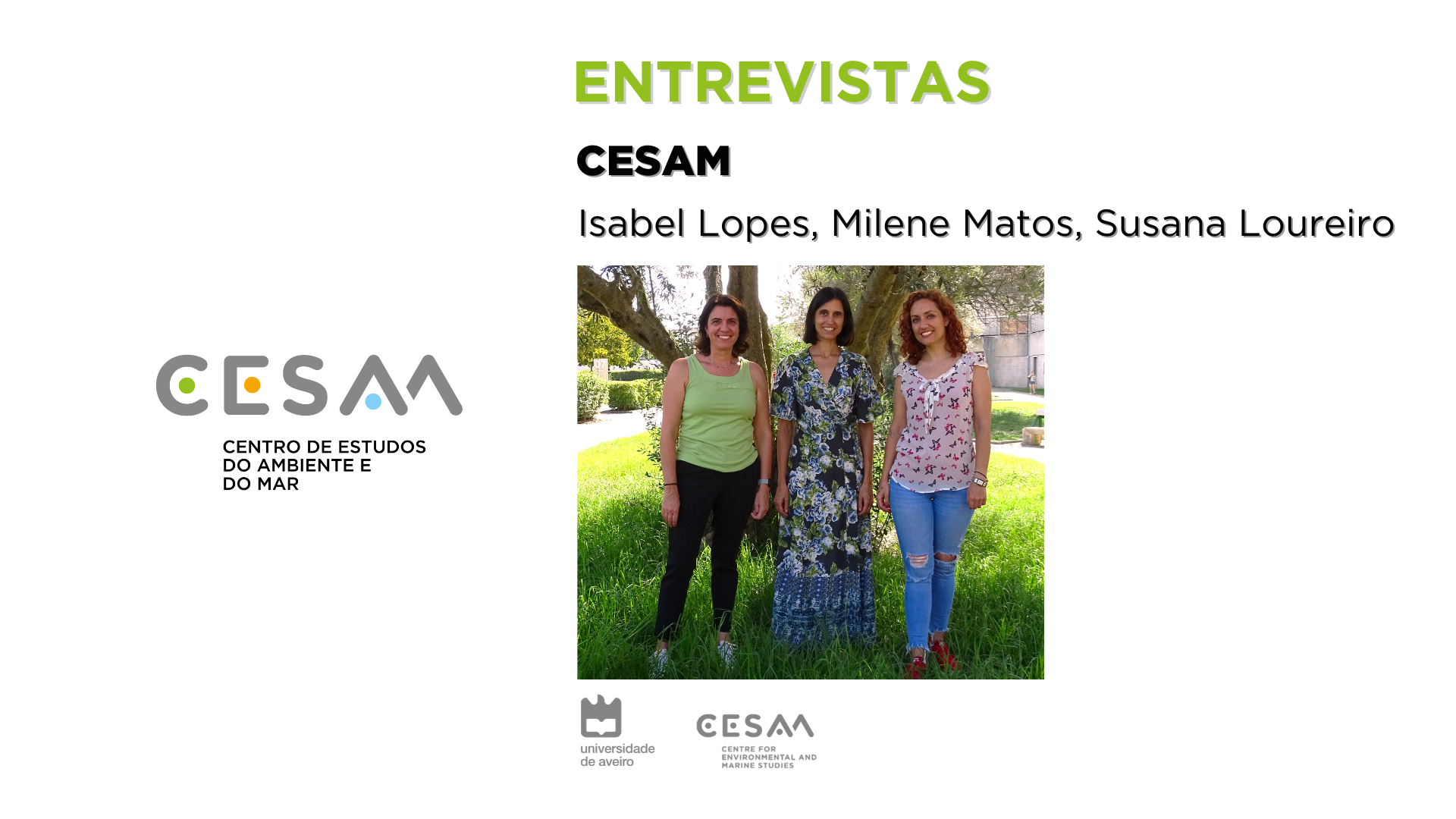
The RTP1 series, “Warriors for Nature,” portrayed a group of women with outstanding careers dedicated to Nature Conservation in Portugal. Their work contributes to ensuring the future of threatened species and protected habitats in our country.

In this program, broadcast between September and October of this year, the stories of several Portuguese women were shared in six documentary episodes.

Three of these women are researchers from CESAM, so we wanted to learn more about their participation in this television program.

Join us for our interview!

CESAM: First of all, thank you for being willing to share this experience with us.

CESAM: I’ll start by asking how you felt about sharing your personal and professional lives on television?

Isabel Lopes: I’m a private person, so I was apprehensive about sharing my personal life. However, after seeing the episode, I felt that the context of our personal lives was very well integrated with our professional journey, bringing fluidity and naturalness to this path. I felt comfortable with the sharing.

Milene Matos: I believe that the sharing didn’t focus so much on aspects of our private life but rather on the idea that science, as a means to have a positive impact on the environment and the community, is carried out by ordinary people. The series showed accessible and inspiring careers, especially for young students.

Susana Loureiro: Our personal and professional lives are always intertwined, and the choices we make personally reflect in our professional life. As children or young people, how we see the world influences the questions we ask and the choices we make.

CESAM: After the broadcast of the various episodes on RTP, you must have received contacts from family, friends, and acquaintances about your participation in the series. What feedback have you been receiving?

Isabel Lopes: I received very positive feedback about the series, from the structure to the images and information content. An interesting comment was that the presentation of personal information “makes the scientist more human and closer to society in general.”

Milene Matos: The feedback has been very positive, with numerous shares and reports of surprise regarding our work.

Susana Loureiro: I have received positive feedback from both close people, family, and work colleagues. However, with social media, feedback is faster and more ephemeral.

CESAM: This series was seen by more than half a million people in Portugal alone and reached the top 10 of the most-watched programs of the day on RTP1. These numbers only refer to viewers who watched the program live. Without a doubt, there were many more views through RTP Play. Furthermore, “Warriors for Nature” is being broadcast on RTP Africa, RTP International Asia, and RTP International America this week.

CESAM: In what ways do you believe your participation in a series with such reach has contributed to making your work known?

Isabel Lopes: The common channels we use to disseminate scientific knowledge are more focused on the academic and scientific community. Participation in a television series of this kind allows us to communicate with a much broader and diverse audience, conveying the scientific knowledge we develop in Portugal and its importance for the environment and society in general.

Milene Matos: In my particular case, the series revealed to a wider audience the transformative work that can be done at the local/municipal level, countering the myth that implementing sustainability actions takes decades.

Susana Loureiro: Participation in the series can show society the connection of science and research to current problems, with the aim of solving them in the short and long term. We can share successful examples that were shown in the various episodes. I hope this rekindles hope in many young people, especially girls and women, considering careers related to science.

CESAM: Thank you very much for sharing your experiences and reflections.

Like you, we hope that this program can inspire young people to pursue careers in science and make significant contributions to the environment.

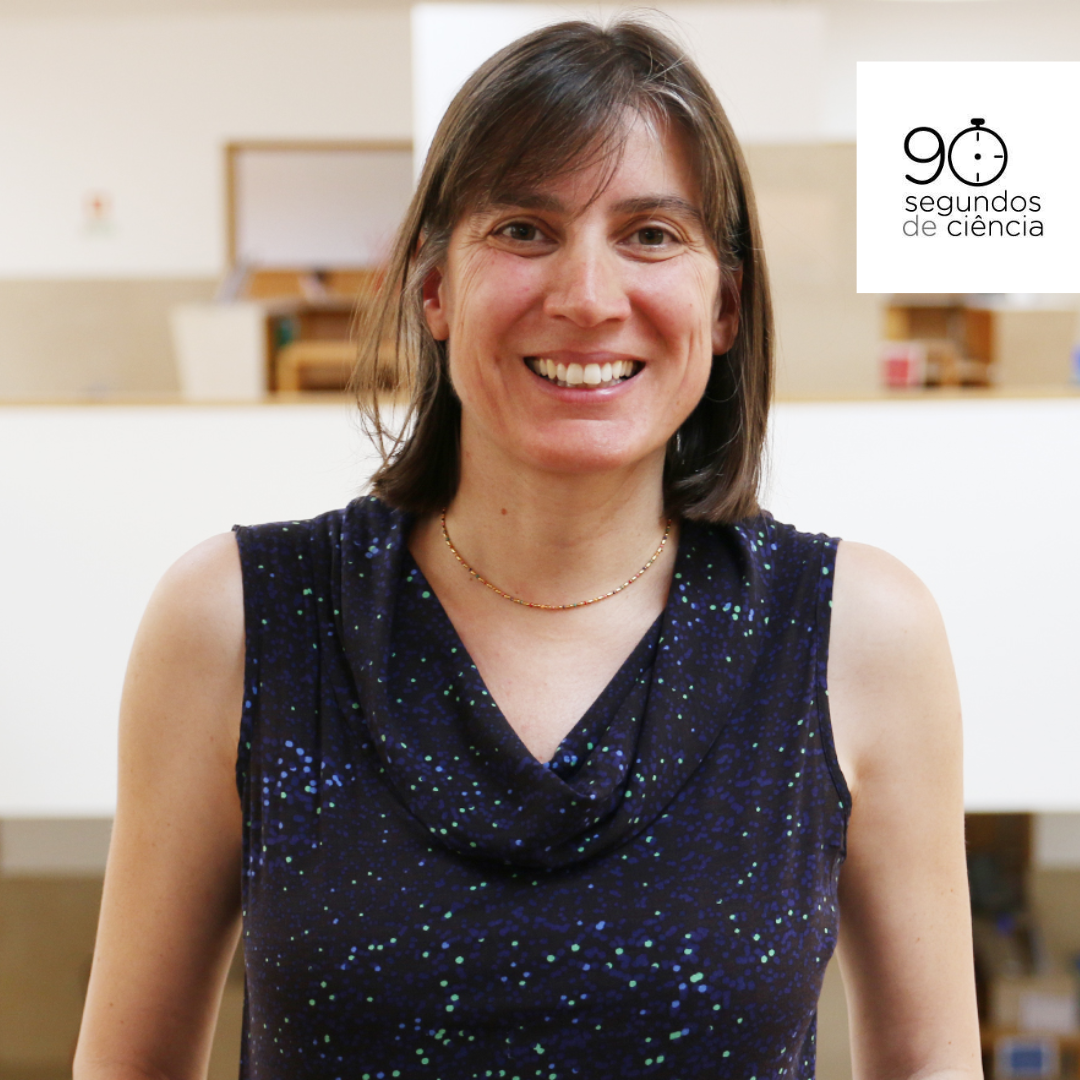
Cláudia Mieiro, a researcher from CESAM/DBio, participated in the “90 Seconds of Science” program on Antena 1, where she discussed the impact of titanium dioxide and silver nanoparticles on the reproduction of marine organisms. During her participation, the researcher revealed that these two compounds are frequently found in products such as cosmetics and sunscreens, which can have implications for human health as well as environmental consequences.

The studies in which she participated, as part of the “NanoReproTox: Unraveling the ecological impacts of nanoparticle toxicity on the reproduction of marine organisms” project, funded by the Foundation for Science and Technology (FCT), highlight the effects of these nanoparticles on two species, gilthead seabream and Pacific oyster, due to their ecological and economic relevance. The results of this study indicate that nanoparticles have a moderate effect on the reproduction of these organisms, with noticeable variations between the two species.

While no changes in sperm performance were observed in gilthead seabream, in the case of the Pacific oyster, which seems to be more susceptible to these nanoparticles, it was found that titanium dioxide affects the integrity of the oyster’s sperm DNA, and silver reduces its mobility.

To listen to the complete program here.

Three new European projects have recently been launched, in which CESAM is involved. These projects represent a commitment to research and environmental preservation, addressing a variety of challenges related to biodiversity and the conservation of natural ecosystems.

The “Mariculture for Rewilding Subtidal Seagrass Meadows in the Ria de Aveiro” project began on September 1, 2023, and will run for a duration of 7 years. The overall coordinator of this project is CESAM/DBio researcher João Pedro Coelho, and the project has a total funding of €3,426,795.91.

The project “REWRITE – REWilding and Restoration of Intertidal Sediment Ecosystems for Carbon Sequestration, Climate Adaptation, and Biodiversity Support” also commenced on September 1 of this year and will run for 5 years. CESAM is a partner in this project, coordinated at the University of Aveiro by researcher Ana Sousa, with a total funding of €7,932,116.48.

Finally, the “LIFE Godwit Flyway – Conservation of the Black-tailed Godwit Along the Migration Route” project started on July 1, 2023, and will run for more than 7 years. CESAM is a partner in this project, with José Alves (CESAM/DBio) as the responsible researcher at the University of Aveiro. This project has received total funding of €794,261.00.

We eagerly anticipate learning about the results and impact of these projects.

On the 19th and 20th of October, the meeting that marked the beginning of the LIFE SeagrassRIAwild project took place, coordinated by the researcher from CESAM, Pedro Coelho.

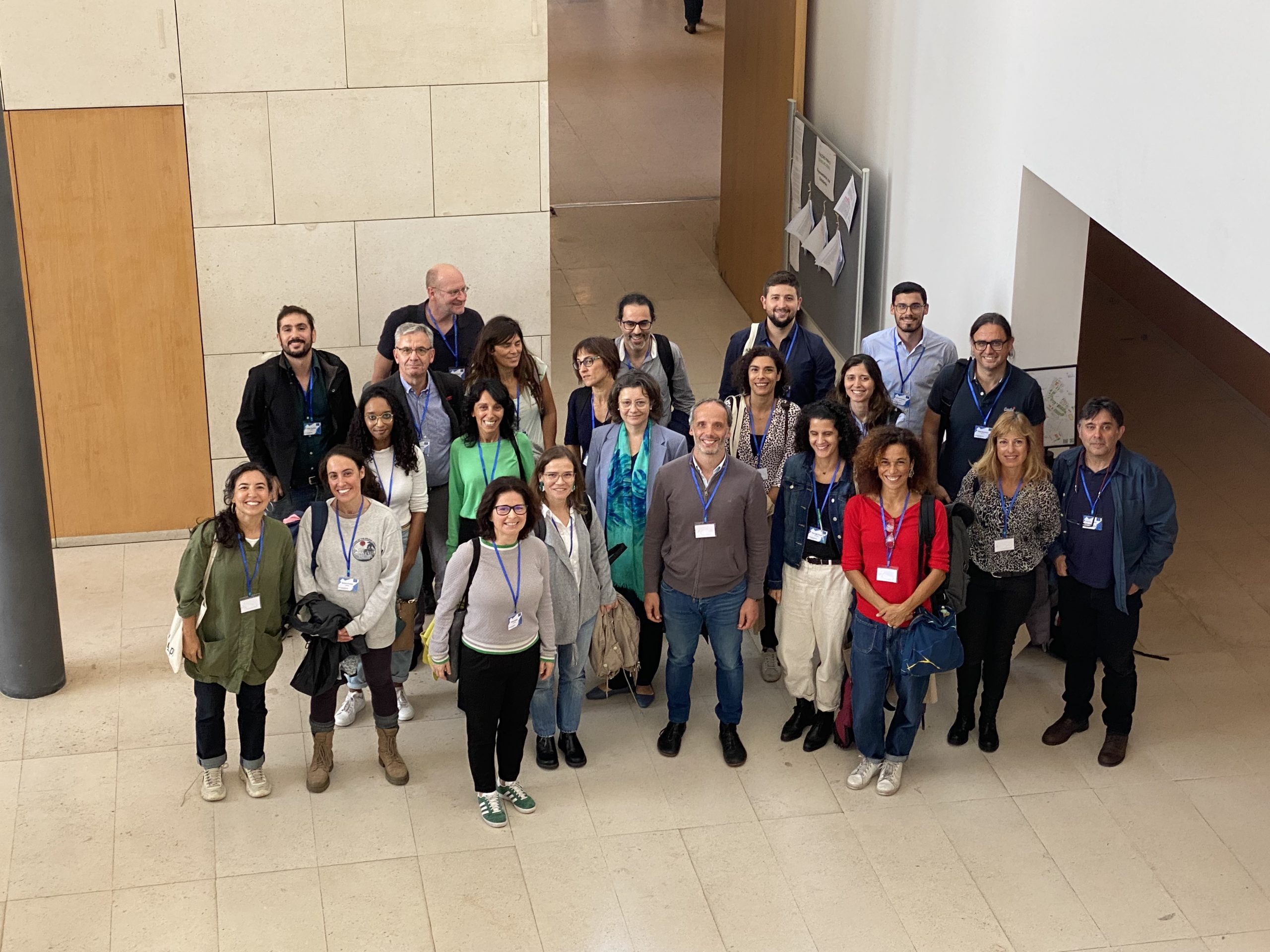
This event was held in the Academic Hall at the University of Aveiro’s Rectorate building and was attended by various consortium members, which includes Portuguese, Spanish, and German research centers, companies, and NGOs.

Soon, at CESAM, we will have exclusive content for you to get to know this project better.