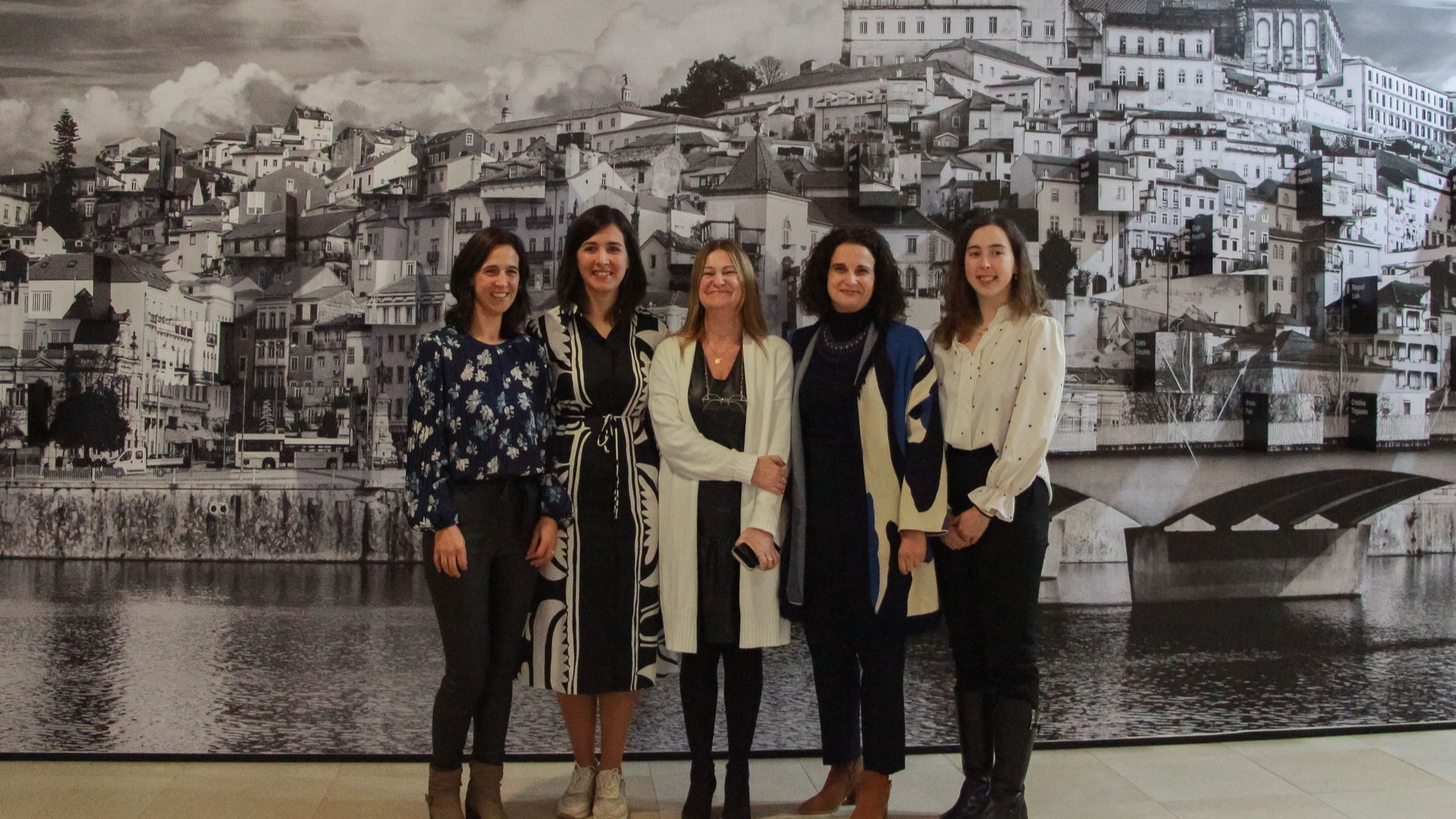
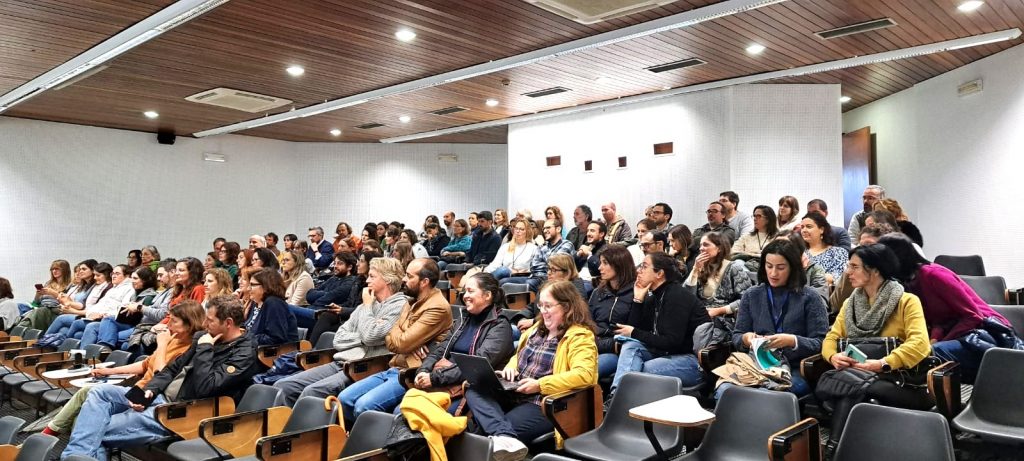
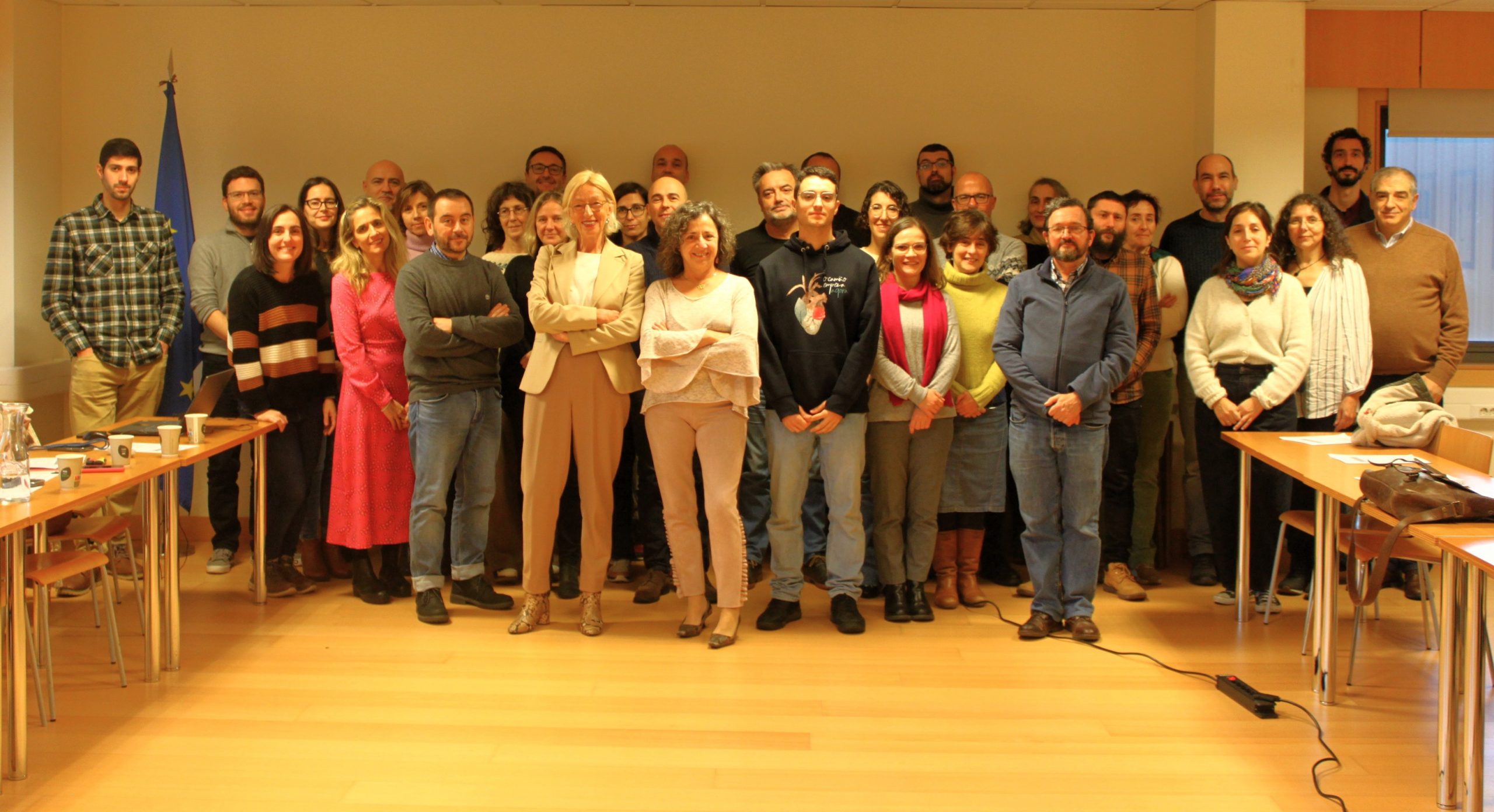
On December 13th, in Vigo, the first meeting of the project “CAPTA – Climate Neutrality: the role of Blue Carbon on the Coast of Portugal and Galicia” took place, coordinated by CETMAR-Centro Tecnológico do Mar de Vigo. Ana Sousa, a researcher from CESAM/DBio and project coordinator at the University of Aveiro, attended the meeting representing the University of Aveiro team, which includes researchers from the Department of Biology and the Department of Physics.

The consortium, consisting of 11 partners from Galicia and Portugal, gathered to initiate the work and contribute to the assessment of the role of Blue Carbon on the coast of Portugal and Galicia in blue carbon ecosystems (seagrass meadows and salt marshes). The aim is to contribute to climate adaptation and carbon neutrality. The project will span 3 years and is co-financed by the European Union under the Interreg Spain-Portugal Program (POCTEP).

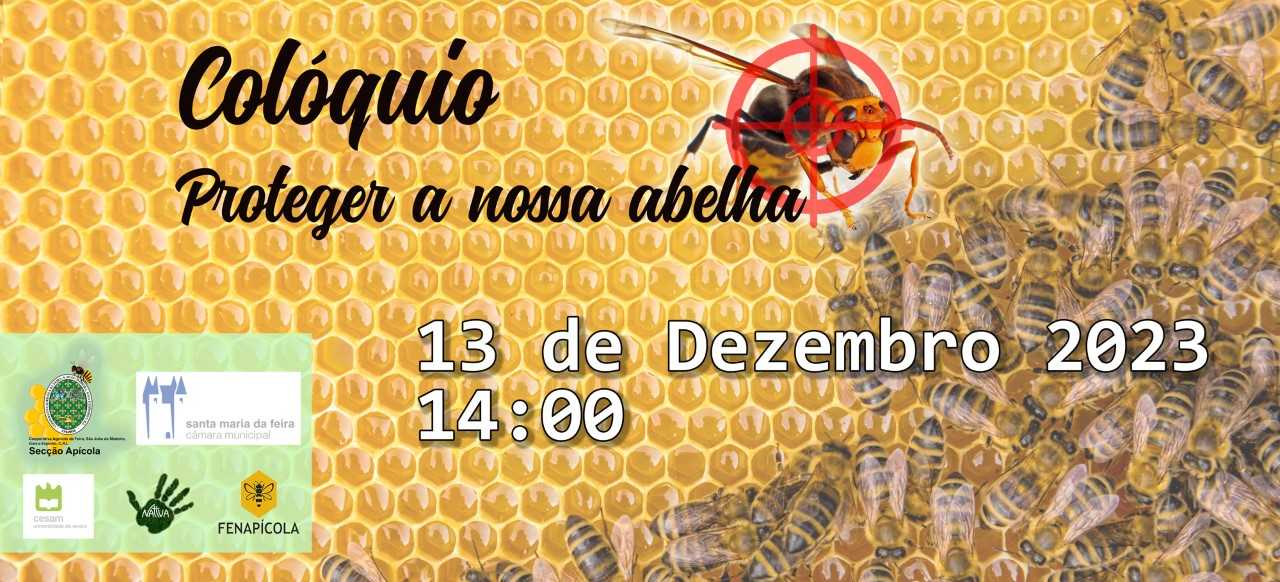
The symposium “Proteger a nossa abelha,” held in Santa Maria da Feira on December 13, aimed primarily to provide participants with knowledge to safeguard their beehives, with a special focus on the threat posed by the Asian hornet. CESAM/DBio researcher Olga Ameixa played an active role during the symposium with a presentation titled “Biology and Ecology of Vespa velutina nigrithorax (Hymenoptera: Vespidae),” discussing the historical invasion of the species in Europe and Portugal, the ecology and biology of the species, and the need to distinguish Vespa Velutina from other wasp and bee species.

The initiative, promoted by the Agricultural Cooperative of Feira, São João da Madeira, Gaia, and Espinho, also aimed to disseminate information about the available support for beekeepers in the year 2024. It also marked the establishment of the beekeeping section of the cooperative, intended to provide technical support, assistance with support applications, and address other relevant issues for local beekeepers.

Present at this event were representatives from Civil Protection of Santa Maria da Feira, the Civil Protection of São João da Madeira, a representative from FENAPICOLA, and the association Nativa, highlighting the importance of collaboration among various stakeholders in protecting bees and combating the Asian hornet.

The SOLarClean project emerged victorious in the first edition of I2D – Igniting Interdisciplinarity, promoted by the School of Health Technology | Polytechnic Institute of Coimbra (ESTeSC). This innovative project, led by researcher CESAM/DQUA Diana Lima, aims to use solar radiation to sustainably remove antibiotics from water. Its carbon-based magnetic photocatalysts offer an economical and ecological solution, aligning with the UN’s goals for water sustainability until 2030.

Congratulations to the team behind this project!

Learn more here.

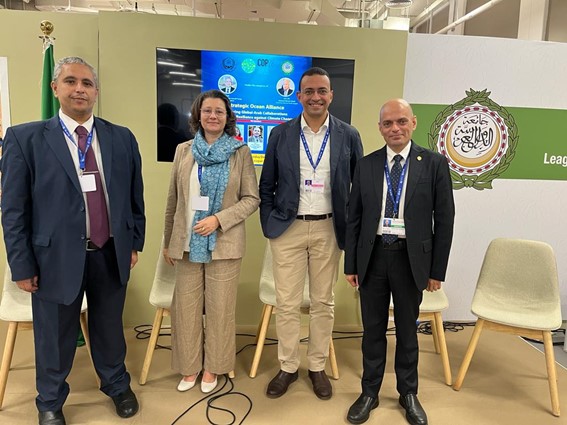
Ana Lillebø, Principal researcher at CESAM and Vice-Rector of University of Aveiro, took part in the activities of the Conference of the Parties to the United Nations Framework Convention on Climate Change (COP28). On 9 December, 17:30, she participated as speaker at the side event session on “Strategic Ocean Alliance: Fostering Global-Arab Collaborations for Marine Resilience against Climate Change”, organized by the League of the Arabian States, in the Blue Zone, Dubai.

Ana Lillebø contributed to the session on the topic Climate Change Impacts on Coastal Ecosystems and Their Role in Addressing Climate Challenges, addressing the role of the Blue Carbon ecosystems and the Coastal Restoration with Nature and People.

This session was organized by the Arab Academy for Science, Technology and Maritime Transport and is conducted under the auspices of Prof. Ismail Abdel Ghafar Ismail Farag, the President of AASTMT, and H.E. Mr. Ahmed Aboul Gheit, the Secretary General of the Arab League.

COP28, held in Dubai from 30 November to 12 December 2023, features a series of specialized technical sessions covering several topics regarding the climate crisis. Participants include business leaders, young people, climate scientists, journalists, and various other experts and stakeholders.

The annual UN Climate Change Conferences are the world’s pre-eminent multilateral decision-making forum on climate change, with nearly all the world’s countries represented.

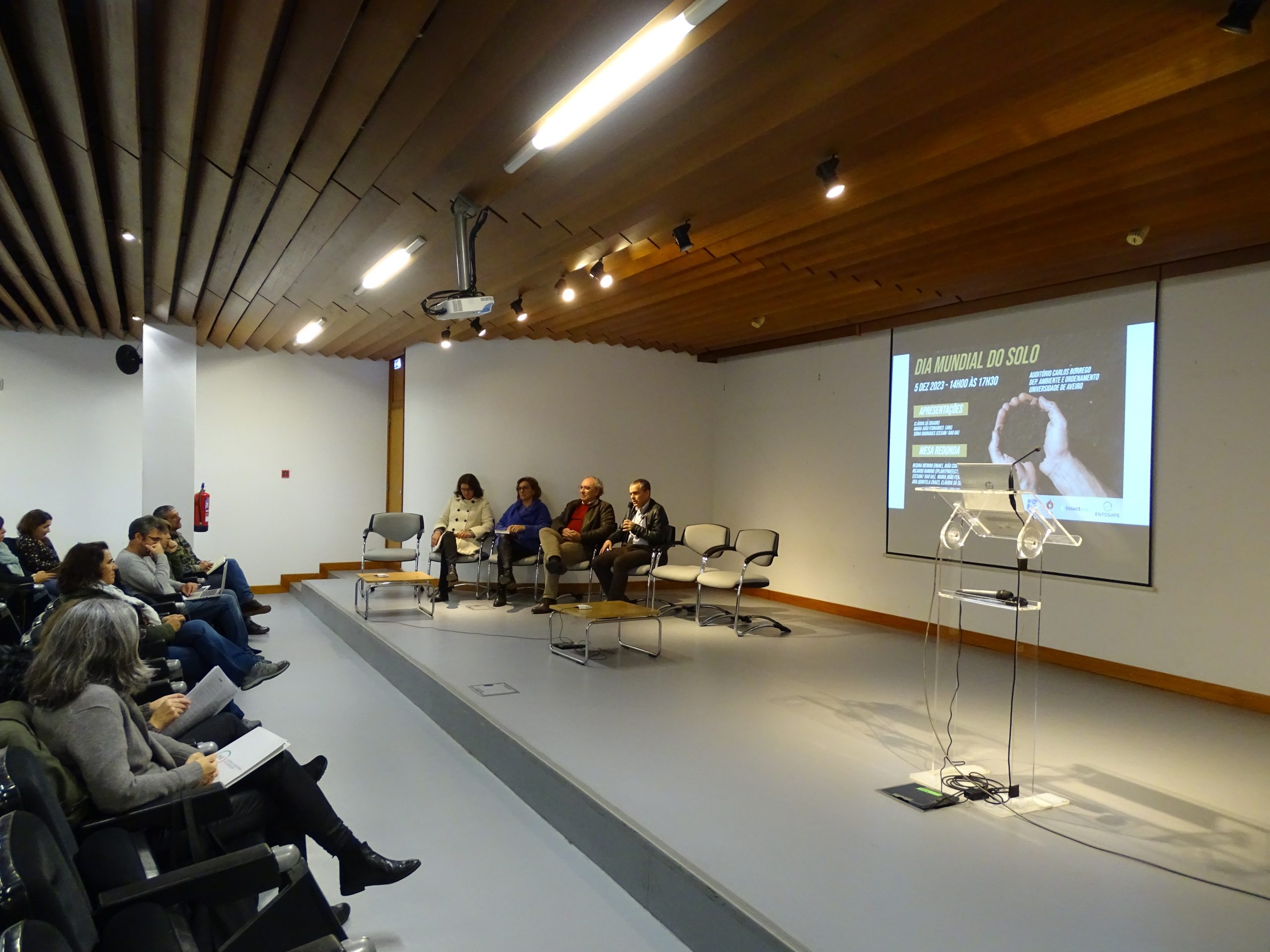
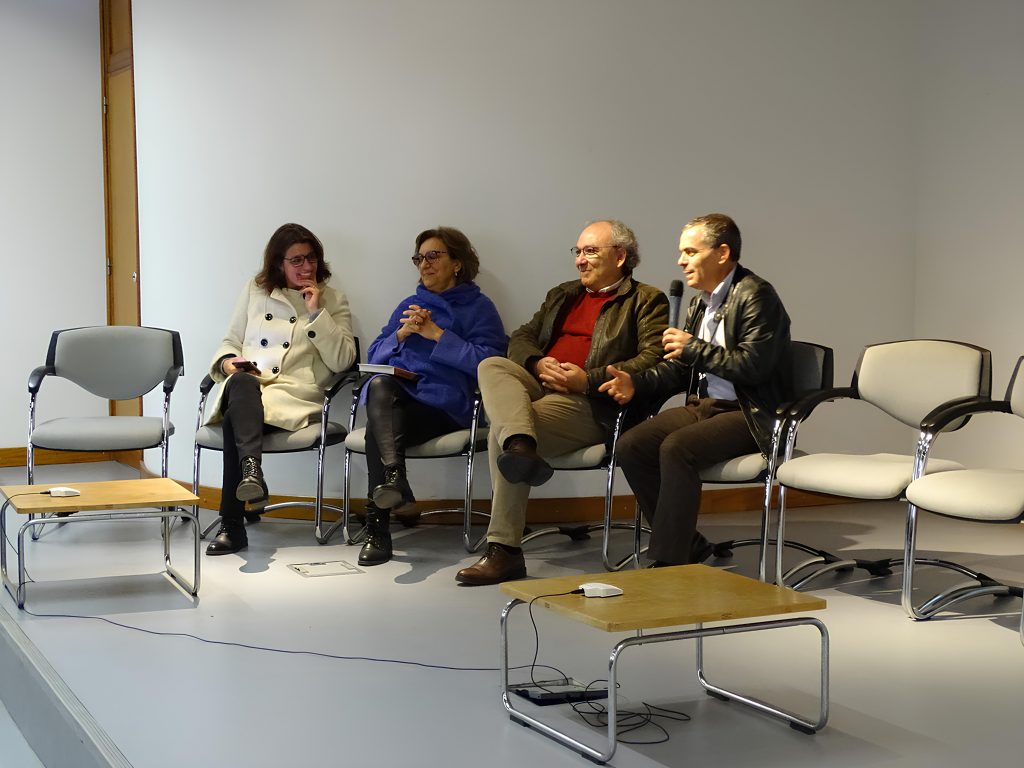
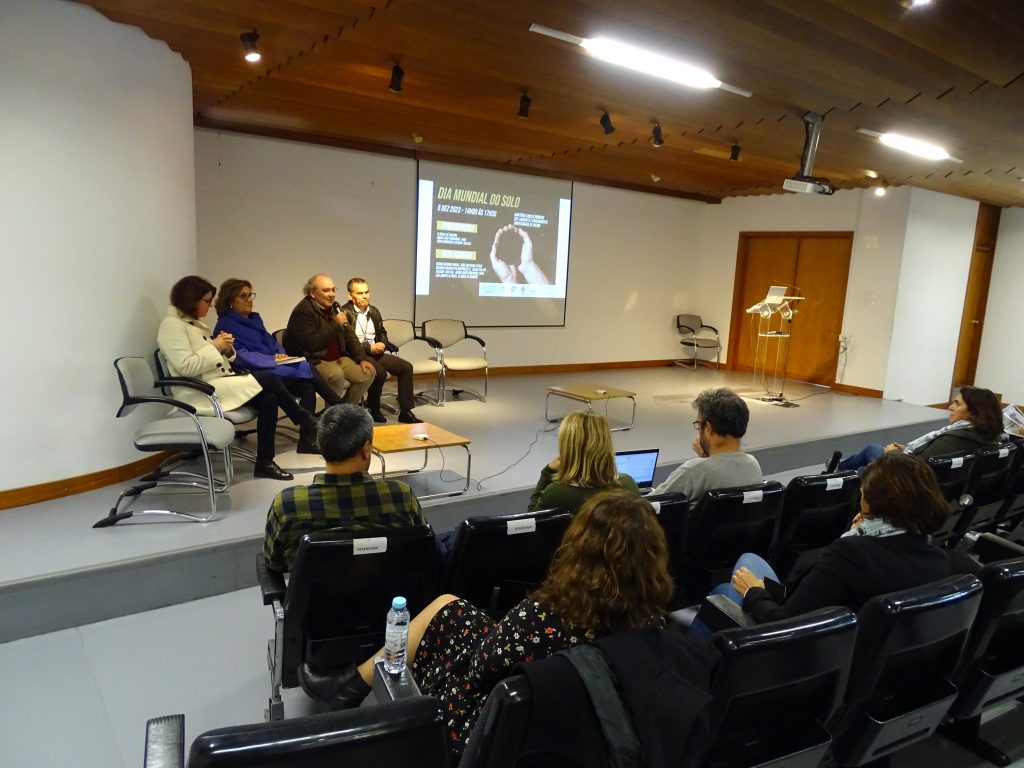
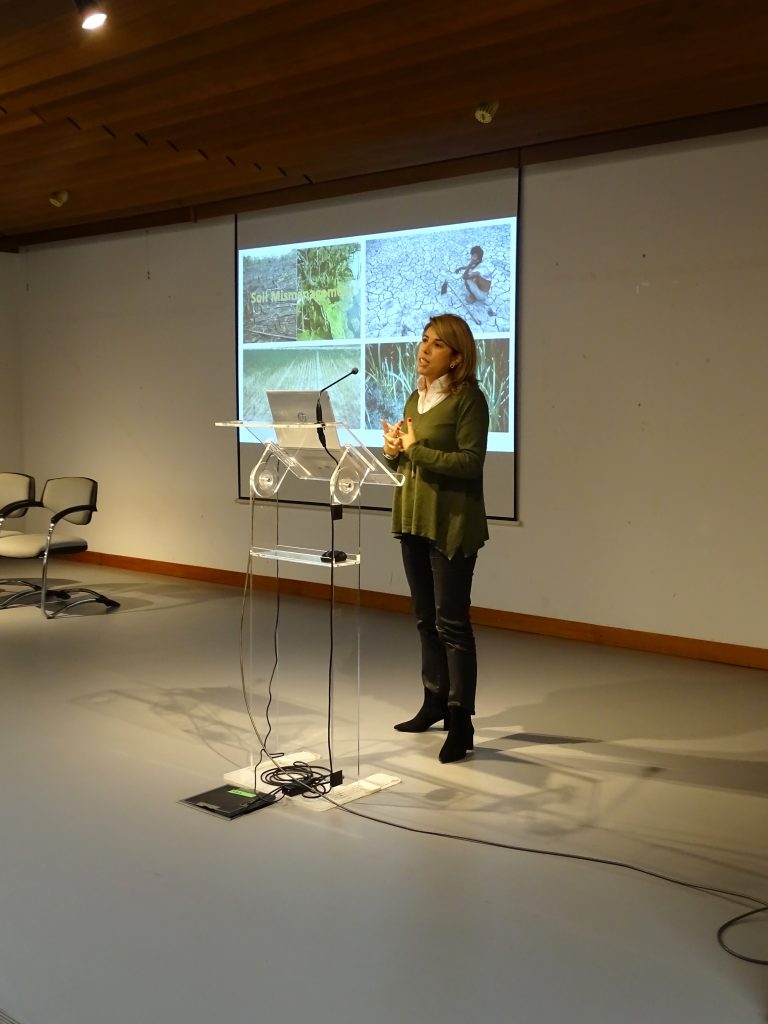
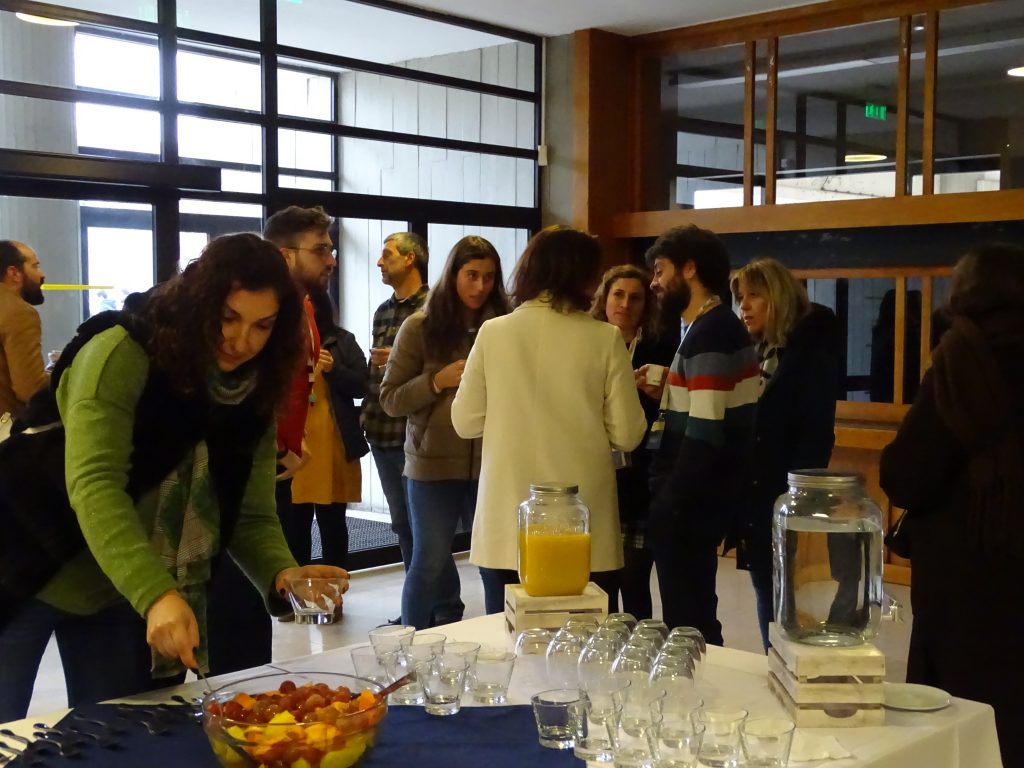
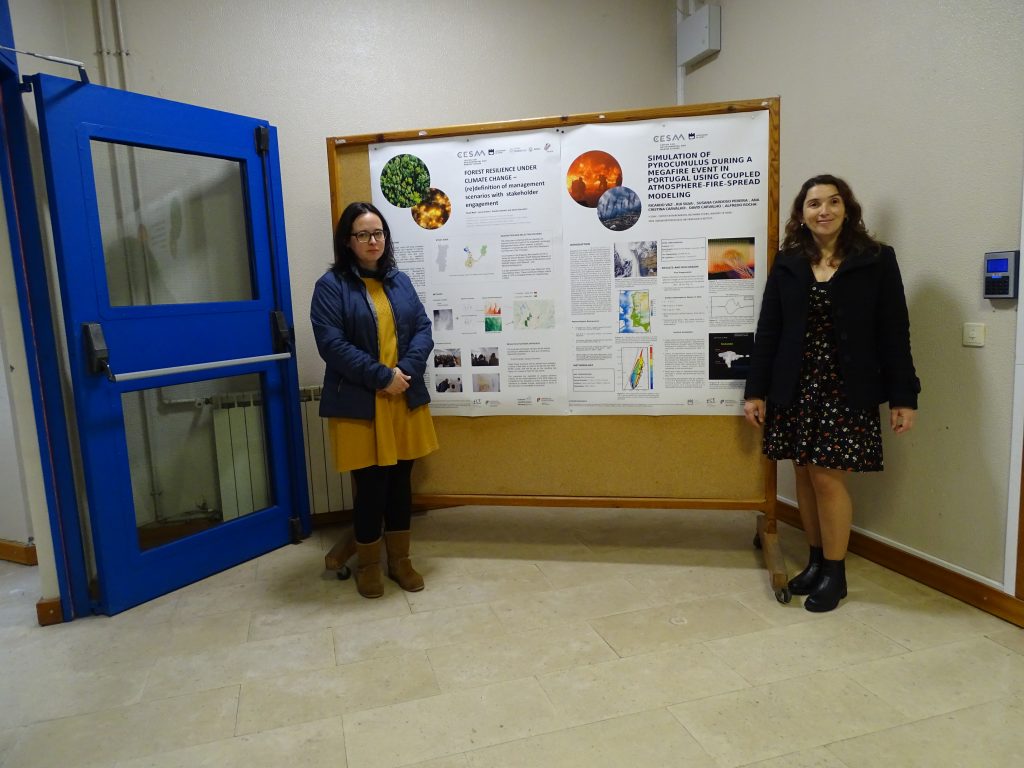
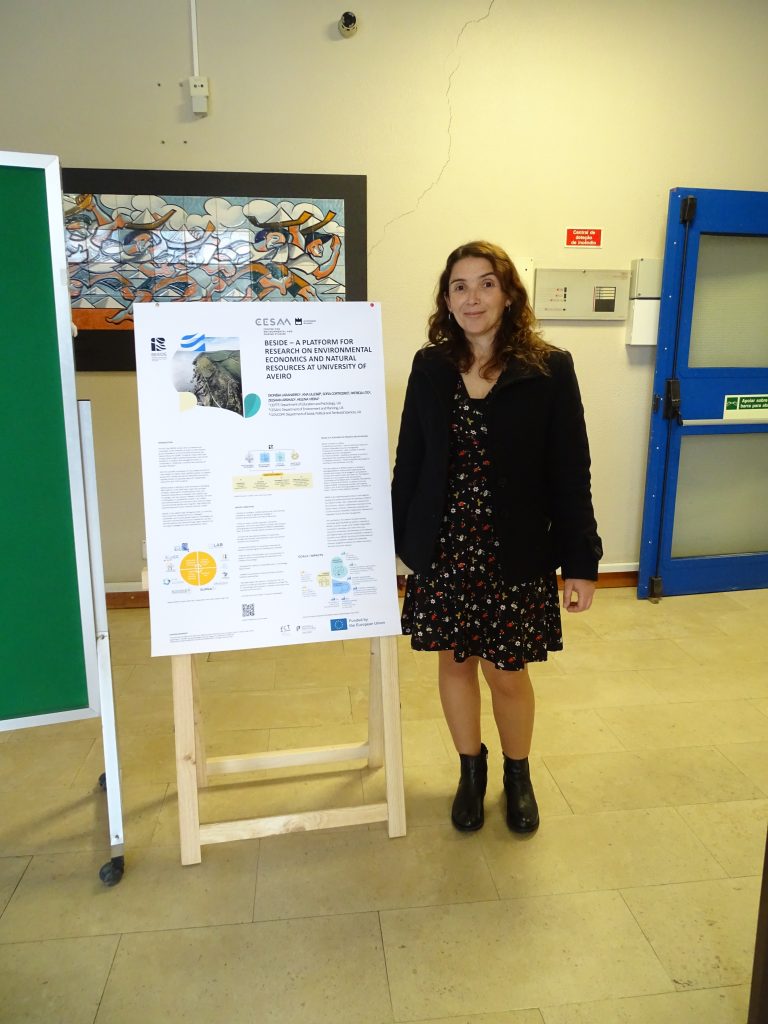
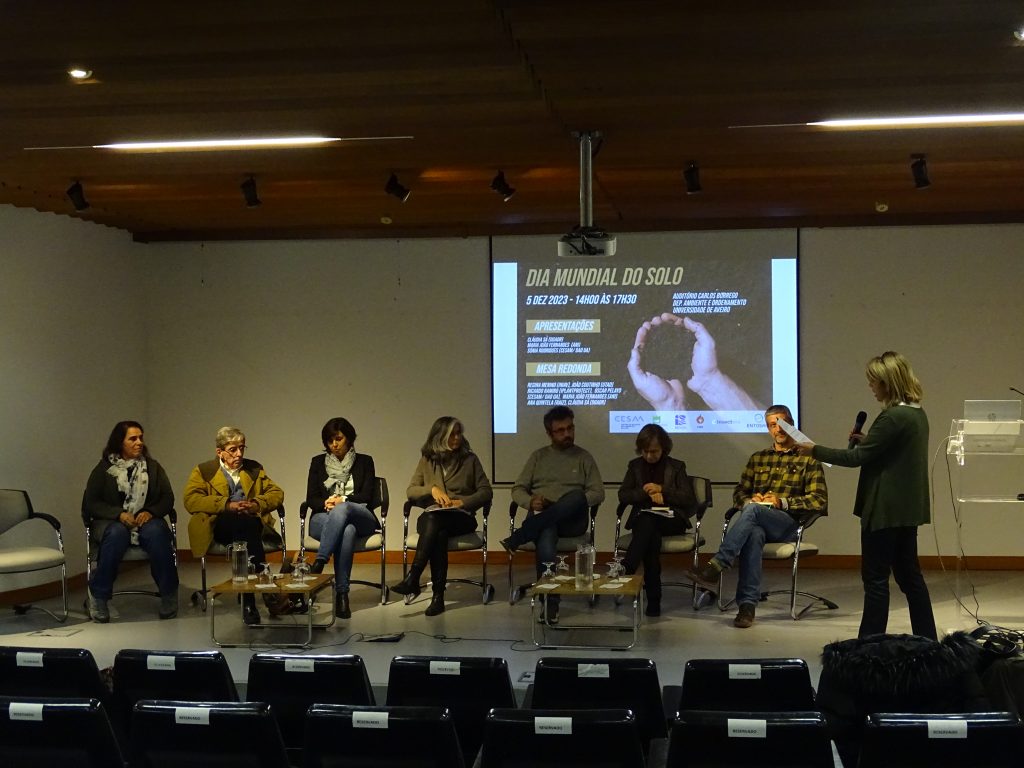
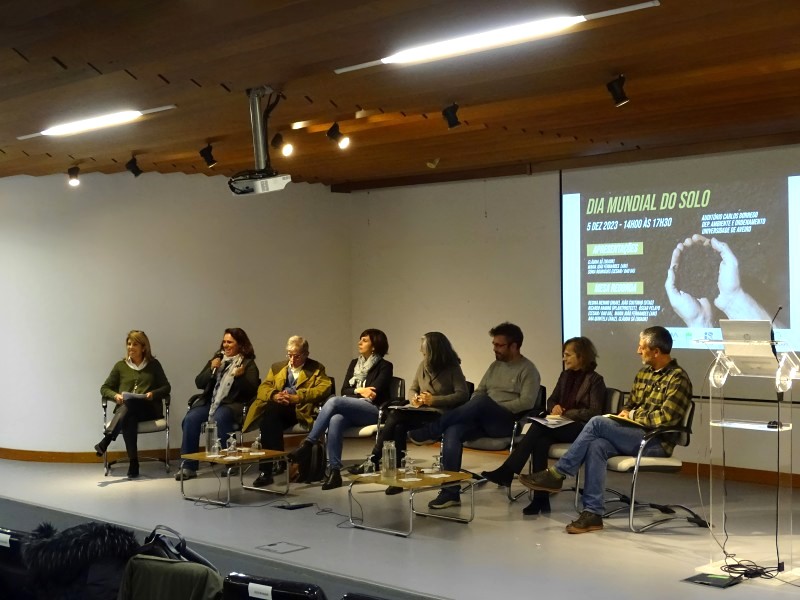
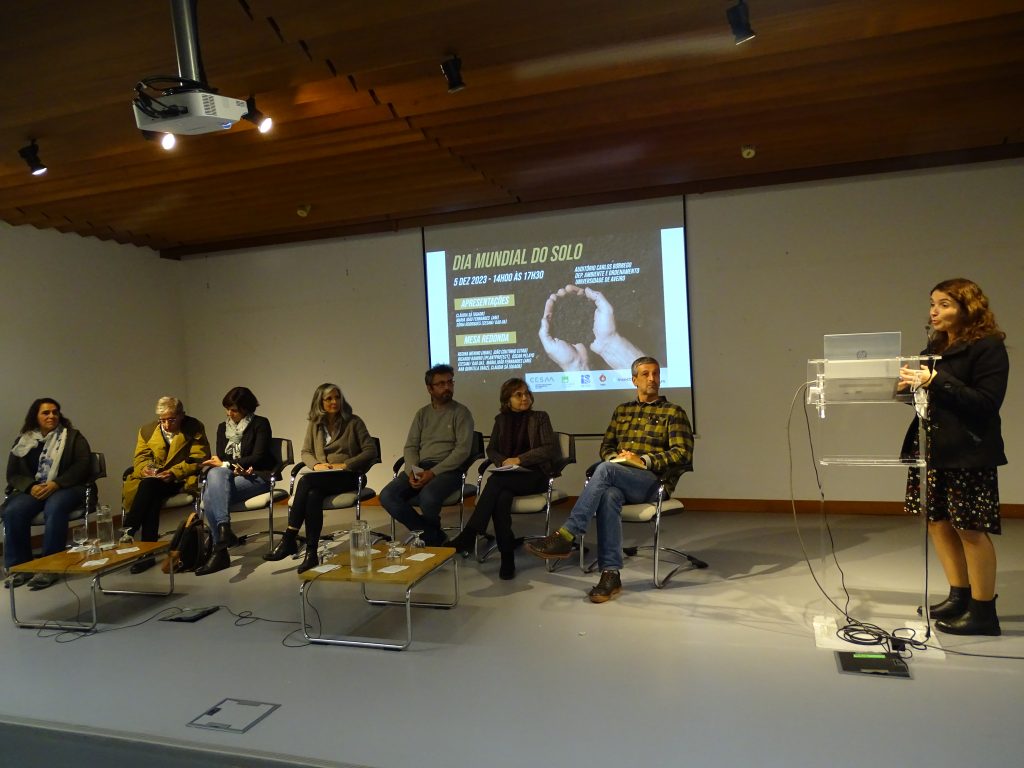
On December 5th, the Department of Environment and Planning (DAO) at the University of Aveiro hosted a commemorative event for World Soil Day, organized by CESAM in collaboration with the projects BESIDE, FoRES, Insectera, and ENTOSAFE.

The welcome to guests and participants was conducted by the Vice-Rector, Professor Artur Silva, Professor Amadeu Soares (Coordinator of CESAM), and Professor Fátima Alves (DAO Director). In their speeches, they emphasized the importance of soil, its conservation, and valorization for society, highlighting that the theme is highly relevant in both the research lines of the University of Aveiro and CESAM, as well as in the work of the Department of Environment and Planning, which has dedicated over 40 years to this area.

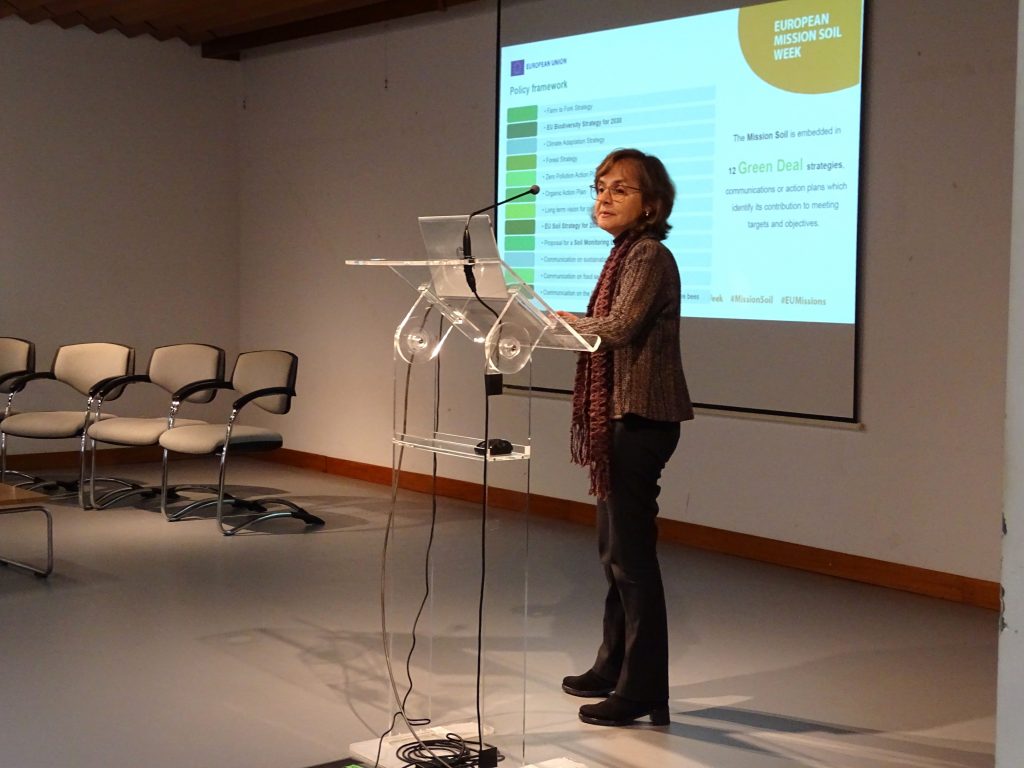
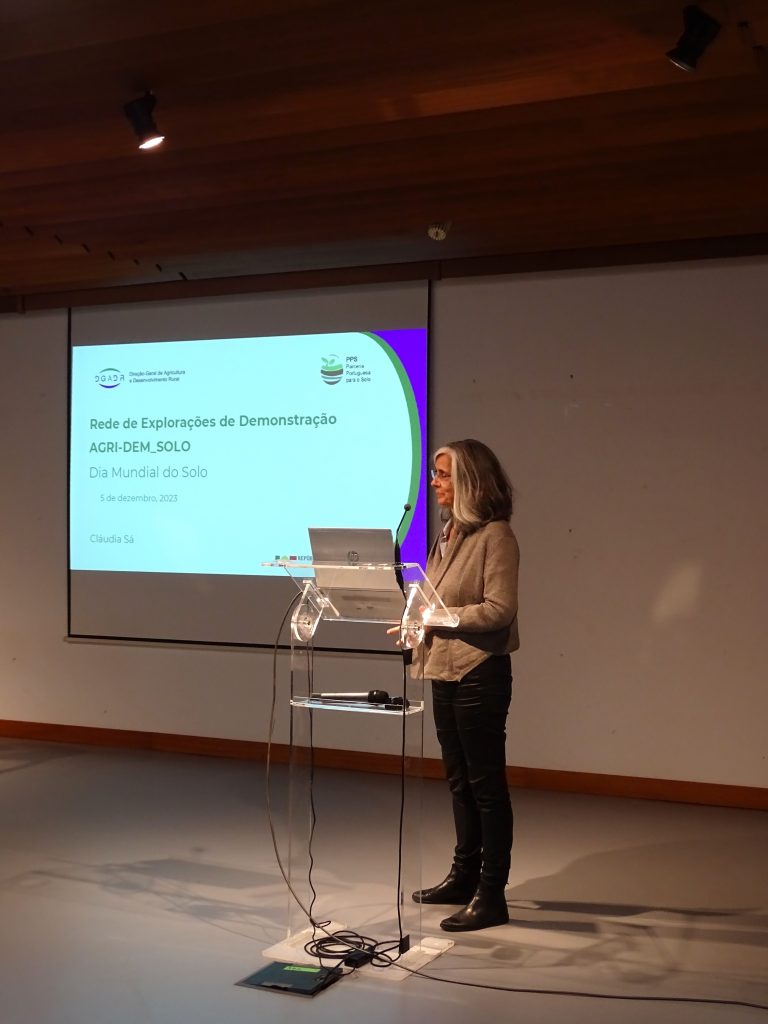
In the first part of the event, moderated by Dr. Susana Loureiro (CESAM/DBio), strategies and initiatives related to soil conservation and valorization were presented. The presentation by Dr. Cláudia Sá from the Directorate-General of Agriculture and Rural Development (DGADR) on the “AGRI-DEM_SOLO Demonstration Farm Network” stood out. Following that, Dr. Maria João Fernandes from the National Innovation Agency (ANI) discussed funding and collaboration opportunities within the Solo Mission framework. Finally, Dr. Sónia Rodrigues from CESAM/DAO presented the main research lines included in the recently approved European project within the Solo Mission framework related to Soil Literacy.

The debate was enriched with the presentation and discussion of strategies and different perspectives, strengthening networking opportunities and collaboration between institutions around this vital and vulnerable resource: soil.

Some of the images captured during the event:

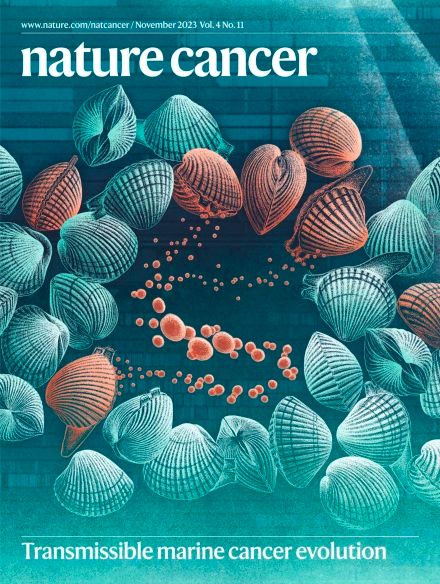
The latest issue of Nature Cancer highlights research involving CESAM/DBio researchers Seila Díaz, along with Ricardo Calado and Fernando Ricardo. The investigation revealed the ability of the cockle, a common species in the waters off the Portuguese coast, to contract transmissible cancers through living cancer cells present in seawater. The results not only advance the understanding of this intriguing phenomenon but also provide a reference genome sequence for cockles, contributing to further studies on the evolution of these contagious cancers.

The choice of Nature Cancer to feature this research on the cover underscores the global significance of these findings and recognizes the importance of the work conducted.

This cover will soon be added to the “CESAM Covers” exhibition, displayed on the staircases leading to floors 3 (laboratories) and 5 (administrative services and meeting room) of building 3.

Learn more about this article here.

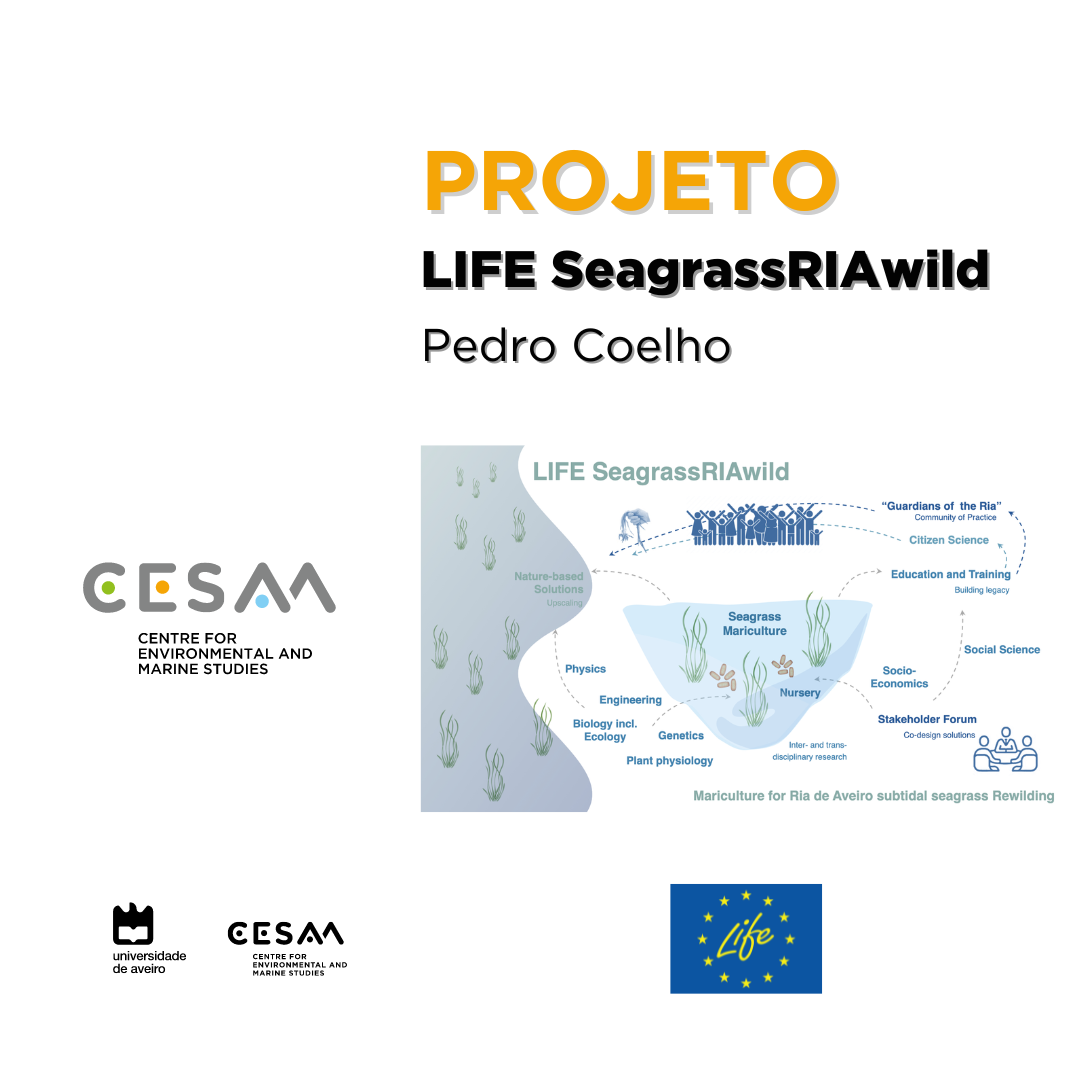
CESAM sought to learn more about the LIFE SeagrassRIAwild project, coordinated by researcher Pedro Coelho.

In an exclusive interview, the motivations behind the conception of the project, its potential impact on the preservation of seagrass meadows in the Ria de Aveiro, and the vision for the next seven years were discussed.

Follow this interview and learn more about this project.

CESAM: What were the reasons and inspiration behind the creation of the proposal that led to the LIFE SeagrassRIAwild project?

Pedro Coelho: The LIFE SeagrassRIAwild proposal follows several years of the team’s work in this field (namely the projects RemediGrass, ReMoliço BioPradaRia, and C-Grass), addressing various aspects related to the ecology, restoration of seagrass meadows, and their use as a nature-based solution in ecosystem rehabilitation, with a focus on the dominant species in the Ria de Aveiro, Zostera noltei. In parallel, small patches of Zostera marina were recently identified in the Mira branch, after decades in which this species was not observed in the system. The presence of Zostera marina suggests that the current environmental conditions in the Ria de Aveiro are conducive to its restoration, justifying an initial project (FITA) with the aim of triggering actions for its protection and recovery.

Simultaneously, the importance of ecological restoration of ecosystems has gained prominence internationally, both at the European level (The European Green Deal, the Biodiversity Strategy for 2030, and the climate change adaptation strategy, as well as the future European Ecological Restoration Law) and globally (The United Nations Decade on Ecosystem Restoration), resulting in more funding opportunities. Taking into account the current political receptivity, the natural resurgence of the species in the system, and its historical and ecological importance to the Ria de Aveiro, we considered that this was the right time to advance with a large-scale restoration project in the system.

CESAM: What is the magnitude of the contribution you expect this project to have on the recovery and conservation of seagrass meadows in the Ria de Aveiro?

Pedro Coelho: The LIFE SeagrassRIAwild project proposes a paradigm shift for the ecological restoration of seagrass meadows, not only in the Ria de Aveiro but globally, by using the mariculture concept (cultivation in controlled conditions, in former salt pans of the University of Aveiro that will be converted for this purpose). This will serve as a source of biomass and seeds necessary for the implementation of large-scale recolonization programs, without causing impacts on donor plains.

We will promote the involvement of the academic community, local authorities, national environmental agencies, NGOs, user associations, and citizens in the co-creation and implementation of restoration solutions and actions to increase acceptance, involvement, and investment from all local actors in the project. The goal is for the recovery process of seagrass meadows in the Ria de Aveiro to be not just a scientific project of the academy but a project and movement for the entire region, with a significant citizen science foundation.

Finally, the project aims to contribute not only to the ecological restoration of seagrass meadows but potentially to put these communities at the service of the population by exploring innovative nature-based solutions for managing navigability of access channels to docks and marinas that, if effective, have the potential to integrate routine processes of ports, marinas, and management authorities and potentially minimize the dredging needs currently observed.

CESAM: Seven years from now, what scenario do you expect to have achieved as a result of this project, in terms of impact and changes in seagrass meadow areas?

Pedro Coelho: The objectives we set are ambitious but based on the quality and experience of the consortium. We estimate being able to colonize an area of 12 hectares with Zostera marina, divided into 8 hectares inside the salt pans and 4 hectares in various channels of the Ria. The goal will be to expand these areas after the 7 years of the project based on the project’s legacy, including the mariculture infrastructure and the established volunteer network.

Simultaneously, we estimate a positive impact of the project’s actions on various levels. Firstly, on local biodiversity, with a special focus on threatened species such as seahorses or eels, closely associated with seagrass meadows. On the other hand, considering the relevant role of seagrass meadows in carbon sequestration, we estimate that the transplanted area could fix up to about 30 tons of CO2 per year, a significant contribution to reducing greenhouse gas emissions. Finally, we anticipate that the presence of green corridors of seagrasses along the edges of navigation channels will serve as a particle filter and reduce sedimentation rates in these channels, minimizing the need for dredging and associated negative effects.

CESAM: Thank you very much for your participation in this interview and for sharing these insights about LIFE SeagrassRIAwild. We hope, in the future, to share some initiatives and results within the scope of this project.
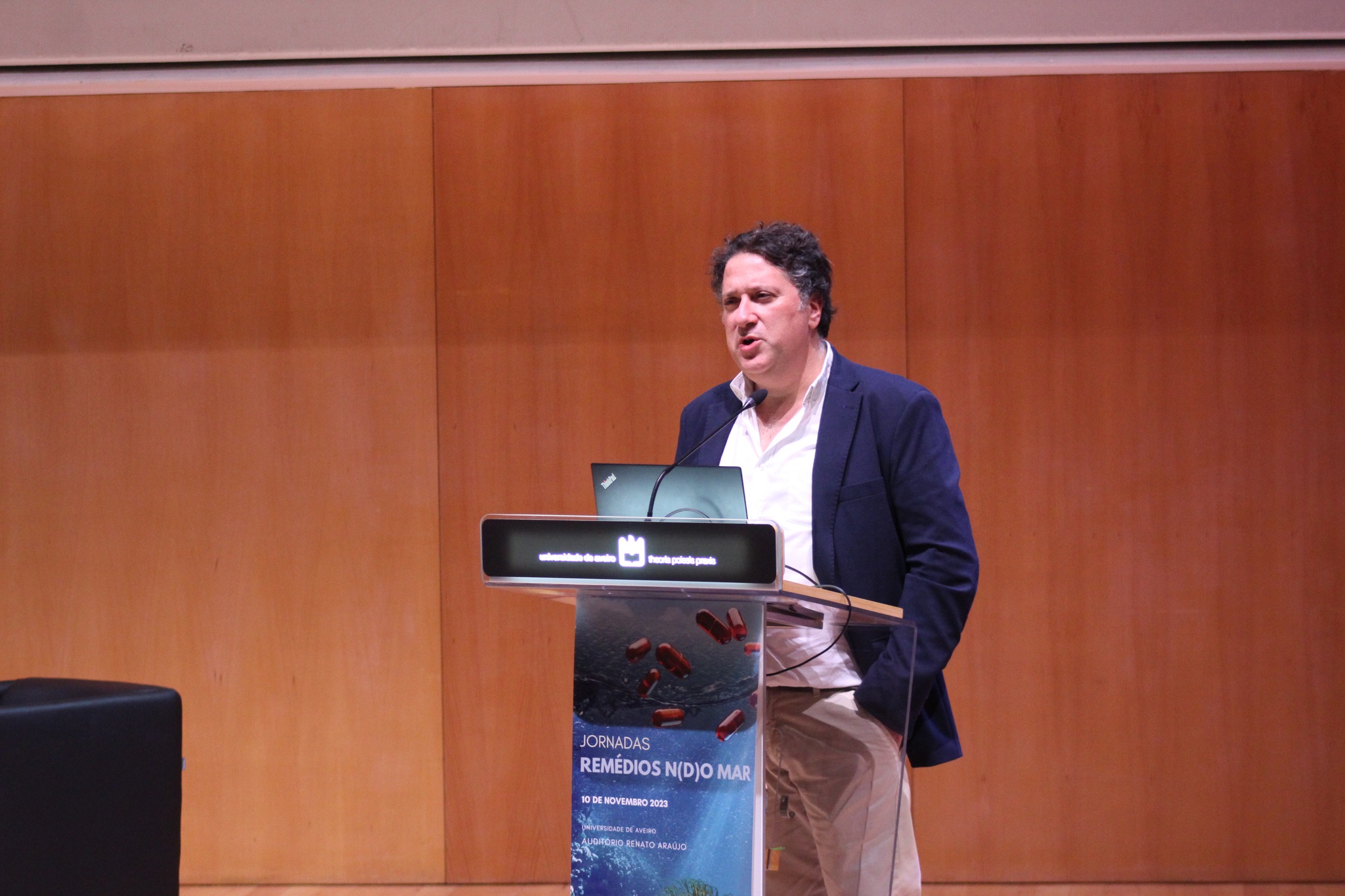
After the ‘Remedies from the Sea’ event, Bruno Nunes, a researcher from CESAM/DBio, shared the results of his research on Rádio Regional do Centro, addressing various essential issues related to the environmental impact of medications. Throughout the interview, he delved into topics such as the entry of medications into the environment, the effectiveness of waste treatment systems, the environmental safety of daily medications, the necessary precautions with unused medications at home, and the options available to citizens wishing to contribute to environmental preservation.

The interview provides an enlightening and practical insight into how each individual can play an active role in environmental protection.

Listen to the complete interview here.

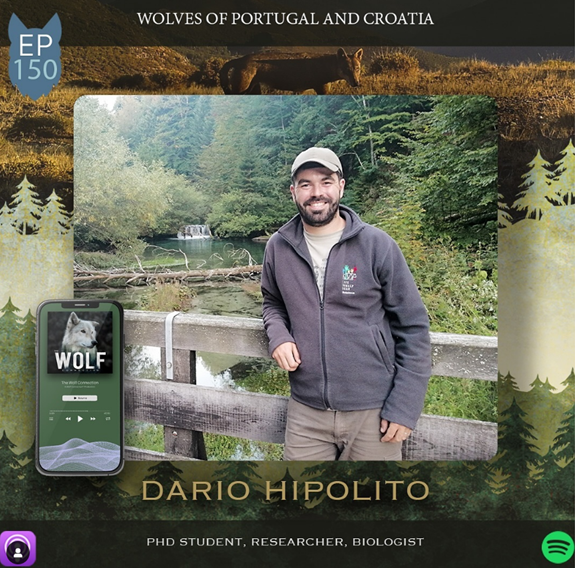
Dário Hipólito, a PhD student from CESAM, is dedicated to studying wolves in the Iberian Peninsula and Croatia. His work aims to promote harmonious coexistence between humans and wolves in both locations.

On “The Wolf Connection” podcast, Dario shared his journey in researching wolves in Europe, emphasizing how he engages rural communities in discussions about coexistence with these animals and discussing the specific challenges faced by wolves in Portugal.

Listen to the full episode here.

The FCT Tenure Program aims to hire researchers currently on fixed-term contracts, contributing to reducing job precarity. As of November 15, CESAM has 118 researchers as Integrated Members, who are currently on fixed-term contracts (CEEC, IF, NT, projects) or hold post-doctoral fellowships.

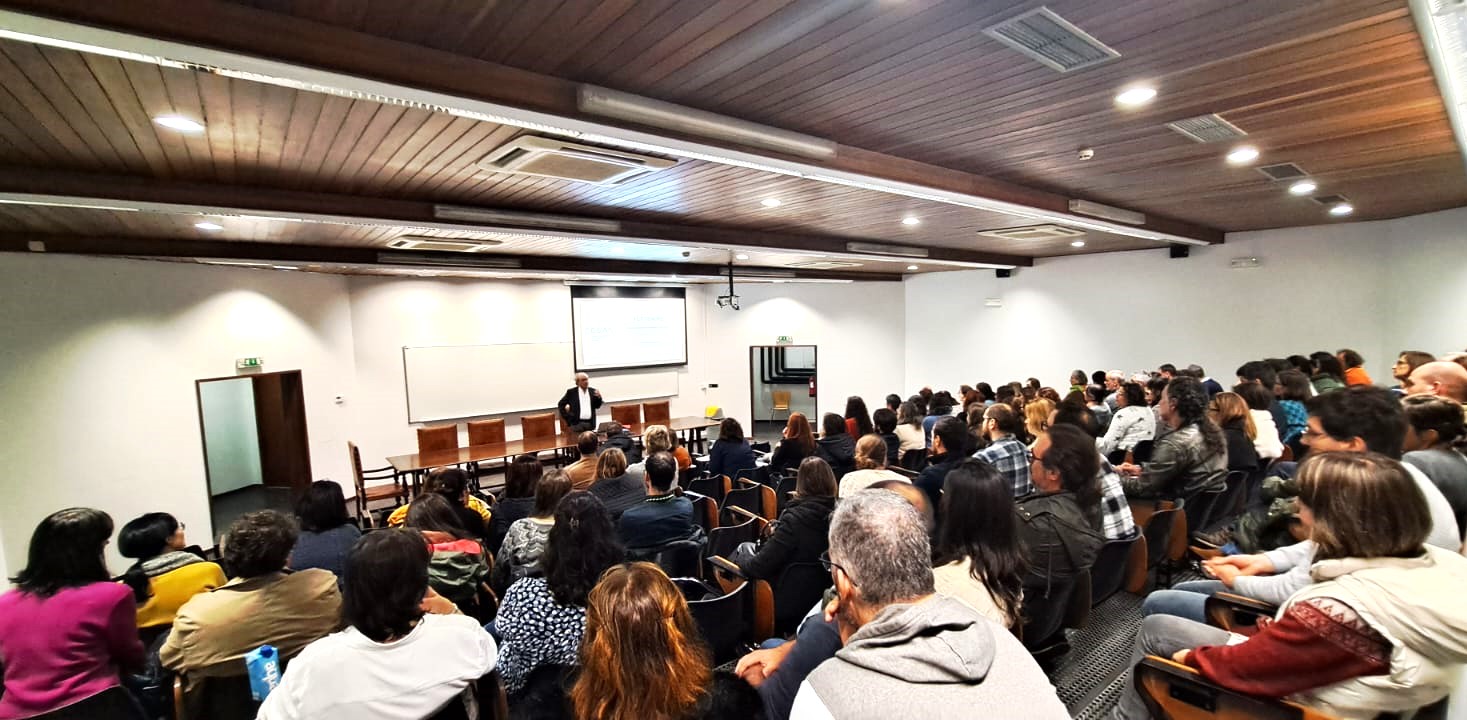
As part of engaging the CESAM community in defining the strategy for the FCT Tenure application, a well-attended meeting took place yesterday. The purpose was to clarify the scope and details of the application, as well as gather opinions on the choices and priorities CESAM should adopt in this program. During this meeting, the results of an internal survey conducted with all Integrated Members of CESAM were presented. The survey sought preferences regarding three possible scenarios concerning the degree of commitment of CESAM’s future budget to co-finance hirings through the FCT Tenure. A total of 145 integrated members participated in the survey, representing a participation rate of 66%.