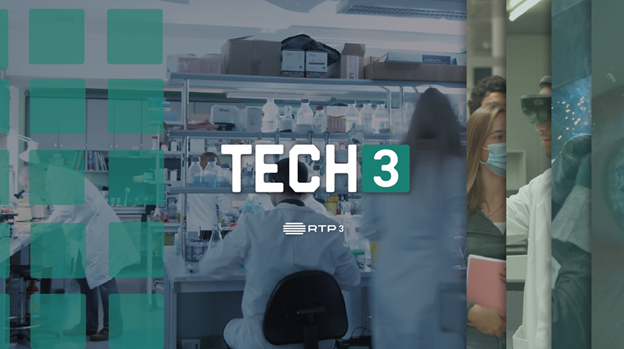
A documentary series consisting of 10 episodes is currently airing on RTP3 as part of the Tech3 program, every Saturday at 6:50 PM, with a repeat on Sundays at 3:50 PM. The series focuses on the “Vertical Algae” project, of which CESAM is a partner. This project, led by PhytoBloom by Necton and considered the largest within the Blue Bioeconomy Pact, is funded by the PRR (Recovery and Resilience Plan) and the Next Generation EU. Our researchers, Rosário Domingues (CESAM/DQUA) and Ricardo Calado (CESAM/DBio), are actively involved in the project.

The main objective of “Vertical Algae” is to provide competitive advantages to the algae sector by emphasizing the creation of sustainable products, optimization of technoscientific processes, and the introduction of innovative services. In collaboration with 38 entities connected to algae, including major business groups, SMEs, innovative startups, universities, collaborative laboratories, research and development (R&D) centers, and business associations, “Vertical Algae” promises to revolutionize the landscape of the blue bioeconomy.

The series is also available on RTP Play.

From January 23 to 24, we received a visit from the Attaché for Scientific and University Cooperation of the Embassy of France at the University of Aveiro. During this occasion, the Attaché expressed interest in getting acquainted with the ongoing research projects that involve collaboration between the University of Aveiro and French institutions/entities.

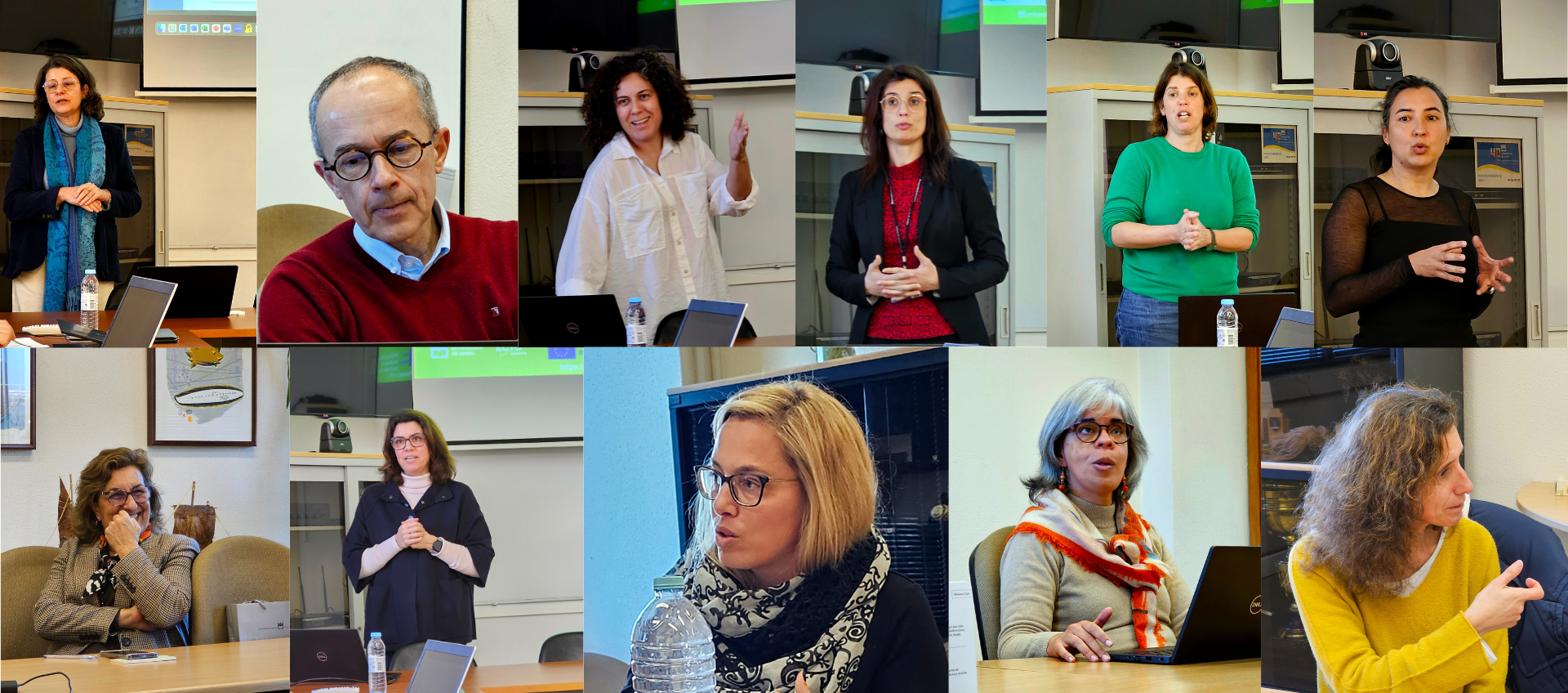
Yesterday, on January 24, CESAM researchers had the opportunity to present the 16 projects currently in development in partnership with French institutions. Each of these projects was showcased, highlighting their objectives, contributions, and impacts.

Explore the list of projects presented during this session:

  • RaDoNorm – Towards effective radiation protection based on improved scientific evidence and social considerations
  • CHRONIC – Chronic exposure scenarios driving environmental risks of chemicals
  • PARC – Partnership for the assessment of risks from chemicals
  • BlueNIGHTs – A touch of blue in the EU researchers’ nights for a more sustainable use of the ocean
  • DEEP REST – Conservation and restoration of deep-sea ecosystems in the context of deep-sea mining
  • ARDECO – Assessing Resilience of DEep COrals
  • RESTORE4Cs – Modelling restoration of wetlands for carbon pathways, climate change mitigation and adaptation, ecosystem services, and biodiversity, co-benefits
  • A-AAGORA – Blueprint for atlantic-arctic agora on cross-sectoral cooperation for restoration of marine and coastal ecosystems and increased climate resilience through transformative innovation
  • GES4SEAS– Achieving good environmental status for maintaining ecosystem services, by assessing integrated impacts of cumulative pressures
  • B-CUBED – Biodiversity building blocks for policy
  • SPRINT – Sustainable plant protection transition: a global health approach
  • FIREURISK – Developing a holistic risk-wise strategy for european wildfire management
  • PAUL – Pilot Application in Urban Landscapes
  • DISTENDER – Developing Strategies by integrating mitigation, adaptation and participation to climate change risks
  • SEA2SEE: Innovative blockchain traceability technology and stakeholders’ engagement strategy for boosting sustainable seafood visibility, social acceptance and consumption in Europe
  • INCLUE – “From waste to resource: Training young researchers on developing innovative, circular solutions for wastewater treatment sludge”

PRIMA is a long-term partnership aiming to foster joint research and innovation approaches among Participating States with a regional focus on the Mediterranean region to improve water availability, sustainable agriculture, and sustainable food production in a region heavily distressed by climate change, urbanisation, and population growth. In 2024 PRIMA calls is expected to have approximately thirty projects funded, being encouraged that consortia present proposals under a “Multi-Actor Approach”. The PRIMA Work Programme 2024 is structured around 2 Sections:

  • Section 1 – Actions and activities organised, managed, and funded by the PRIMA-Implementation Structure with EU funds, according to H2020 Rules – Focused only on Innovation Actions (IAs) aiming to demonstrate the validation of technology or organizational models and their replication in the market. IAs should include activities directly aiming at producing plans and arrangements or designs for new, altered, or improved products, processes, or services. In this section there will also bea contest “PRIMA Woman Greening Food Systems Award in Mediterranean Region” (more information yet to be published).
  • Section 2 – Activities organised by PRIMA-IS and funded by the national funding bodies of PS (Portugal: FCT) – Focused only onResearch and Innovation Actions (RIAs) aiming to explore new areas and technologies to advance research and innovation in these domains. In this Section, each national funding body will fund the beneficiaries established in its own country (FCT has allocated to the calls of this section 1 192 500€). FCT will launched this call next week.

Both sections envisage 3 Thematic Areas:

Thematic Area 1 – Water management in the Nexus

Thematic Area 2 – Farming systems in the Nexus

Thematic Area 3 – Food value chain in the Nexus

PRIMA calls will be organised according to a two-stage submission process. For the first step, a first-stage proposal (maximum 10 pages) must be submitted by 2 April for Section 1 projects and 4 April for Section 2 projects. Successful applicants in the first step will be invited to the second step to submit a full proposal (maximum 50 pages) until 24 September for Section 1 projects and 26 September for Section 2 projects.

Eligible countries: Member States (MS) of the European Union (EU): Croatia, Cyprus, France, Germany, Greece, Italy, Luxembourg, Malta, Portugal, Spain, Slovenia. It includes the Overseas Countries and Territories linked to these Member States.

The following Third Countries associated to Horizon 2020 (AC): Israel, Tunisia, and Turkey.

The following Third Countries not associated with Horizon 2020 (TC), having concluded international agreements for scientific and technological cooperation setting out the terms and conditions of their participation in PRIMA: Algeria, Egypt, Jordan, Lebanon and Morocco

NOTE: There are specific conditions for consortium constitution.

Duration of the grants: The maximum duration is 36 months.

Topics, expected impacts, and available budget: Information on the available topics within each Section and Eligible countries, as well as the available budget and expected impacts per topic, can be found in the attached excel sheet.

Supporting materials

Here you can find the recording of the PRIMA info day (16 January 2024) and here the presentations.

It is highly recommended that you consult the preliminary PRIMA WP 2024, if you are considering applying.

Find partners for your project ideas among the organisations registered in the PRIMA portal. Also, register yourself!

Please send an email to [email protected] if you want our support in the process application.
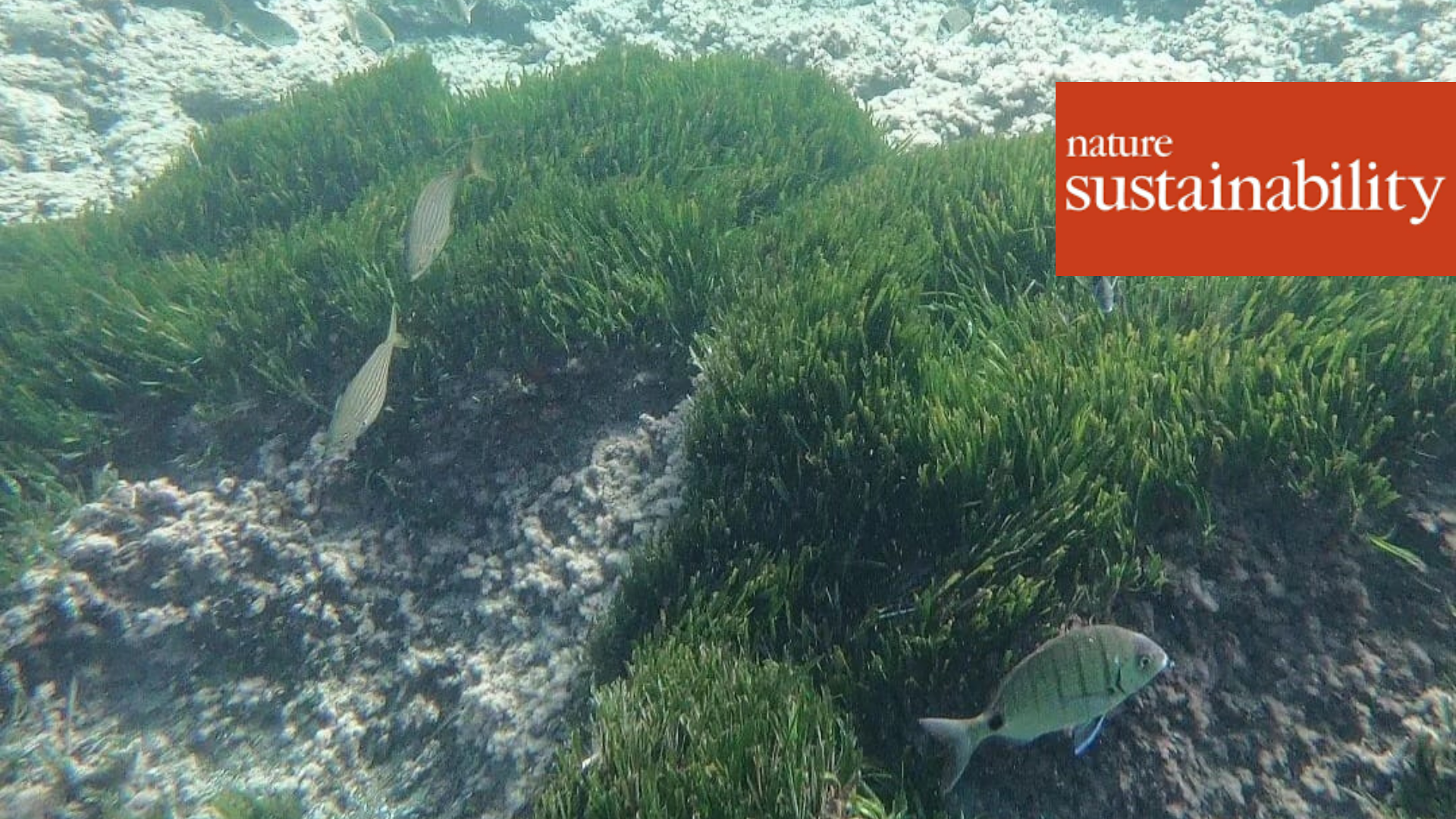
Ana Sousa, researcher at CESAM/DBio, is a co-author of an article published in the prestigious journal Nature Sustainability titled “Enabling Conservation Theories of Change”. This article was published within the framework of the GLOW project, coordinated by Griffith University, Australia (Prof. Rod Connolly), with the University of Aveiro acting as a partner institution, coordinated by the researcher Ana Sousa.

The study presented in the article aims to address the challenges of international coordination for the conservation and sustainability of global ecosystems, in alignment with the Kunming-Montreal Global Biodiversity Framework (KM-GBF), to which 196 countries have committed. Published in Nature Sustainability, the study developed a framework for translating a global-scale Theory of Change (ToC) into focused, ecosystem-specific ToCs at national level, highlights the identification of multinational “enabling profiles” for conservation, exemplifying their application in specific case studies in Blue Carbon Ecosystems, such as mangroves, salt marshes and seagrasses. The framework of “enabling profiles”, by considering the socio-economic and political conditions of each country, provides specific recommendations for conservation actions, aiming to contribute to the global operationalization and success of the KM-GBF and meet the sustainable development goals.

For a more detailed insight into this work, watch the video available here.

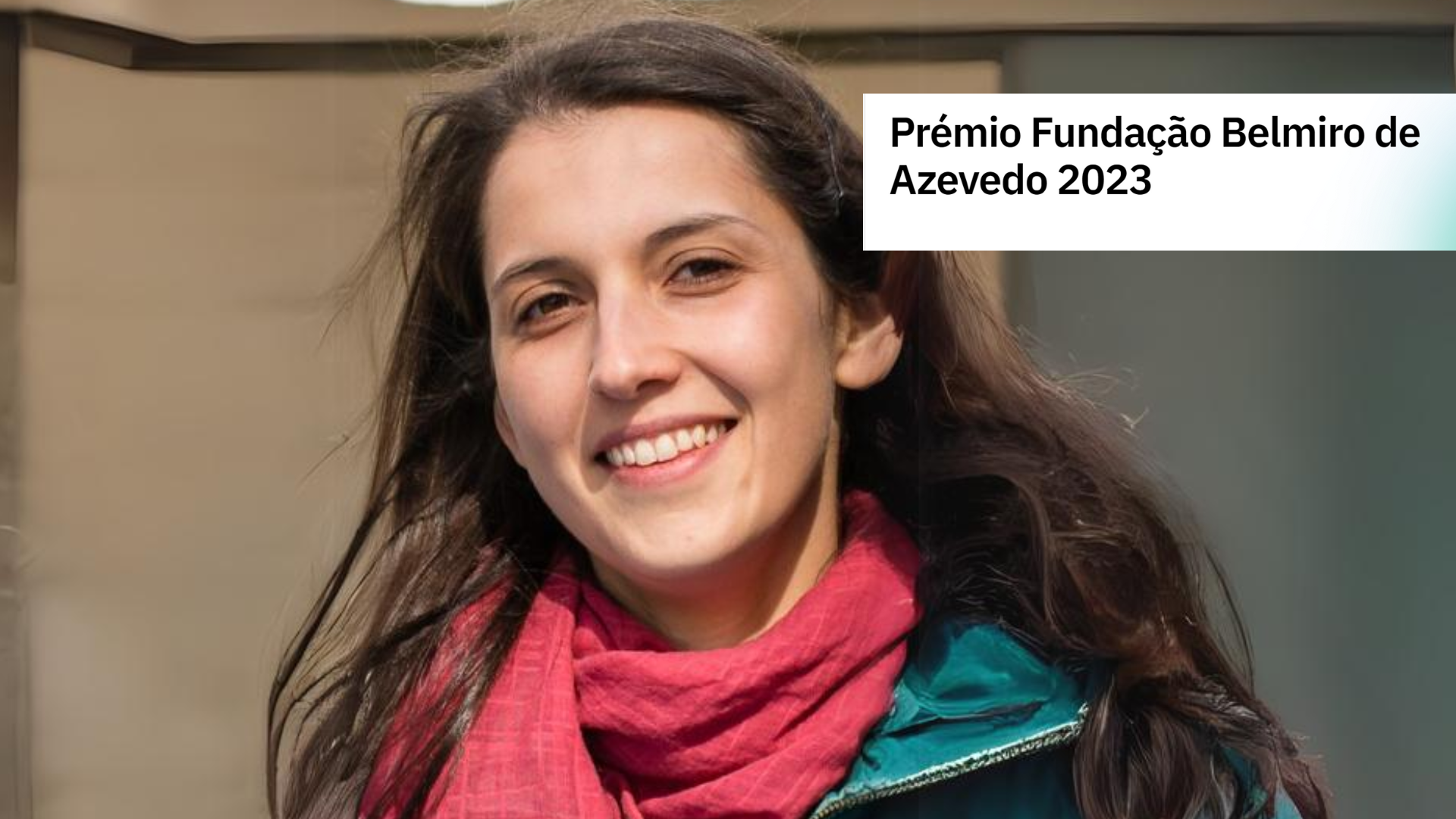
The project “CCforBio – Conservation corridors in woodlands: A win-win for biodiversity, wood production, and carbon sequestration,” coordinated by researcher Bruna Oliveira (CESAM/DAO), was honored with the 2023 Belmiro de Azevedo Foundation Award. This award, dedicated to the conservation, restoration, and monitoring of biodiversity in Portugal, recognized the researcher as one of the two winners, granting the project a total of €207,698.00.

In a competition with an approval rate of only 4.5%, the project presented by Bruna Oliveira, in collaboration with ICNF – Institute for the Conservation of Nature and Forests and the PINUS Center, received an outstanding score of 8.97 out of 9.00. Alongside CESAM integrated members Sofia Corticeiro (CESAM/DAO), Paula Maia (CESAM/DBio), João Puga (CESAM/DAO), Luís Tarelho (CESAM/DAO), Peter Roebeling (CESAM/DAO), and CESAM’s Ph.D. students, namely Diana Rodrigues and Tiago Silva. Bruna Oliveira will lead a project aiming to support, with scientific foundation, the maintenance of conservation corridors in wood production areas worldwide.

The project seeks to change the perception of forests, emphasizing not only their value as a wood source but also as places that provide other essential ecosystem services, such as habitat for plant and animal species, non-timber forest products, carbon sequestration, and recreational opportunities.

The Belmiro de Azevedo Foundation Award is an initiative resulting from a partnership between the Foundation for Science and Technology (FCT) and the Belmiro de Azevedo Foundation (FBA). It aims to promote projects of notable merit and impact at the national and international levels in the field of biodiversity conservation, restoration, and monitoring in Portugal.

Text by: CESAM in collaboration with Bruna Oliveira

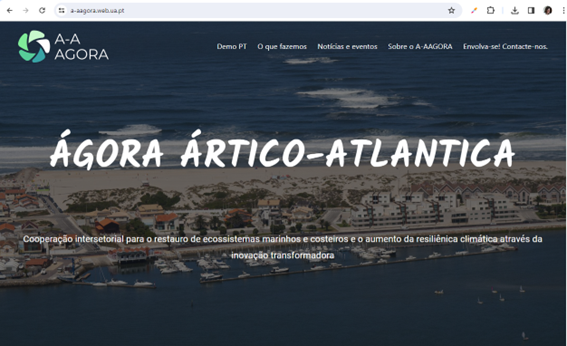
The A-AAGORA project has just launched the national website of the Portuguese demonstrator, in the Centro Region, available at http://a-aagora.web.ua.pt.

The website presents the activities to be developed, following a Living Lab approach, involving companies, local and regional authorities and citizens in the search for nature-based solutions, for the conservation and restoration of marine and coastal ecosystems.

The solutions will be tested, monitored and validated in Ria de Aveiro and then extended to the entire demonstration area, the coastal zone of the Centro Region.

The Demo PT team is led by the University of Aveiro, together with CCDRC, and has as partners the Portuguese Environment Agency, the Port of Aveiro, the Port of Figueira da Foz, CIRA, IPMA, PRIO and STRIX. This multidisciplinary team has been set up to implement solutions in the areas of decarbonisation, restoration of seagrass meadows, alert and protection of the coastline, protection and restoration of the dune system and transformation of ports and marinas into nurseries for the restoration of biodiversity.

With the aim of increasing citizen participation and training for local monitoring, there was a need for a project website in Portuguese, which would be closer and more accessible to the local community involved. Here, stakeholders can find news and events related to the Centro Region Demonstrator, get involved in the A-AAGORA Community of Practice and participate in the Living Lab. The site also provides institutional information about the project at European level, introduces the other demonstrators in Ireland and Norway, and links to the Mission to Restore our Oceans and Waters by 2030.

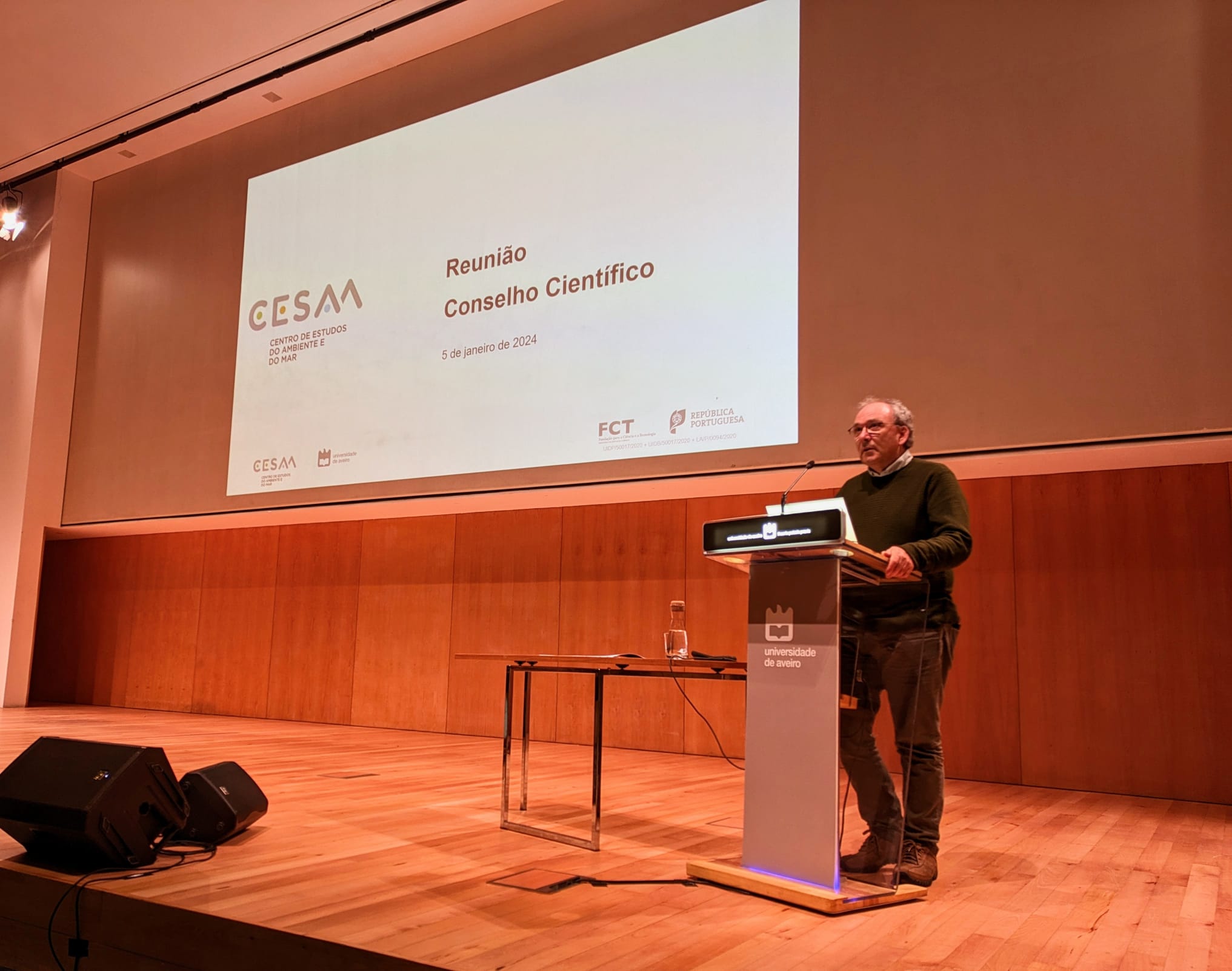
On January 5th, CESAM members gathered at the Renato Araújo Auditorium at the University of Aveiro to discuss the future of research in Portugal, with a special focus on the FCT Tenure Program.

In this well-attended meeting, CESAM’s scientific coordinator, Professor Amadeu Soares, emphasized that FCT Tenure is another mechanism for scientific employment aimed at mitigating the precariousness of researchers. This is achieved through the permanent hiring of Researchers and Lecturers, with an initial financial contribution from FCT towards salary expenses. In the case of researchers, FCT provides support for the first 6 years, covering an average of 50% of total costs. After the seventh year, there is a financial commitment from the UI, naturally limiting the number of positions offered to researchers, considering the future financial sustainability of CESAM. Professor Amadeu Soares also highlighted the advantages of non-academic chairs under this FCT Tenure program.

At the end of the meeting, wishes for a promising new year were extended to all CESAM members, reinforcing the mutual commitment to excellence in research and the advancement of scientific knowledge.

Text by: CESAM

This is a special moment to celebrate the ending year, recalling the achievements and lessons learned, and above all, expressing gratitude to our members for their effort, dedication, and valuable contributions to the ongoing progress of CESAM.

“To all our members, may you continue to explore the various paths that lead to a common purpose: the strengthening of our community. Happy holidays!” – Professor Amadeu Soares (Scientific Coordinator of CESAM)

Mariana Pinho (CESAM/DBIO), was one of the five researchers with proposals selected for funding from the Social Observatory of the “la Caixa” Foundation, a call that aimed to support research projects on the social impact of climate change in Portugal.

The proposed study “Climate Anxiety: a mechanism for change?” aims to enhance our understanding of the prevalence and impact of climate anxiety on Portuguese society, to explore how it can be addressed appropriately and leveraged it to generate pro-environmental behavioural.

The aim of the Social Observatory of the” la Caixa” Foundation call is to promote the generation of sound knowledge that can help to shed new light on the social impact of climate change in Portugal, supporting research projects in the field of Social Sciences.

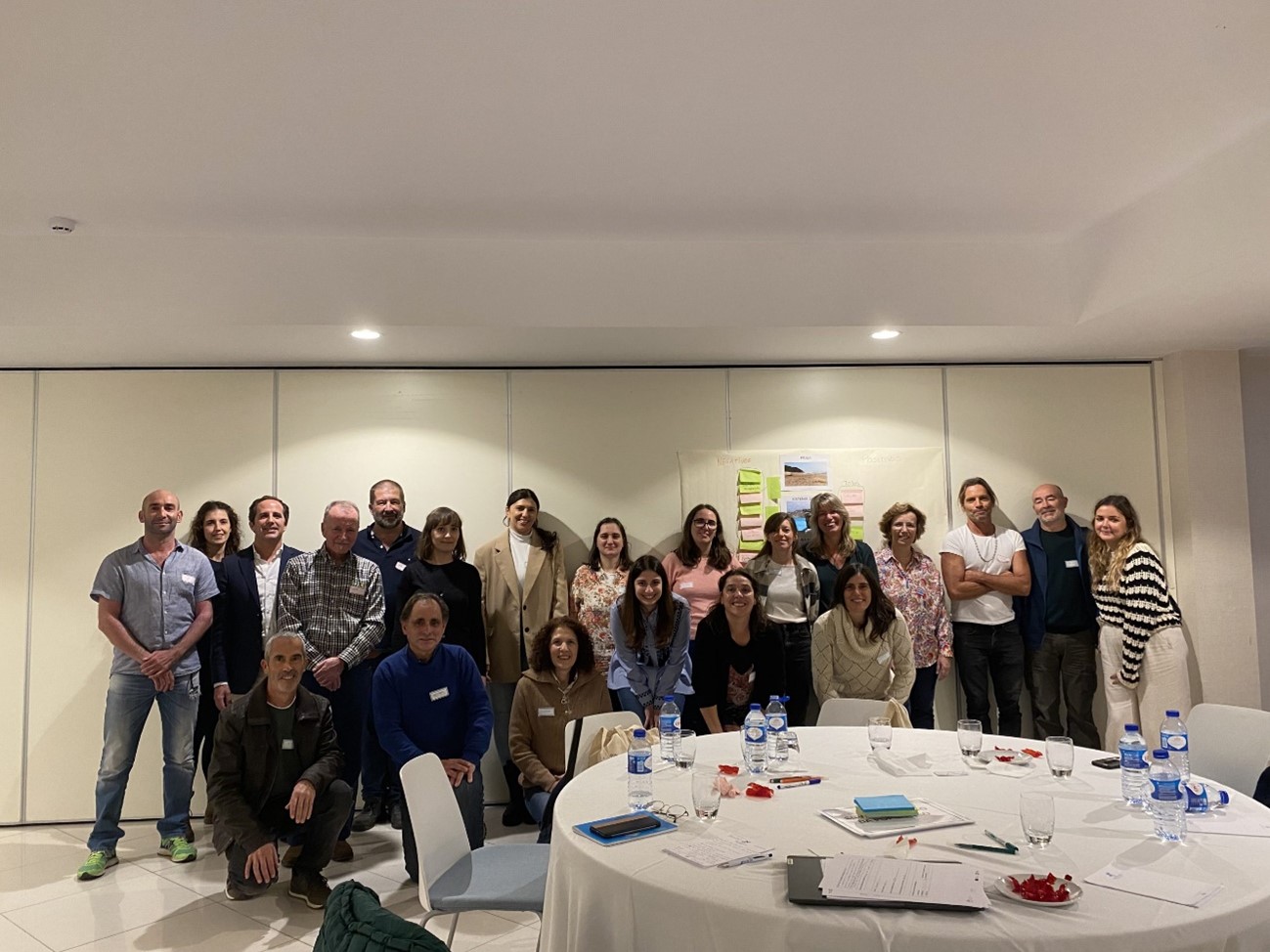
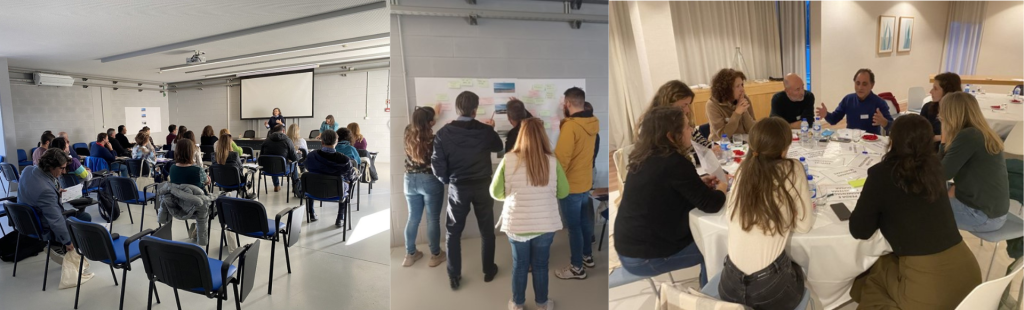
The team responsible for the Portuguese Demonstrator of the A-AAGORA project organised a participatory workshop in the Centro region, which took place in three moments on 6, 13 and 20 November in Aveiro, Peniche and Figueira da Foz, respectively. The sessions were organised by the University of Aveiro and CCDRC, with the support of the Intermunicipal Community of the Region of Aveiro and the Port of Aveiro Association.

The sessions had a similar format: an opening session to present the A-AAGORA project and the objectives of the workshop; parallel sessions in which the participants discussed, in small groups, the activities that have an impact on the marine and coastal ecosystems of the region; a session for the presentation of each group’s results to all the participants.

Finally, in a second parallel session, each group selected two factors with the greatest negative impact on the region’s marine and coastal ecosystems. The most frequently mentioned were pollution, climate change and coastal erosion.

In total, 55 stakeholders from the Centro Region attended the workshop, including representatives from the sectoral public administration, municipalities and town councils, industry and SMEs, NGOs and the maritime authority, bringing together different backgrounds in sport, tourism, economics, management and engineering, as well as fishermen, teachers, museum technicians, activists and residents.

These workshops serve as a platform for interacting with the local coastal community and understanding their needs, opinions, concerns and experiences of the region, essential information for pursuing the objectives of the A-AAGORA project.

For more information: DESTAQUES A-AAGORA

Text by: Dionísia Laranjeiro