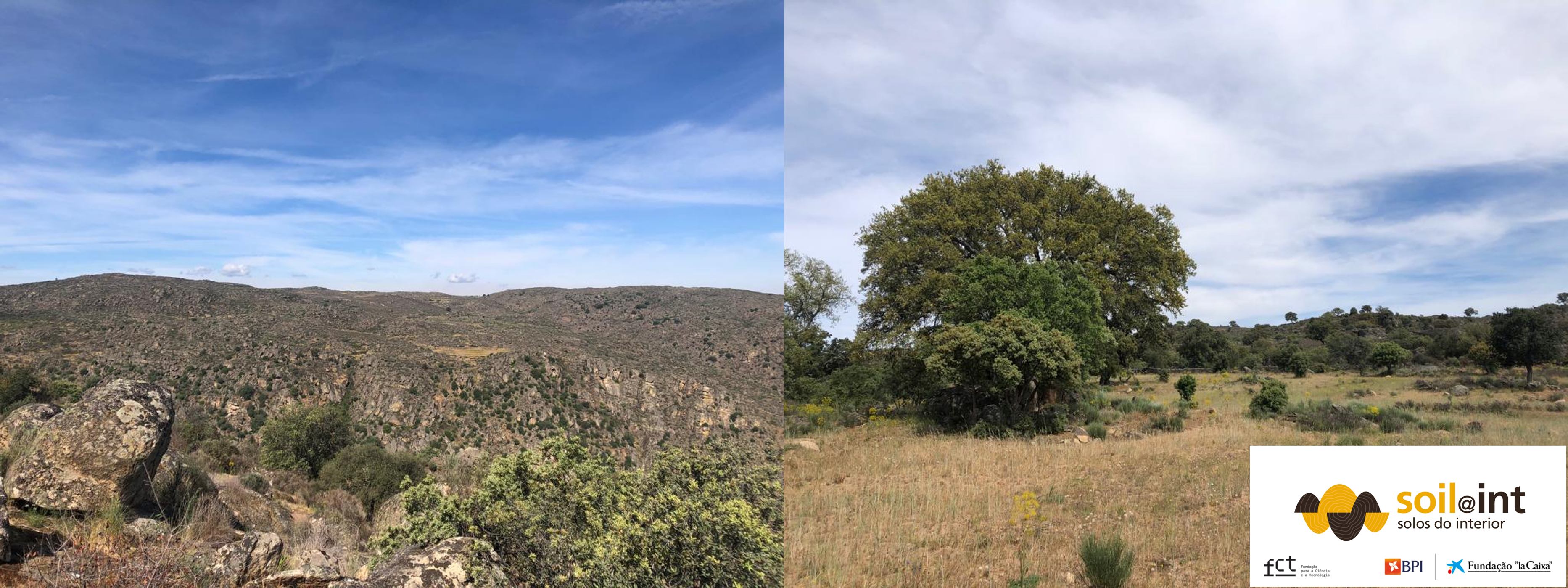
On February 7th, the first meeting of the “Soil@INT project – Soils of the Interior: Monitoring to Mitigate the Effects of Climate Change” took place. This project, coordinated by CESAM researcher Rita Torres, aims to develop a soil health monitoring network based on the integration of remote sensing data and in situ ecological indicators. The ultimate goal is to produce models that facilitate the creation of soil monitoring routines at different spatial and temporal scales. Its resolution and replicability potential will leverage soil management programs in inland territories.
The meeting was attended by the University of Aveiro, Laboratório Nacional de Energia e Geologia, Associação Transumância e Natureza, Palombar, and the Municipality of Figueira de Castelo Rodrigo. Through the involvement of academia, local associations, and municipal authorities, Soil@INT aims to contribute to the training of local actors who see the valorization of endogenous natural resources as an opportunity to increase regional competitiveness, as well as the resilience of inland landscapes.
Category: Sem categoria
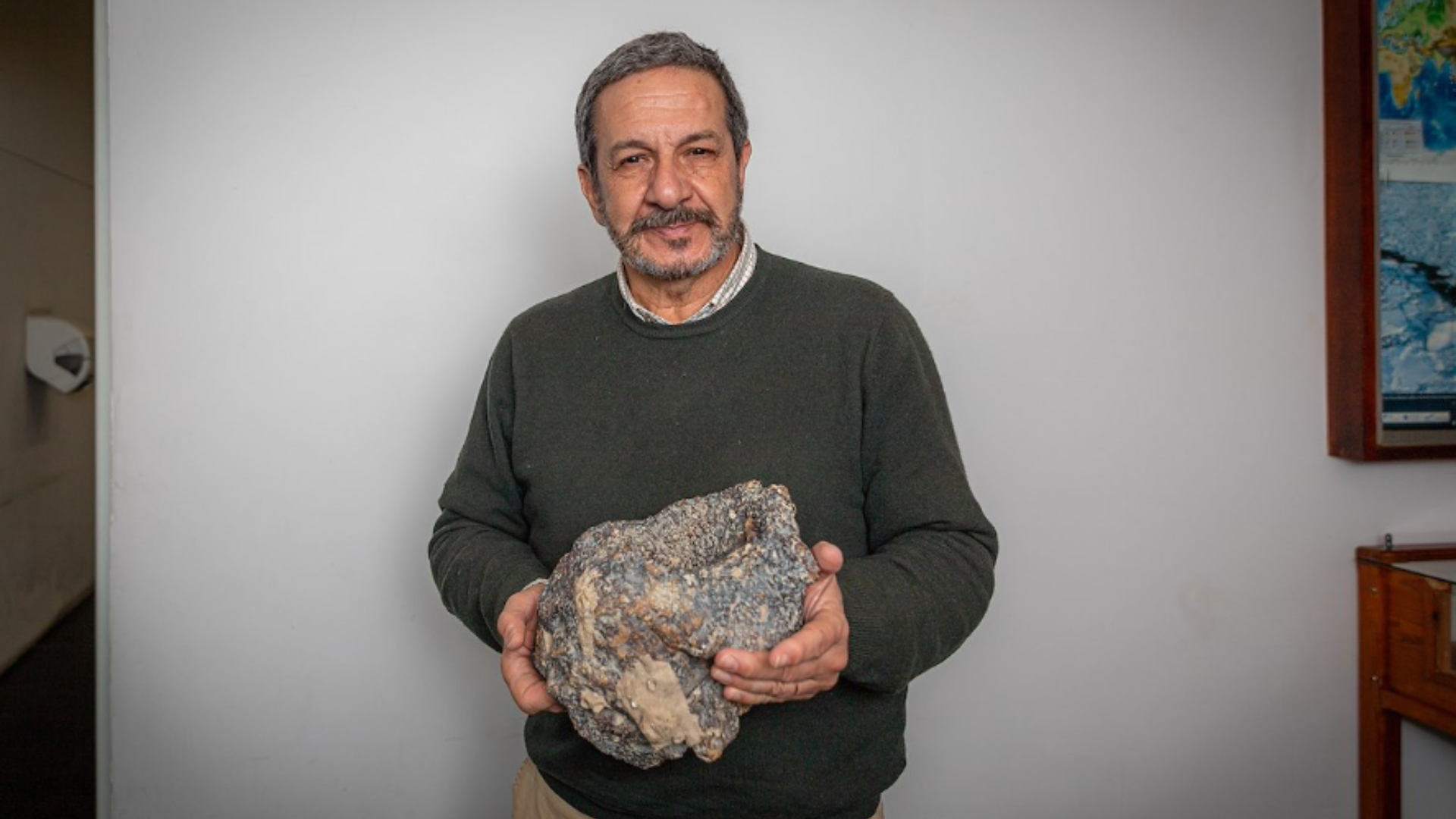
The irregular stone shape is hardly suggestive of the name. But it is a carbonate chimney, another of the objects that make up the history of the University of Aveiro (UA). These structures and the mud volcanoes from the depths of the Gulf of Cadiz were studied in several cruises by international teams of scientists and students, between 1999 and 2016, which included members from UA. Luís Menezes Pinheiro, a researcher at CESAM, a professor in the Department of Geosciences at UA, was the co-responsible scientist for the various cruises.
These carbonate chimneys are formed (precipitated) from methane, by a symbiosis (consortium) of microbial bacteria and archaea. Archaea are morphologically similar to bacteria but genetically and biochemically distinct from them and from the eukaryotic cells that make up the animal kingdom.
These rock formations exist in the same environments as the mud volcanoes, which are often indicators of deep hydrocarbon reserves. The term mud volcano characterizes volcanic structures created by the ejection of a mixture of clay and gases (mainly methane), in tectonically active areas. They can reach hundreds of meters in height and several kilometers in diameter.
These structures were found and studied in the depths of the Gulf of Cadiz by international teams in which UA researchers were predominant. The research was co-led by Luís Menezes Pinheiro, a professor in the Department of Geosciences at UA, on various scientific cruises to the Gulf of Cadiz. From the same team, Marina Cunha, a researcher in marine biology and professor in the Department of Biology at UA, was part of the team that investigated the life forms associated with the same environments, resulting, with the work carried out on these cruises and in collaboration with various international and UA researchers, in the discovery of new species of invertebrates in the Gulf of Cadiz.
On the TTR-10 cruise, these samples were collected at about 1000 meters deep, using a machine with a claw and an integrated camera, and the first mud volcanoes on the southern Portuguese margin were discovered and documented.
The cruises were organized within the framework of the European project Training – through – Research, with support from the Intergovernmental Oceanographic Commission of UNESCO, on a Russian ship under the general coordination of Alexandr Arutyunov. The works were developed based on data that were until then reserved and in the possession of the US Navy and only made available – in the case of those related to the Portuguese sea/coast – to Luís Menezes Pinheiro. These data had been collected by researcher Joana Gardner, from the Naval Research Laboratory.
Text by: Adapted from UAonline News
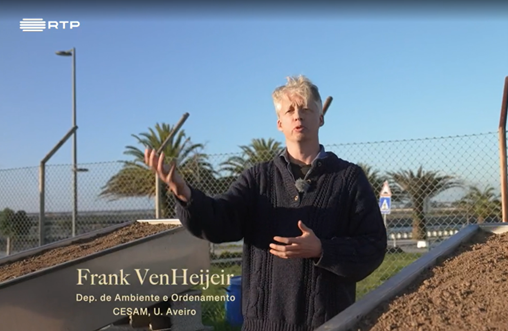
On February 3rd, the episode of the Biosfera program featured the participation of Frank Verheijen, a researcher from CESAM. The central theme of the episode was the valorization of agricultural by-products, where Frank presented a segment dedicated to the work of the Biochar, Agroecology & Regenerative Agriculture (BIOCHARCOLOGY) team, led by Ana Catarina Bastos, also from CESAM.
You can watch the Biosphere episode here (in Portuguese).
You can also listen to the researcher’s extended interview on the following podcast (in English).
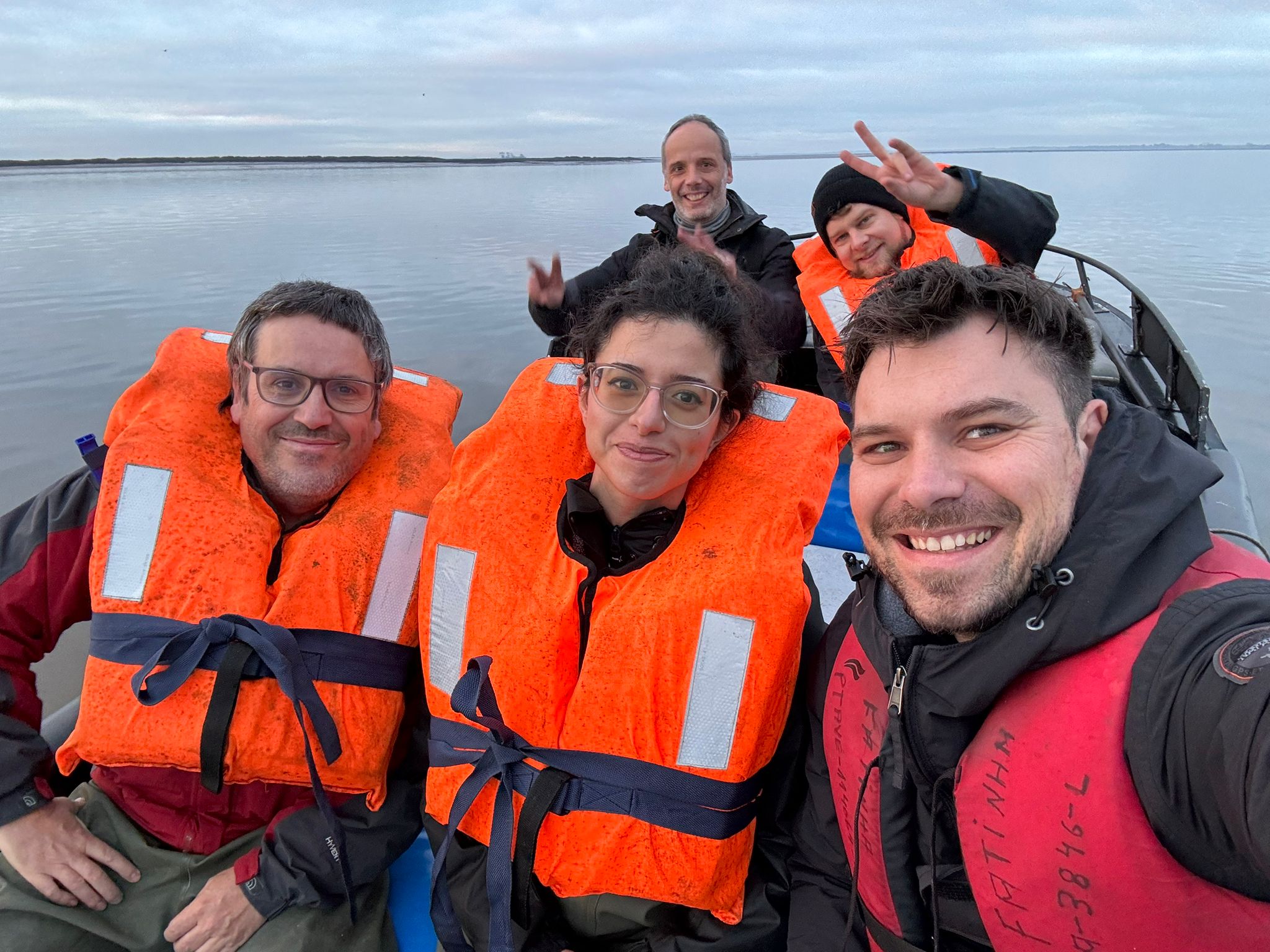
The second fieldwork campaign of the European project RESTORE4Cs took place from 23 to 25 of January 2024 in Ria de Aveiro. RESTORE4Cs – Modelling Restoration of wetlands for Carbon pathways, Climate Change mitigation and adaptation, ecosystem services, and biodiversity, Co-benefits – follows a transdisciplinary approach to assess the impact of European coastal wetlands restoration on climate change mitigation, adaptation, ecosystem services and biodiversity.
This fieldwork campaign corresponds to the winter season, as these campaigns are conducted every three months for a year to cover seasonal variability. The team gathered experts from the University of Aveiro (CESAM), University of Valencia, University of Barcelona, WasserCluster Lunz Research Centre (University of Vienna) and from the National Research Council (CNR, Italy). Researchers measured greenhouse gases exchange rates of altered, restored, and intact seagrass beds of Ria de Aveiro, during high and low tide, to determine the role of their status on carbon dynamics. Ultimately, data collected will help unravelling the impact of restoration actions on the capacity of wetlands to mitigate climate change.
Ria de Aveiro is one of the 6 case pilots studied by RESTORE4Cs, representing an Atlantic-European biogeographical region. The other case pilots identified by the project are the Valencian Wetlands and Camargue (Mediterranean), South-West Dutch Delta (Atlantic), Curonian Lagoon (Baltic) and Danube Delta (Black Sea).
More information about the project and the 6 case pilots can be found on the website at www.restore4cs.eu or on the CESAM page here.
Text by: Patrícia Silva
On February 2nd, the kick-off meeting for the “LIFE Godwit Flyway” project took place at Companhia das Lezírias. This project aims to protect the black-tailed godwit (Limosa limosa), a migratory bird closely linked to the quality of our wetlands.
The main objective of this LIFE project is to create a “safe harbor” for the European population of black-tailed godwits along their East Atlantic migratory route. José Alves, a researcher at CESAM and the project coordinator at UA, shared insights about this project and its significance for the conservation of the black-tailed godwit.
Listen here to this brief interview:
Learn more about this project here.
Also read the articles published in the media about this project: Público, RTP Notícias e JN.
The video entitled “BioPradaRia – Seagrass restoration, conservation & management (Ria de Aveiro, Portugal)” provides insights into this project that was dedicated to advancing the safeguarding and restoration of seagrass meadows and biodiversity of these ecosystems, together with stakeholders. The project targets the Ria de Aveiro as a case study for more effective management and conservation of coastal wetlands’ marine biological resources. We invite you to view this video to gain a deeper understanding of this CESAM project. Please click here to watch the video.
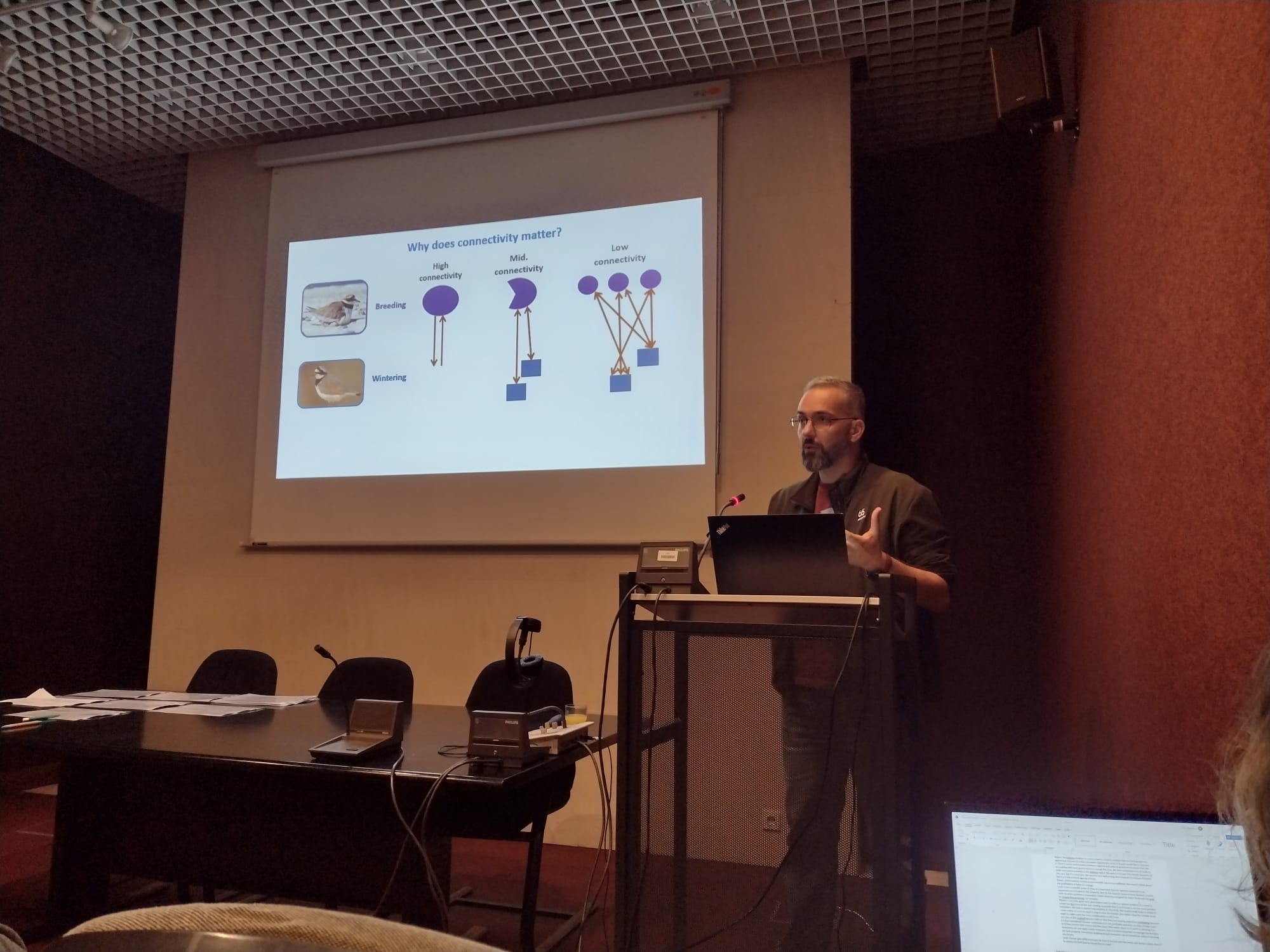
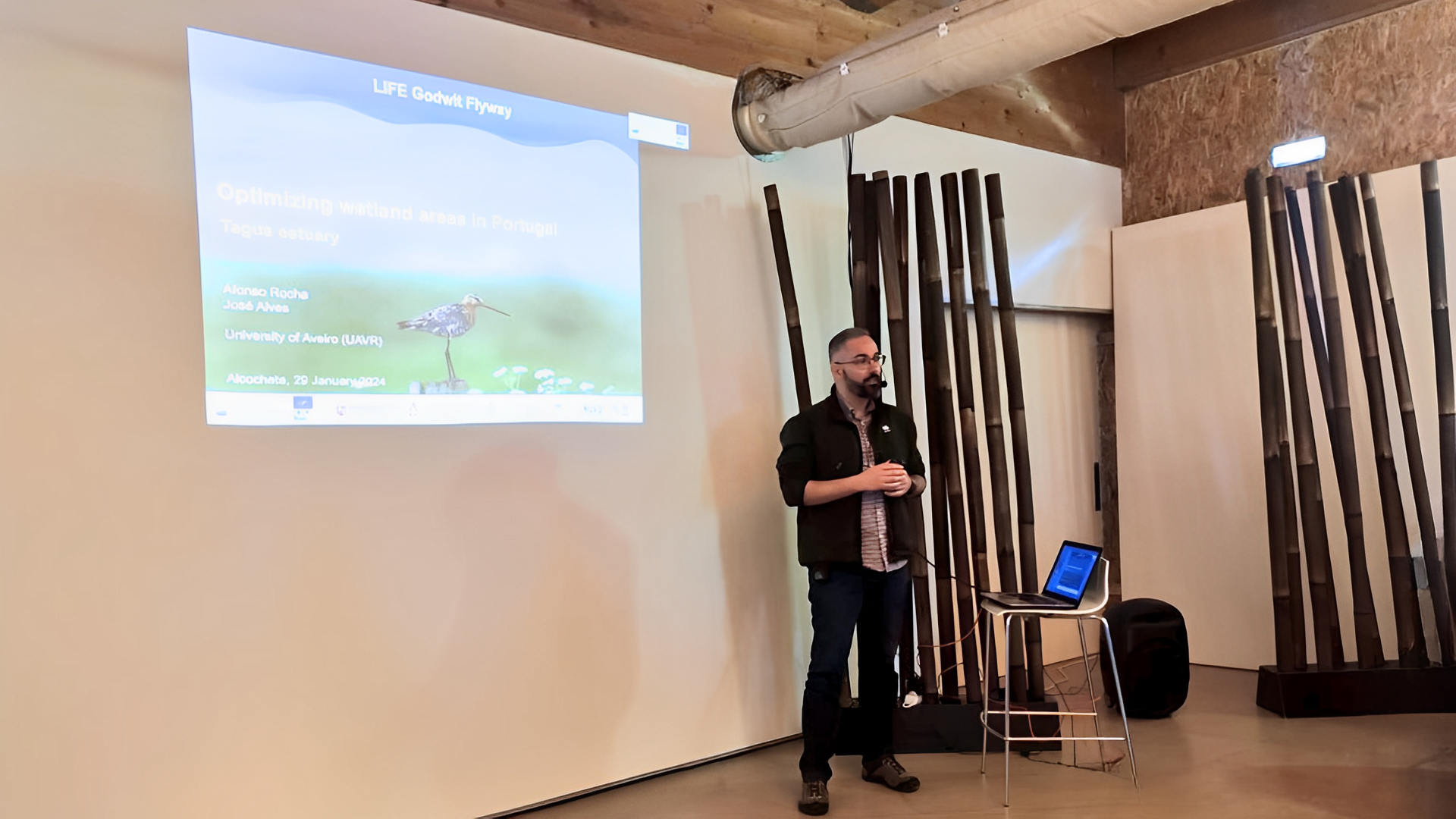
On January 31st, at the Tejo Estuary Natural Reserve, a meeting of the Black-tailed Godwit (Limosa limosa) expert group of the African Eurasian Waterbird Agreement (AEWA) took place, co-organized by the ICNF and CESAM/UA. José Alves, a researcher from CESAM/DBio, gave a presentation titled “How the main conservation challenge in Portugal may resonate across the flyway,” acting as a technical expert for the species in Portugal.
Portugal is a signatory to AEWA, within the framework of the CMS (Convention for Migratory Species) and UNEP (United Nations Environmental Program), with ICNF serving as the focal point and having various technical experts for the different species included in this agreement.
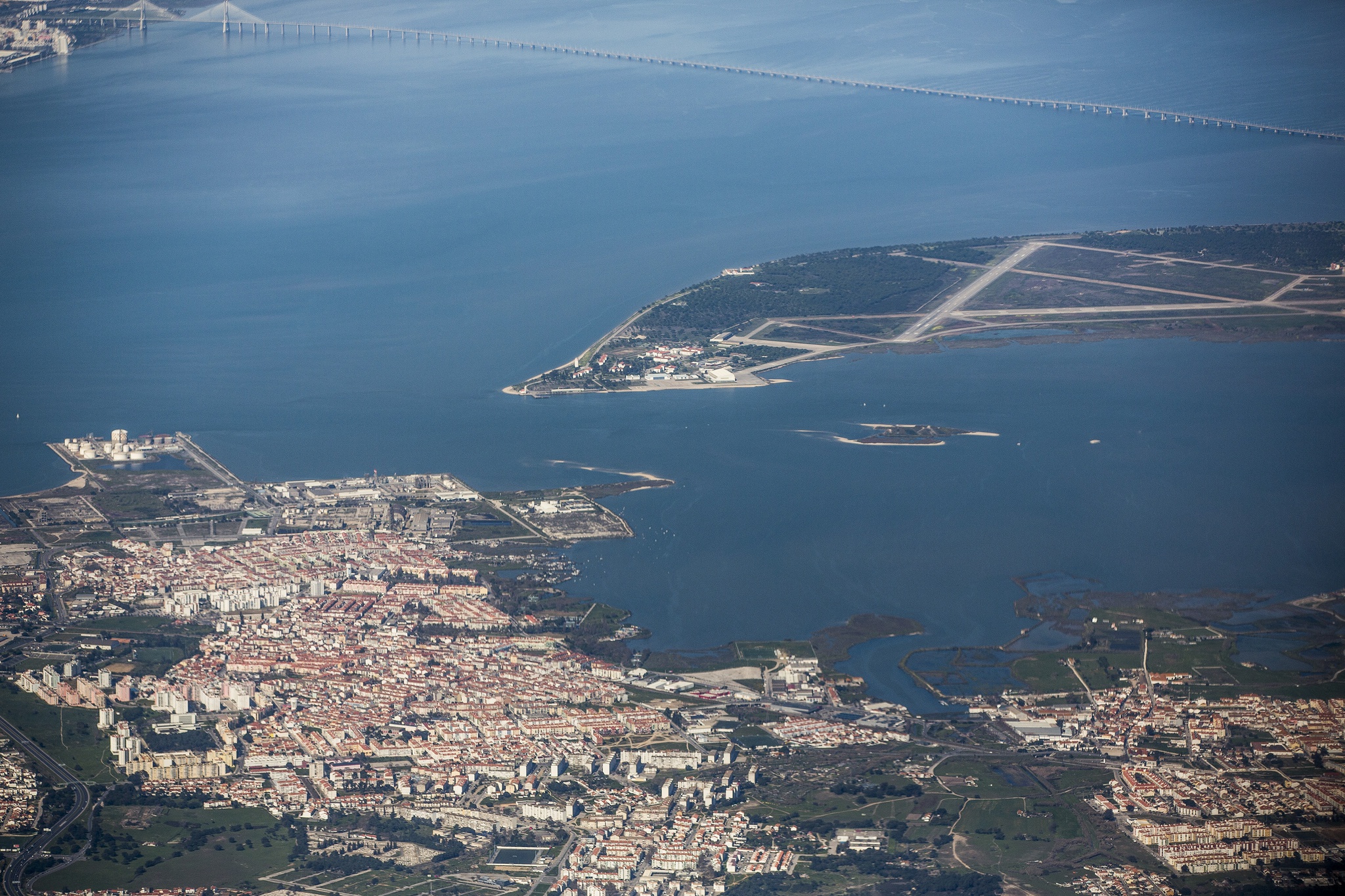
Military base in Montijo – Image by MIGUEL MANSO
On January 30th, the Institute for Nature Conservation and Forests (ICNF) rejected the renewal of the Environmental Impact Statement (EIS) for Montijo Airport in response to the request from the Portuguese Environment Agency (APA). This unfavorable opinion was based on new scientific information recently released in a study on the impact the new airport would have on bird species in the Tagus Estuary.
The research cited by ICNF was published in the journal Animal Conservation and authored by José Alves, a researcher at CESAM. It demonstrated that the construction of the airport in Montijo could have a substantial impact, affecting up to 68% of the population of Black-tailed Godwits (Limosa limosa). These results indicate significant consequences for the conservation of this species in the Tagus Estuary. In addition to this study, researchers Teresa Catry and José P. Granadeiro were also cited for an article published on April 22, 2021, in the journal Bird Conservation International. The article revealed that the construction of the airport in Montijo could lead to a 30% loss in the “conservation value” of the estuary concerning intertidal feeding areas for wintering bird populations.
Read the articles published in the media: Público.pt and Expresso.pt.
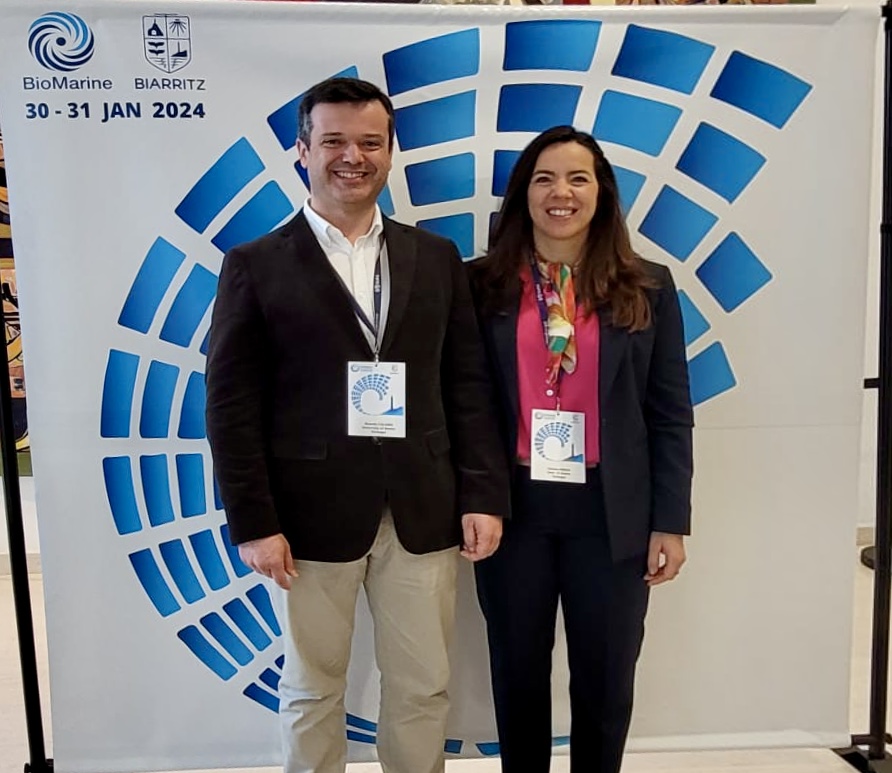
Helena Vieira (CESAM/DAO) and Ricardo Calado (CESAM/DBIO) attended the BIOMARINE 2024 conference, held on January 30 and 31 in Biarritz, France. This event is dedicated to the blue economy at large and is a high-level trans-sectorial networking meeting.
During the conference, researcher Helena Vieira took on the role of moderator in the panel titled “The Silent Revolution of Marine Origin Biomaterials,” while researcher Ricardo Calado played the role of panel member in “Marine Biotech Disruptive Innovation (What is coming soon?)”.
Participation in this event is of great importance for CESAM as an Associated Laboratory/Research Unit and for the University of Aveiro as it “reinforces their positioning as open agents to society and partners of excellence in providing scientific support to blue bioeconomy companies and investors,” as emphasized by Helena Vieira. For both, participation in this event “reaffirms the institutional commitment to the Blue Bioeconomy, one of the engines of sustainable development for Portugal and the European Union,” as highlighted by Ricardo Calado.
The BIOMARINE 2024 conference, in its 15th edition, brought together representatives from industry, investors, policy makers, and academics in the Blue Bioeconomy, providing a space for discussion on the latest trends in this industry.
Learn more about this conference here.
Text by: CESAM in collaboration with Helena Vieira and Ricardo Calado
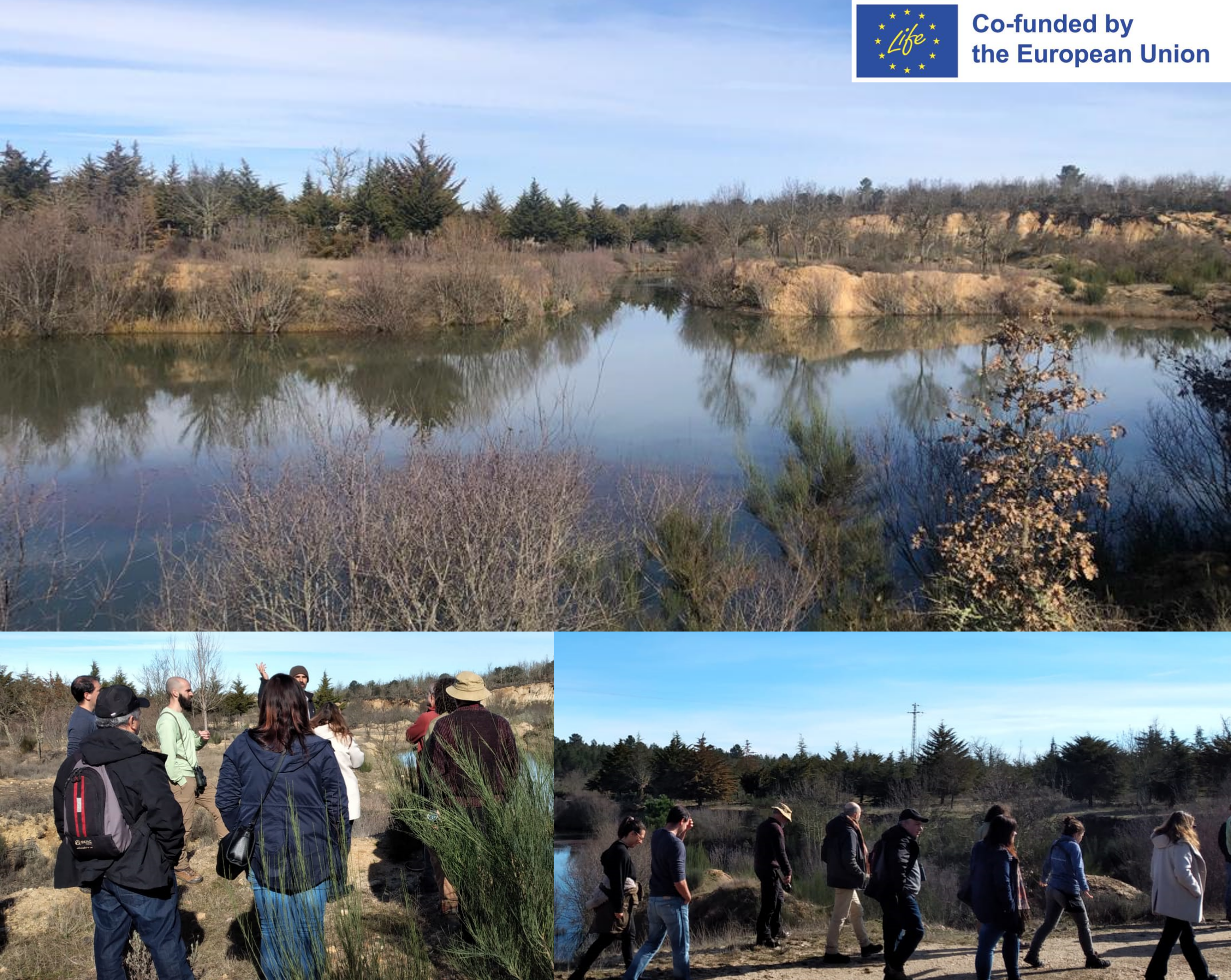
On January 25th and 26th, the kick-off meeting for the newly initiated project LIFE LUPI-LYNX, titled “Creating Socioecological Conditions for the Expansion of Iberian Wolf and Iberian Lynx,” took place in Pinhel. The project is coordinated by Rewilding Portugal, with the University of Aveiro as a partner.
The meeting was attended by researchers Rita Torres, Eduardo Ferreira, João Carvalho, as well as doctoral students Mariana Rossa and Paloma Linck. All other project partners were also present: Rewilding Portugal, Grupo Lobo, BIOPOLIS/CIBIO, the Municipality of Figueira de Castelo Rodrigo (Plataforma da Ciência Aberta), AMUS (Acción por el Mundo Salvaje) and Junta de Extremadura.
This project aims to establish the necessary socioecological conditions for the Iberian wolf and Iberian lynx in a transboundary area south of the Douro River, where both species are undergoing recolonization. Enhancements in ecological conditions will include increasing the abundance of wild prey and improving habitats, while social improvements will involve promoting positive coexistence with rural communities and fostering socio-economic development. Additionally, the project seeks to enhance capacity and facilitate knowledge exchange in the assessment of damage prevention and the detection of environmental crimes.
Text by: CESAM in collaboration with Rita Tinoco