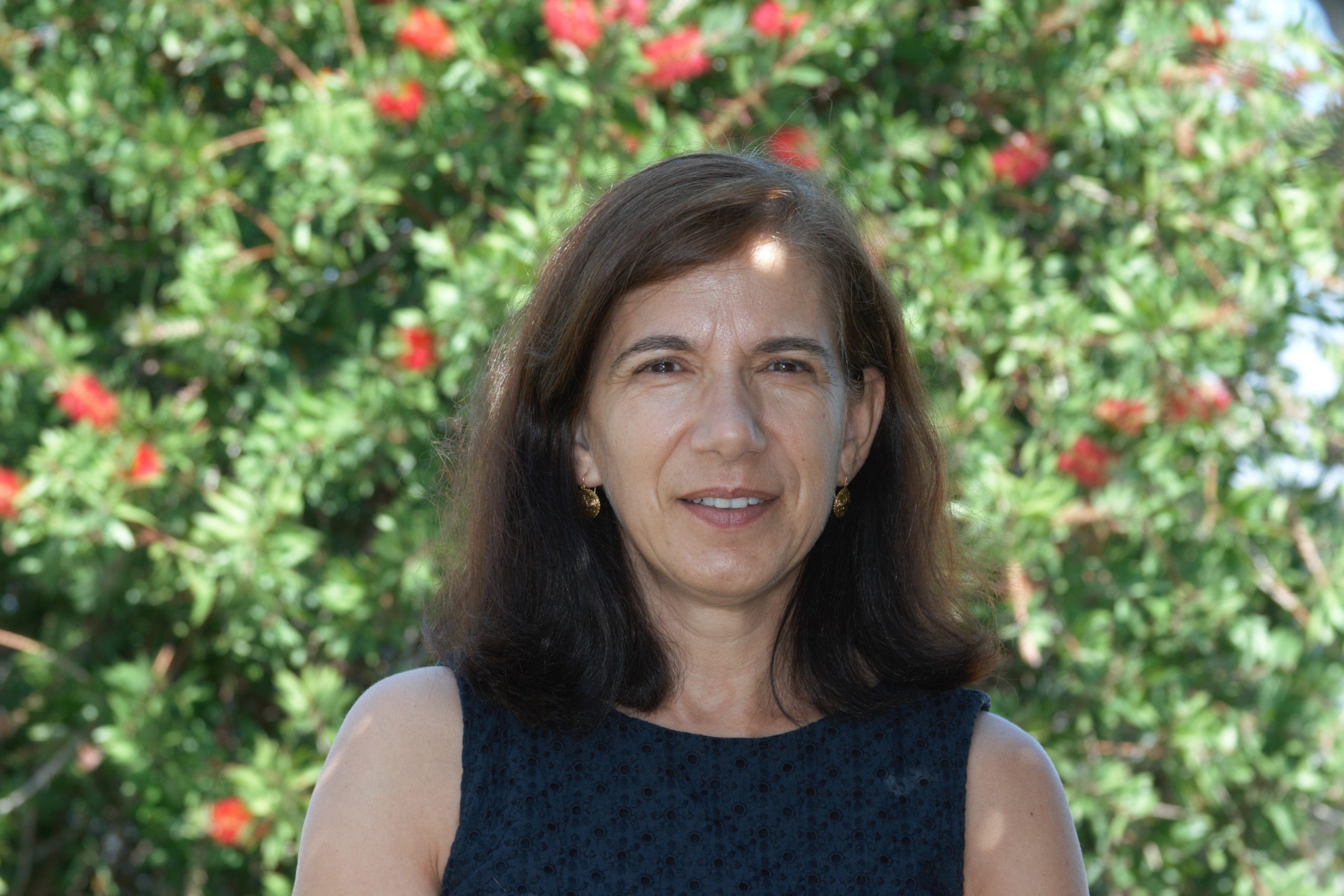
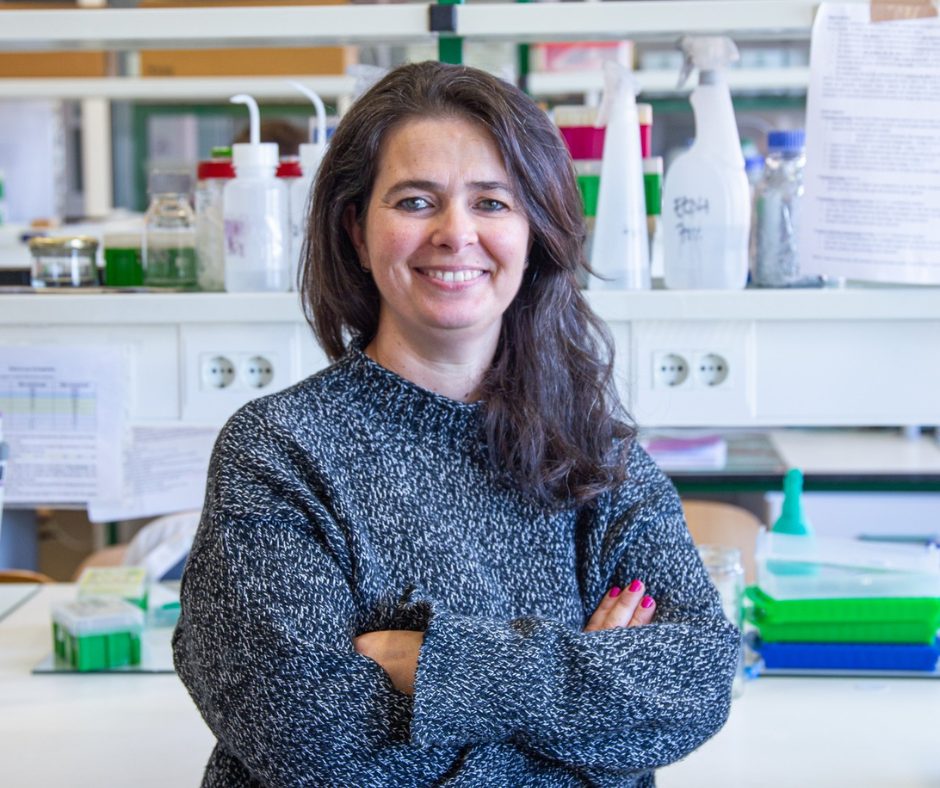
Rosário Domingues, a researcher from CESAM and professor at the Department of Chemistry UA, was invited to be a speaker at the highly prestigious Gordon Conference (GRC) 2024 “Meeting of Glycolipid and Sphingolipid Biology”. This conference was held at the Grand Galvez in Galveston, Texas, United States, from February 18 to 23, 2024.

Rosário Domingues was invited as an expert in the field of lipidomics. The Glycolipid and Sphingolipid Biology GRC is a leading global scientific conference dedicated to pushing the boundaries of science by showcasing innovative and unpublished research, fostering networking, and facilitating knowledge exchange among scientists at all career stages. The conference program included a diverse range of speakers from institutions and organizations worldwide.

The pilot project CARE (Citizen Arenas for improved environmental quality & resources use in SMART-ER cities), financed under the “ECIU University Research Institute for Smart European Regions” project, brings together six partners of the European Consortium of Innovative Universities – ECIU.

Some of the activities in this project, under the responsibility of the University of Aveiro (UA) team, have already started. This team is composed of members from CESAM (Roberto Martins – local coordinator, Daniela Figueiredo and Vera Rodrigues), CICECO (Cláudia Nunes), DIGIMEDIA (Mónica Aresta and Pedro Beça) and LAQV-REQUIMTE (Elisabete Coelho and Manuel Coimbra).

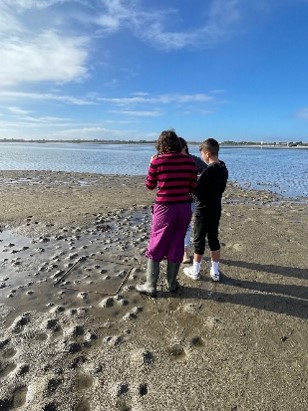
So far, the project has mobilised almost 100 students and teachers from two schools in the Intermunicipal Community of Aveiro, namely Escola Secundária de Vagos and Escola Básica João Afonso de Aveiro. Activities have focused on the biodiversity component and, very soon, on air and water quality, management and reuse of food waste and the creation of digital content, in favour of raising citizens’ awareness of current environmental challenges and raising awareness and active participation in the efficient and intelligent management of resources in SMART-ER cities and regions.

The six partners of the European Consortium of Innovative Universities – ECIU are: Dublin City University (DCU, Ireland; coordinator), University of Aveiro, Institut National des Sciences Appliquées de Toulouse (INSA; France), Kaunas University of Technology (KTU, Lithuania), Linköping University (LiU, Sweden) and Universitat Autònoma de Barcelona (UAB, Spain).
The SMART-ER project received funding from the European Union’s Horizon 2020 research and innovation program under grant agreement no. 101016888.

To access the news piece on UA News online, click here
To access the project website, click here

Photo credits: Roberto Martins

Image credit: “90 segundos de ciência”

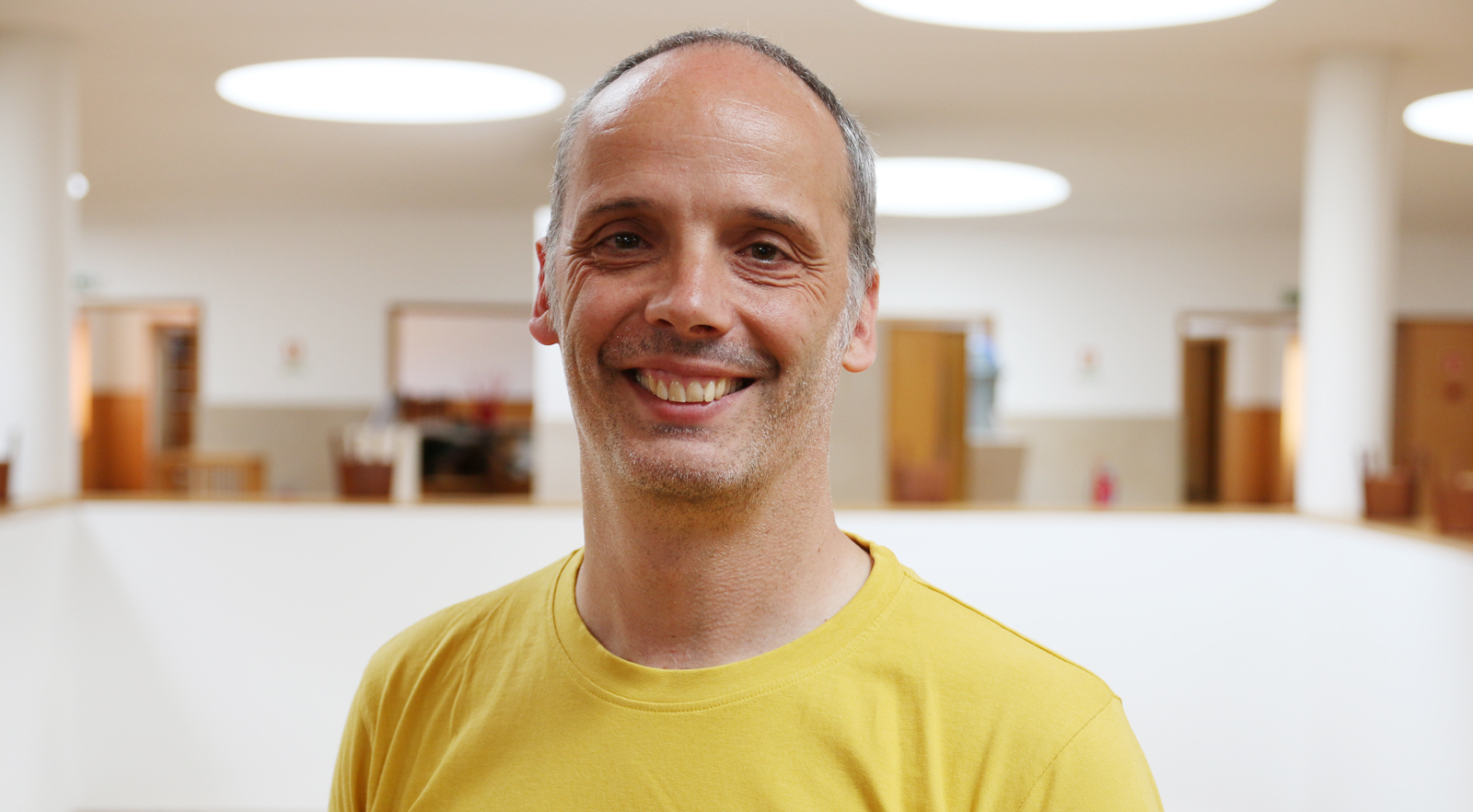
On February 19th, researcher João Pedro Coelho (CESAM/DBio) appeared on “90 segundos de ciência” to discuss his research on the effectiveness of reintroducing seagrasses to decontaminate sediments in the Ria de Aveiro.

In the podcast, the researcher highlighted the history of industrial contamination and the current challenges with still polluted sediments “there are erosive processes that bring the most contaminated sediment layers to the surface, which can cause problems in the future”. To address this issue, he and his team developed a natural solution by reintroducing seagrasses, aiming to stabilize sediments and promote biodiversity.

Listen to the full content here.

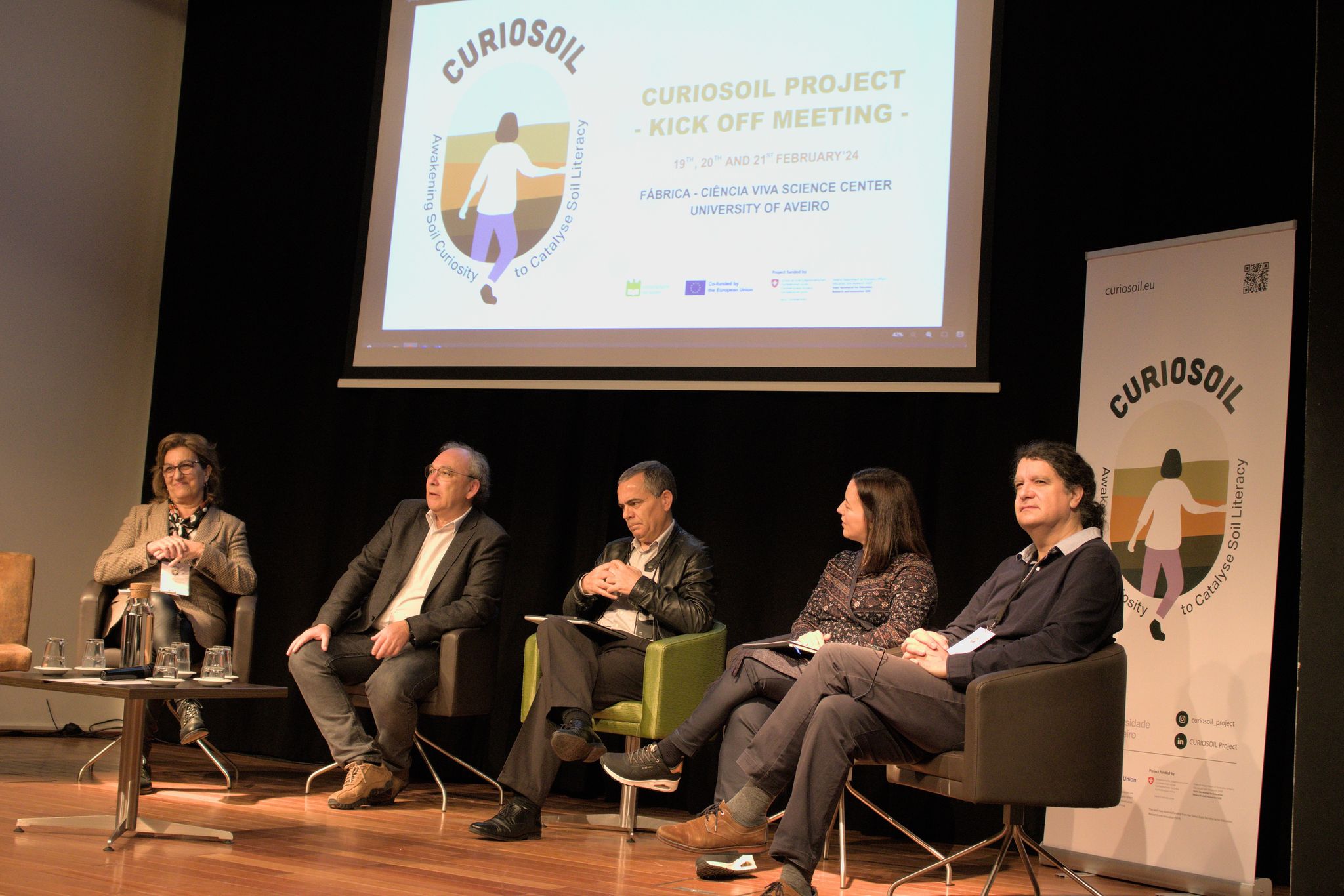
The kickoff meeting for the project “CURIOSOIL – Awakening Soil Curiosity to catalyse Soil Literacy” began today, February 19th, and will continue until February 21st at the facilities of Fábrica Centro Ciência Viva de Aveiro. This project represents a concerted effort to enrich knowledge and education about soil, in response to the challenges posed by the increasing anthropogenic pressure on this essential resource. Led by Sónia Rodrigues, a researcher at the Centre for Environmental and Marine Studies (CESAM), this Horizon Europe funded project brings together a consortium of 14 partners from different parts of Europe.

Among the project’s initiatives is the creation of a “Soil Curiosity Kit,” which will provide rich and multisensory experiences, and the joint development of a series of educational resources, teaching materials, and teacher training programs. These resources will be implemented at various educational levels throughout Europe, with the aim of integrating the study of soil health into school curriculums and enhancing understanding and awareness for sustainable soil management.

Funded with 6.1 million euros through the European Union’s Soil Mission, part of the Horizon Europe program, CURIOSOIL’s mission is not only to raise the level of soil literacy among various segments of the population – from students and educators to citizens and policymakers – but also to promote the adoption of sustainable practices and foster a shared environmental responsibility.

The launch of the CURIOSOIL project was announced in the media outlets SIC Notícias, Observador and Notícias do Centro.

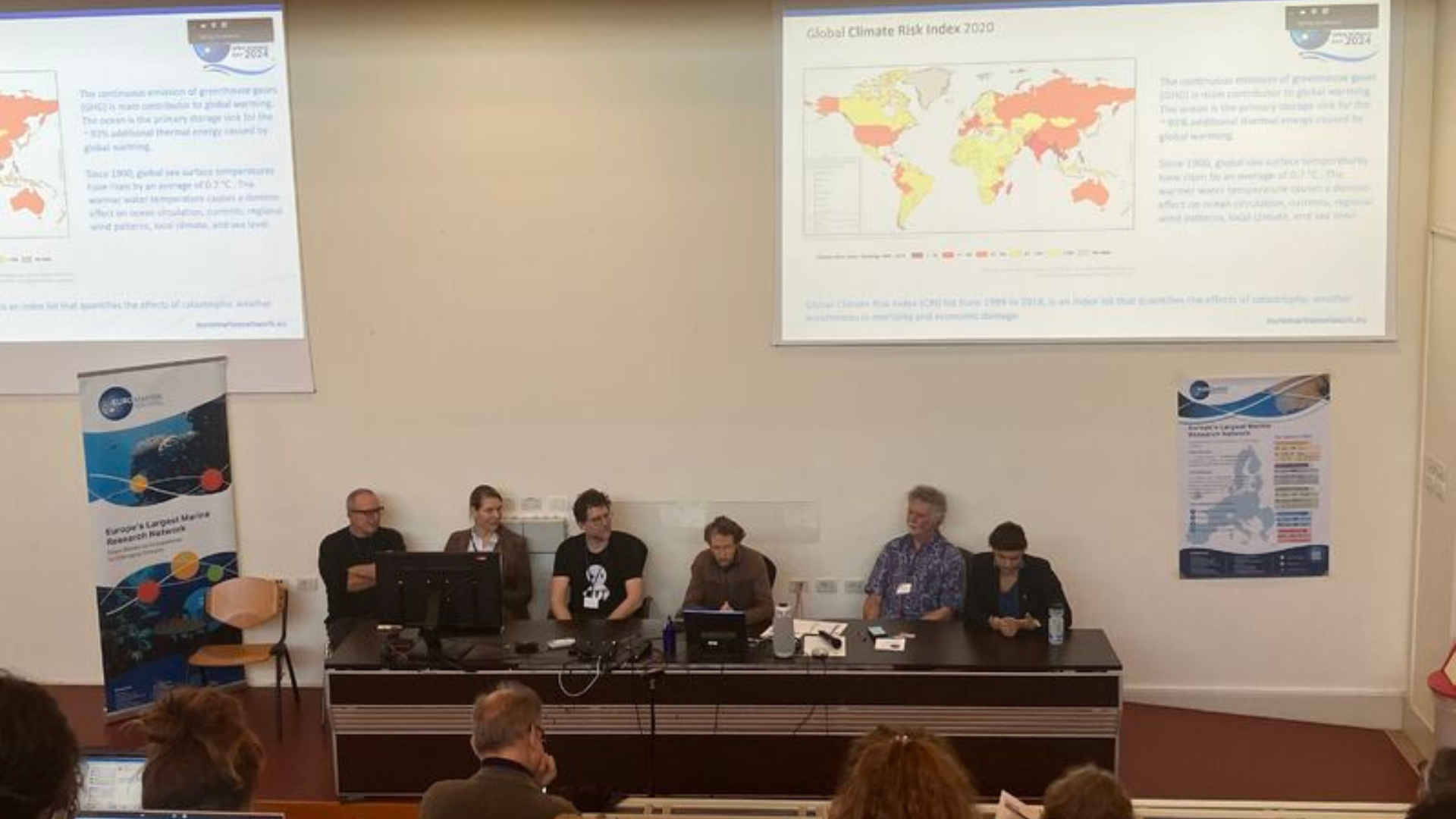
On February 13th, researcher Paulo Baganha from CESAM/DGeo and representative of CESAM in the network, attended the Euromarine Open Science Day 2024, where he presented a paper titled “Global warming and coastal changes: Application of Artificial Intelligence techniques in coastal erosion risk assessment”.

This year’s event, organized by Euromarine, focused on the theme “Science at the limits: Addressing the critical socio-ecological and climatic tipping points of marine ecosystems”. Current research highlights the urgency of addressing the risks of abrupt or irreversible environmental changes, especially in the face of transgressing the boundaries of terrestrial systems. The ocean, as one of the main regulators of the biosphere, is a priority for the European Union.

Euromarine promotes the annual Open Science Day, encouraging the academic community to contribute to the global challenges of the oceans. This year, February 13th was filled with high-level sessions featuring global experts and contributions from EuroMarine members, including young researchers and projects funded by the EU’s Ocean & Waters Mission.

Today, February 14th, the Euromarine General Assembly is being held, where representatives of the network members come together to validate the activities planned for 2024.

Learn more about this event here: Euromarine Open Science Day and General Assembly 2024 | EuroMarine (euromarinenetwork.eu)

Image credit: University of Aveiro

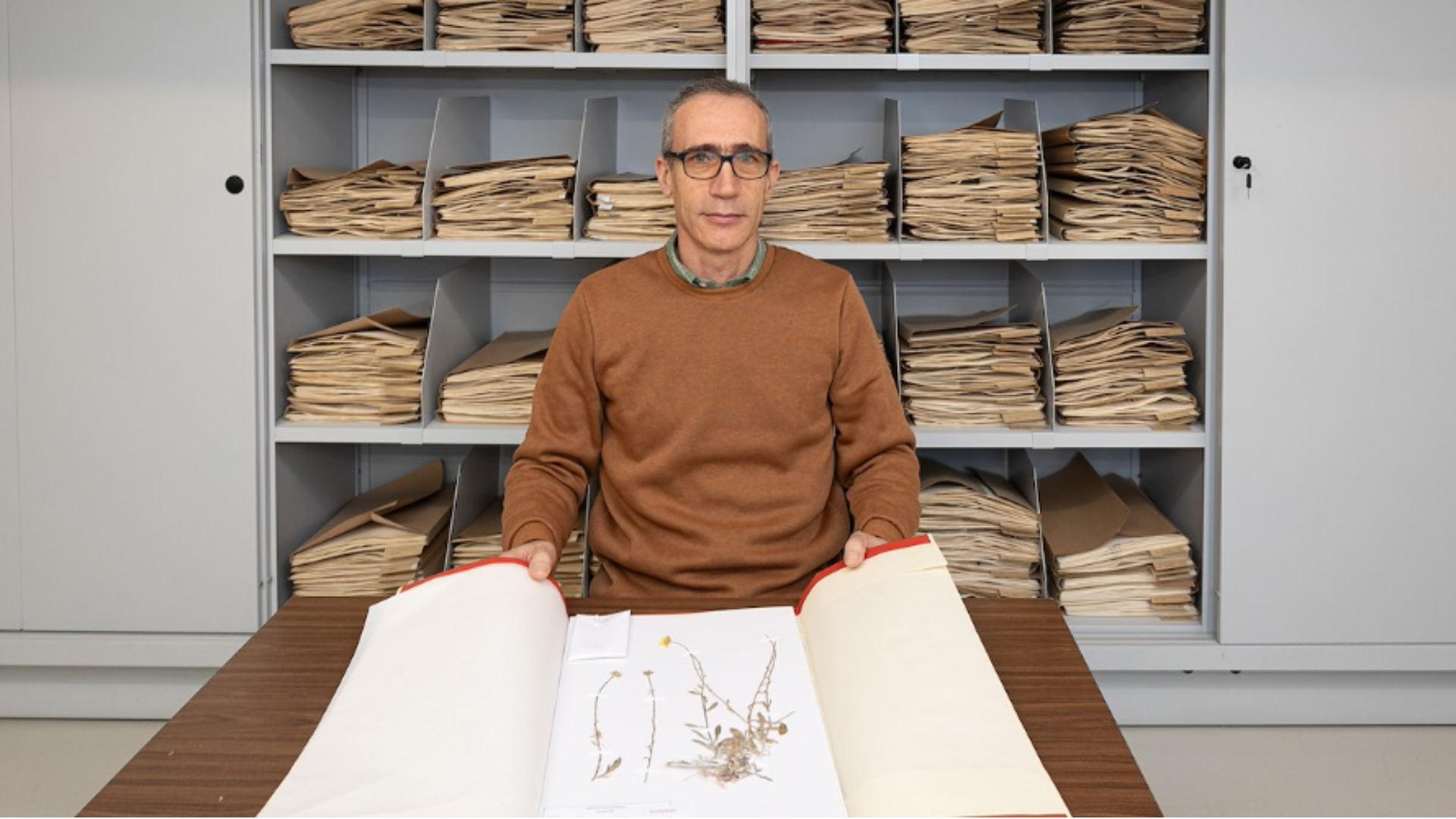
Researchers from the University of Aveiro (UA), in collaboration with teams from other institutions, have discovered two new species and eight new subspecies of plant, in this case, marigold, in various areas of North Africa. The studies were carried out over several years, and the fieldwork began in 2009 in Tunisia.

The discovery of the new species and subspecies occurred at different times. In some cases, researchers realized they were dealing with new species and subspecies during fieldwork, when visiting their populations, explains Paulo Silveira, a researcher at CESAM and a professor in the Department of Biology at UA who coordinated the studies. In other cases, he adds, it was during the examination of specimens in the herbarium after visiting the plant populations or, more rarely, even before such visits, because many specimens collected by other botanists did not contain the fruits necessary for the identification and reliable characterization of these plants.

Fieldwork took place in Tunisia in April 2009, in Morocco (April 2010, April 2011, June 2012, March 2013), and in Algeria in May 2014. The laboratory work was carried out at the Botany Laboratory and the Herbarium of the University of Aveiro. In the first expeditions, Paulo Silveira worked alone. From June 2012, the PhD student Ana Carla Gonçalves began to participate as part of the taxonomic revision of the genus during her PhD under the supervision of Paulo Silveira.

Although the most recent disclosure of this lengthy work is from 2023, the teacher and researcher explain that a new species is not usually announced immediately after its discovery, but only after it has been thoroughly studied and published, both of which are time-consuming tasks. Until the results are published, confidentiality is maintained.

The Importance of Fieldwork

Not all of these species are mountain-specific, although most are: from the Tazekka mountains in the Middle Atlas, through the Rif and Bokoya in Morocco, to Djurjura in Algeria. Calendula suffruticosa subsp. boccoyana, for example, although named after the Bokoya mountains, can appear at relatively low altitudes, on coastal reefs. “It was very important to engage with the morphological variability of Calendula genus plants in the field, as there are variations within certain populations that are not taxonomically relevant and complicate analysis if the study is conducted only in the herbarium, where specimens are out of the context of their respective population,” notes Paulo Silveira. “In most cases, the differences are subtle, especially in the case of the new subspecies,” he says.

The researcher believes that the main reason they had not been discovered or published as new taxa (new species and subspecies) earlier is due to the previously underestimated role of achenes – a type of fruit typically dry, originating from one or more carpels, which does not spontaneously open, containing typically one seed – in the taxonomy of the genus, with many herbarium specimens lacking these fruits and thus not being identifiable. Paulo Silveira also adds that there were previously gaps in fieldwork in the region.

The studies were conducted under the projects of the Centre for Environmental and Sea Studies (CESAM) – FCT/MCTES UIDP/50017/2020+UIDB/50017/2020 through national funds – involving Ana Carla Gonçalves’s PhD scholarship from FCT/UNESCO (SFRH/BD/51464/2011) and funding from the European SYNTHESYS program, which made possible visits to herbariums in London. The work developed so far on the taxonomy and karyosystematics of the Calendula genus has resulted in the publication of two chapters in international books and six articles in indexed journals, involving not only a PhD (by Ana Carla Gonçalves) but also two master’s degrees (Sofia Nora and Inês Simão). Karyosystematics is a branch of systematics (scientific classification of living beings) that seeks to determine natural relationships between taxa through the study of karyotypes (the set of chromosomes present in an individual).

There were also several partnerships over the years and different contexts, but

, in terms of taxonomic implications, the collaborations with botanists from the visited countries stand out, such as professors Ahmed Ouhammoud in Morocco (Marrakech), Rachid Amirouche in Algiers (Algeria), and in Portugal: Estrela Figueiredo, currently at Nelson Mandela University (South Africa), Leonor Morais from the Instituto Superior Técnico (ISA, Lisbon), Helena Oliveira, also from CESAM/DBio, João Loureiro and Silvia Castro – both former UA students, currently professors at the University of Coimbra – and the collaboration of professor Jorge Paiva, a retired researcher from the same university.

Text: Adapted from UAonline News
At the end of January 2024, the Portuguese Environment Agency made the historic decision not to extend the Environmental Impact Statement (EIS) for the Montijo airport project, based on solid scientific grounds. This decision was strongly influenced by six scientific studies focused on avifauna, four of which were conducted by researchers from CESAM.

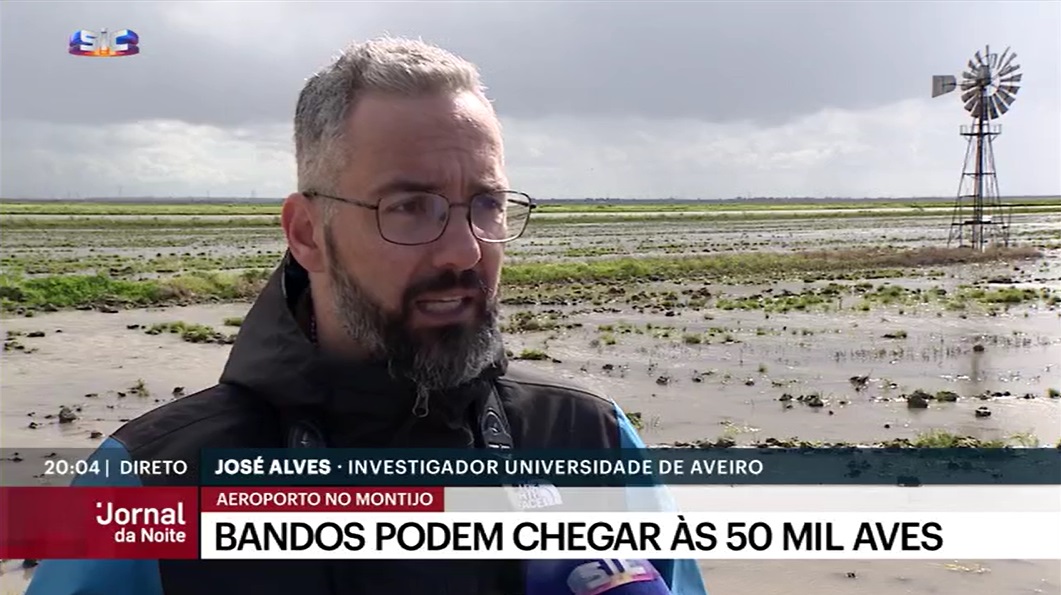
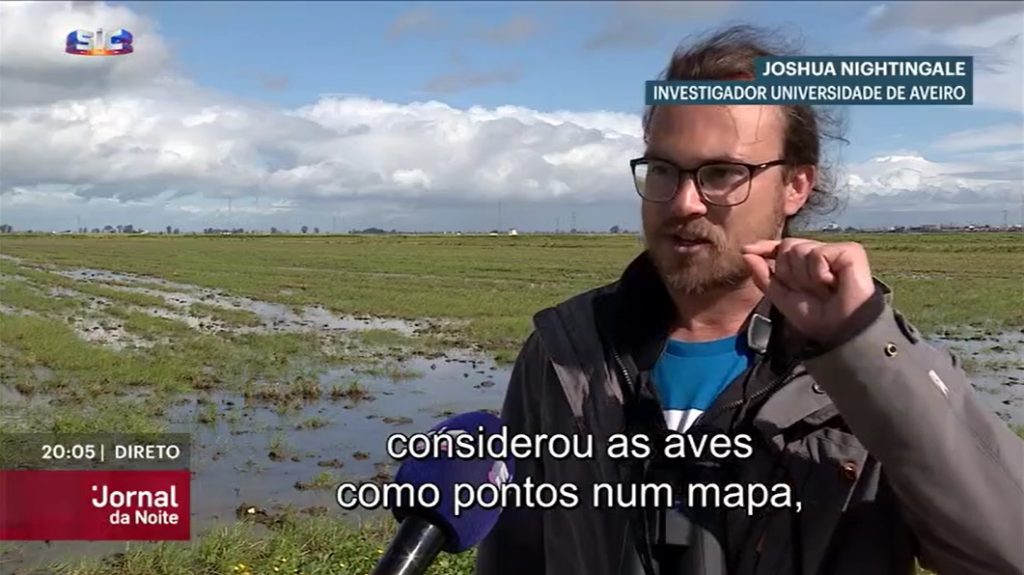
The CESAM studies highlight the significant environmental impacts that the project could have on the protected area of the Tagus estuary, a crucially important area for birds and their habitats. José Alves, a CESAM/DBio researcher, along with his team, contributed three of these studies, which point to alarming conclusions: the airport project would threaten biodiversity in the protected area, negatively affect migratory birds – many of which are already facing sharp declines -, and have impacts that exceed the limits of the area designated for conservation.

These findings caught the attention of various media outlets, notably including reports in Diário de Notícias and on SIC’s Jornal da Noite, broadening the public debate on the matter.

José Alves, who has been pointing out the flaws in the Environmental Impact Assessment process and the risks of non-compliance with legislation since 2019, sees the APA’s decision as a reflection of the importance of science in governmental decision-making related to biodiversity conservation. This stance, if it remains firm after the period of contestation, could serve as an exemplary benchmark of the interaction between scientific research and public management, reinforcing the vital role of science in environmental protection and future sustainability.

On the 11th of February, we honor and celebrate the remarkable women of the CESAM community, acknowledging their invaluable contributions, exceptional talent, unwavering dedication, and trailblazing spirit.

Wishing you all a joyful International Day of Women and Girls in Science 2024!

To mark the International Day of Women and Girls in Science 2024, the University of Aveiro highlighted on its website the trajectories and achievements of 20 female researchers. Among these remarkable women is the researcher Ana Cristina Esteves.

In an interview with UA, the researcher shared the focus of her research, “I am currently studying the potential of marine fungi as producers of molecules that can be applied in our daily lives. I have focused on identifying marine-origin fungi capable of producing molecules that inhibit bacteria (antibiotics) or other fungi (antimycotics and fungicides), as well as fungi that produce enzymes that can be applied in the industry. To find these molecules, I use techniques such as proteomics (identifying all the proteins of an organism), metabolomics (identifying all the small molecules of an organism), lipidomics (identifying all the lipids of an organism), and also genomics (where the genome of these organisms is sequenced and analyzed).”

Read the full content here: Universidade de Aveiro (ua.pt)

EpiLipidNET is an international consortium led by Rosário Domingues, a CESAM researcher, and comprised of 450 lipid scientists, clinicians, scientific societies, and enterprises from 47 different countries. This COST Action CA19105 is now entering its fourth year and has achieved remarkable results in lipid research, education, and public awareness. Its efforts have not only left a lasting impact but have also resulted in significant scientific advancements and the dissemination of knowledge beyond academic circles.
Throughout its journey, EpiLipidNET has achieved numerous scientific discoveries, which are evident through over 50 scientific publications. These publications have provided valuable insights into the intricate world of lipids. By collaborating in an open science environment, this community has developed innovative technologies that have gone beyond the state-of-the-art in the analysis of lipids and their modified forms.
For the complete article, please click here.