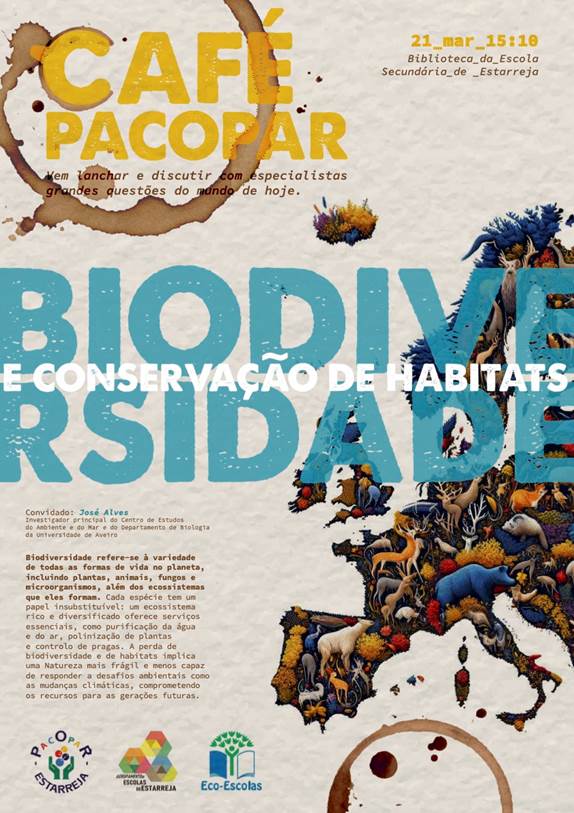
“Biodiversity and habitat preservation” is the theme of this 2nd meeting, which brings together 30 ESE students and José Alves, a researcher from the University of Aveiro, at the table. Our invitation is for you to return to our CAFÉ PACOPAR and join the live broadcast on YouTube (https://www.youtube.com/watch?v=DYUVyppPER8) on March 21st, next Thursday, at 3:10 pm.
Category: Sem categoria
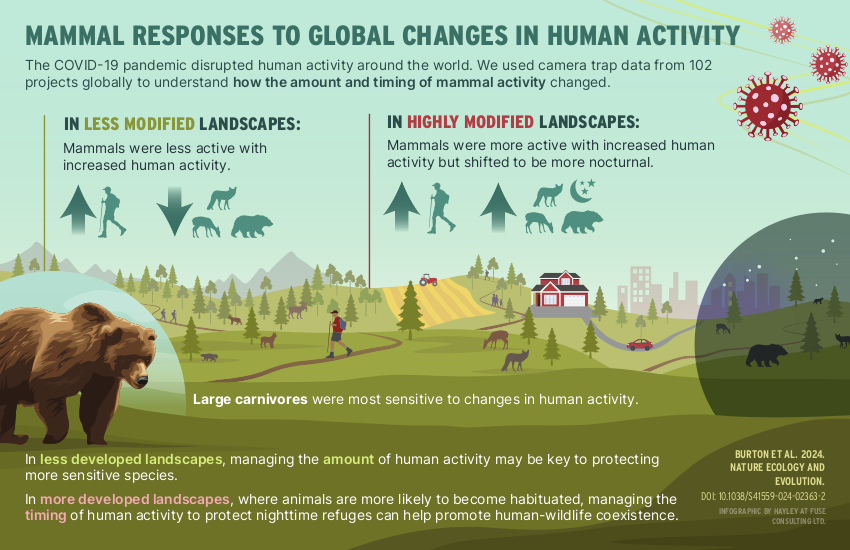
The article entitled “Mammal responses to global changes in human activity vary by trophic group and landscape”, published in Nature Ecology and Evolution and which included the participation of CESAM/Dbio researchers, Rita Torres and João Carvalho, is one of the largest studies on the activity of wild animals, counting more than 163 species of mammals and close to 5000 camera traps around the world, and reveals that depending on the landscape they inhabit and their eating habits, animals react differently to human activity .
Herbivores tend to be more active when human activity increases, while carnivores show the opposite response. In less modified landscapes, such as rural spaces, mammals tend to be less active with increased human activity; while in highly modified landscapes, such as cities, mammals have become particularly active during the night.
These results highlight the importance of taking measures to minimize any harmful effects of human disturbance on wildlife, including reducing overlaps that could lead to conflict.
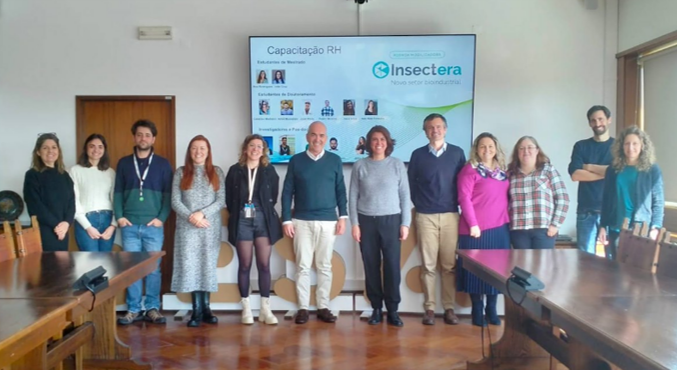
On February 23rd, Universidade de Aveiro (UAveiro) was visited by two members of the Executive Committee (EC) of the InsectERA Agenda for a meeting to monitor the project and visit the laboratories where the research work is taking place.
This action is part of the strategy established by the European Commission to visit all the partners in order to promote an effective rapprochement and connection within the Agenda.
Remember that the InsectERA Mobilizing Agenda is one of the 22 Mobilizing/Green Agendas for Business Innovation of the Recovery and Resilience Plan (PRR) in which the UAveiro participates. Specifically, this Agenda aims to explore the potential of insects as a bioindustrial tool and has an eligible investment of 1.7 million euros at UAveiro.
At the university’s facilities, the group visited the Applied Ecology and Ecotoxicology laboratory – CESAM (Centre for Environmental and Marine Studies), where the In Frass and OneHealth Work Package (WP) experiments are taking place. These are experiences of using organic fertilizers generated from the bioconversion of insects and assessing the challenges, benefits and solutions for human, animal and environmental health along the value chain and the impact of each product and service generated. This visit was accompanied by teacher Susana Loureiro, who showed the work that has been carried out.
A visit was also made to the Technology Laboratory Complex where work is being carried out under the WP In4.0 in a visit led by researcher Mara Freire. This WP aims to increase insect production capacity with the application of automated systems and new insect processing and production optimization techniques, giving rise to new production management and traceability software, increasing productivity and efficiency for insect producers.
As part of this action, the members of the Executive Committee also met with the researchers responsible for the three Agenda projects at UAveiro: Susana Loureiro, Paula Quinteiro, Mara Freire and their teams. The status of each project and the results obtained, as well as the obstacles faced, were presented, sharing information and promoting an exchange of ideas.
More information and updates on the Agenda’s developments can be found at https://www.insectera.pt/.
Text by: Notícias UA.
Increasingly frequent all over the planet, the Iberian Peninsula will also be affected by droughts during this century. This is the main conclusion of a study carried out at Universidade de Aveiro (UAveiro) that predicts changes in the drought regime, which could bring changes to the way of life of Portuguese and Spaniards.
Carried out by researchers João Miguel Dias and Humberto Pereira, from the Department of Physics (DFis) and the Centre for Environmental and Marine Studies (CESAM) of UAveiro, in collaboration with researchers Nieves Lorenzo and Ines Alvarez from the University of Vigo, the study published in the journal Atmospheric Research, characterizes the occurrence and spatial variability of droughts in the Iberian Peninsula over the next 50 years considering two scenarios of greenhouse gas concentration in the atmosphere (one moderate and one severe) defined by the Intergovernmental Panel on Climate Change (IPPC).
In this context, two types of drought were analyzed: meteorological (which are defined as a measure of the deviation of precipitation from the normal/expected value) and hydrological (which relate to the reduction of average water levels in reservoirs and in the ground).
“The main results of the study show that, for both IPCC scenarios, meteorological droughts will be less frequent overall in the Iberian Peninsula in the period 2006-2040, but more intense and long-lasting in the eastern region of the Iberian Peninsula, with this effect intensifying throughout the 21st century,” points out Humberto Pereira.
By 2040, says the researcher, “hydrological droughts are expected to be more common and intense in the northwest of the Iberian Peninsula, and less frequent but longer-lasting in the other regions of the peninsula”. For the period from 2041 to 2075, the frequency and intensity of these droughts will decrease in the most moderate scenario and increase slightly in the most severe scenario.
Predicting the spatial and temporal characteristics of droughts “is crucial to understanding and mitigating their future impacts on the Iberian Peninsula’s ecosystems and reducing the potential risks arising from them”.
Meteorological and hydrological droughts can have various consequences in the region under study. The UAveiro researchers point out that “at an economic level, they could result in negative impacts on agriculture, tourism and energy production; at an environmental level, they will have negative impacts on the region’s biodiversity, soil degradation and a potential increase in the risk of forest fires; and at a social level, with the possible shortage of drinking water for the population”.
It should be noted that the results were obtained using the Standardized Precipitation Index (SPI), an index widely used to characterize the drought regime on different time scales, which is based exclusively on precipitation. “It is well known that drought phenomena can be influenced by other factors, such as air temperature, seasonality, and even the characteristics of the terrain, which requires a more complex characterization and prediction of these phenomena,” says João Miguel Dias.
Text by: Notícias UA.
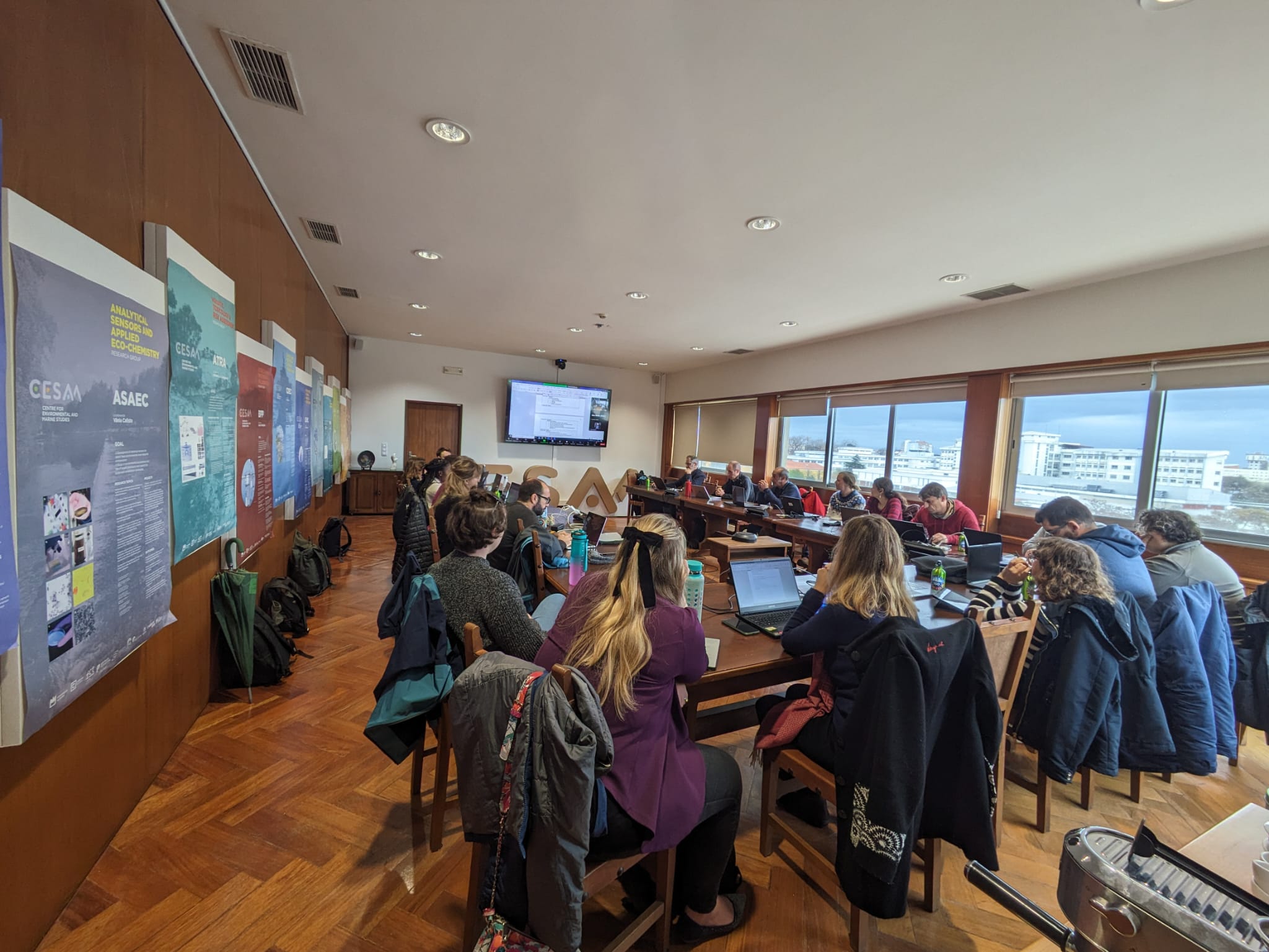
This week (5-7 March) CESAM will host an international workshop to develop the first ever Atlantic-scale maps of the distribution of key species and habitats to inform the development of a deep-ocean biodiversity digital twin.
The workshop, co-organized by the University of Aveiro and the University of Plymouth under the umbrella of the UN Ocean Decade Programme, Challenger 150 (www.challenger150.world), is supported by the Department for Science, Innovation and Technology of the United Kingdom. Researchers from 12 countries (Portugal, United Kingdom, Norway, Iceland, Ireland, France, Spain, South Africa, Canada, USA, Brazil, Uruguay, and Argentina) will meet to deliver Atlantic scale unified datasets for the distribution of key species and habitats supporting onward modelling of distributions both now and under climate change scenarios.
Predicting how the marine biological ecosystem will respond to climate change, and its subsequent impacts on industry and wider society is a key driver in the development of Ocean Digital Twins. Digital Twins are virtual models of a real system that enable simulations to determine possible outcomes of different decision pathways. However, they require terabytes of observations, ideally taken across different ocean regions, in order to model ocean system responses to ‘what if’ scenarios. They therefore demand significant international cooperation. Portugal and the UK have a long history of oceanographic research. Both nations currently co-lead the Challenger 150 programme, which coordinates deep-sea biodiversity research to inform sustainable development.
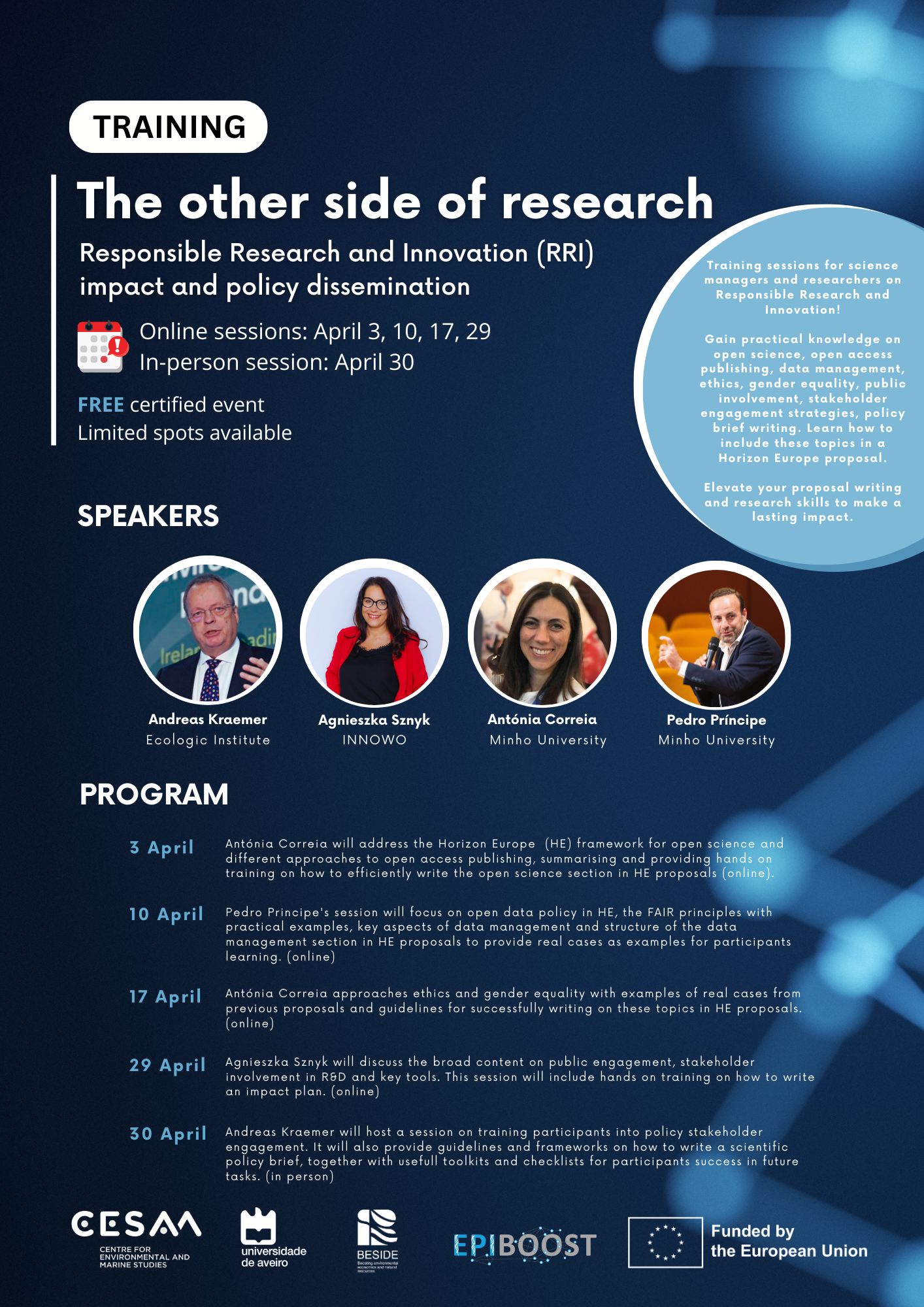
The other side of research is a training course on Responsible Research and Innovation, Dissemination and Impact for science, jointly organised by the BESIDE ERA Chair project and the EPIBOOST Twinning project of the University of Aveiro. Targeting researchers and science managers, this training aims to improve research and proposal writing skills and design efficient and impactful communication plans for public and policy meaningful engagement.
Five sessions of 4h/day will provide practical knowledge on open science, open access publishing, data management, ethics, gender equality, public participation, stakeholder engagement strategies, writing policy briefs and the incorporation of these elements into a Horizon Europe proposal and the management of your science project outputs.
Internationally renowned experts in the field will lead the sessions, including Andreas Kraemer from the Ecologic Institute, Agnieszka Sznyk from INNOWO, Antónia Correia and Pedro Príncipe, from the University of Minho and expert members of several international RRI networks.
The training sessions will take place online on the 3rd, 10th, 17th, and 29th of April from 14:00 to 18:00. Additionally, there will be an in-person session on 30 April, giving participants a unique opportunity for hands-on learning.
The training is free of charge, but there are limited spots available, and it is mandatory to register until 25 March using this link.
Read more about the different sessions and invited speakers here.
On the 29th of February, the 2nd workshop of the European project SPRINT took place at CESAM – University of Aveiro, dedicated to the Transition to a more sustainable phytosanitary protection. The project, nationally coordinated by a team from CESAM-UA, aims to propose pathways for transitioning to a more sustainable plant protection, provide policy recommendations, and develop a research agenda on sustainable plant protection. With the participation of 25 stakeholders representing various sectors of the agricultural production chain, including producers, governance, agrochemical manufacturers, seed producers, researchers, farmer associations, and cooperatives, the workshop aimed to identify approaches and strategies to reduce reliance on synthetic pesticides.
The focus of the discussions was directed towards two main visions: reducing the use of synthetic pesticides by 50%, in line with the goals of the Green Deal, and the total elimination of their use. In a participatory environment, the discussions were extremely productive, identifying the pathway and generating solutions to achieve a more sustainable agriculture with reduced dependence on synthetic pesticides.
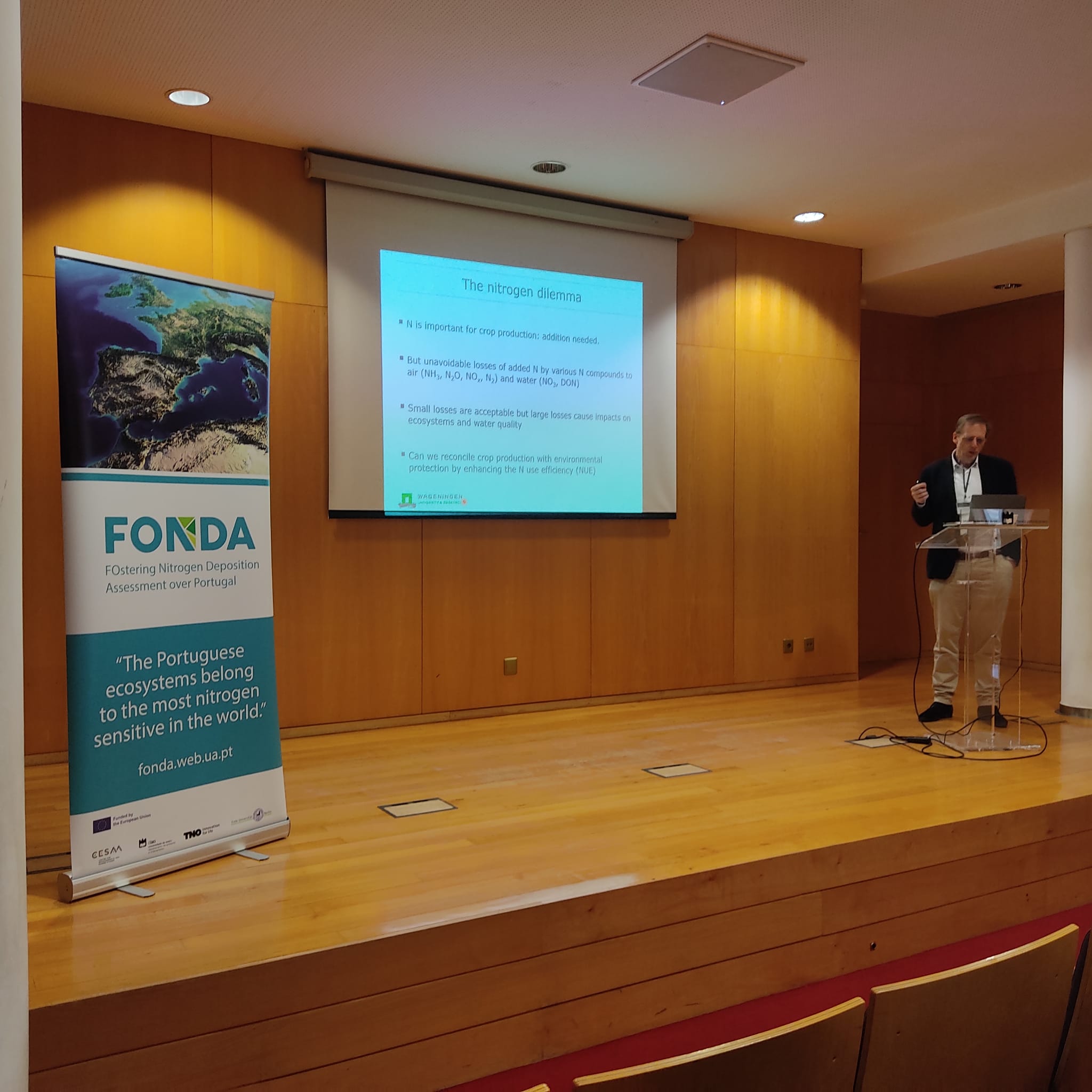
From March 4th to 12th, a Spring School is taking place at the University of Aveiro under the scope of the TWINNING FONDA project, coordinated by our researcher Alexandra Monteiro (CESAM/DAO). This event aims to develop knowledge on nitrogen modeling and deposition in the field.
This Spring School is the first event organized by the FONDA consortium at the University of Aveiro, in close collaboration with consortium partners TNO (Netherlands) and Freie Universität Berlin (FUB). Participants have the unique opportunity to interact closely and exchange ideas and experiences with invited speakers and network with colleagues in an informal and relaxed environment.
Learn more here: FONDA (ua.pt)
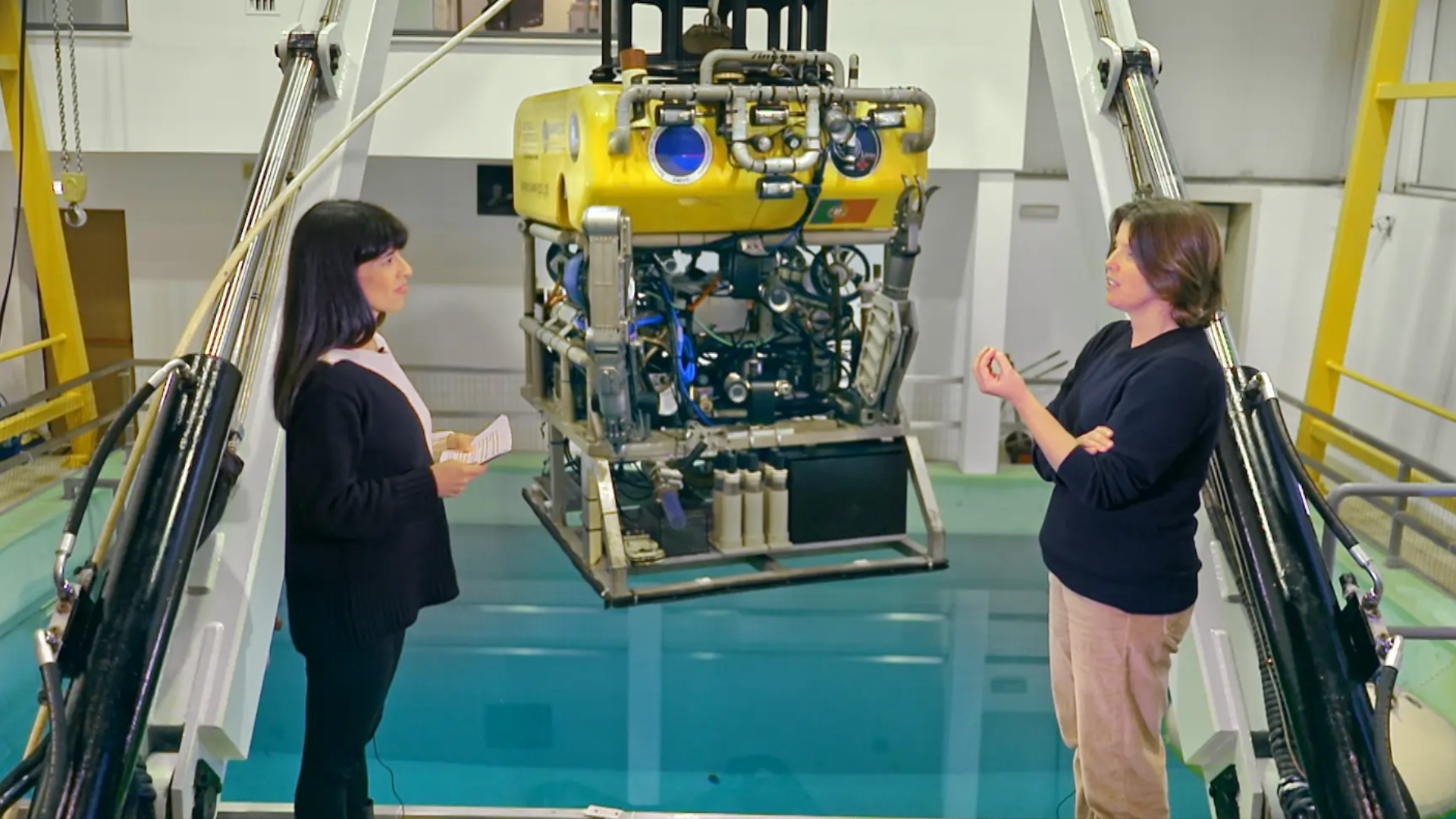
Ana Hilário, a researcher from CESAM/DBio, was featured on SIC’s “Admirável Mundo Novo” this Saturday, February 2nd, to discuss the deep sea and the international project she co-coordinates, Challenger 150. This project brings together researchers from 140 institutions in 52 countries in a collaborative effort to generate knowledge that will help in the development of more informed and responsible policies regarding the oceans.
During the interview, the researcher shared that a vast portion of the deep sea remains unexplored, with less known about this area — which extends from 200 to 11,000 meters below the ocean surface — than about the moon. She emphasized the critical importance of expanding our knowledge of the oceans, the species that inhabit them, and drew attention to the potentially devastating impacts of deep-sea mining.
Ana Hilário also stressed that “the deep sea plays a fundamental role in regulating the planet,” highlighting its importance not just for marine biodiversity, but also for the global climate balance, reinforcing the message that protecting the oceans is indispensable for the sustainability of our planet.
If you didn’t have the chance to watch it live, view the complete episode here.
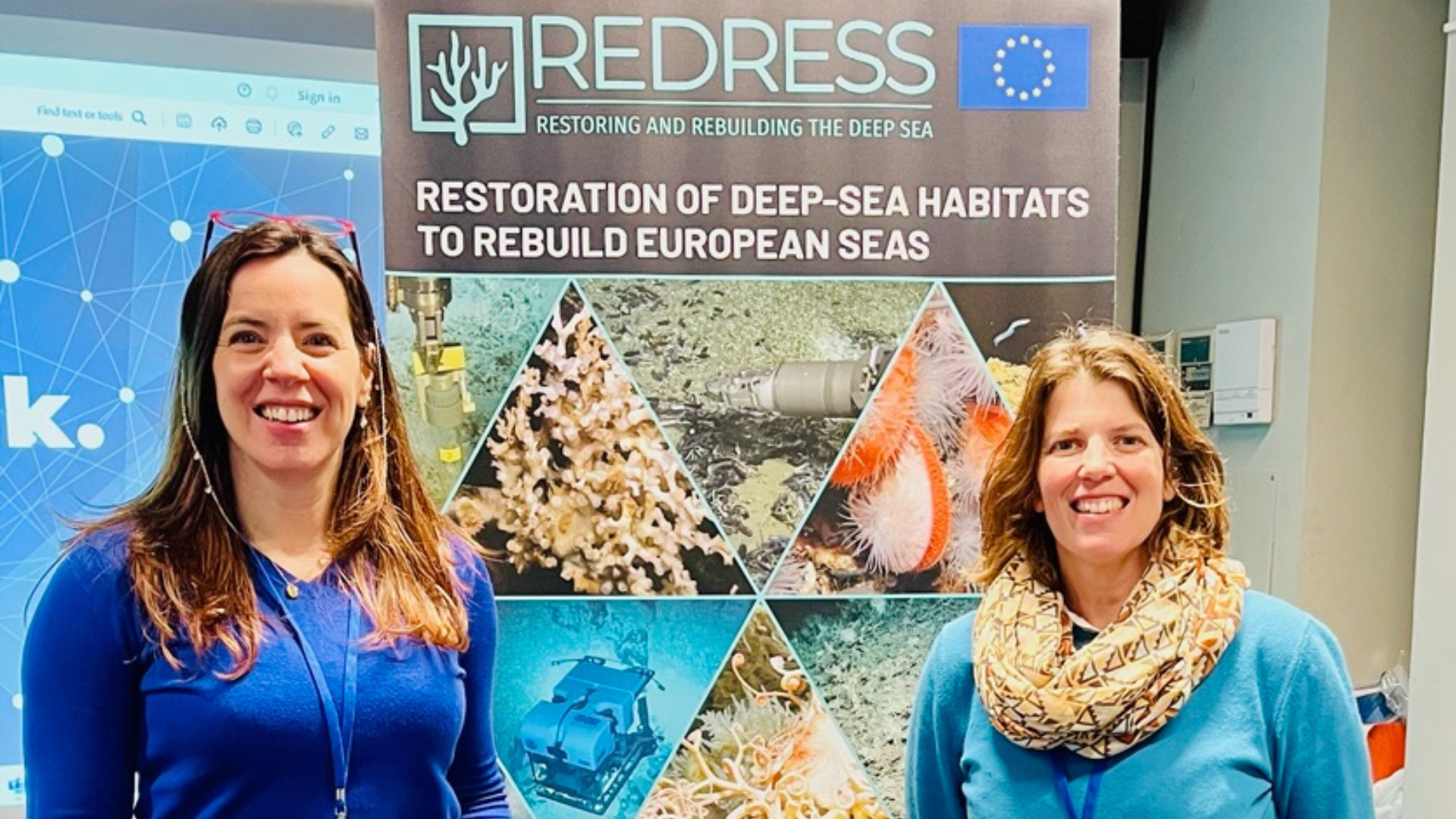
Between February 26 and 28, the first meeting of the new European project REDRESS (project number: 101135492) took place in the city of Genoa, led by the Università Politecnica delle Marche. This meeting featured an impressive list of 27 partners from the European Union and promises to be a milestone in advancing deep-sea restoration, as well as in the interaction between science, policy, and economy, aiming at the sustainability of European oceans.
Researcher Ana Hilário (CESAM/DBio) is the coordinator at the University of Aveiro for this project and was present at this meeting, along with researcher Helena Vieira (CESAM/DAO). According to the project coordinator, “the results of the REDRESS project will be fundamental for the implementation of the Nature Restoration Law that was approved today in the European Parliament.”
The REDRESS project focuses on creating informed and well-founded strategies for decision-making related to deep-sea use and/or restoration projects, with the goal of promoting more sustainable management of these oceanic resources. Through this project, the partners hope to contribute significantly to a bluer and more sustainable future for our planet.