The deadline for submitting Expressions of Interest for short-term internships at the University of Texas at Austin, promoted by the UT Austin Portugal Program, has been extended to June 15th. These internships have a duration of two to three months, between September and December 2023, and are dedicated to Research and Development (R&D) activities in the areas of Advanced Computing, Nanotechnologies, Space-Earth Interactions, or Medical Physics.

This opportunity is open to individuals who:

  • Hold Portuguese citizenship or have permanent residency in Portugal;
  • Have a Master’s or PhD degree, or are enrolled in a Master’s or PhD program in Portugal;
  • Are affiliated with an institution, university, or company established in Portugal that conducts R&D activities;
  • Are motivated to carry out their work under the supervision of experts from one of the leading public universities in the United States.

All information about the application process and required documents is available here.

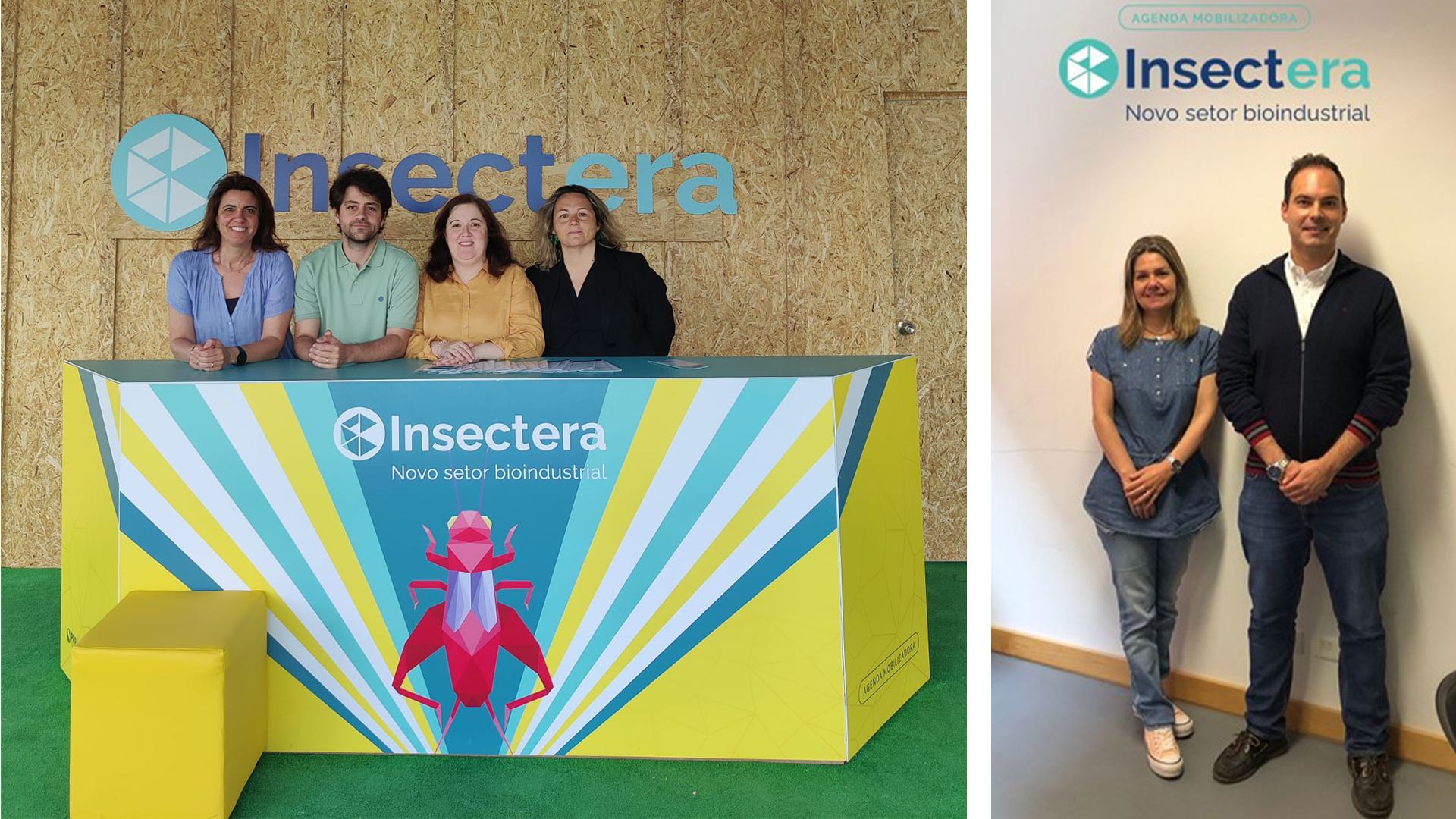
Between June 3 and 11, 2023, the InsectERA mobilizing agenda was present at the National Agriculture Fair (FNA23), held in Santarém. The University of Aveiro, a member of the InsectERA consortium, was represented by Susana Loureiro and Diogo Cardoso (CESAM/DBIO), Paula Quinteiro (CESAM/DAO), Marta Ferreira Dias (GOVCOPP/DEGEIT), and Ana Paula Tavares and Augusto Pedro (CICECO/DQ) (from left to right in the photograph).

Daniel Murta, General Director of Entogreen and Leader of the InsectERA Mobilizing Agenda, emphasized in the regional newspaper O Mirante the importance of the presence at FNA23, which “is the central national event for areas ranging from animal and human nutrition to the bioindustrial production of fertilizers and other agro-industrial products.” In turn, researcher Susana Loureiro (CESAM/DBIO), the contact point for the InsectERA Agenda at the University of Aveiro, also pointed out that: “The UA teams present at FNA introduced the work programs for the InFood, InFrass, and One Health Axes on June 7, 9, and 11. In these axes, we will address the development of new techniques for insect processing for the extraction of proteins and oils using alternative biocompatible solvents, the components of fertilizer safety and their effectiveness in various agricultural and forestry crops, as well as the Life Cycle and Sustainability of the products that will come out of this agenda. In addition, on June 7, we participated in the General Assembly of the InsectERA Agenda, giving a new impetus to the work.”

The mobilizing agendas for Business Innovation, framed within the Recovery and Resilience Plan (PRR), were created with the aim of consolidating and expanding synergies between the business sector and the scientific and technological system in Portugal. Contributing to increasing the competitiveness and resilience of the Portuguese economy based on R&D, innovation, and the diversification and specialization of the productive structure.

In this context, the InsectERA Mobilizing Agenda was created to bring together different players from the entire value chain who intend to explore the potential of insects as a bioindustrial tool and bioindustrial solutions. Daniel Murta also emphasized in the regional newspaper O Mirante that they have the ambition to “make Portugal the world leader in a new bioindustrial sector.” Since this Agenda seeks to bring alternative food/nutritional solutions to respond to new sector needs, such as the increase in the world population, climate change, and food waste. Thus contributing to the green transition towards environmental sustainability, based on a circular economy.

Among the plans of this Mobilizing Agenda is the creation of three new factories for the production of insect-derived products, the creation of a chitosan production factory, and a logistics center, where 150 new jobs are expected to be generated. Investments are also planned, including construction or adaptation works, the acquisition of productive, processing, and biodigestion equipment, quality control laboratory equipment, packaging, and the installation of solar panels. With this investment program, it is expected to achieve the industrialization of at least 100 new products, processes, and services based on insects for the market.

Defined based on identified market needs, the InsectERA Agenda is structured into three transversal axes (InFrass; One Health; In2Market) and four major vertical axes:

  • InFood – with a minimum target of 15 new product lines for human nutrition based on insects;
  • InFeed – with a minimum goal of creating 8 new product lines (feeds) for animal nutrition;
  • InIndustry – which aims at the development and industrialization of four new raw materials (chitosan, proteins, insect oil, lauric acid, and natural insect extracts);
  • InBiorremediation – which aims at investing in R&D and creating a bioremediation research center.

The InsectERA consortium involves 42 partners, three of which are insect producers in Portugal (EntoGreen, Thunderfoods, and The Cricket Farm Company). The University of Aveiro participates in the consortium with three research teams from three different research units: the Center for Environmental and Marine Studies (CESAM); the Institute of Materials of Aveiro (CICECO); and the Governance, Competitiveness and Public Policy Research Unit (GOVCOPP). The contact point at the University of Aveiro, as mentioned above, is researcher Susana Loureiro (CESAM/DBIO), with an investment of €1,660,414.03 by the Aveiro Academy.

To learn more about this Mobilizing Agenda, consult here.

Text by: CESAM in collaboration with Susana Loureiro (CESAM/DBIO)
Last Thursday, June 15th, the EuroMarine network, of which the Center for Environmental and Marine Studies (CESAM) is a part, held an online information session aimed at researchers in marine sciences at different stages of their careers. The event aimed to present the network’s initiatives, highlight career opportunities, address funding issues, and stimulate networking among participants.

During the session, participants had the opportunity to become acquainted with the activities and projects developed by the EuroMarine network, as well as to learn about opportunities available in the field of marine sciences.

For those who did not attend the event live but are interested in learning more about the content of this session, the following resources provided by EuroMarine are available:

Complete recording of the session here.

The pharmaceutical group ZENDAL will hold the IV edition of the International Zendal Awards 2023 this year. This award aims to recognize excellence in research and innovation in the field of biotechnology, rewarding the best projects in human and animal health.

In this year’s edition, the winner of the human health category will receive a prize of €40,000, while the winner of the animal health category will receive €25,000. These awards represent recognition of the impact of the winning projects in the field of biotechnology and the advancement of human and animal health.

The application process is open until October 3, 2023.

Interested parties can access the brochure of the 4th edition of the International Zendal Awards 2023 here.

For more information about the Zendal Awards, click here.

FCT (Portuguese Foundation for Science and Technology) has announced the postponement of the opening of the R&D Projects Competition in all scientific fields for the year 2023 to the period from November 1st to 30th.

FCT aims to increase the budget available for the R&D Projects Competition in all scientific fields for 2023. They are working to establish synergies with the PT2030 program in order to allocate a higher amount for the funding of this program.

For more information, please refer to the link provided.

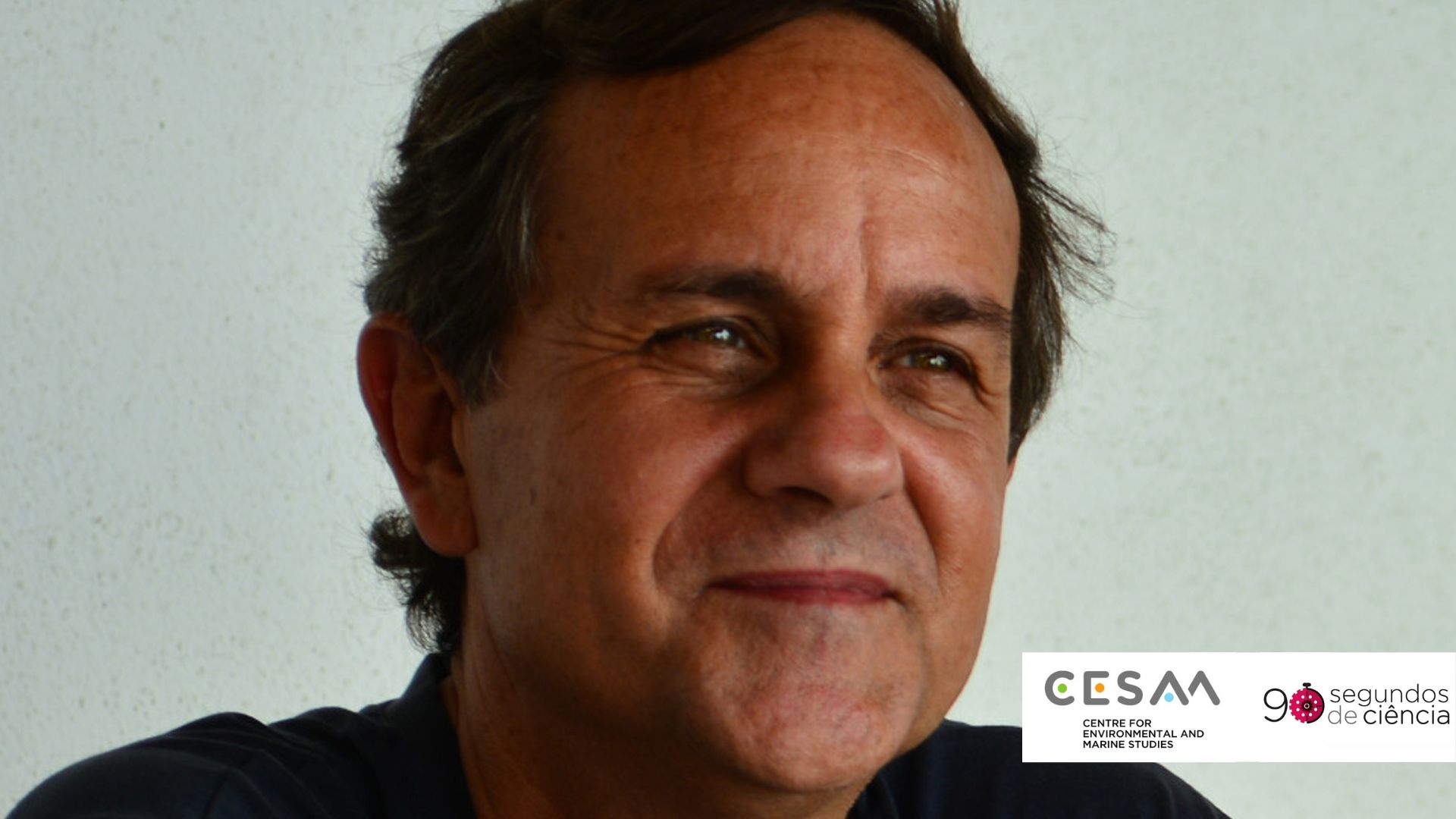
On Tuesday, June 20th, José Pedro Granadeiro (FCUL/CESAM) participated in the program “90 Seconds of Science” on Antena 1 to discuss his research on ecology of oceanic seabirds.

José Pedro Granadeiro explains that these birds undertake long journeys in marine areas far from the coast, and through his research, it’s possible to gather more information about deep-sea ecology.

To collect data for his investigations, José Pedro Granadeiro’s team attaches small GPS devices to the feathers of the birds, which enables them to monitor and map not only the distances they travel but also the locations where they congregate. In these areas, they can find not only oceanic birds but also other species like tunas, sharks, and marine mammals. This way, the team can identify important areas for marine biodiversity conservation.

You can listen to José Pedro Granadeiro’s participation in “90 Seconds of Science” here.

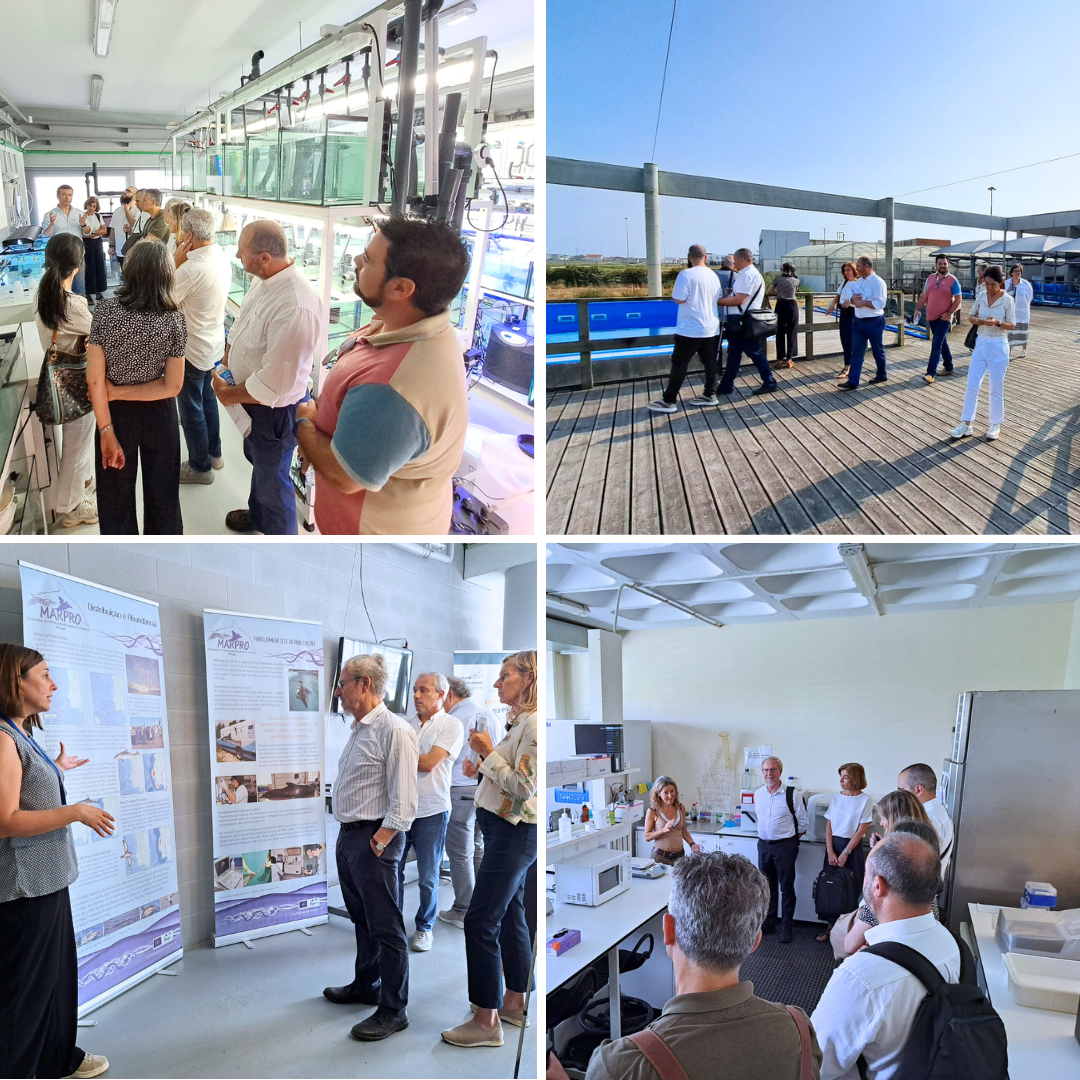
Last Tuesday (June 27th), the General Council of the University of Aveiro visited CESAM. The visit consisted of a traditional meeting between the members of the General Council and the Scientific Coordinator of CESAM, where an overview of CESAM’s activities was presented, and the council members had the opportunity to ask questions and seek clarifications.

After the meeting, the General Council members had the chance to visit the laboratories on the third floor of building 3 at CESAM. They were received by the heads of each laboratory. This was followed by a visit to ECOMARE (Laboratory for Innovation and Sustainability of Marine Biological Resources of the University of Aveiro) located in the port of Aveiro, Gafanha da Nazaré. At ECOMARE, the General Council was received by researchers Ricardo Calado and Catarina Eira (CESAM/DBIO), who are responsible for the Center for Aquaculture and Marine Research (CEPAM) and the Center for Marine Animal Research and Rehabilitation (CPRAM), respectively.

According to Professor Amadeu Soares, this visit was very useful for everyone involved. It provided an opportunity to showcase the quality and diversity of CESAM’s activities to both internal and external members of the General Council. Additionally, some suggestions were made that could be considered in the context of the ongoing revision of the University of Aveiro’s statutes.

The General Council of the University of Aveiro is responsible for electing the Rector, approving medium-term strategic plans, action plans for the Rector’s four-year term, as well as the general guidelines for the University in scientific, educational, financial, and patrimonial matters.

The Council consists of 19 members: ten representatives of professors and researchers, three students, one representative of technical, administrative, and management staff, and five external individuals of recognized merit, not affiliated with the University of Aveiro, who possess relevant knowledge and experience.

Text by: CESAM

Olga Ameixa, a researcher from the Department of Biology and CESAM at the University of Aveiro, has been appointed by the Foundation for Science and Technology (FCT) as the national delegate to join the Management Committee of the COST Action Insect-IMP – “Improved Knowledge Transfer for Sustainable Insect Breeding” (CA22140), of which she is also a proponent. The COST Action brings together 45 participants from 20 countries.

Insect farming can play a vital role in ensuring global food security by reducing the environmental footprint of food production and enhancing the sustainability of modern agricultural systems. However, current practices rely on insect populations with poorly understood genetics. While knowledge of livestock genetics has significantly contributed to agricultural advancements, few efforts have been made to develop structured breeding programs that can ensure genetic improvement of insect species.

Given the increasing importance of bees as pollinators and the continuous growth of other insect farming systems, there is a growing need to coordinate research efforts in the field of insect breeding and genetics. The Insect-IMP Action aims to establish connections between researchers from various fields such as genetics, entomology, and veterinary sciences, as well as key stakeholders across the insect farming sector.

The action will facilitate the transfer of knowledge about various insect species, as well as insights from other animal breeding and genetics sectors. This will foster research development and economic gains in insect farming and apiculture. Collaboration within the action will promote a more sustainable growth of the insect farming sector, enhance research capabilities at the European level, lay the groundwork for long-term research-industry collaboration beyond borders, and support well-informed decisions in insect breeding regulation.

Text by: Olga Ameixa (CESAM/DBIO) in collaboration with CESAM

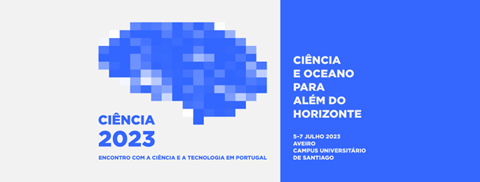
The Center for Environmental and Marine Studies (CESAM), as in previous years, is taking part in another edition of Portugal’s largest science and technology event, Ciência 2023. This event is taking place from July 5th to 7th on the campus of the University of Aveiro, focusing on the theme: “Science and Ocean beyond the horizon.”

As Elvira Fortunato, the Minister of Science, Technology, and Higher Education, stated, “Ciência 2023 will be a very important milestone for all of us. For the first time, it is decentralized: it leaves Lisbon and comes to Aveiro.” Helena Vieira, a researcher from CESAM/DAO and the Commissioner of Ciência 2023, also highlighted the double significance of this edition, stating, “It is also, for the first time, a thematic encounter, with a focus on the ocean and water, their intrinsic connections, and (…) the role of science in all its contributions to understanding, exploring, and also protecting the true lung of this planet.”

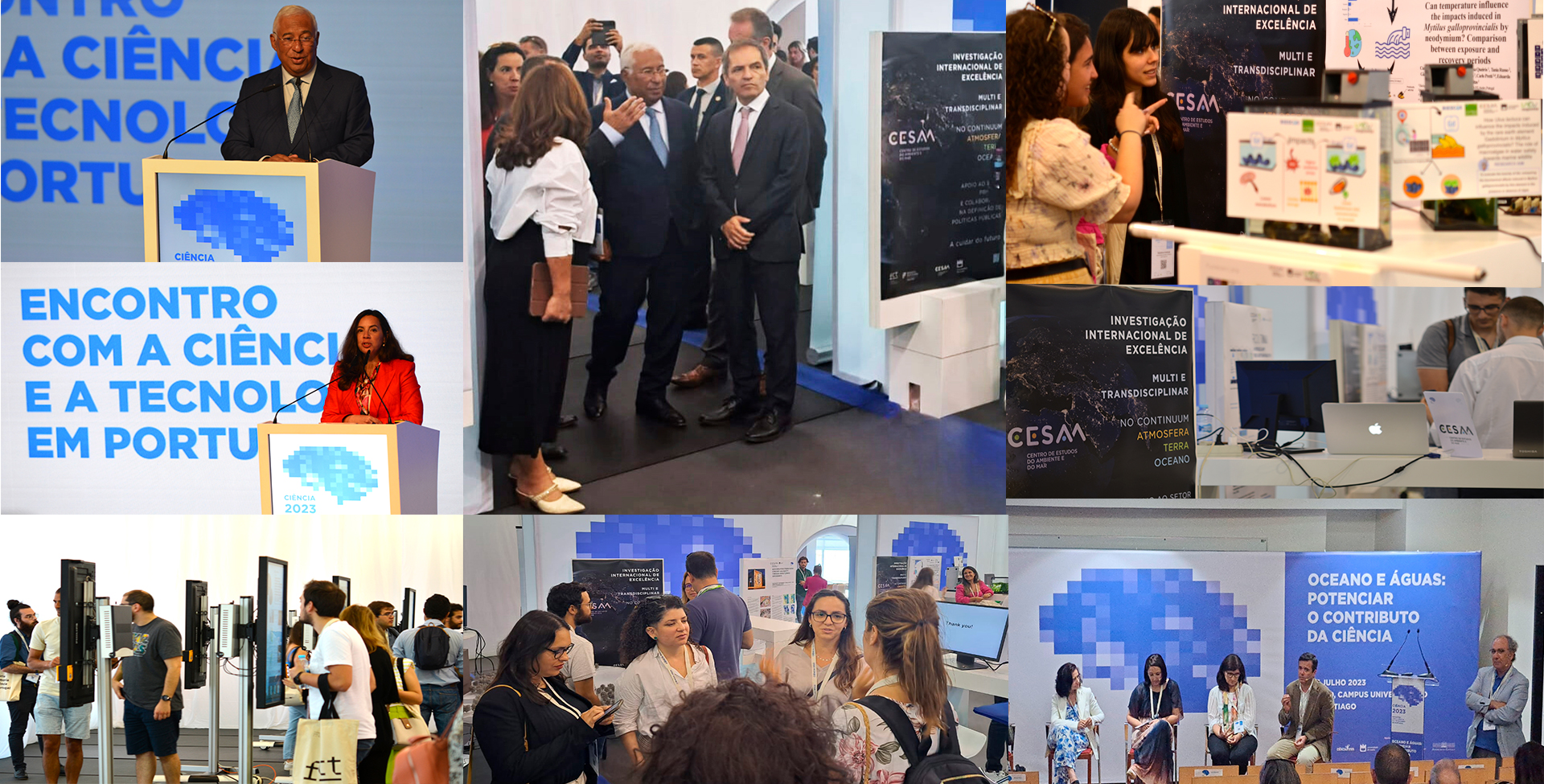
CESAM has a significant presence throughout the three-day program of the event, with individual researchers contributing and organizing sessions. Over the three days, visitors will be able to explore 40 scientific posters submitted by CESAM researchers and participate in CESAM’s activities available in the event’s demonstration area.

One notable session is the thematic session “Discovering the Potential of the Blue Economy,” organized by CESAM and the Center for Biotechnology and Fine Chemistry at the Catholic University (CBQF). On the second day (July 6th), between 2:30 PM and 4:00 PM, researchers such as Luís Tarelho (CESAM/DAO), Ana Maria Gomes (CBQF), Ricardo Calado (CESAM/DBIO), Paula Castro (CBQF), Manuela Pintado (CBQF), and João Pinto da Costa (CESAM/DQ) will discuss blue biotechnology as a crucial driver to replace fossil fuel-based value chains, enhance circular food systems, and reduce pollution.

On the same day (July 6th), CESAM will also be represented in a nighttime session aimed at the public of Aveiro City, taking place at the University of Aveiro’s Rectory Building. Titled “An Ocean of Science for Everyone in Aveiro,” the event will feature the documentary “ECOMARE – Research and Rescue of Marine Species,” produced by PlaySolutions – Audiovisuais with scientific coordination from CESAM. The documentary premiered on RTP1 and was awarded the gold medal in the “Wildlife – Seas and Forests” category at the International Tourism Film Festival of Africa (ITFFA). In this session, researchers Ricardo Calado and Ana Hilário (CESAM/DBIO) will deliver a joint presentation titled “From the Depths of the Sea to the Plate!”

Regarding participation in plenary sessions, Luis Menezes Pinheiro, a researcher from CESAM/DGEO and President of the Portuguese Committee for the Intergovernmental Oceanographic Commission of UNESCO, will be a guest speaker at the “Governance” Plenary Session (9:00 AM to 10:30 AM). On the last day of the event (July 7th), CESAM/DAO researcher Cristina Pita will also be a guest speaker at the “Food” Plenary Session.

In terms of thematic session participation, researcher Sónia Cruz (CESAM/DBIO) will be present in the “A Sea of Opportunities for Health” Thematic Session organized by the Clinical Research and Biomedical Innovation Agency (2:30 PM to 4:00 PM, July 7th). And researcher Ricardo Calado (CESAM/DBIO), mentioned earlier, will participate in the “Employment and Circular and Sustainable Blue Economy” Thematic Session (11:15 AM to 12:45 PM, July 5th) organized by the Collaborative Laboratories B2E CoLAB, CoLAB +ATLANTIC, S2Aqua, and Greencolab.

For more information about the event and the complete program, click here.

Text by: CESAM

Portugal’s largest science and technology event, Ciência 2023, has been taking place on the campus of the University of Aveiro since July 5th and will continue until the 7th. The 2023 edition is themed “Science and Ocean Beyond the Horizon,” and the Center for Environmental and Marine Studies (CESAM), as in previous years, actively participates in this event.

As mentioned during the opening session by Helena Vieira, a researcher from CESAM/DAO and the commissioner of Ciência 2023, this national event, being the first to not occur in Lisbon, is also the first to focus on a specific theme, encouraging the scientific community to build solutions “for a fairer, bluer, and greener society.”

These have been intense days of activity, with extensive participation from the CESAM research community. While it’s not possible to list all individual researchers, the thematic session “Discovering the Potential of the Blue Economy,” organized by CESAM and the Center for Biotechnology and Fine Chemistry at the Catholic University (CBQF), deserves special mention. Moderated by Amadeu Soares, Scientific Coordinator of CESAM, and Manuela Pintado, a researcher from CBQF, this session discussed the role of blue biotechnology as a crucial driver to replace fossil fuel-based value chains, enhance circular food systems, and reduce pollution.

On the same day, CESAM was also represented in the nighttime session of Ciência 2023 held at the University of Aveiro’s Rectory Building. Titled “An Ocean of Science for Everyone in Aveiro,” the event featured the documentary “ECOMARE – Research and Rescue of Marine Species,” produced by PlaySolutions – Audiovisuais with scientific coordination from CESAM. The documentary premiered on RTP1 and was awarded the gold medal in the “Wildlife – Seas and Forests” category at the International Tourism Film Festival of Africa (ITFFA). In this same nighttime session, researchers Ricardo Calado and Ana Hilário (CESAM/DBIO) delivered a joint presentation titled “From the Depths of the Sea to the Plate!”

You can explore the entire program here.

Text by: CESAM