The agreement for scientific and technological cooperation between Portugal and France, established in 2004, envisions both countries establishing a program aimed at promoting collaboration between teachers and researchers, including young researchers in higher education institutions and related research institutions in Portugal and France.
One of the intended objectives is to foster exchange actions among researchers by supporting their mobility within the scope of international projects.
The projects will have a maximum duration of 24 months, with annual renewals possible. The annual funding from FCT per project is €2,000.
Applications should be prepared jointly by the responsible researchers from both countries and submitted to the implementing bodies of the Agreement. Thus, the Portuguese team should submit their application to FCT, and the foreign team to the relevant organization in their country.
The application to be submitted to FCT should be submitted through the application submission portal by 17:00 on June 26, 2023, Lisbon time.
The University of Aveiro (UA) is one of the institutions that is part of the international network IMFAHE (International Mentoring Foundation for the Advancement of Higher Education), within which several members of UA, including professors and researchers in the fields of Biomedicine and Engineering, participated in the 2021-2022 edition of this program.
In that edition, researchers Alexandra Monteiro and Vera Rodrigues (CESAM/DAO) were part of one of the winning teams of the “IMFAHE’s Nodal Award-Shark Tank 2022” with the idea “Ammonia project,” which aims to study the environmental impact of using ammonia as an alternative fuel in maritime and aerial transportation.
The objective of this collaborative IMFAHE network is to promote professional development, educational and research excellence in the university community, as well as to facilitate real-time global knowledge transfer and the creation of effective multidisciplinary collaborations, encouraging entrepreneurship and innovation. In addition to free access to three online courses organized to promote professional development, innovation-entrepreneurship-leadership, and scientific careers, there is the “IMFAHE Talent Platform,” which focuses on online communication, networking, and entrepreneurship through the “IMFAHE’s idea contest-Nodal Award-Shark Tank” or the idea accelerator “Venture Building Program.”
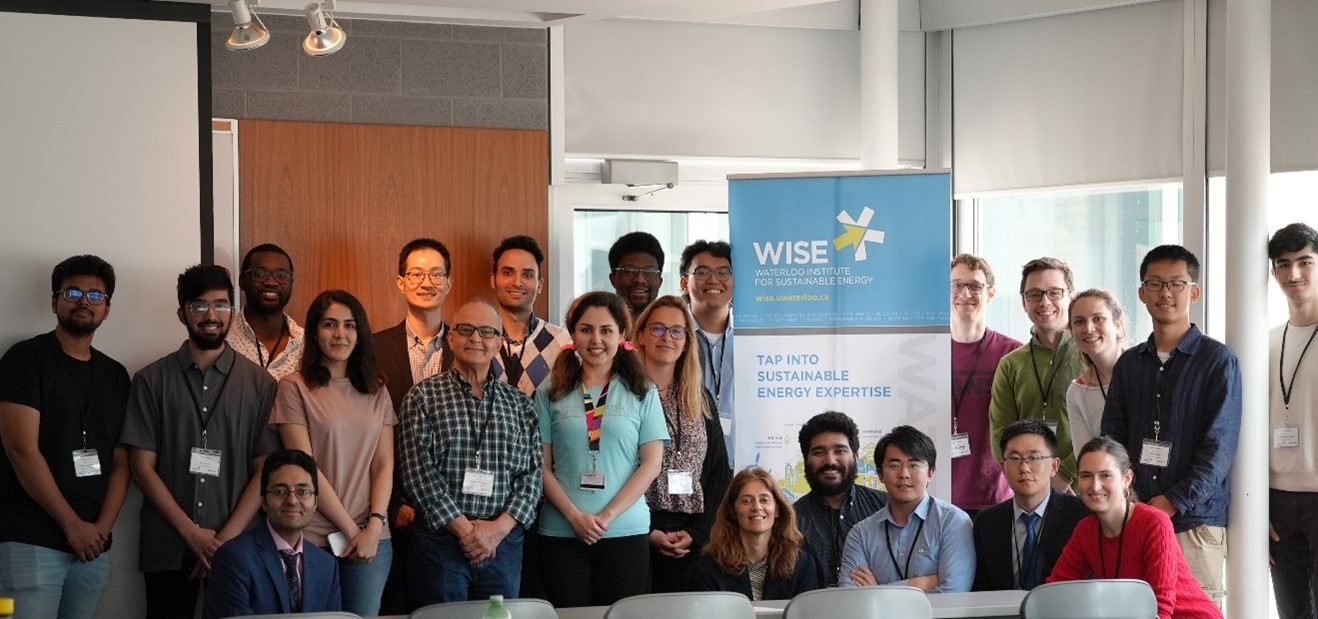
Now, in May 2023, and within the scope of the award won, Alexandra Monteiro and Vera Rodrigues organized the “Ammonia workshop” at the University of Waterloo (Canada), which had more than 50 participants. In addition to jointly organizing this international workshop with colleagues from the University of Waterloo, the group of researchers is preparing to submit a scientific paper to the “Journal of Cleaner Production” and preparing a research project proposal.
Text by: Alexandra Monteiro and Vera Rodrigues in collaboration with CESAM
On June 5th, we celebrate World Environment Day. The year 2023 marks the 50th anniversary of the United Nations Environment Programme (UNEP), which is responsible for the annual celebration of World Environment Day.
Its creation in 1973 came a year after the first world conference on the environment, the ‘United Nations Conference on the Human Environment.’ Bringing together 122 countries, it was the first time that the environment became a truly global issue.
Over the years, the celebration of this date has brought together organizations from civil society, academia, industry, and political power, becoming one of the largest global platforms for environmental awareness. In 2023, the focus of this day’s celebration is on the theme of plastic pollution, under the motto “Combat Plastic Pollution,” with the Republic of Côte d’Ivoire and the Netherlands as the host countries.
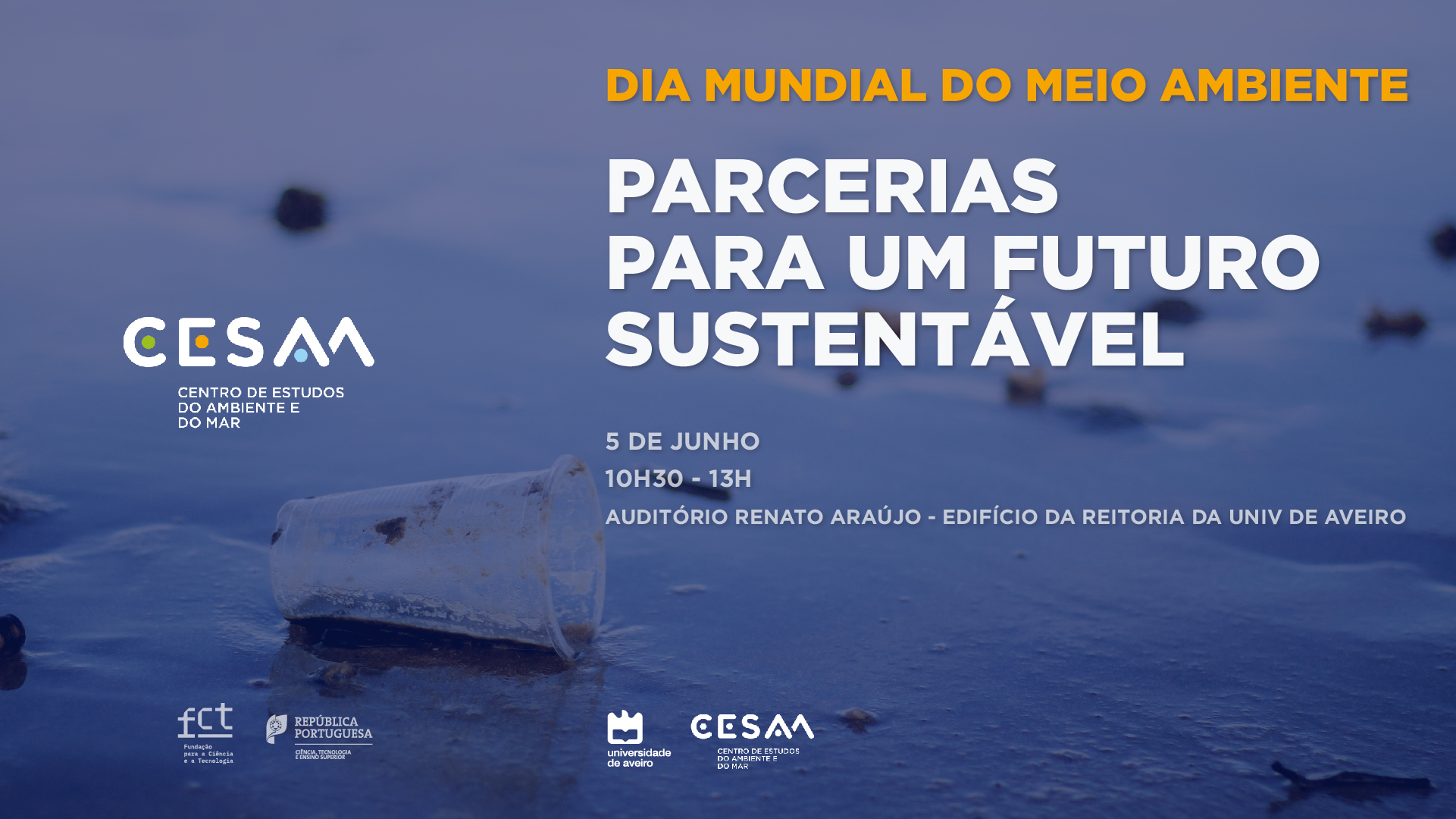
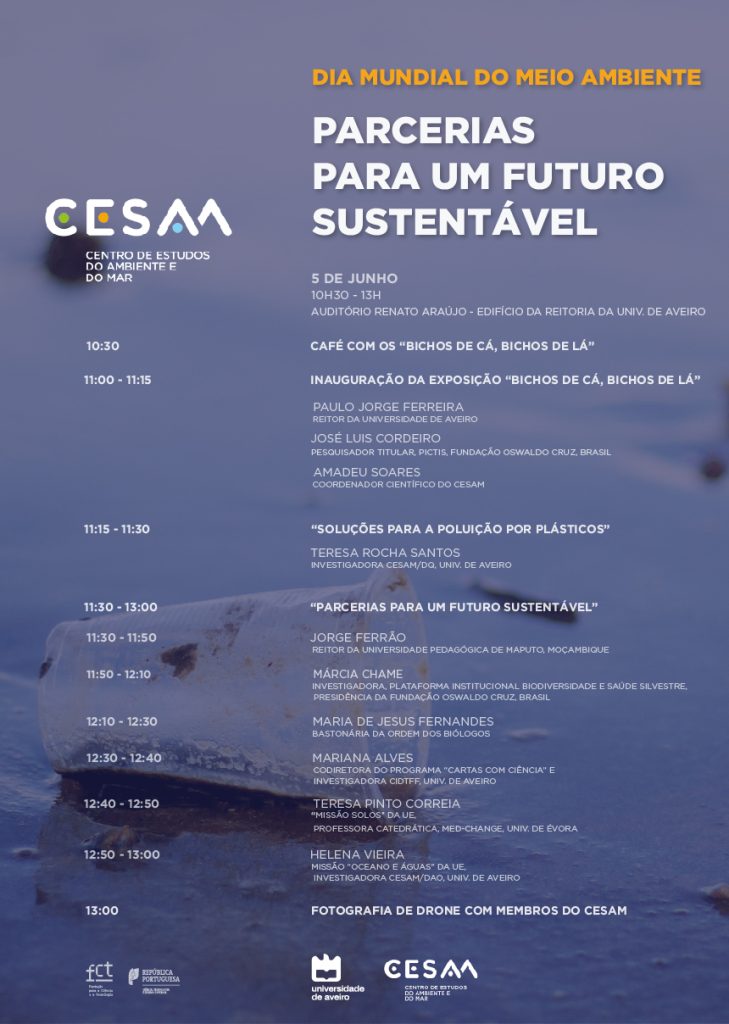
The Center for Environmental and Marine Studies (CESAM) invites you to celebrate World Environment Day with us at the Renato Araújo Auditorium of the University of Aveiro’s Rectorate Building.
Exhibition “Bichos de lá, bichos de cá”
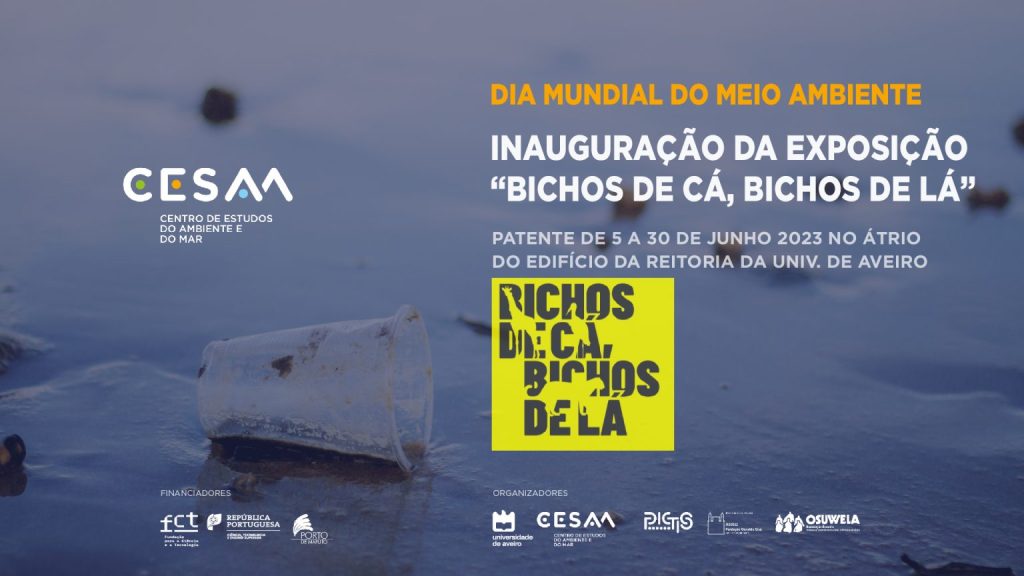
Between 10:30 and 11:00, come to the atrium of the University of Aveiro’s Rectorate Building, have a coffee, and visit the photographic exhibition “Bichos de lá, bichos de cá”.
At 11:00 am, we will officially inaugurate the exhibition in the Renato Araújo Auditorium (next to the atrium), with speeches by Paulo Jorge Ferreira, Rector of the University of Aveiro, José Luis Cordeiro, Researcher, Oswaldo Cruz Foundation (Brazil), and Amadeu Soares, Scientific Coordinator of CESAM.
The exhibition “Local Critters, Foreign Critters” is the result of a partnership between CESAM-UA (Portugal), Oswaldo Cruz Foundation (Fiocruz, Brazil), and Osuwela Association (Mozambique), and will be open to all interested parties until June 30, 2023, in the atrium of the University of Aveiro’s Rectorate Building.
Synopsis
“Across every corner of planet Earth, nature is full of stories of drama and resilience. By analyzing the various ecosystems that cover land and water surfaces, we can observe differences, but also many similarities in how they function and tell their stories. In the stage that is this planet, there are millions of actors, many of whom we do not know. But we can identify certain roles that, being common to all ecosystems, help us decipher the secrets hidden in the Biodiversity scenery.
The exhibition ‘Bichos de lá, bichos de cá’ consists of a presentation of 7 modules with 41 panels, addressing concepts, behaviors, and conservation aspects with examples of fauna species from Portugal, Brazil, and Mozambique. This way, visitors can see how nature unites these three countries and speaks a single language in how different species perform similar functions, wherever we are.”
Partnerships for a Sustainable Future
During the week of May 29 to June 2, 2023, under the auspices of UNEP, the final negotiation of an international binding agreement to combat plastic pollution will take place in Paris. This negotiation is the result of over a year’s work by the International Negotiation Committee (INC), established in February 2022.
As UNEP states, “the rapid growth of plastic pollution levels poses a serious global threat, negatively impacting the environmental, social, and economic dimensions of sustainable development. If the current course continues, the amount of plastic waste entering aquatic ecosystems could nearly triple: from between 9 to 14 million tons per year in 2016, to between 27 to 37 million tons per year in 2040.”
In this context, our commemorative session, under the theme “Partnerships for a Sustainable Future,” also includes a lecture directly related to the issue of plastic pollution, and presents a group of guests who will speak about strategic partnerships, current and future opportunities, and mechanisms to establish and/or reinforce them (e.g. EU missions).
Solutions for Plastic Pollution
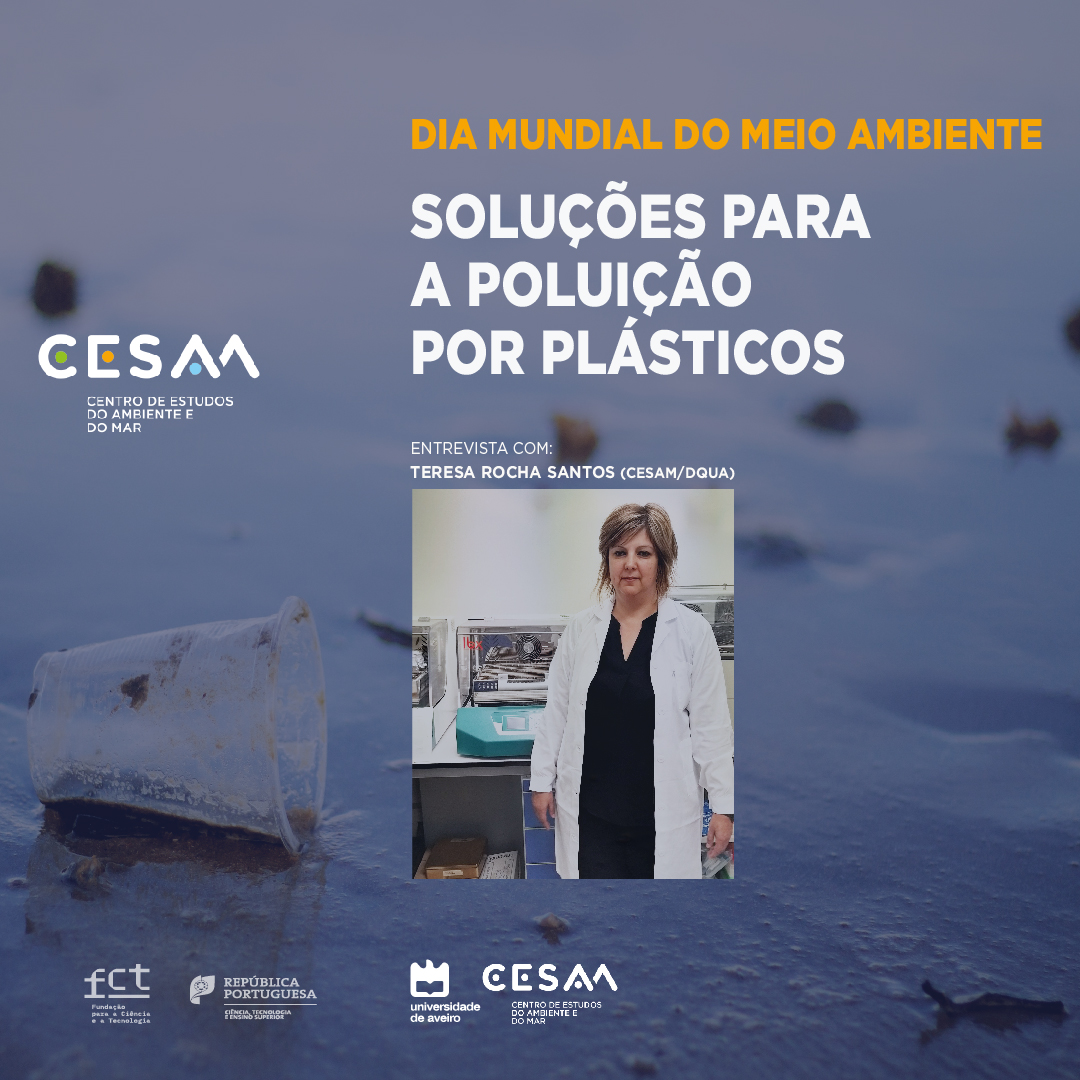
Teresa Rocha Santos, Researcher CESAM/DQ, Univ. of Aveiro
Partnerships for a Sustainable Future
Jorge Ferrão, Rector of the Pedagogical University of Maputo, Mozambique
Márcia Chame, Researcher, Biodiversity and Wildlife Health Institutional Platform, Oswaldo Cruz Foundation, Brazil
Maria de Jesus Fernandes, President of the Order of Biologists
Mariana Alves, Co-director of the program “Letters with Science” and CIDTFF researcher, Univ. of Aveiro
Teresa Pinto Correia, EU “Soil Missions,” Professor, MED-CHANGE, Univ. of Évora
Helena Vieira, EU “Ocean and Waters Missions,” CESAM/DAO researcher, Univ. of Aveiro
To learn more about the global platform associated with this day (where we are registered), you can access it here.
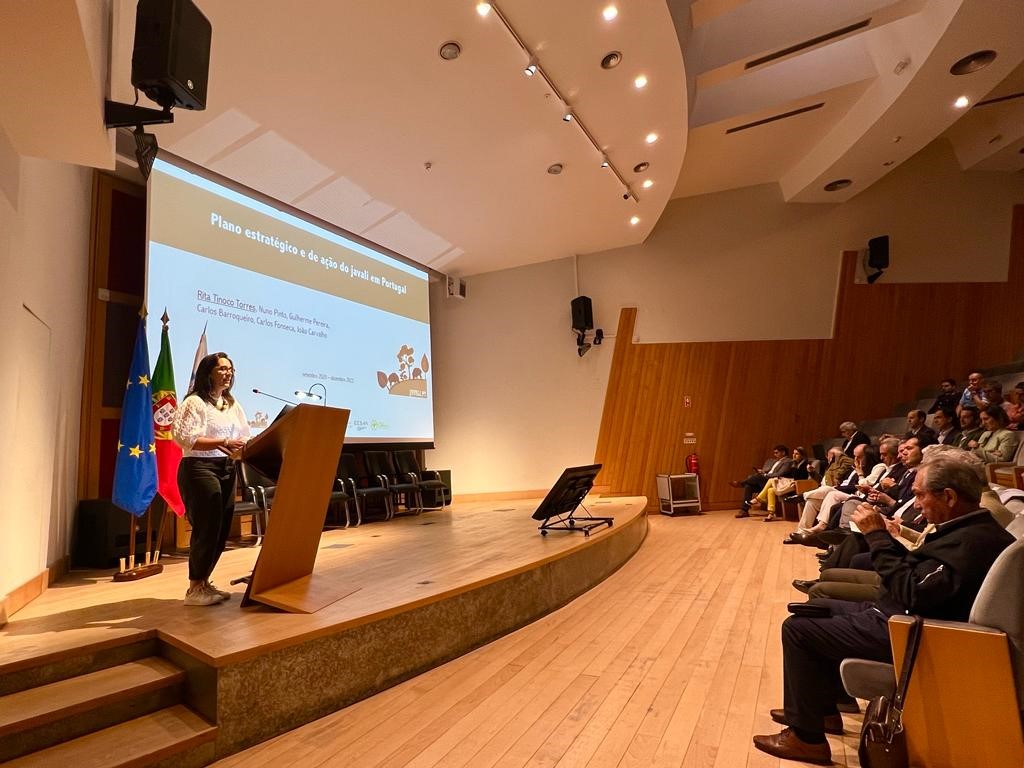
On March 30th, the public presentation of the “Strategic and Action Plan for Wild Boar in Portugal” took place at the headquarters of the Alentejo Regional Coordination and Development Commission (CCDR-Alentejo). The plan was promoted by the Institute for Nature Conservation and Forests (ICNF) and funded by the Permanent Forest Fund.
The presentation of this plan was given by the project’s Responsible Researcher, Rita Tinoco Torres (CESAM/DBIO), in a session attended by researcher João Carvalho (CESAM/DBIO), ICNF Executive Board President Nuno Banza, Secretary of State for Agriculture Gonçalo Rodrigues, and Secretary of State for Nature Conservation and Forests João Paulo Catarino.
This Plan, along with the data presented in it, as well as the evidence of the growing impact of wild boar on human activities, lead the researcher to state that: “the continental national territory has a generally overabundant population of wild boar, and this overabundance may be particularly relevant in certain landscape and socioeconomic contexts.”
As a way to reverse the trend of growing wild boar populations and aiming to reconcile their presence with the surrounding ecological, sanitary, and socioeconomic context, a combination of different approaches is suggested. These range from limiting the temporal period of feeding to increasing the annual extraction rate, extracting specific age classes and sexes, and applying greater effort during the first quarter of the hunting season (hunting drives).
The development of the Strategic and Action Plan for Wild Boar in Portugal was based on collaboration among various groups, from academia and government agencies to hunting sectors and local communities. According to Rita Tinoco Torres, “this collaboration should be the necessary paradigm to address the emerging challenges involving this species.”
Text by: Rita Tinoco Torres (CESAM/DBIO) in collaboration with CESAM
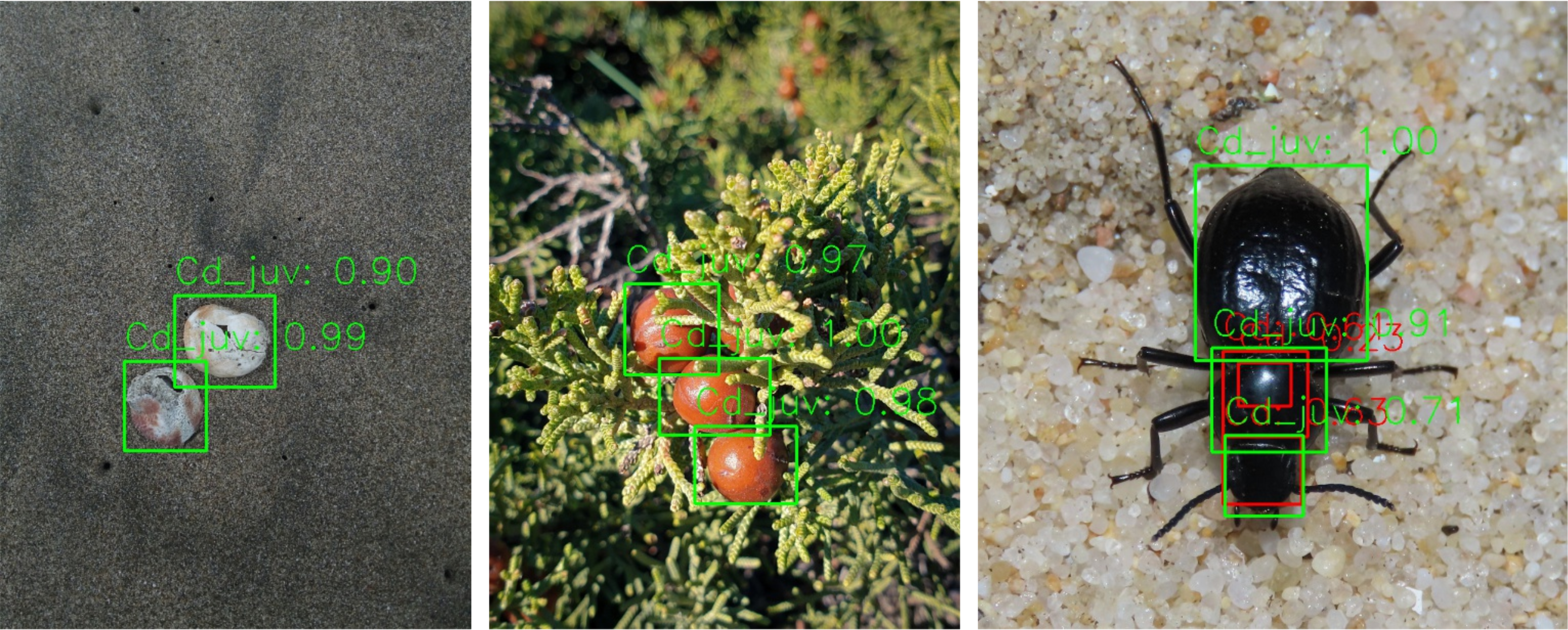
Heliana Teixeira (CESAM/DBIO) is one of the proponents of a COST Action, which has been approved with the highest rating in all its components. The action is titled “Insect AI – Using Image-based AI for Insect Monitoring & Conservation.” The aim of this COST Action is to strengthen capacities and collaborative networks for the development of image-based AI technologies and computer vision tools, advancing research in the field of nature monitoring and conservation, particularly focusing on insects.
Worldwide insect populations are facing a significant decline, and this COST Action aims to address one of the critical challenges identified in the EU Biodiversity Strategy for 2030, which is the standardized collection of information about the state of nature.
The researcher’s participation in this COST Action stems from her collaboration with the proposal coordinator, Tom August, from the UK Centre for Ecology and Hydrology, United Kingdom. This collaboration began in the recently concluded COST Action AlienCSI, which focused on using citizen science to enhance knowledge about exotic species, particularly invasive ones.
For more information about COST actions, visit here.
More information about the image: Artificial Intelligence (AI) technologies such as Computer Vision applied to nature conservation: the process of training an image object detection model (fictitious example).
World Environment Day is celebrated on June 5th. The year 2023 marks the 50th anniversary of the United Nations Environment Programme (UNEP), the organization responsible for the annual celebration of World Environment Day. Over the years, the observance of this day has brought together organizations from civil society, academia, industry, and political power, becoming one of the largest global platforms for environmental awareness.
In 2023, the focus of this day is on the theme of plastic pollution, under the slogan “Combat Plastic Pollution.” The United Nations Environment Programme, on its website, states that “the rapid growth in plastic pollution levels poses a serious global threat, negatively impacting the environmental, social, and economic dimensions of sustainable development. If the current trend continues, the amount of plastic waste entering aquatic ecosystems could almost triple by 2040.”
As part of the celebration of this day, we spoke with Teresa Rocha Santos (CESAM/DQUA), whose work is related to the theme of plastic pollution.
CESAM Communication: “If you had to highlight just one, what would be the risk of plastic pollution that you would emphasize?”
Teresa Rocha Santos: The main issue with plastic pollution is its potential effects on ecosystems and human health. When we think about plastics (larger than 5 mm), these effects are obvious, and efforts have been made to minimize them as much as possible. Regarding plastics smaller than 5 mm, including microplastics and nanoplastics, the problem is more complex. Tests with very high concentrations have been carried out to predict their effects. However, these very high concentrations are usually not environmentally relevant, meaning they are much higher than the actual concentrations of microplastics and nanoplastics in the environment. This makes it difficult to understand their effects at the concentrations where they actually exist in the environment.
CESAM Communication: “What are the main issues [related to plastics] that your current research aims to address?”
Teresa Rocha Santos: To understand the effects of microplastics and nanoplastics, we need to know their concentrations in the environment. This requires the development of methodologies capable of quantifying and identifying micro and nanoplastics.
Microplastics can carry contaminants, and therefore we study the absorption of chemical compounds such as metals and PAHs in microplastics. We also use fungi like Z. maritimum to remove microplastics, which can be applied as tertiary treatment in treatment plants or in new treatment stations.
CESAM Communication: What kind of action or behavior would you recommend to an ordinary citizen to help in this ‘fight’ against plastic pollution?
Teresa Rocha Santos: The principles of the 3 Rs – reduce, recycle, and reuse – remain extremely important to prevent more plastics from entering the environment. It’s also important to avoid single-use plastics, dispose of plastics properly in recycling or waste bins, and when possible, choose biobased plastics that are biodegradable.
World Environment Day is celebrated on June 5th. The year 2023 marks the 50th anniversary of the United Nations Environment Programme (UNEP), the organization responsible for the annual celebration of World Environment Day. Over the years, the observance of this day has brought together organizations from civil society, academia, industry, and political power, becoming one of the largest global platforms for environmental awareness.
In 2023, the focus of this day is on the theme of plastic pollution, under the slogan “Combat Plastic Pollution.” The United Nations Environment Programme, on its website, states that “the rapid growth in plastic pollution levels poses a serious global threat, negatively impacting the environmental, social, and economic dimensions of sustainable development. If the current trend continues, the amount of plastic waste entering aquatic ecosystems could almost triple by 2040.”
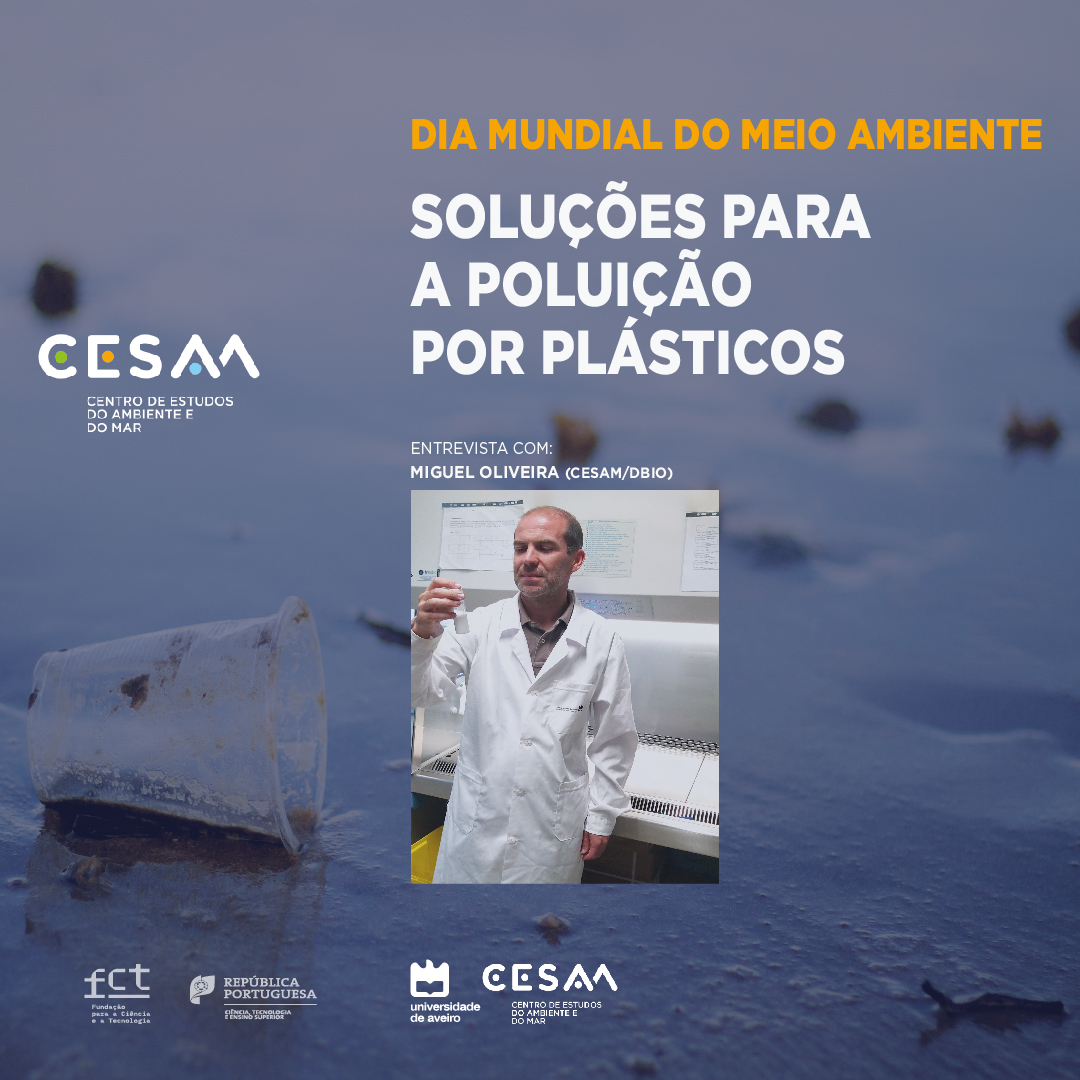
As part of the celebration of this day, we spoke with Miguel Oliveira (CESAM/DBIO), whose work is related to the theme of plastic pollution.
CESAM Communication: “If you had to highlight just one, what would be the risk of plastic pollution that you would emphasize?”
Miguel Oliveira: I would say that the main risk lies in the long-term effects and the issue of additives. Plastics have different constituents, but it’s these chemical substances, the additives, that allow them to have their characteristic color, plasticity, or thermal resistance, for example.
What often happens is that, with the aging of plastics under certain conditions, these chemical products start to be released. It’s known that these chemicals are hazardous to aquatic organisms and humans. A well-known example is bisphenol A, which has been removed from products for children. In the environment, one of the main risks is the ability of particles to adsorb contaminants. Microplastics can adsorb contaminants on their surface or inside them, such as pharmaceuticals, and when ingested by organisms, they can release these active substances, resembling a “Trojan horse” effect.
But it’s important to clarify that presence doesn’t necessarily indicate effect. We need to take precautions, for sure, and we have already detected some effects of plastics on organisms in our studies – such as immune system alterations and changes in reproduction – but only at very high concentrations. More studies are needed, and it’s crucial to understand the long-term effects of the presence and ingestion of these plastics by organisms.
CESAM Communication: “What are the main issues [related to plastics] that your current research aims to address?”
Miguel Oliveira: We have different lines of research in our laboratory, but in one of these lines, we are testing alternative polymers – biopolymers. The idea is that biopolymers are safer (…) replacing petroleum-derived polymers like polyethylene with others of natural origin that are synthesized from algae or bacteria. We’re testing possible new polymers in collaboration with other research groups, aiming for polymers that pose less danger to aquatic organisms and humans and degrade more easily. This is with the goal of making changes to reduce the release of these substances into the environment.
Besides research, another area we focus on is science communication. We’re also conducting studies in collaboration with experts in social psychology to analyze public perceptions of plastics – whether they consider them harmless, if they see differences between types of plastics, and so on. This will help us develop tools for more effective communication with the public.
CESAM Communication: What kind of action or behavior would you recommend to an ordinary citizen to help in this ‘fight’ against plastic pollution?
Miguel Oliveira: I would suggest conscious use of plastics and plastic reuse. Because if we all consider the fate and end of life of plastics, that will help a lot. We can’t ignore that plastics are very useful and can be beneficial. For example, in biomedicine, plastic materials are much cheaper, effective, and easily sterilizable.
The point is to limit the use of single-use plastics. How can consumers do that? For instance, choose products that require less plastic – use cloth bags instead of plastic, buy cosmetics without these types of polymers, or buy products in bulk. These are small actions but can help limit the presence of these substances in the environment.
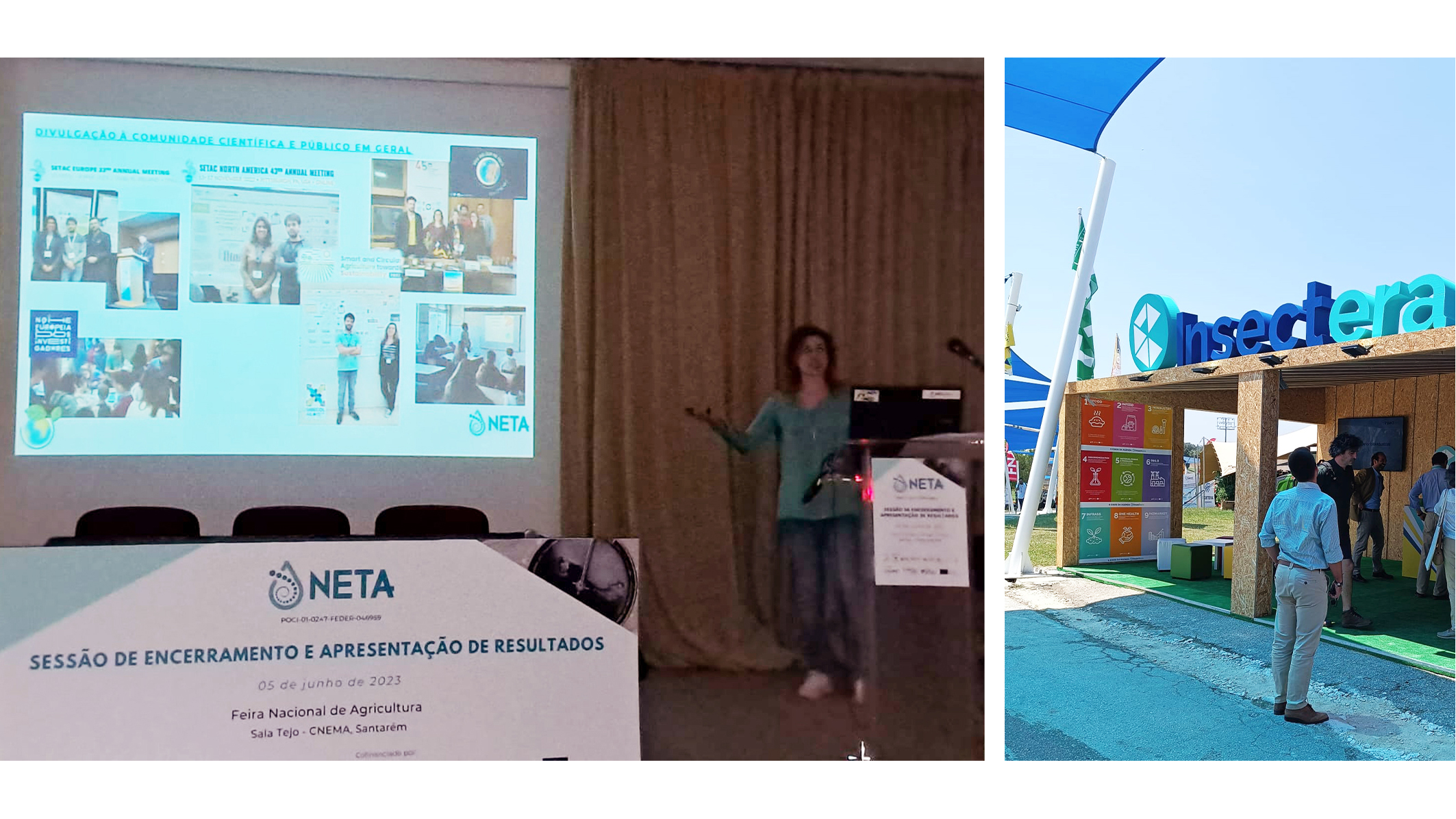
On June 5th, during the 2023 National Agriculture Fair (Santarém), the closing and results presentation session of the NETA project (New Strategies in Wastewater Treatment) took place. The event featured the participation of researchers Rita Silva (CESAM/DBIO) and Diogo Cardoso (CESAM/DBIO).
The project was led by the company Ingredient Odyssey S.A., in partnership with the University of Aveiro (through CESAM), Agrotejo, the National Institute for Agrarian and Veterinary Research, the Polytechnic Institute of Beja, the Superior Technical Institute, and the Lusófona University. It was supported by ANI (National Innovation Agency) through co-promotion projects and co-financed by COMPETE2020, Lisboa2020, PORTUGAL2020, through the European Regional Development Fund (ERDF).
The NETA project brought together these seven institutions with a common goal: transforming an environmental threat, wastewater and effluents, into a source of nutrients and water resources that can be used for irrigation, fertilizers, and even new bioindustrial solutions. The aim was to turn national scientific knowledge into both business and environmental added value.
Throughout the project, the Chemical Precipitation Technique was applied in wastewater treatment, reusing the treated water for agricultural purposes in processes ranging from irrigation to aquaponics. The sludge generated in this process was treated by insects, particularly black soldier fly larvae (Hermetia illucens), transforming them into stable, odorless fertilizers ready for use in agricultural fields.
These insect larvae were also used in a biorefinery process, such as oil extraction for biofuels, cosmetics, and other chemical uses, and chitin was used to transform into chitosan, subsequently used in the creation of biodegradable bioplastics.
In a multidisciplinary framework, CESAM researchers, under the coordination of Susana Loureiro (CESAM/DBIO), were responsible for the ecotoxicological characterization of waters treated by the chemical precipitation technique (CPT), using different freshwater species such as the microalga Raphidocelis subcapitata, the microcrustacean Daphnia magna, and the zebrafish Danio rerio. They were also responsible for assessing the quality and health of soils after the application of residual sludge, analyzing the effects on the survival and reproduction of model species in ecotoxicology: the springtail Folsomia candida, the oligochaete Enchytraeus crypticus, and the dicotyledonous plant Brassica oleracea.
For more information about the NETA project, you can refer to this link.
On June 5th, 2023, World Environment Day was celebrated, in a year that also marks the 50th anniversary of the United Nations Environment Programme (UNEP), the organization responsible for the annual celebration of this date. The establishment of this organization in 1973 came a year after the first global conference on the environment, the ‘United Nations Conference on the Human Environment’. Bringing together 122 countries, this conference marked the first time that the environment became a truly global issue.
Over the years, the celebration of this date has brought together civil society organizations, academia, industry, and political power, becoming one of the largest global platforms for environmental awareness. In 2023, the celebration of this day focused on the theme of plastic pollution, under the slogan “Combat Plastic Pollution,” with the host countries being the Republic of Côte d’Ivoire and the Netherlands.
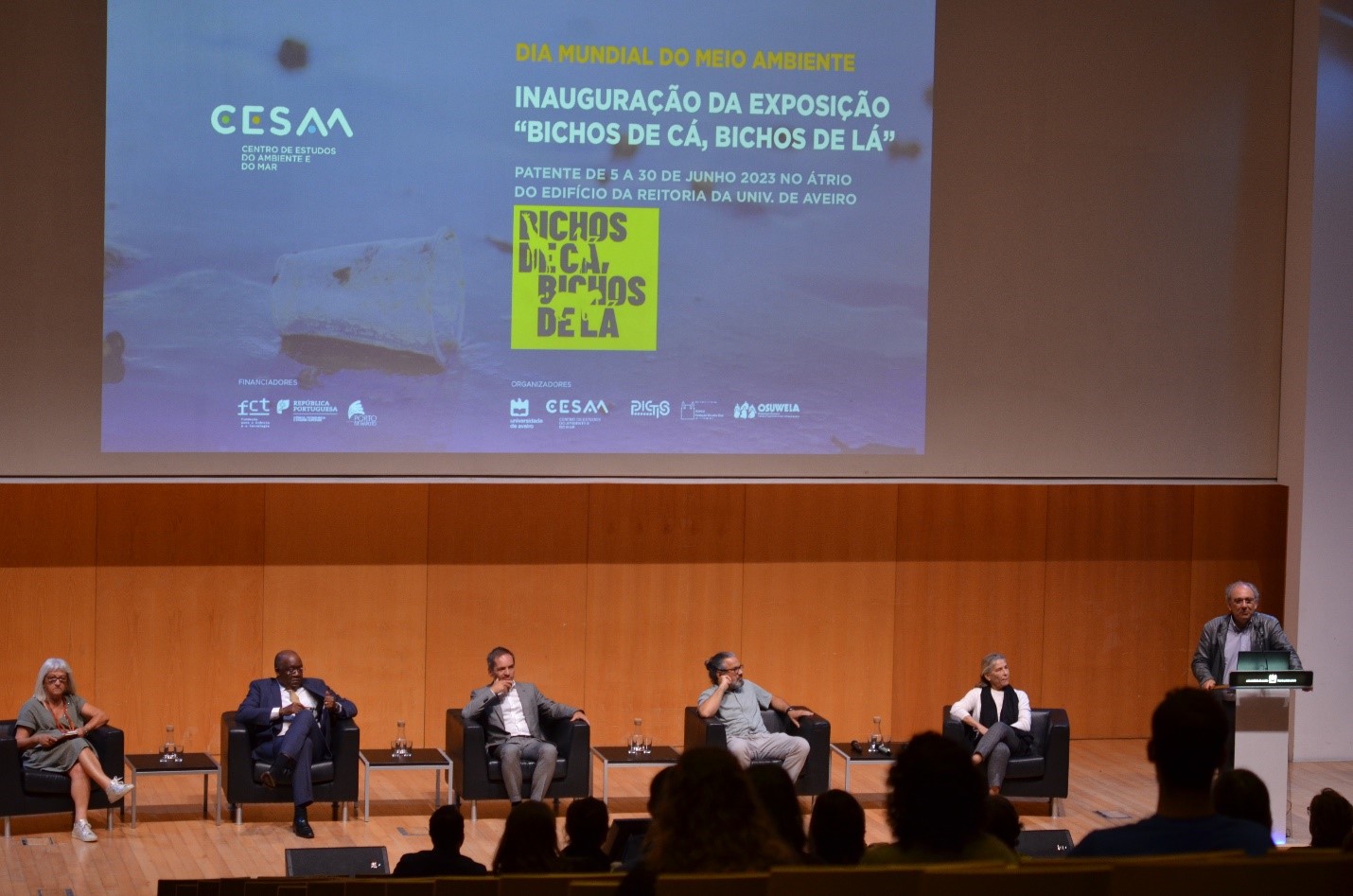
The Center for Environmental and Marine Studies (CESAM) at the University of Aveiro (UA) participated in this celebration with a public event that included the opening of a photographic exhibition and a series of speakers who addressed the building of partnerships for a sustainable future. This event took place between 10:30 and 13:00 at the University of Aveiro’s Rectorate Building.
At 11:00, the photographic exhibition “Bichos de cá, Bichos de lá” (“Critters from Here, Critters from There”) was inaugurated, with interventions from Paulo Jorge Ferreira, Rector of the University of Aveiro, José Luis Cordeiro, Researcher at the Oswaldo Cruz Foundation (Brazil), and Amadeu Soares, Scientific Coordinator of CESAM.
The photographic exhibition “Bichos de cá, Bichos de lá” is the result of a partnership between CESAM-UA (Portugal), Oswaldo Cruz Foundation (Fiocruz, Brazil), and Osuwela Association (Mozambique), and is available for all interested parties until June 30th, 2023, in the atrium of the University of Aveiro’s Rectorate Building.
This exhibition consists of a presentation with 41 panels that address concepts, behaviors, and conservation aspects with examples of fauna species from Portugal, Brazil, and Mozambique. Visitors can observe how nature unites these three countries and speaks a common language through similarities in the functions performed by different species in these countries.
Partnerships for a Sustainable Future
As the UNEP states, “The rapid growth of plastic pollution levels represents a serious global threat, negatively impacting the environmental, social, and economic dimensions of sustainable development. If the current trend continues, the amount of plastic waste entering aquatic ecosystems could nearly triple: from 9 to 14 million tons per year in 2016 to between 27 to 37 million tons per year in 2040.”
In this context, the commemorative session, under the theme “Partnerships for a Sustainable Future,” also included a lecture directly related to the issue of plastic pollution and presented a set of guests who discussed possible strategic partnerships, current and future opportunities, as well as mechanisms to establish and/or strengthen them (e.g., European Union missions).
Speakers included Jorge Ferrão, Rector of the Pedagogical University of Maputo, Mozambique; Maria de Jesus Fernandes, President of the Order of Biologists; Márcia Chame, Researcher, Biodiversity and Wild Health Institutional Platform, Presidency of the Oswaldo Cruz Foundation, Brazil; Teresa Rocha Santos, Researcher, CESAM/DQ, University of Aveiro; Teresa Pinto Correia, “Soil Missions” of the EU, Full Professor, MED-CHANGE, University of Évora; Helena Vieira, “Ocean and Water Missions” of the EU, researcher CESAM/DAO, University of Aveiro; Mariana Alves, Co-director of the program “Letters with Science” and researcher CIDTFF, University of Aveiro.
For more information about the event program, you can consult here, and you can find some of its most significant moments (recorded on social media) here: Twitter 1 / Twitter 2 / Twitter 3.
You can also read an interview with two CESAM researchers whose work is related to the theme of plastic pollution here.
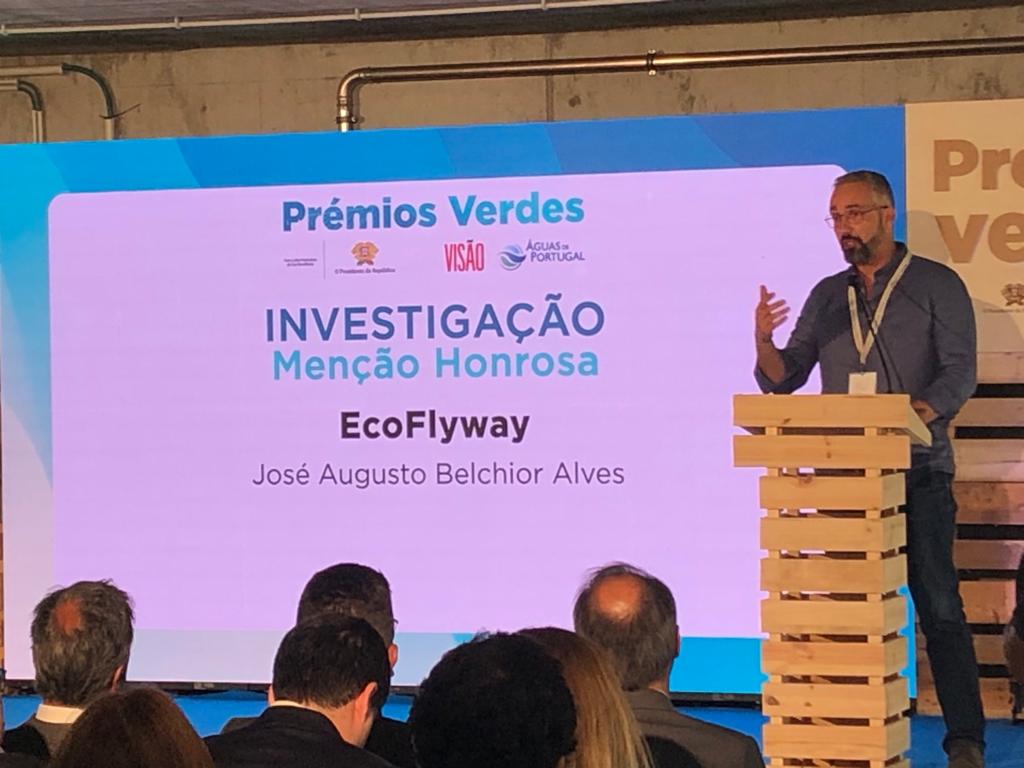
The awards ceremony for the 2023 VISÃO+ADP Green Awards took place on June 5th at the Águas de Alcântara Water Factory in Lisbon. José Alves, a researcher from the Center for Environmental and Marine Studies (CESAM) and the Department of Biology at the University of Aveiro, received an honorable mention in the Research category. The first place in this category was awarded to researcher Miguel Araújo from CSIC at the Museo Nacional de Ciencias Naturales (Madrid) and Full Professor at the University of Évora, who also received the Pessoa Prize in 2018.
The ceremony was attended by the Secretary of State for the Environment, Hugo Pires, and Professor Tiago Domingos (FCUL), who addressed the theme of reconciling climate commitments with economic growth in his speech.
These awards are an initiative of VISÃO, in partnership with the Águas de Portugal Group, and under the high patronage of the President of the Portuguese Republic. They aim to recognize, promote, and reward good practices and examples of excellence that stand out for their contribution to the environment and sustainable development in the context of the current climate emergency.
The winners were selected by an independent jury, chaired by Filipe Duarte Santos, the current president of the National Council for the Environment and Sustainable Development (CNADS). In the evaluation process of the candidates, criteria such as the quality and originality of the project, its impact on society, and its potential for replication were assessed.
The work of José Alves, representing the EcoFlyway team, was awarded one of the 15 honorable mentions and 8 prizes awarded in 10 categories out of over 170 applications received. With articles published in some of the most reputable scientific journals, José Alves has particularly stood out in studies on migratory birds, focusing on the threats they face due to the effects of climate change and habitat destruction.
For more information about these awards and the application process, you can refer to this link.