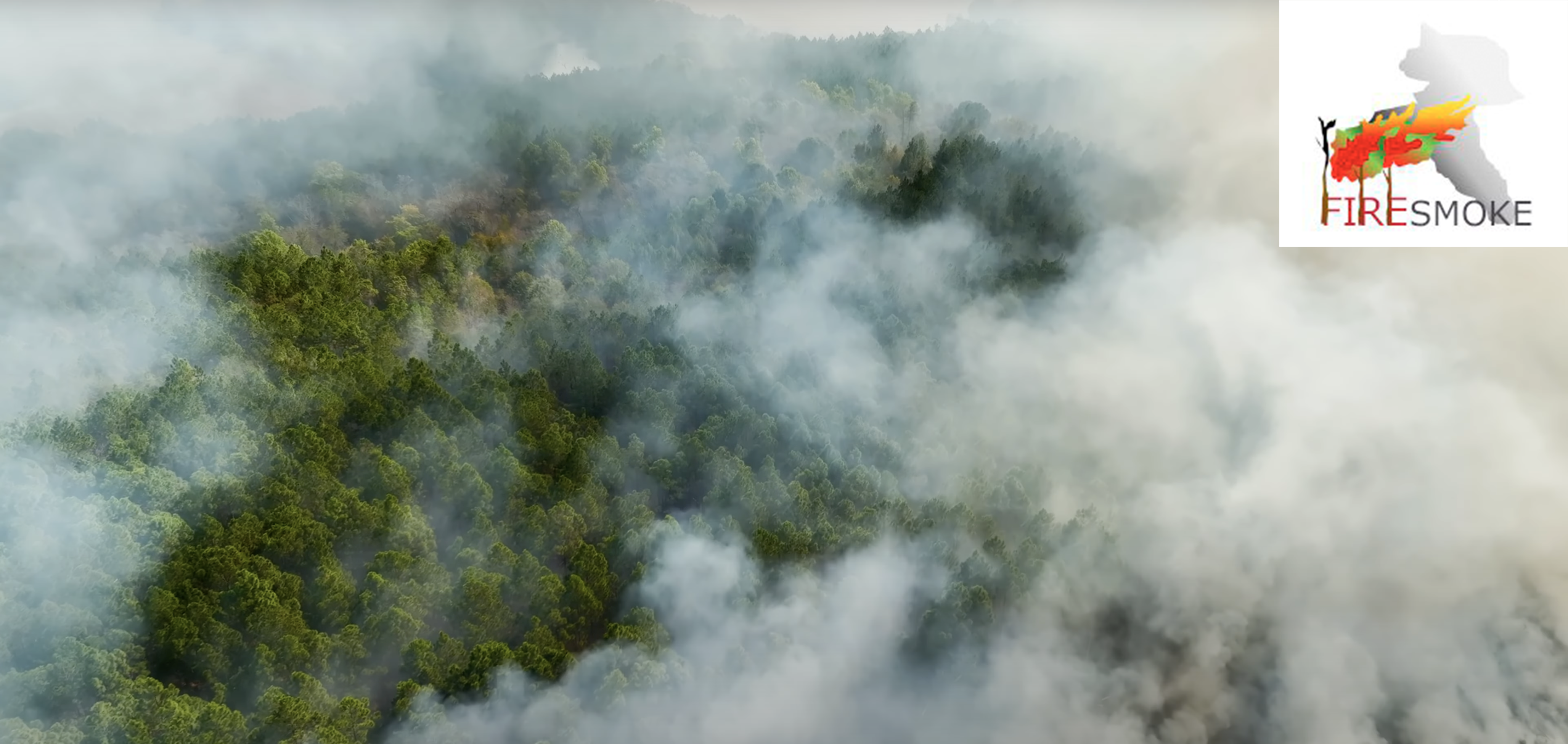
Recently, Portugal was hit by an extreme meteorological event leading to large fires. In addition to fire, one of the harmful effects of large fires is the deterioration of air quality, due to the immense smoke that is produced, with serious consequences for public health. Therefore, predicting the behavior of smoke resulting from forest fires is essential for implementing timely measures that lead to minimizing its effects on populations.

An innovative project, by researchers from CESAM and the Department of Environment and Planning of the University of Aveiro, called FIRESMOKE – Forest fire smoke behavior modeling system, is developing a prognosis system, based on a state prediction model weather and air quality, which also simulates the spread of fire, from the ground to the treetops, and assesses the risks to public health.

As a result of the project, a system for predicting smoke behavior and its impacts will be make available on the web. The availability of the forecast system is essential for the dissemination of the scientific knowledge produced, being an information tool for territorial managers and populations.

From a perspective of transferring knowledge to society, the results of project are available on the FIRESMOKE website, where you will also find explanatory documents on the use of the developed model and the methodologies used to create it. In this way, the results of the modeling system will be made available through a visualization tool, which will allow access to information on the progression of the fire, the concentrations of pollutants associated with it, as well as warnings of potential fire ignition.

The model created within the scope of the FIRESMOKE project is a fundamental tool to support the national strategy for preventing the risk of smoke in forest fires.
A group of researchers from Universidade de Aveiro (UAveiro) has developed a system that manages information for autonomous and connected vehicles (CAVs). The system developed analyzes traffic conditions in real time based on a wide range of data, allowing critical vulnerability situations to be identified and the driving behavior of CAVs to be optimized. UAveiro has applied for international registration of the patent.

The technology developed promises to bring significant benefits in a number of areas, most notably improving air quality by reducing pollutant emissions. Optimizing traffic flows is also a crucial point, as it will allow for more efficient and less congested movement in cities, as well as helping to reduce noise pollution, resulting in quieter and more liveable urban environments. Road safety is another important factor that could be impacted by this technology. With the growing presence of autonomous and connected vehicles on the roads, human intervention in driving tends to decrease, which can significantly reduce inappropriate behavior behind the wheel, one of the main causes of accidents. The system developed aims to mitigate these risks by promoting a more sustainable and safer road flow, helping to reduce road accidents.

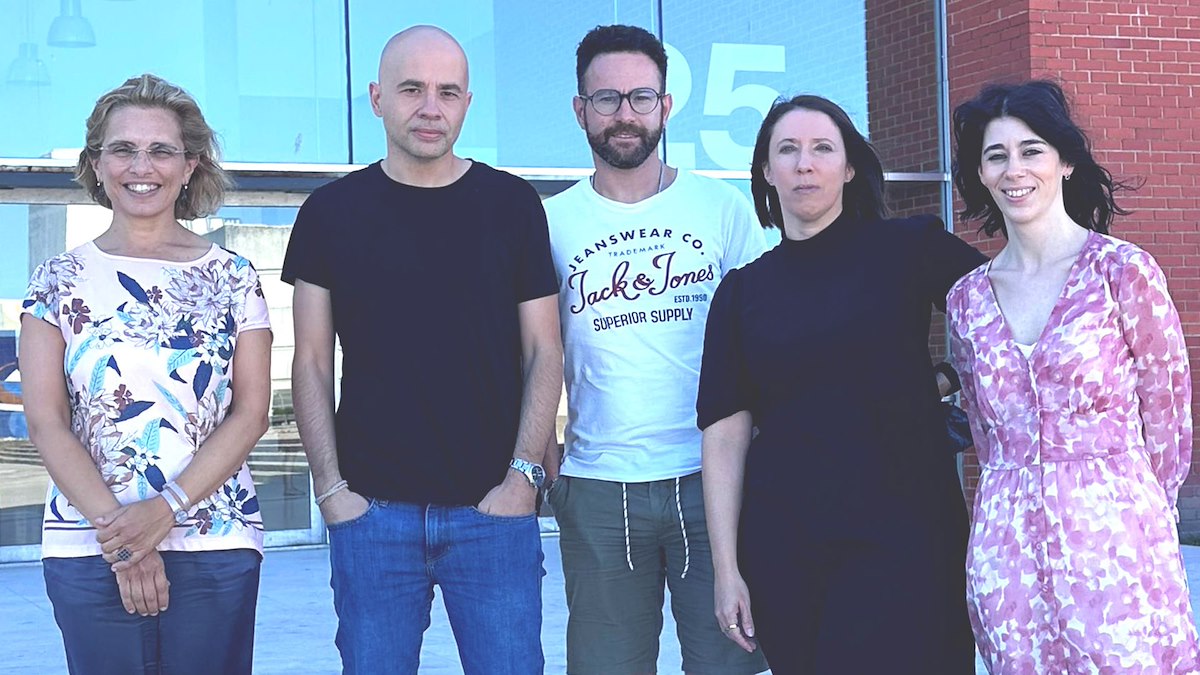
This multidisciplinary research group, with members from the Centre for Mechanical Technology and Automation (TEMA) and the Centre for Environmental and Marine Studies (CESAM), is made up of Jorge Bandeira, who is in charge of the project, Eloisa Macedo, Paulo Fernandes, Margarida Coelho and Sandra Rafael. The researchers point out that this technology has considerable potential to transform the future of urban mobility. The possibility of creating smarter, more sustainable cities is real and this information management system for CAVs can play a key role in that process.

Given the global potential of this technology to improve road safety and the benefits it can bring to the environmental performance of the automotive network, it has been presented at specific conferences on the subject, national and international companies, and public entities, and has already aroused interest in organizations in the sector.

In order to guarantee the protection of intellectual property rights, this technology has been the subject of a provisional national patent application, and international protection has been advanced via the Patent Cooperation Treaty (PCT), which will allow for extended protection of the technology in different territories in the future.

Text from the news on the UA website, in https://www.ua.pt/en/noticias/9/88093

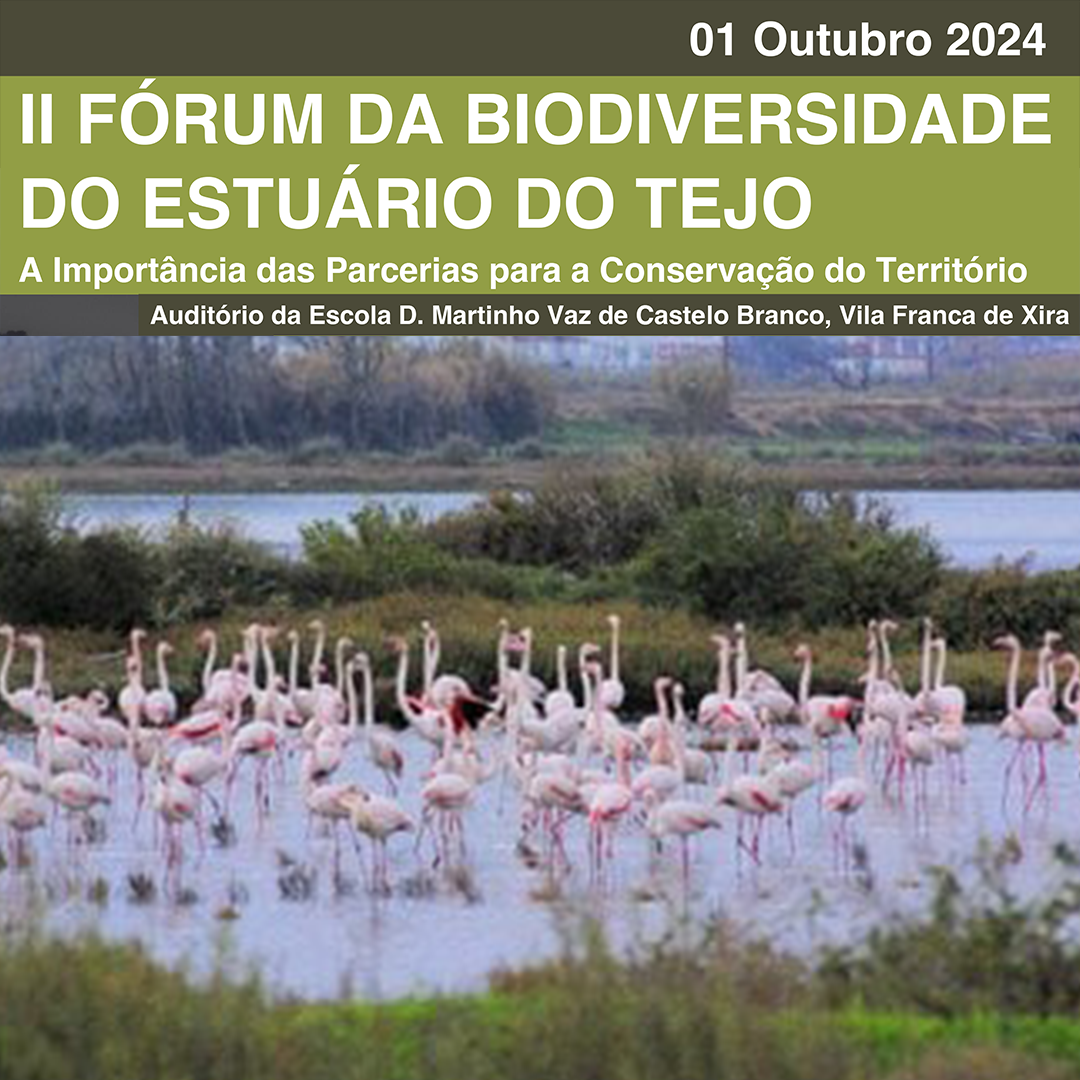
On October 1st, José Alves, Researcher from CESAM, was present at the 2nd edition of the Tagus Estuary Biodiversity Forum at the invitation of ICNF and the Co-management Commission of this protected area.

The Tagus Estuary Natural Reserve Co-Management Commission (RNET) took over the annual organization of this event, after in the first edition CESAM was an organizing partner of the Forum that celebrates Biodiversity on the occasion of the anniversary of the largest wetland in the country.

This year’s edition, under the theme “The importance of partnerships for the conservation of the territory”, was attended by the President of the Vila Franca de Xira City Hall, who presides over the Co-management Committee, the Vice-President of the CCDR of Lisbon and Vale do Tejo (LVT), and the Director of Nature Conservation and Biodiversity of LVT (ICNF).

In his communication entitled “Migratory connectivity: why coordinated strategies and actions are essential for the effective conservation of migratory shorebirds.” José Alves presented the partnerships of the LIFE Godwit Flyway project. He also recalled that 10 years after the publication of the RNET Management Plan in 2008, only three of the 16 actions of the Nature Conservation and Biodiversity objective had been fulfilled, none of which involved intervention in the reserve’s habitats, but only monitoring and institutional agreements. The day after the public consultation period for the RNET Co-management Plan ended, he also pointed out that the number of shorebird populations continues to decline and that if biodiversity conservation continues to be neglected as it has been to date, there will be no fauna to justify the investment in access, signage and visiting routes provided for in this plan that aims to promote visitation to the RNET, as its main attraction, the bird populations, may cease to be so.

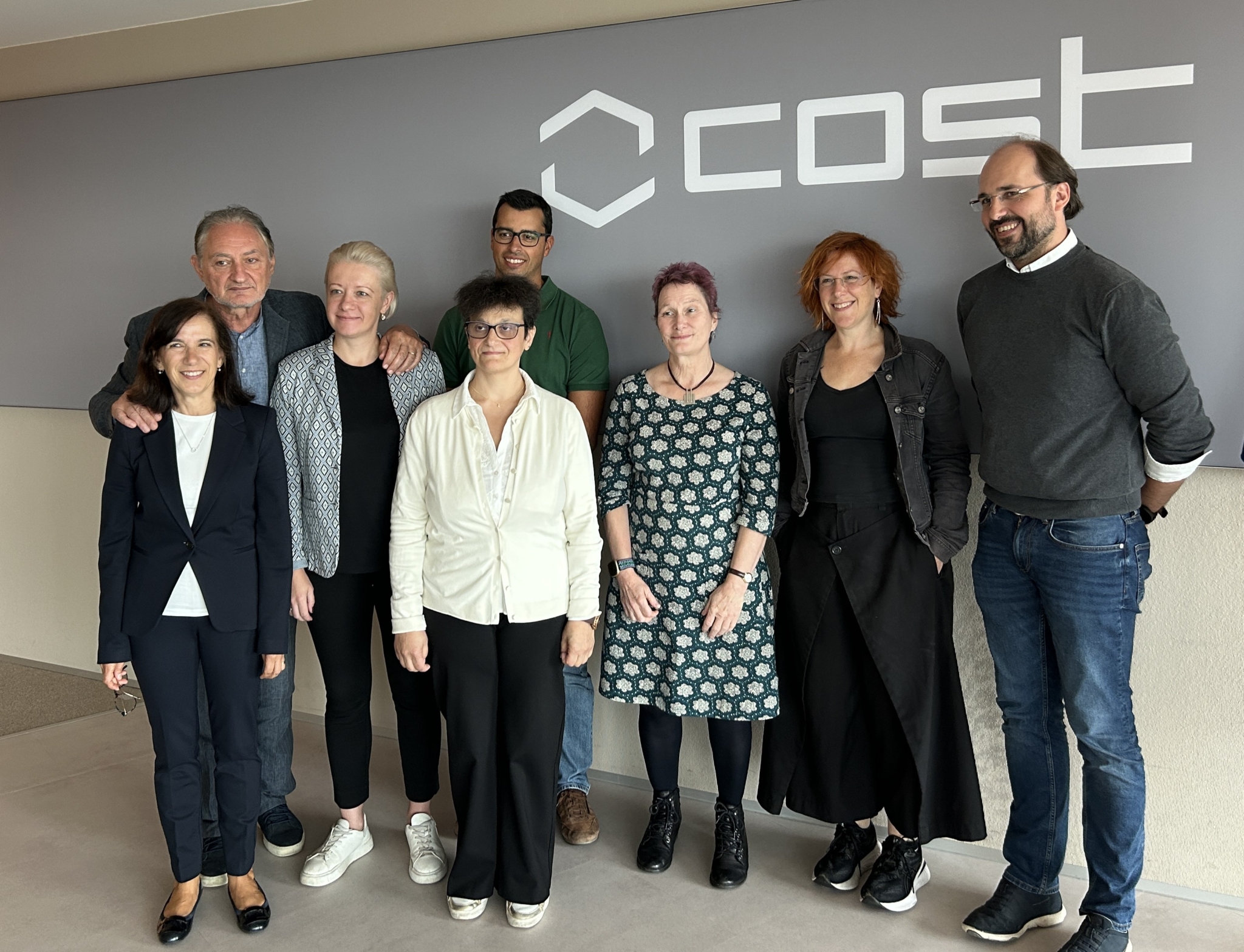
The final exploration meeting “Bridging Lipids and Society”, within the scope of the Cost Action – EpiLipidNet COST, which took place on September 12th, at the COST Association in Brussels, and which brought together scientists and experts from the network and decision-makers from the EU, is featured in the Cost Shares Newsletter.

As President of EpiLipidNet, Maria Rosário Domingues, Associate Professor at DQUA and member of CESAM, opened the session with a comprehensive overview of the 4 years of this Cost initiative, highlighting the 60 meetings and workshops, five major conferences and more than 50 scientific publications produced. She also emphasized the network’s commitment to diversity, where more than 50% of participants are women.

Over the past four years, EpiLipidNet has promoted collaborative research in lipidomics, bringing together more than 450 researchers from 52 countries on six continents. The event, marking exactly one month before the project’s official end date, was a celebration of four years of excellent work in the field of lipid research both in Europe and globally. The aim was to raise awareness about the importance of lipids

As the Coordinator of this Cost Action, Maria Rosário Domingues, refers: “We move forward when we join forces. The spirit of collaboration and friendship has been fundamental to our success.

Find out more here.

CESAM reaffirms its commitment to the policies and challenges of the European Union, particularly in the areas of environmental protection, biodiversity, environmental health, sustainable development and the circular economy, through the activities of its researchers. This commitment is framed within the One Health concept, which recognises the interdependence of human, animal and environmental health.

This commitment is possible thanks to the recognition of CESAM’s research excellence and its active role in connecting science and public policy. CESAM continually invests in highly qualified human resources to reinforce this action.

The BESIDE and PARC projects are concrete examples of this commitment. In these, CESAM takes a central role, as coordinator or partner, in the creation of transdisciplinary research networks, which promote collaboration between different areas of knowledge to find innovative solutions to societal challenges, aligned with the One Health approach. The scientific knowledge generated by these projects contributes to the creation of effective and innovative public policies.

Follow the BESIDE and PARC projects and learn more about CESAM’s contribution to the creation of effective public policies, based on the best scientific knowledge and the One Health concept. These projects’ newsletters can be seen here and here.

Once again, the BlueNIGHTs initiative wanted to mark the European Researchers’ Night by inviting the local population to get to know some of the research and researchers at Universidade de Aveiro (UAveiro), this time in a more compact program, at the Torreira Theatro Assembly, between 3:00pm and 6:00pm next Saturday, September 28th.

This year’s event is being promoted by researchers from the Department of Biology of UAveiro and the Centre for Environmental and Marine Studies, with the support of the Murtosa City Council and the Portuguese Association for Environmental Education (ASPEA).

The program offers a range of activities open to the public (including exhibitions, activities, demonstrations, a visit to the ARANDA research vessel through Virtual Reality, as well as a talk on “The importance of Scientific Literacy for Environmental Education”.

The full program can be seen here. The whole community is invited to come along.

Text from the news on the UA website, in https://www.ua.pt/en/noticias/11/88010

The Elsevier Data Repository has unveiled its latest compilation of the world’s most influential scientists (top 2%), offering a comprehensive view of academic impact across disciplines. This publicly accessible database (DOI: 10.17632/btchxktzyw.7), updated with Scopus data from August 2024 and in collaboration with the University of Stanford, provides a nuanced picture of scholarly influence, measuring both career-long achievements and single-year impacts.

The study’s methodology categorises researchers into 22 broad fields and 174 sub-fields, with percentile rankings for those boasting at least five publications. The selection is based on the top 100 000 scientists by the index c-score (a comprehensive gauge, factoring in the total number of citations received for papers where the scientist is the single, first, or last author, emphasizing the impact of their published work) or a percentile rank of 2% or above in the sub-field. The Centre for Environmental and Marine Studies (CESAM) has emerged as a notable hub of influence, registering 18 scientists among the world’s most impactful in 2024, towards a higher prominence in environmental and marine research.

CESAM’s list of distinguished researchers spans both the single-year and career-long impact categories, and includes the members: Adelaide Almeida, Alisa Rudnitskaya, Amadeu Soares, Ana Silva, Armando Duarte, Artur Alves, Bruno Nunes, Célia Alves, David Carvalho, Frank Verheijen, João Pinto da Costa, Luís Tarelho, Miguel Oliveira, Mónica Amorim, Ricardo Calado, Rosa Freitas, Rosário Domingues and Teresa Rocha-Santos.

As the world grapples with pressing environmental challenges, the work of these researchers takes on added significance, potentially shaping policies and practices far beyond academia. CESAM’s scientific coordinator, Prof. Amadeu Soares, comments that this is one of the many instruments of assessing the positive impact of the research of CESAM members.

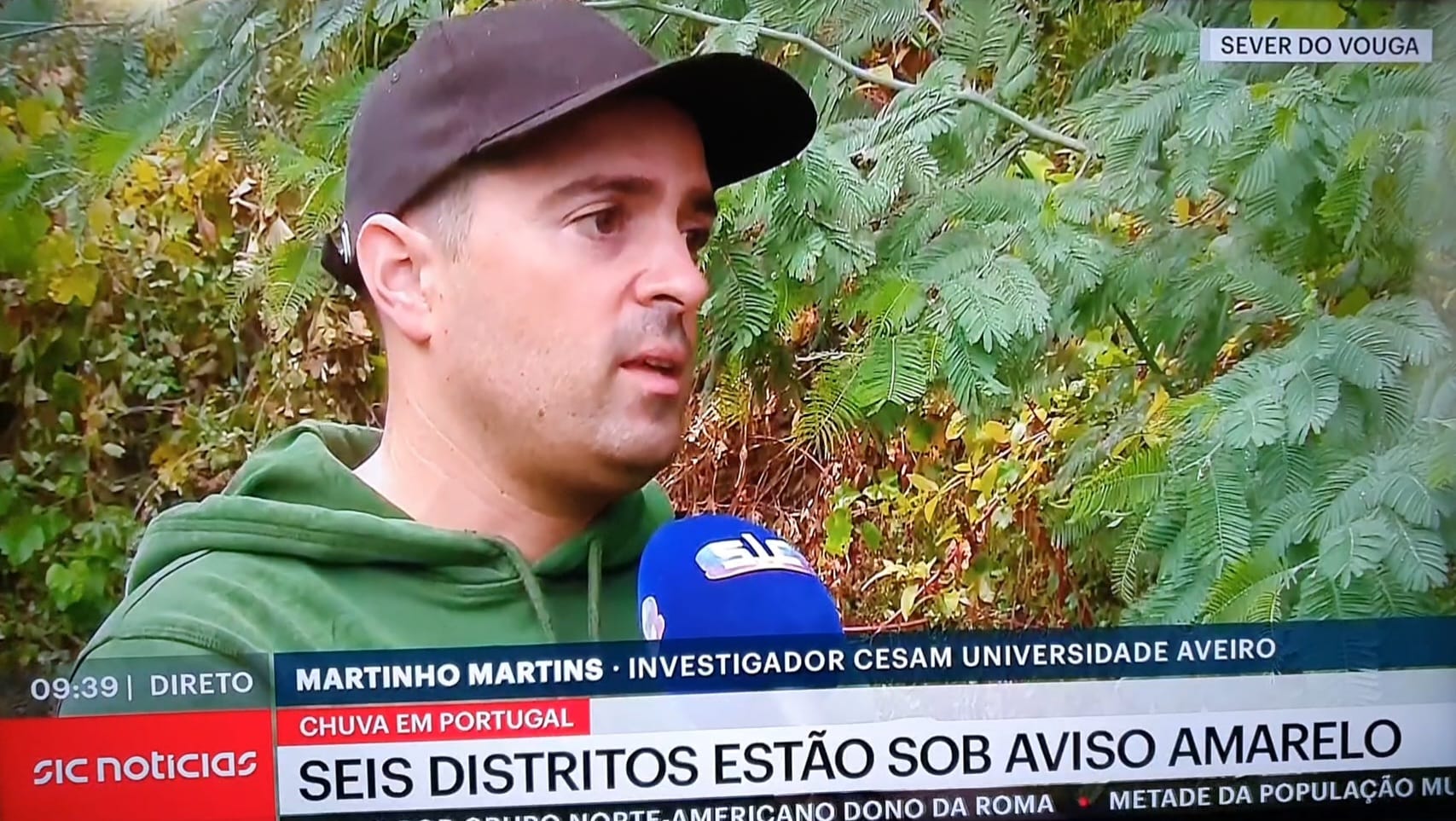
After the big fires last week, the concern is now the risk of landslides and soil movement resulting from the heavy rainfall these days, in the recently burned areas. Martinho Martins, researcher at CESAM/DAO, was on the SIC television channel where he had the opportunity to talk about the risks associated with the first rains after rural fires and the importance of implementing soil stabilization strategies in burned areas, immediately after the fires.

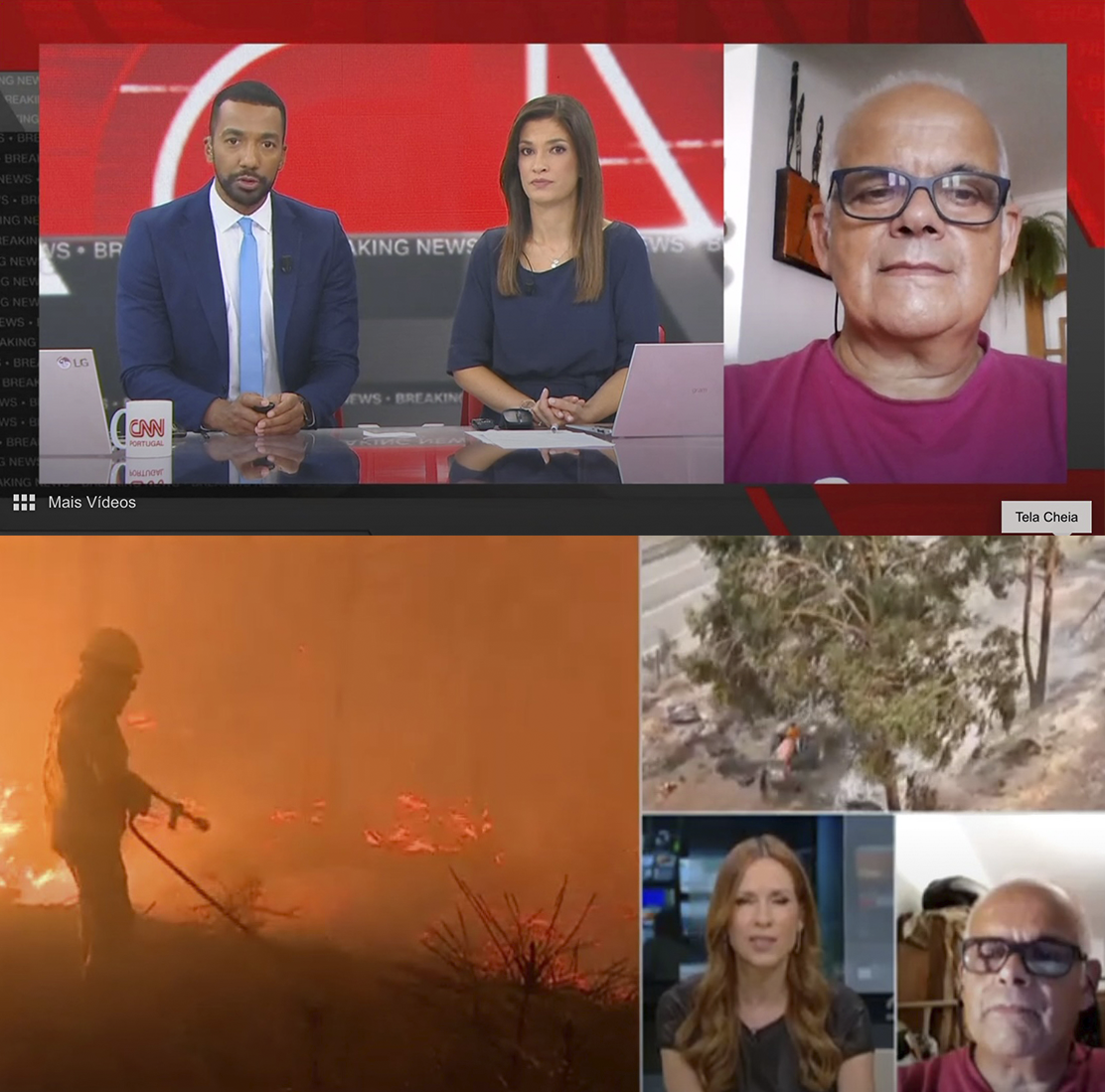
Alfredo Rocha, Associate Professor of the Department of Physics (DFis) at the University of Aveiro (UA) and member of the Center for Environmental and Marine Studies (CESAM), was a guest on two television channels, SIC Notícias and CNN Portugal, regarding the meteorological conditions in recent days, which contributed to the occurrence of large fires.

He told CNN Portugal that the country is experiencing “exceptional conditions of high temperatures, very low relative humidity and moderate wind”, factors that increase the occurrence of fires. The professor and researcher at CESAM and DFIS at UA goes further and warns that the frequency and duration of these heat waves will increase significantly in the coming years. See here.

Specialized in Climatology and Meteorology, Alfredo Rocha highlights the idea, at SIC Notícias, that these extreme phenomena will be increasingly frequent in the coming years, and to which we will have to adapt. See here.

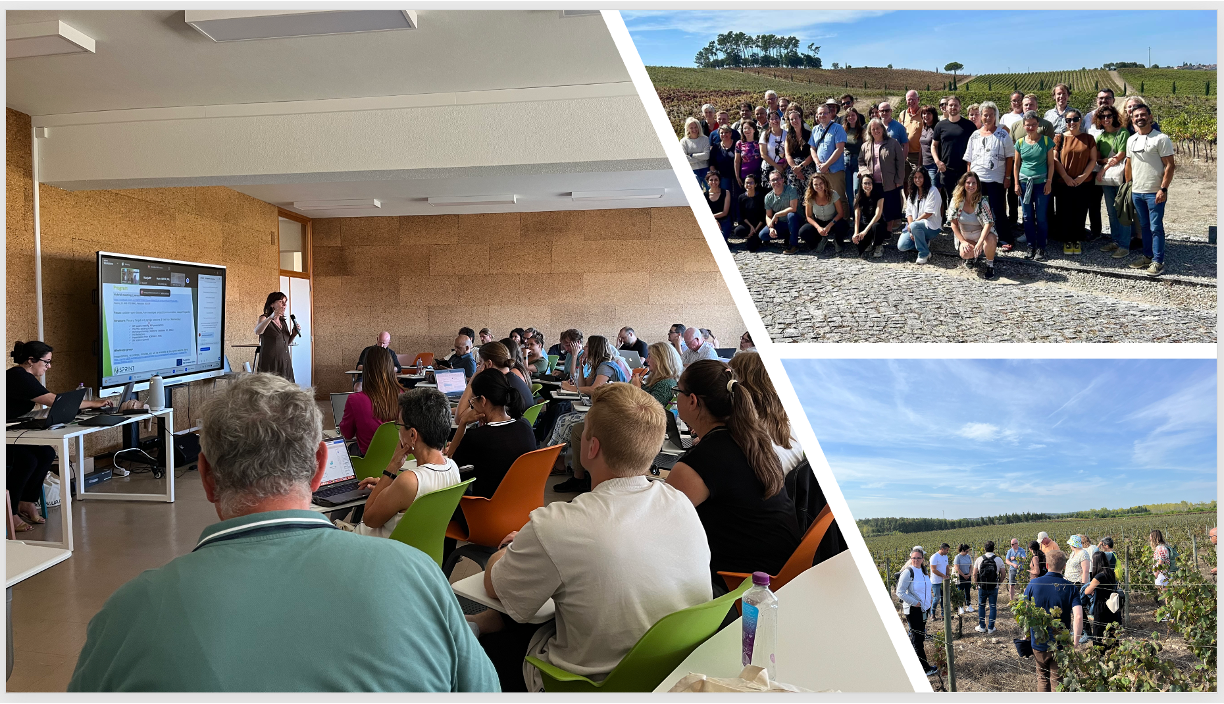
The 5th plenary meeting of the European SPRINT project, coordinated at national level by researcher Nelson Abrantes, from CESAM, took place between the 9th and 13th of September at the University of Aveiro. The event was attended by representatives from 25 partner institutions, who discussed the progress made in the last year and outlined plans for the next year.

Participants also had the opportunity to visit the Portuguese case study, located in the Bairrada Wine Region. During the visit, it was possible to visit biodynamic and integrated production vineyards, demonstrating more sustainable agricultural practices.

The SPRINT project aims to assess the impacts of pesticides on global health, with the aim of contributing to a more sustainable phytosanitary transition.

Find out more about the SPRINT project here.