As part of the presentation of projects integrated in the Center for Environmental and Marine Studies (CESAM), we spoke with Susana Loureiro (CESAM/DBIO), the researcher responsible for the University of Aveiro’s participation in the European project PARC. In this conversation, we sought to learn more about the objectives and specific characteristics of this “European Partnership for the Assessment of Risks from Chemicals – PARC.”

CESAM: How did the PARC project come about?

Susana Loureiro: This project came about as a result of a previous partnership, the HBM4EU project (Human Biomonitoring for Europe – Science and Policy for a healthy future), which was a human biomonitoring project where various institutions aimed to monitor the accumulation of different types of chemicals in humans – such as metals, mycotoxins, polycyclic aromatic substances, and others.
Based on the results of this project, which successfully established risk assessment in various European populations, the European Union decided that it was very important to continue this project and extend the consortium to the environmental aspect. Therefore, this European partnership for chemical risk assessment [PARC project] began with a set of risk assessment partners for the human component and then supplemented with partners who had competencies in the environmental area.
This project is a partnership with the member states, since each member state chooses the national partners. In Portugal, there are two beneficiary partners, the Ricardo Jorge Health Institute and the Faculty of Medicine of the University of Lisbon. These two organisations chose affiliated partners: us [CESAM/UA], the UC, the Higher School of Health, the General Directorate of Health, etc. We were explicitly contacted because of our competencies in environmental risk assessment.

CESAM: When discussing risks, what exactly are we talking about?

Susana Loureiro: For us to evaluate whether there is potential for risk to human or environmental health, or in other words, the potential for a visible and felt impact on the population… the population also feels environmental impacts, directly or indirectly… we have two components: the exposure component and the effects component. Then we will assess the probability of these effects occurring, assigning a value to the risk, and this quantification will provide information about the existence of that risk.
Whenever the effects [on living organisms] occur at concentrations [of the chemical] lower than those in the environment, we know there is a risk. If the effects occur only at concentrations [of the chemical] higher than those in the environment, then there is no risk. In other words, if the concentrations are minimal, and the effects only occur at much higher concentrations, the risk is minimal or nil. When they approach each other [environmental concentrations and concentrations that cause effects], then there is a probability of risk.

CESAM: When discussing chemical risks, are we referring to chemicals of all kinds? From medications to food?

Susana Loureiro: Yes, we can divide this into two types of substances: those that occur naturally in the environment and those that are anthropogenic in production.
Even those that occur in the environment, for example, from mining operations, the mine exists and occurs naturally, meaning that the ore present there occurs naturally. The mining activities make these metals available and release them from their original location. By doing so, we increase the concentrations of these metals in that area… which was unexpected because they were all concentrated in the same place and in a less available form to organisms. These substances exist in nature, such as lead, zinc, copper, and all the metals that exist naturally.
Then we have synthesised substances like drugs and pesticides, which, in some cases, have a biological basis, meaning the molecule exists but is synthesised and prepared for a specific purpose and later released into the environment directly or indirectly. In the case of pesticides, they are applied directly, while in the case of drugs, they appear more indirectly because they are used by humans and then pass through wastewater treatment plants before entering the environment. If it’s a drug used in veterinary medicine, it reaches the environment more quickly through animal waste.

CESAM: Earlier, you used the term “environmental health.” It’s a term that is rarely used in our everyday language…

Susana Loureiro: And I always like to emphasise it because there are different types of exposures in humans, and we associate our exposure only with food. While it is true that if we eat fish contaminated with some chemical substance, we will ingest it. Therefore, if the oceans are polluted, it will affect us. In the case of microplastics, if a fish ingests them and they accumulate in parts of the fish we eat, we will ingest the microplastics.
However, there are many chemical substances that we are exposed to in our daily lives that influence us. For example, why are there so many fertility problems nowadays that did not exist before? Why do so many women have difficulty getting pregnant? Because something is happening with either the man, the woman, or both. In most cases, it is not related to the genetics of both individuals but to the environmental component. Our physiology can be altered entirely by one of these factors: genetic factors, environmental factors, or the combination of both… or it could be something we are not yet aware of.
And often, the explanation lies in the environmental factor, or the environmental factor combined with genetics. These environmental factors are mostly the chemical substances to which we are exposed every day, from our food and personal hygiene products to the cleaning products we use at home and the substances we are exposed to at work and in our daily lives. We are exposed to thousands of chemical substances per year, leading to a drastic decrease in fertility levels.

CESAM: How do you decide which substances to evaluate?

Susana Loureiro: The European Union has a list of priority substances, which is constantly changing… actually, it keeps growing because, unfortunately, it doesn’t decrease.
Then there are substances considered emerging, which are identified as a new problem. Sometimes it can be a problem identified immediately or something that we suspect will cause a problem. For example, microplastics are something for which the exact issues they will cause are not 100% proven. In comparison to macroplastics, we know the problems they cause for marine animals. However , microplastics are more difficult, even though we know they will likely cause problems. And that’s why they are considered emerging substances.
Then [the criteria for inclusion in this list] are very much focused on the effects. Some effects are considered priorities… for example, substances that cause carcinomas, go straight to the top, they are the most prioritised ones. And then we have others that cause DNA alterations, and endocrine disruption, which is also one of the most pressing effects because endocrine dysfunction is associated with fertility, reproduction, and several essential functions.
We also have neurotoxicity, which is associated with the central nervous system and therefore acquires a priority status. Understanding and generating knowledge about substances that have these types of effects is urgent.

CESAM: In conclusion, what stage is the project in, and what are the next steps?

Susana Loureiro: PARC started in May 2022, and having a partnership with national governmental institutes is something unprecedented and very complex to coordinate… in addition to that, it has another peculiarity: it lasts for seven years. European projects usually have a maximum duration of 4 years.
Within this partnership, there will be hundreds of small projects . For each of them, a budget is required, partners are needed, and a defined work plan is needed… so, this first year was focused a lot on that, although we are already doing some work… it was mostly about organization and preparation. Many of the working groups will start doing “real” work in the second semester of the first year.
Because it is very complex to define a 7-year work plan… in 7 years, science evolves a lot, and new approaches and new chemical structures emerge that need to be addressed… and we also want to take a step forward in risk assessment and create what is called “new generation risk assessment (NGRA).”
NGRA is focused on reducing the number of tests, such as reducing the practical evaluation of effects by reducing tests on animals (especially vertebrates – mice, fish – and cephalopods – octopuses, squids). To achieve this, computational methodologies or “in vitro” methodologies are used, which employ computational approaches or cells, organelles, organoids… all highly organised biological structures but at a lower level of biological organisation, such as tissues or cells. This is to provide an understanding of the effects without the need for animal testing.

Another area we want to advance in is the evaluation of chemical mixtures…

CESAM: …chemical mixtures?

Susana Loureiro: Yes, because we are not exposed to just one chemical substance, and risk assessment is often done on a chemical-by-chemical basis without considering the cumulative risk. It’s always like: “Is there a risk for this substance? No”; “Is there a risk for this other substance? No.”
But the truth is, if we add up the minimum risk of these substances, does it not create a higher risk? Let me give you an example: imagine that a particular chemical substance, at a given concentration, induces a 10% effect… a 10% effect, whatever it may be that we are measuring, is something that can often be derived from chance (10%). But if we have ten chemical substances that each cause a 10% effect, and if we add them all up, you end up with a more significant effect. In this case, if you do the math, you have a total effect of 100%!
Currently, what is assessed is chemical by chemical, independent of the presence of others.

For more information about the PARC project, access this link.
This partnership has received funding from the European Union’s Horizon Europe research and innovation programme under Grant Agreement No 101057014
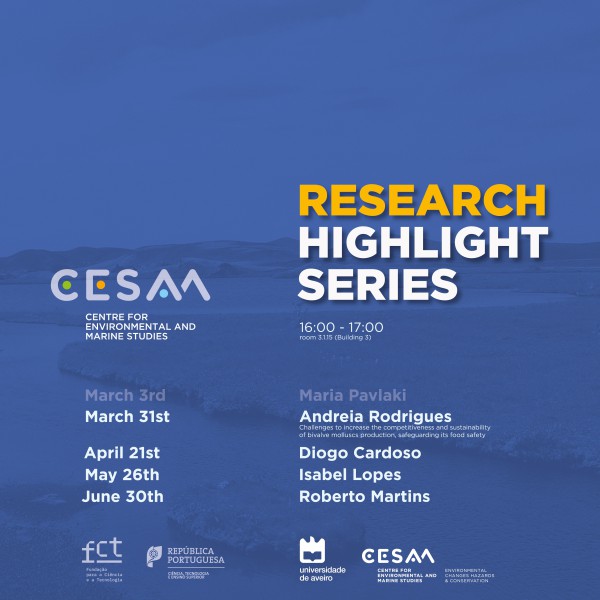
The second edition of this series of seminars carried out at CESAM will host researcher Andreia Rodrigues (CESAM/DBIO) and will take place on 31st March (Friday), between 16:00 pm and 17:00 pm in lecture room 3.1.15 (building 3).

Andreia Rodrigues (CESAM/DBIO) will discuss the challenges to increase the competitiveness and sustainability of bivalve molluscs production, safeguarding its food safety.

All interested are invited to attend, and no registration is needed.

These seminars are organised by CESAM’s Research Group ECHC – Environmental Changes, Hazards & Conservation.

The following editions will be:

  • 21st April – Diogo Cardoso ‘Insects as a key to a more sustainable planet: ENTOSAFE project’
  • 26th May – Isabel Lopes ‘Living in a saltier world: challenges and impacts to coastal biota’
  • 30th June – Roberto Martins ‘Eco-friendly nanoadditives for maritime anti-corrosion smart coatings: a glimpse of the NANOGREEN project’

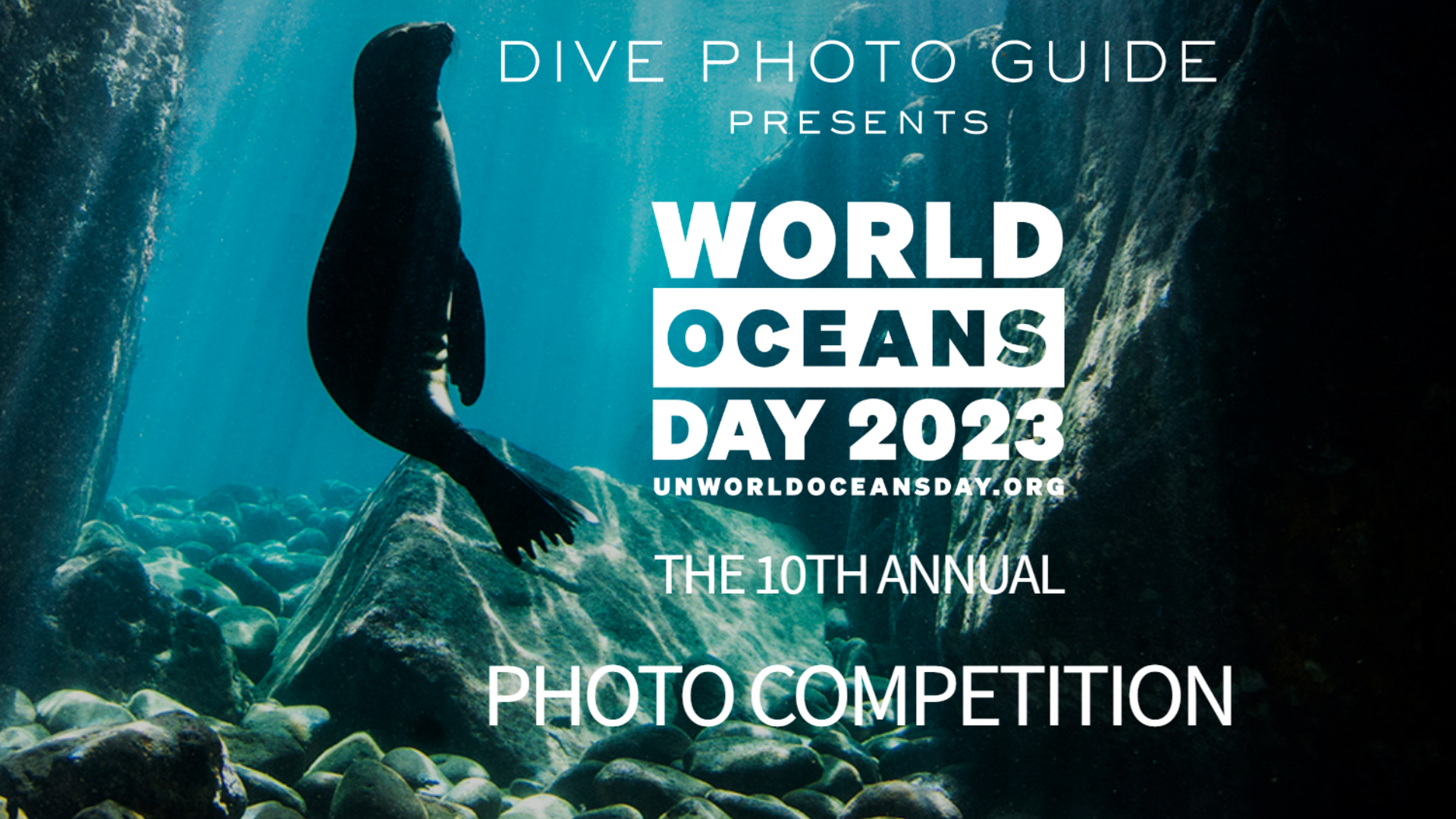
As part of the activity of the Portuguese Committee for the Intergovernmental Oceanographic Commission (CP-IOC), chaired by Dr. Luís Menezes Pinheiro, an integrated member of CESAM, we would like to share with you the United Nations World Oceans Day Photo Contest, organized by the United Nations. 

This free competition is open to the public and explores the six thematic categories No Time to Waste, Putting the Ocean First, The Wonderful World of Tides, Ocean Is Life, Big and Small Underwater Faces and Underwater Seascapes to encourage photographers’ interpretations and artistic visions.The judges are looking for images that leave them mesmerized, moved, intrigued, and wanting to know more and share their work with the world. 

The winners of the competition will be announced during the UN WOD Event on 8th June 2023.Winning images will be recognized and diffused throughout the contest websites, the media, and the informational materials related to subsequent competitions.  

All entries must be submitted by April 23rd, 2023. 

More information here

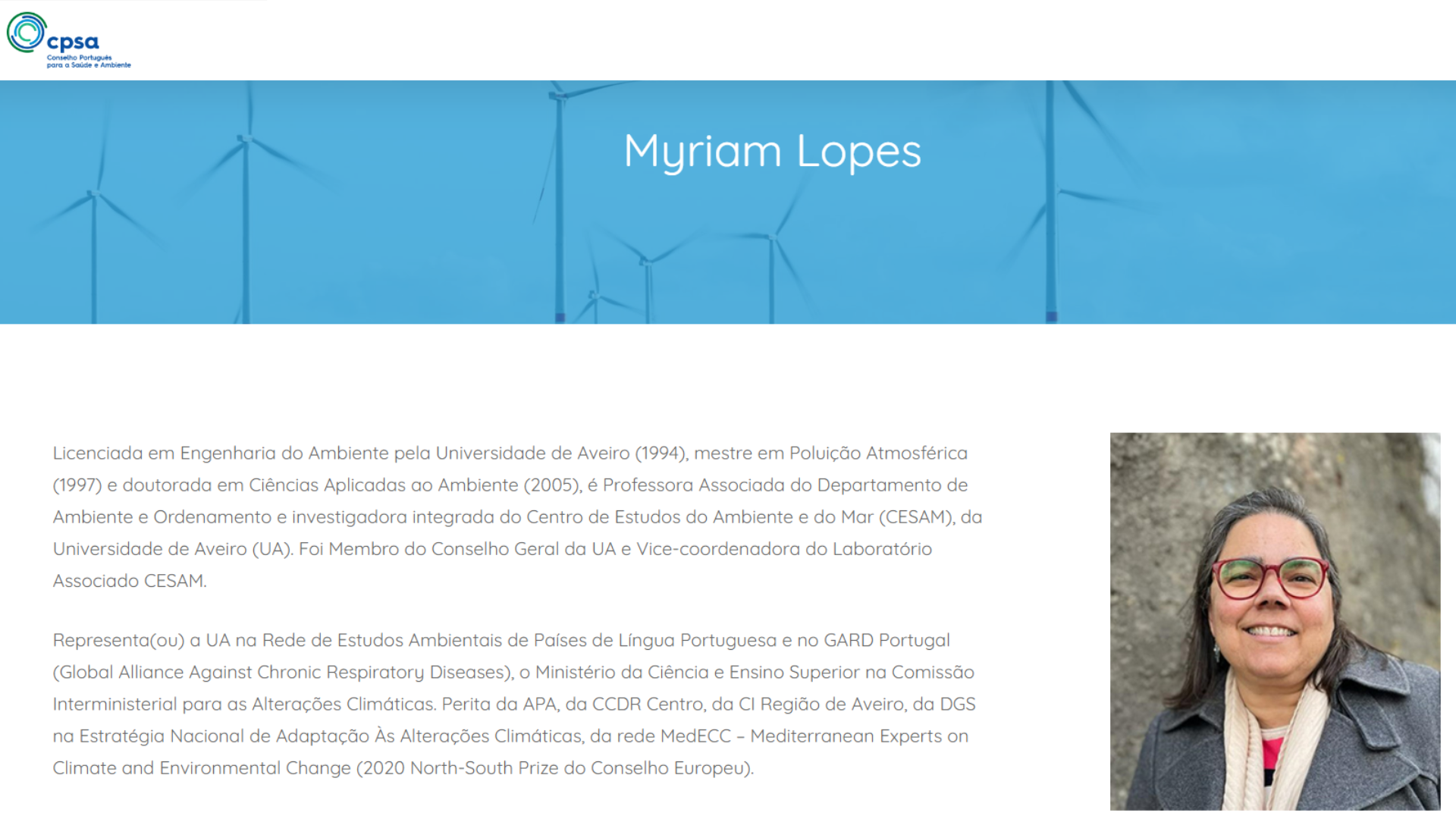
Myriam Lopes, researcher at the Centre of Environmental and Marine Studies (CESAM) and professor at the Department of Environment and Planning (DAO) at the University of Aveiro, was invited to join the scientific council of the newly created Portuguese Council for Health and Environment(CPSA).

CPSA is a non-profit association, created on October 31, 2022 and chaired by Dr.Luís Campos. Among the main objectives of this new association, we find the awareness “of populations and health professionals about the consequences of climate change and environmental degradation on the health of populations” and collaboration with “those responsible, at all levels, in decision-making that can combat climate change and environmental degradation”. 

The CESAM researcher was invited by the management board of CPSA to join the scientific council of this association, which includes names such as Mónica Bettencourt-Dias (IGC), Francisco Ferreira (FCT-NOVA and Associação ZERO) and Baltazar Nunes (INSA). This invitation arises from her recognized scientific competence in themes associated with climate change. With participation in several national (FCT, Calouste Gulbenkian Foundation) and international (FP7, H2020, Horizonte Europa, DG Health, ERASMUS+) research projects related to air quality and health, climate change, urban metabolism and sustainability.

Learn more about the Portuguese Council for Health and Environment here.

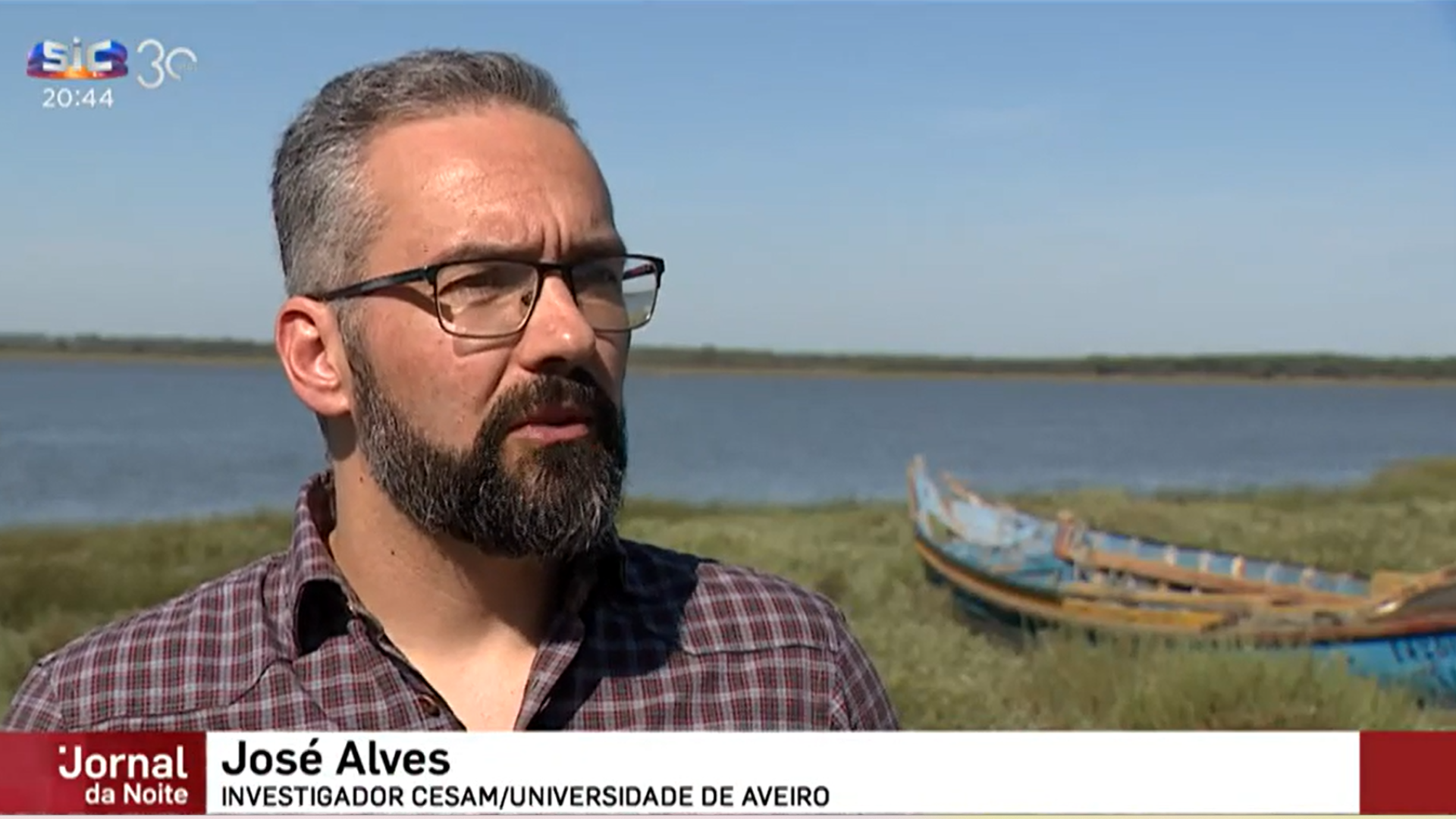
Following the publication of a study in the scientific journal “Animal Conservation,” led by CESAM researchers, on the black-tailed godwit (Limosa limosa) in a section of the Tagus Estuary designated as a Special Protection Area (SPA). The study by our researchers, José Alves and Josh Nightingale (CEAM/DBIO), appeared on the cover of the print edition of Público and was also featured in the print editions of Correio da Manhã, Diário de Notícias, and Jornal de Notícias, as well as in the digital editions of CNN Portugal, Observador, and SIC Notícias.

The CESAM researchers explain that: “This study developed a new methodology that allows for the consideration of animal movements and their application to the predicted impacts of the Montijo Airport on the avifauna of the Tagus Estuary. The results showed that the estimated impacts are substantially higher than those initially quantified by the Environmental Impact Study developed for this infrastructure.”

Read the Público report at: Ruído de aeroporto no Montijo terá impacto muito maior do que o previsto na avifauna | Ambiente | PÚBLICO (publico.pt)

Don’t miss José Alves’ interview on SIC at: Construção do aeroporto no Montijo põe em risco maçaricos-de-bico-direito – SIC Notícias (sicnoticias.pt)

At the end of March, the 1st transversal skills training program took place in Aveiro, co-organized by four European ‘Twinning’ projects based at the University of Aveiro.

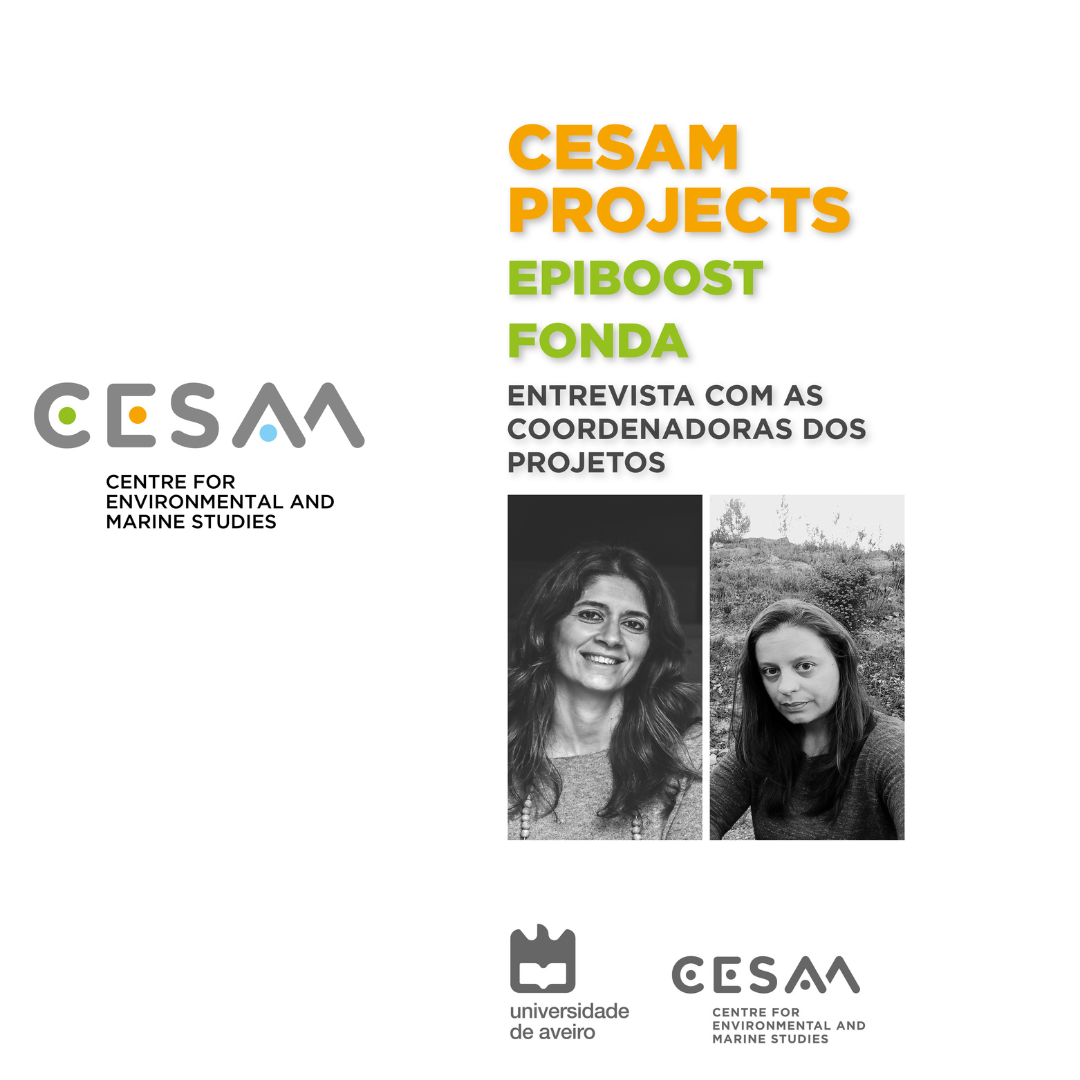
As part of the presentation of the projects based in the Center for Environmental and Marine Studies (CESAM), we interviewed the coordinators of two of those projects, EPIBOOST and FONDA. In this informal conversation, we discuss these European projects’ objectives and specific characteristics.

CESAM: What were the questions that you identified that drove the implementation of these projects?

Alexandra Monteiro (FONDA): There has been a need for some time to study in detail the issue of air pollution by nitrogen compounds (whether ammonia or nitrogen oxides) at the level of the atmosphere and at the level of deposition in ecosystems. Our research group works on air quality modelling, but the tools we use are not specific for this type of compound, okay? Therefore, there was a need to deepen our knowledge further, in terms of the tools that give us this ability to assess – what is happening in terms of these nitrogen compounds in the atmosphere and how much is deposited in ecosystems.

Joana Pereira (EPIBOOST): In our case, it started from a research interest that I already had – environmental epigenetics. (…) Environmental epigenetics is, if we want to simplify, everything that controls the expression of genes, but which is not inscribed in the genetic code and, therefore, ends up being the molecular starting point of organisms’ responses to environmental contamination.
(…) So it is an emerging area in assessing ecological risk, and even in the area of ??regulation, more and more work will be done in this area. Because in fact, they are the initiating events of the response of organisms, more than the gene expression itself, because they control the expression of the genes… and, therefore, they are more upstream in what is the response of the organisms to the contamination. And it was an area that was not very developed, although at CESAM, environmental risk assessment and ecotoxicology were quite developed and there was a lot of competence here in this area… we needed more training in molecular epigenetics.

CESAM: Who are the project partners and the funding agency? And what is the duration of both projects?

Alexandra Monteiro (FONDA): We have been working in this area for some time [air quality modelling], and we already know all the partners at the European level. The European ‘Twinning’ program was an opportunity (…) it is a European funding program to empower ‘low income’ countries and Portugal is still on that list, in fact, everyone is amazed at how Portugal still is, but the truth is that it is still (…) Our main partner and the reference at the European level is the TNO (independent scientific organisation), a research unit in the Netherlands, in Utrecht. And then we also have the University of Berlin because we have been working with them for many years; they were among the first to test these tools, and therefore it made sense, that our partners are the ones who developed the tools and the one who has a great deal of experience in terms of application of these tools. (…) Our project started two months ago and runs until February 2026

Joana Pereira (EPIBOOST): In our case, the partners are the University of Ghent, which was the partner with whom I already had professional collaborations, and the CSIC [Consejo Superior de Investigaciones Científicas] in Barcelona, ??through two research institutes, the IDAEA [Institute of Environmental Assessment and Water Research] and the ICM [Institute of Marine Sciences], which have some researchers who work specifically in this area of ??epigenetics, especially with fish. And these organisms are very important because they end up being almost unavoidable models in the area of ??environmental assessment and also in aquaculture, for example (…) Our project started last October, lasts for three years, and ends in September 2025.

CESAM: What results are you trying to achieve?

Alexandra Monteiro (FONDA): Our objective is also to become a reference group in this area. It will no longer be just TNO having excellent knowledge in this area, it will be us too. And what does that mean? When there is a need to do work related to these topics, even for other countries or regions, we can do it. We will be able to integrate European consortia in this area, be contacted by other groups, and establish new collaborations, precisely because of this training. Because there are really few people in Europe working in this specific area (…) Throughout the project, there are work missions, where researchers from here go there [the Netherlands] and they come here too (…) But throughout the project, we are also doing research. In other words, we have this plan for training people, but we also want to do new things, which they [TNO and the University of Berlin] haven’t done yet, and that part was also one of the reasons that led them to accept being part of this project.

Joana Pereira (EPIBOOST): The idea is to learn from the knowledge these groups [UGhent and CSIC] already have: how they work and operate in this area. Whether from the point of view of technical protocols for epigenetic analysis or at the technical level of analyses, genetic sequencing… and in the related bioinformatics area, which is always a very important component in these projects that involve molecular techniques linked to ecotoxicology. (…) In terms of concrete results? We will have results that are achieved over time and others that will only be achieved at the end. We have to separate what are research outputs – because the project contains a research project – and what are training outputs, which are all training activities that we do (summer schools, advanced courses, etc.).
The main objective is to have a group of researchers who are much more qualified to carry out their own work later independently, be it their experimental designs or their analyses in the area of ??environmental epigenetics.

 CESAM: What is the relevance of these projects for society?

Alexandra Monteiro (FONDA): In the first place, we are trying to evaluate. And everything indicates that Portugal is a susceptible and critical area regarding this pollution [of the air through nitrogen compounds]. And why? It is related to the critical load… we may not even have as many emissions as other places, I mean, in fact, we have a high level of emissions, but even if we didn’t, the point is that our ecosystem is particularly sensitive. Therefore, it can withstand less. If, on the one hand, we have to consider the level of emissions that exist. On the other hand, we have to assess the ability of the ecosystem to resist without suffering damage, which is the so-called critical load. And our critical load is low, so it’s an added problem.

The European air quality directive is being revised, and ammonia has now been considered an emerging pollutant; that is, it is a pollutant that the European Union will force to be studied carefully. It is still not mandatory to measure, but from the moment they consider an emerging pollutant it will have to be [measured]. And why is this work so important? Because it is not mandatory to measure in all places, we do not know their levels. And how do we find out? We use these modelling tools!

Joana Pereira (EPIBOOST): In our case, it is sometimes difficult to convey the importance of our research work [Environmental Epigenetics]. But let’s think that doctors often tell us that, for example, children of smoking mothers or mothers who smoked during pregnancy, can have effects that can last into adulthood, and that even grandchildren can have effects from the fact that the mother has smoked during pregnancy (as a predisposition to certain diseases, etc.). We can see the importance of the area because all this is epigenetic.
All of this is a response to an exposure they had when they were in their mother’s womb, and it has nothing to do with changes in the genetic code, DNA, but with the mechanisms that control the expression of the genetic code.
(…) There is currently much evidence about epigenetic control in the area of ??human health and what we want to obtain is more and more evidence in terms of environmental health – what can we do to, for example, improve the processes for monitoring pollution and the effects of pollution on ecosystems and environmental health based on epigenetic changes in organisms. We are trying to transpose technologies that are already implemented in human health into the context of environmental assessment because life depends on ecosystem services. In order to preserve them, we have to know how to monitor them in the most reliable and comprehensive way possible.

You can learn more about the EPIBOOST project (Boosting excellence in environmental epigenetics) here or here and about the FONDA project (Fostering Nitrogen Deposition Assessment over Portugal) here

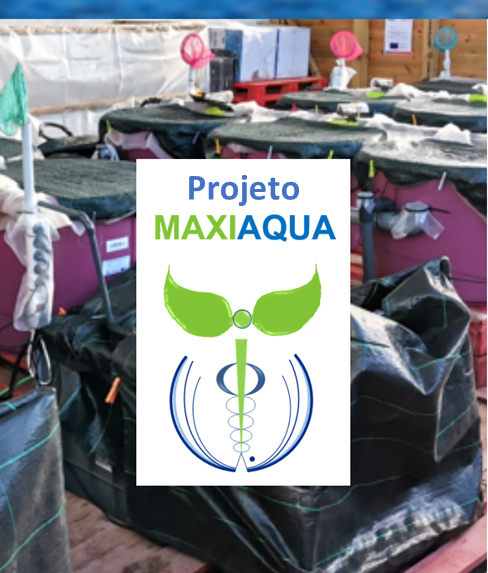
MAXIAQUA is one of the applied research projects developed by CESAM that aimed to develop natural and sustainable solutions to assist in the control of parasites in different aquaculture fish, thereby improving their health management.

According to the information presented in the newsletter, this project was carried out in collaboration with the intensive aquaculture company Stolt Sea Farm, Portugal, and had an investment of 345,000 euros. The project addressed the challenges of sustainable management of diseases caused by pathogenic organisms and parasites in intensive aquaculture systems. Its research team included experts in microbiology, biochemistry, molecular and cellular biology, aquaculture, ecotoxicology, biotechnology, and engineering.

To learn more: 10 DSI DRAP Centro 

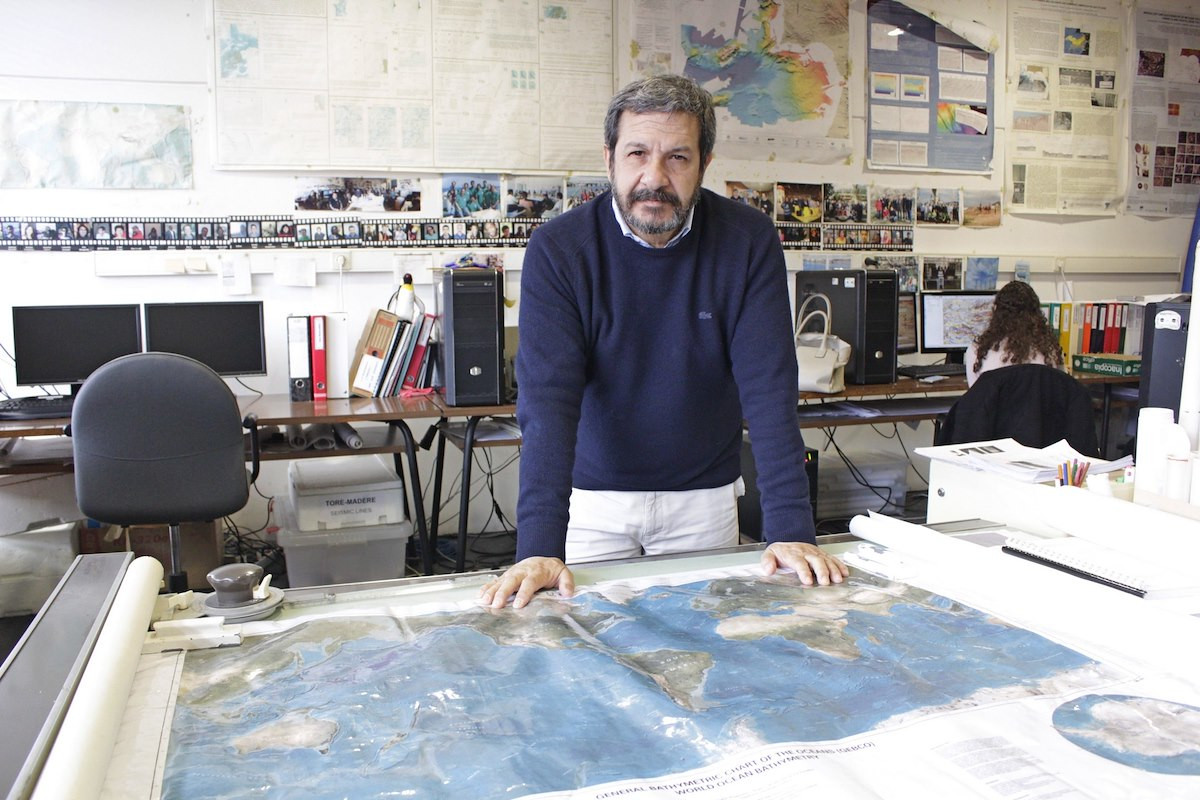
Luis Menezes Pinheiro (CESAM/DGEO) has been appointed coordinator of the National Committee for the United Nations Decade of Ocean Science for Sustainable Development (2021-2030), by a government decree published in the Diário da República.

This committee, designated as the National Committee for the Decade of the Ocean, will be responsible for directing Portugal’s action towards initiatives and projects related to the Atlantic and for the scientific, social, and economic valorization of Portuguese maritime knowledge. In line with the National Strategy for the Sea 2021-2030 and the Sustainable Development Goals of the 2030 Agenda, particularly SDG 14, dedicated to the Ocean.

The National Committee will work in conjunction with the Executive Secretariat of the Intergovernmental Oceanographic Commission (IOC) of UNESCO, whose national representation is also chaired by this researcher and lecturer at the University of Aveiro. The Committee will carry out its mission under the responsibility of the government members responsible for the Foreign Affairs, Economy and Sea, and Science, Technology and Higher Education areas.

The United Nations Decade of Ocean Science for Sustainable Development (2021-2030) was proclaimed by the United Nations General Assembly in 2017 and is currently in its implementation phase.

Researchers Rosário Domingues (CESAM/DQUA) and Ricardo Calado (CESAM/DBIO) participated in the kick-off meeting of the Vertical Algae project, which is part of the Mobilizing Agenda of the Blue Bioeconomy Pact, held on March 27th at the University of Algarve. Also involved in this project are researchers from UA, Claúdia Nunes and Sónia Ventura (CICECO) and Manuel Antonio Coimbra, Pedro Domingues, and Rita Ferreira from LAQV-REQUIMTE.

The Vertical Algae project, led by the company NECTON, has 38 national entities, including academic institutions, collaborative laboratories, and companies. It is the largest initiative of the Blue Bioeconomy Pact agenda, funded by the European Union’s “Next Generation EU” through the Recovery and Resilience Plan (PRR), with a budget of 44 million euros.

This project aims to leverage and empower the algae sector in Portugal, promoting the development of new sustainable products, processes, and services to compete in global markets and contribute to the national and European Blue Bioeconomy.

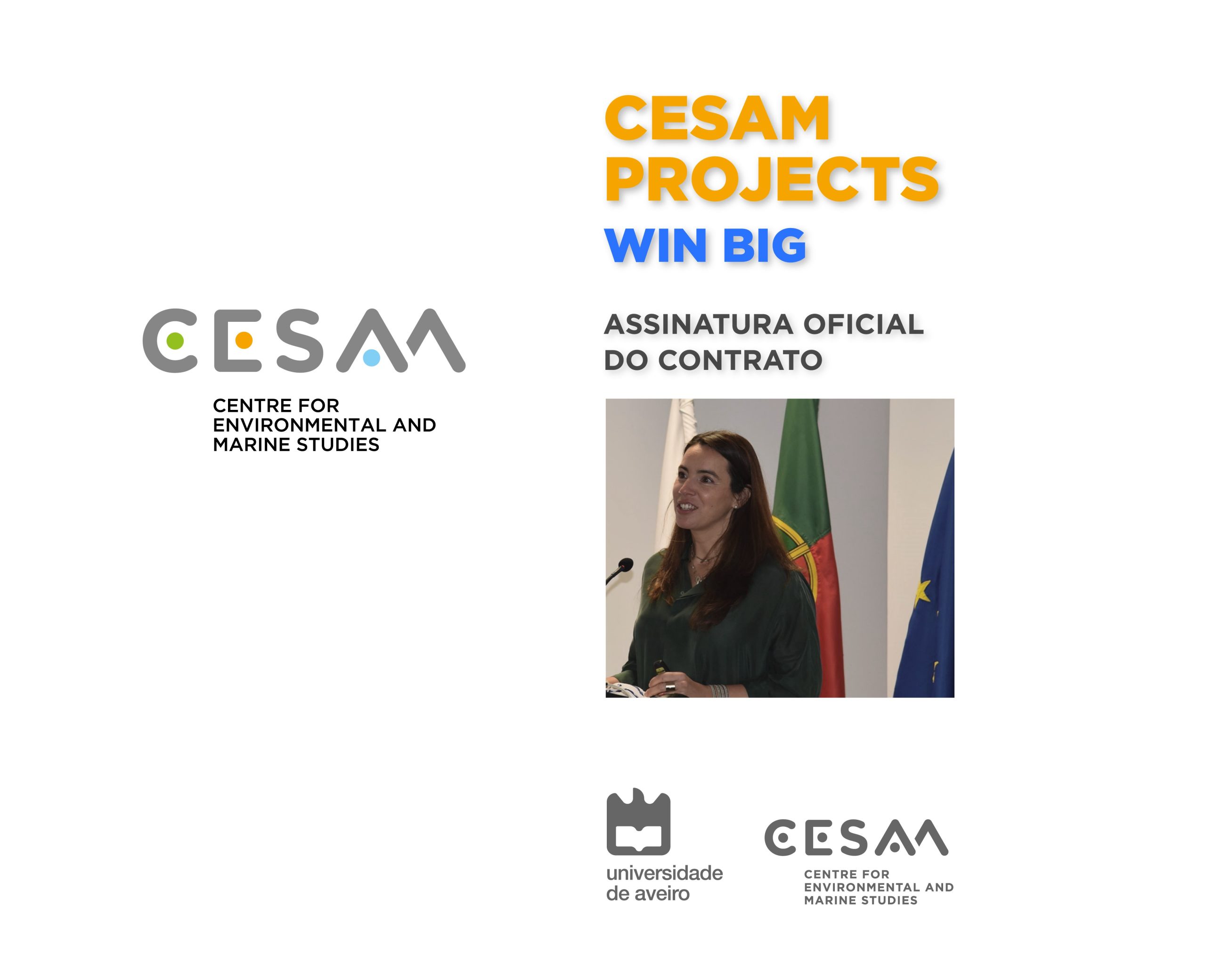
The researcher Helena Vieira (CESAM/DAO) leads the WIN BIG (Women IN Blue Economy intelligence Gathering and Capacity Building) consortium, which has 14 partners in 9 different countries, and which official contract has now been signed.

This project aims to map, from a socioeconomic perspective, the gender status of the Blue Economy in the EU, specifically in its six maritime basins (Atlantic, Arctic, North Sea, Mediterranean, Baltic, Black Sea) and with a focus on the emerging areas of the Blue Economy: Blue bioeconomy/biotechnology, robotics, engineering and ocean renewable energies or offshore activities, as well as blue sports and sustainable tourism.

This knowledge is virtually nonexistent in the EU, and what exists is centred on more traditional activities such as maritime transport and fishing. Additionally, the WIN BIG project will map out barriers to progression and the remaining capacity needs for women in the Blue Economy, always concerned with correlation with the maritime basin and the sector in question.

As Helena Vieira says, “This is a triple important project for me. Firstly, because it deals with a topic very close to me and in an area where I work myself – the role of women in the maritime economy, one of the most promising sectors for a sustainable future. Secondly, because it represents my successful return to academia, being the first project, I wrote and applied for, and that I won, after leaving the position I held before in the Ministry of the Sea and that is excellent!
Third and last, because this project, much more than the funding it brings to all consortium partners, represents our contribution to a better, fairer, more cohesive and more sustainable Europe! And that’s why it’s great to know that we can do science with a direct impact on people, in this case women and the planet!

Based on the results obtained, 3 pilot actions for women’s capacity building and career development will be promoted, together with their respective regional clusters, in the Atlantic, Mediterranean and Baltic basins, as well as a set of other dissemination tools and actions applicable to the blue economy sectors in other regions, including non-European ones, aiming to leverage the importance of women in this economic sector to civil society and particularly to younger populations.

The results obtained will also allow for the publication of several reports of societal relevance, and the development of policy recommendations for integration into regional, sectoral and European equity plans, seeking to positively influence the gender equity of this sector in the EU and the alignment of public policies with UN SDG5 (Sustainable Development Goal 5).

Funded by the CINEA (The European Climate, Infrastructure and Environment Executive Agency) of the EU with almost 1.5 million euros, the project will officially start in May on the European Maritime Day of 2023, celebrated in Brest, France. The consortium kick-off meeting is scheduled for June in Aveiro.